
Heat Pump Repair in Colorado
Homes in Colorado are newer than in 40 of the other 49 states.
Tell us about the job
Takes about a minute. No obligation.
- 17°Fwinter overnight low where people live
- 9 monthsof heat, September through May
- 83°Fsummer afternoon high where people live
- 1 monthof cooling, in July
Hail and wind batter the outdoor unit here. El Paso County takes the worst of it.
- Heat needed most in Lake County, least in Baca County
- Winter nights average 17°F where people live
- Summer afternoons average 83°F where people live
- Heat runs September through May
- Cooling runs in July
- 2,634 winter storms from 2015 to 2024

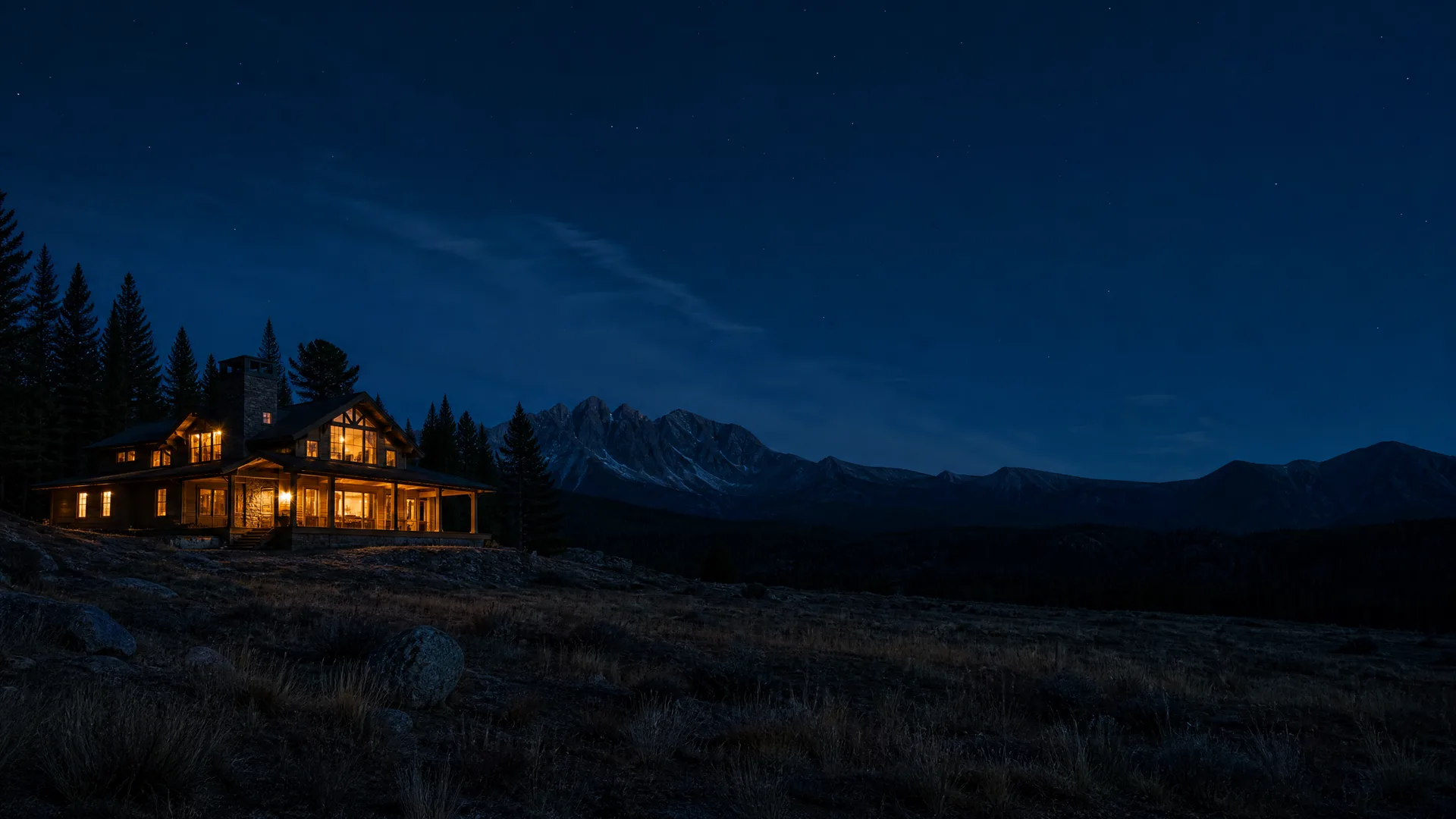
A newer system is usually worth repairing
Half the homes in Colorado were built in 1988 or later. That's a newer housing stock than in most of the country, so a lot of heat pumps here still have years left on them. If yours came with a newer house, a breakdown is more likely a bad capacitor, a stuck reversing valve, or a control board fault than a system that's simply worn out. Worth having someone look at it before you think about replacing anything. Most homes here are detached or attached single-family houses, so the outdoor unit is usually sitting right out in whatever weather comes through.
A heat pump that's short cycling or running constantly costs more here than it would in a lot of other states. Colorado electricity ran 14.92 cents per kilowatthour in 2024, more than in 26 other states. A unit stuck in a bad cycle, or one whose outdoor coil is caked with ice because the reversing valve is stuck, doesn't just stop heating or cooling well. It keeps drawing power while it does it.
Colorado homes that use air conditioning used an average of 4.5 million Btu (British thermal units, a measure of heat) of electricity for it in 2020. That's the cost of a heat pump running right. A refrigerant leak, a failing compressor, or a dirty outdoor coil pushes that number up without you changing the thermostat at all. The longer a fault like that sits, the more it shows up on the bill before anyone looks at it.
When this heat pump actually works for a living
Nine months of heat here, one month of cooling. That split tells you where to put your attention. August is when a heat pump earns its keep or shows its hand, the first cold mornings after months of barely running the reversing valve or the defrost board. July is the same story in reverse, the first real heat load after a long stretch of idling. Either way, the failure shows up when the system has to work, not before. If yours struggled last winter, now is the time to have it checked, before September asks it for nine months straight.
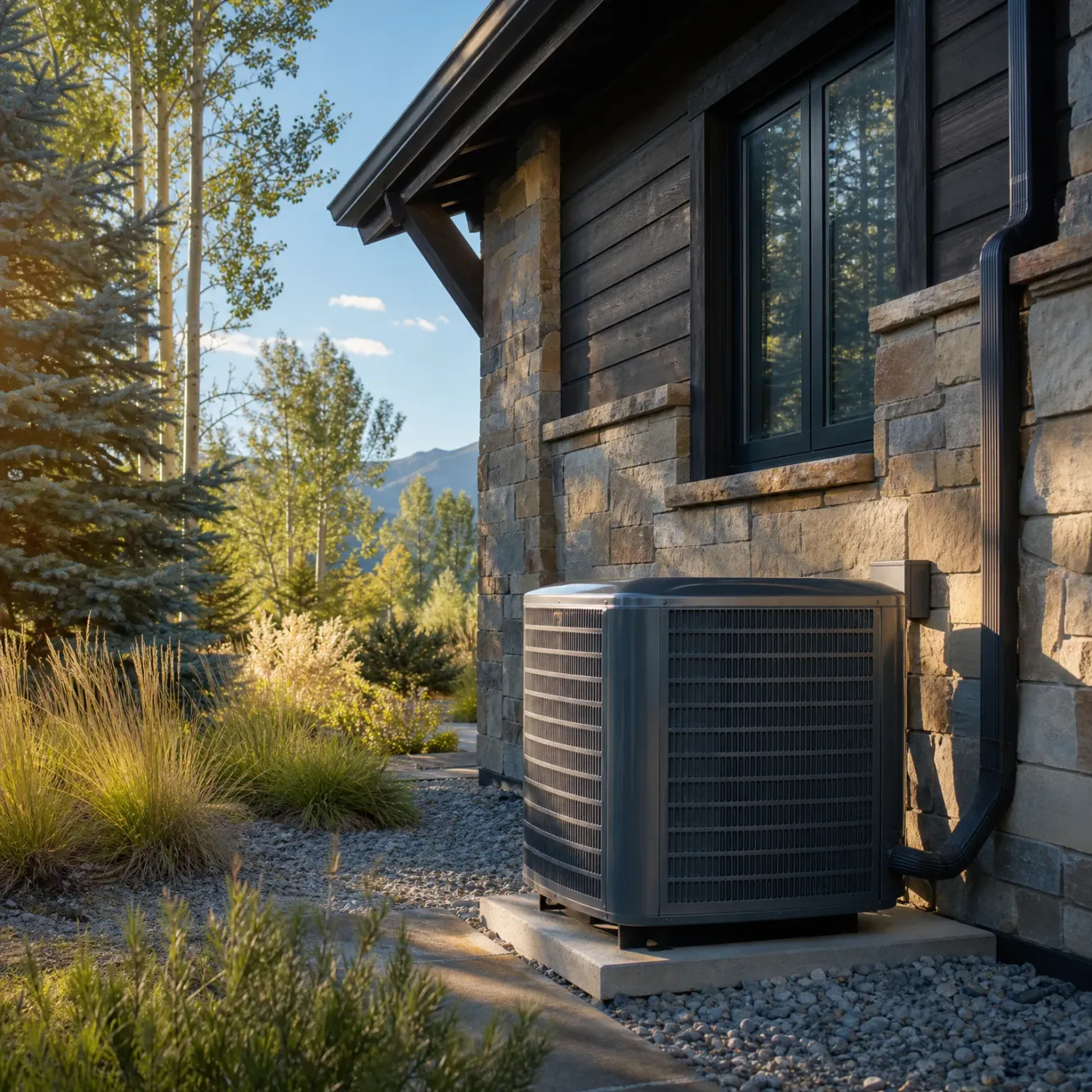
1 month of cooling, in July
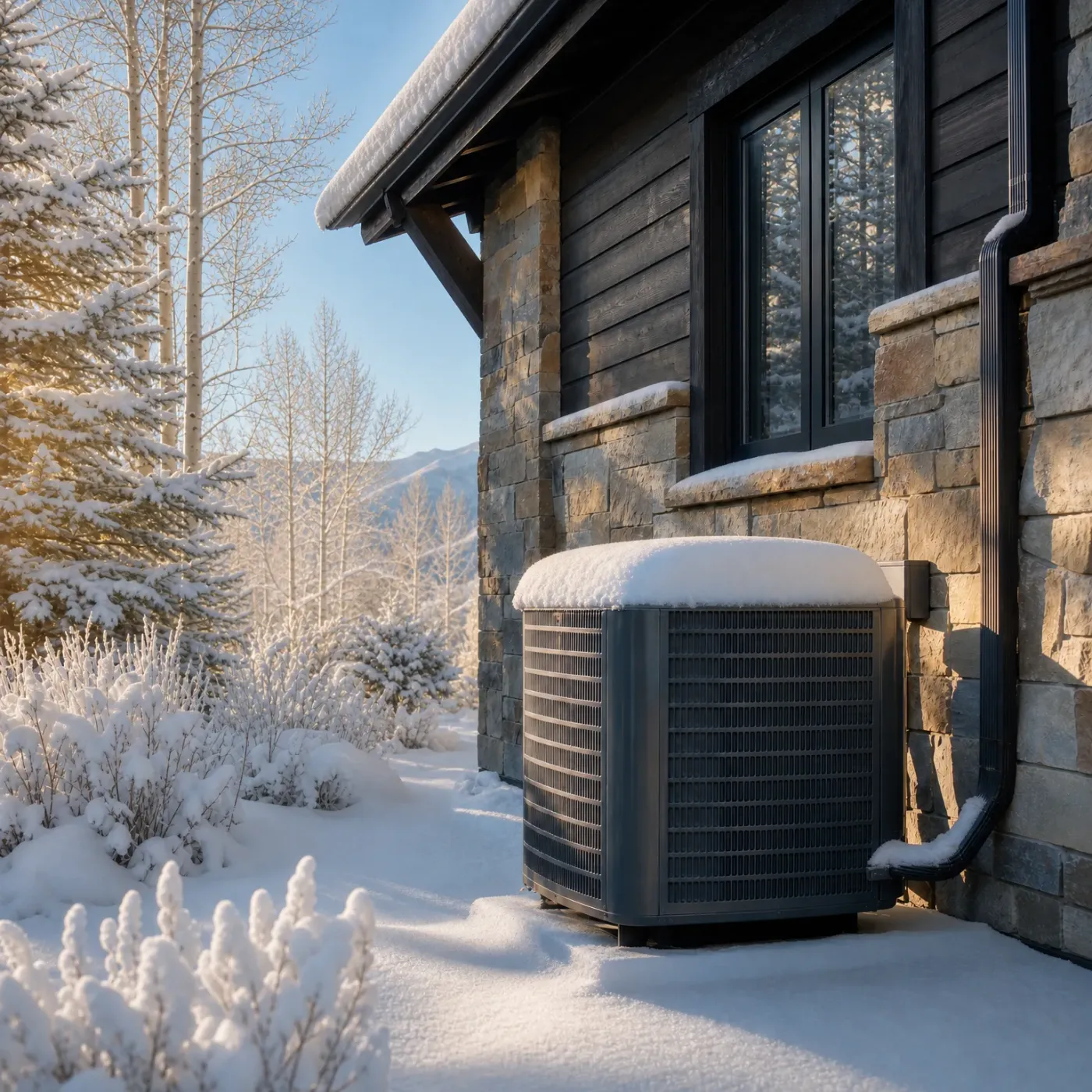
9 months of heat, September through May
What does a heat pump in Colorado face?
How hot do summer afternoons get?
83°Faverage afternoon high where people live
Alaska66°F
Arizona101°F
How cold do winter nights get?
17°Faverage overnight low where people live
North Dakota4°F
Hawaii65°F
How many months does the heat run?
9 monthsof heating a year
Hawaii0 months
Alaska12 months
What does electricity cost?
14.92¢per kWh (kilowatt hours, the unit on an electric bill), what homes paid in 2024
North Dakota11.51¢
Hawaii42.86¢
How often do storms hit?
455severe weather events per county from 2015 to 2024
Alaska5
Wyoming1,057
How many homes lost power for a day or more?
13%of homes in 2024
Arizona7%
Maine54%
Usually the ordinary problem
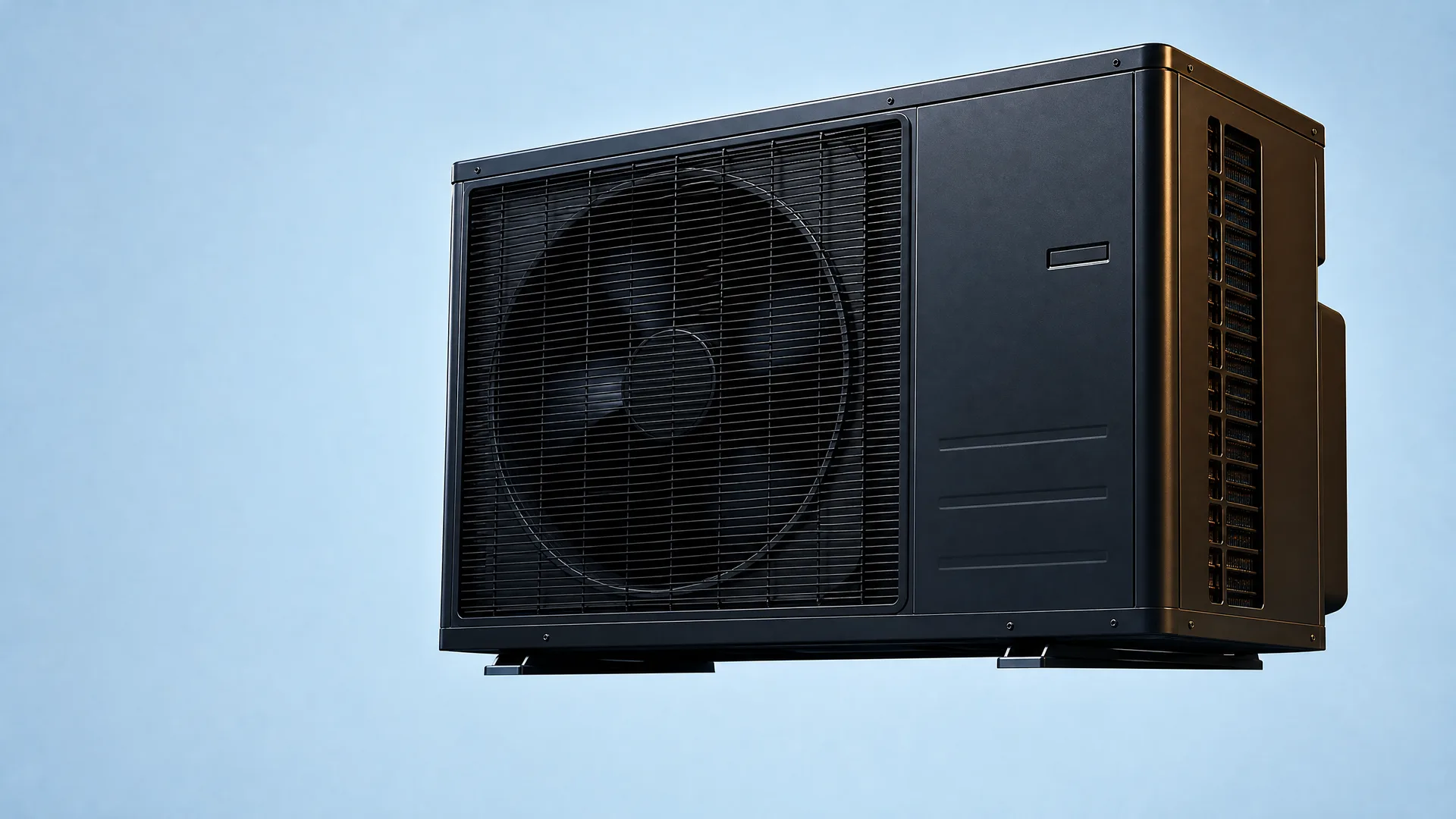
Nothing about Colorado's weather singles out a heat pump for extra wear. Most failures here are the same ones you'd see anywhere. A bad capacitor. A low charge. A reversing valve that won't switch. A defrost control that's stopped doing its job. If yours has stopped heating, cooling, or switching between the two, that's where a contractor starts. Not with the idea that something unusual happened to it.
What a failing heat pump actually does
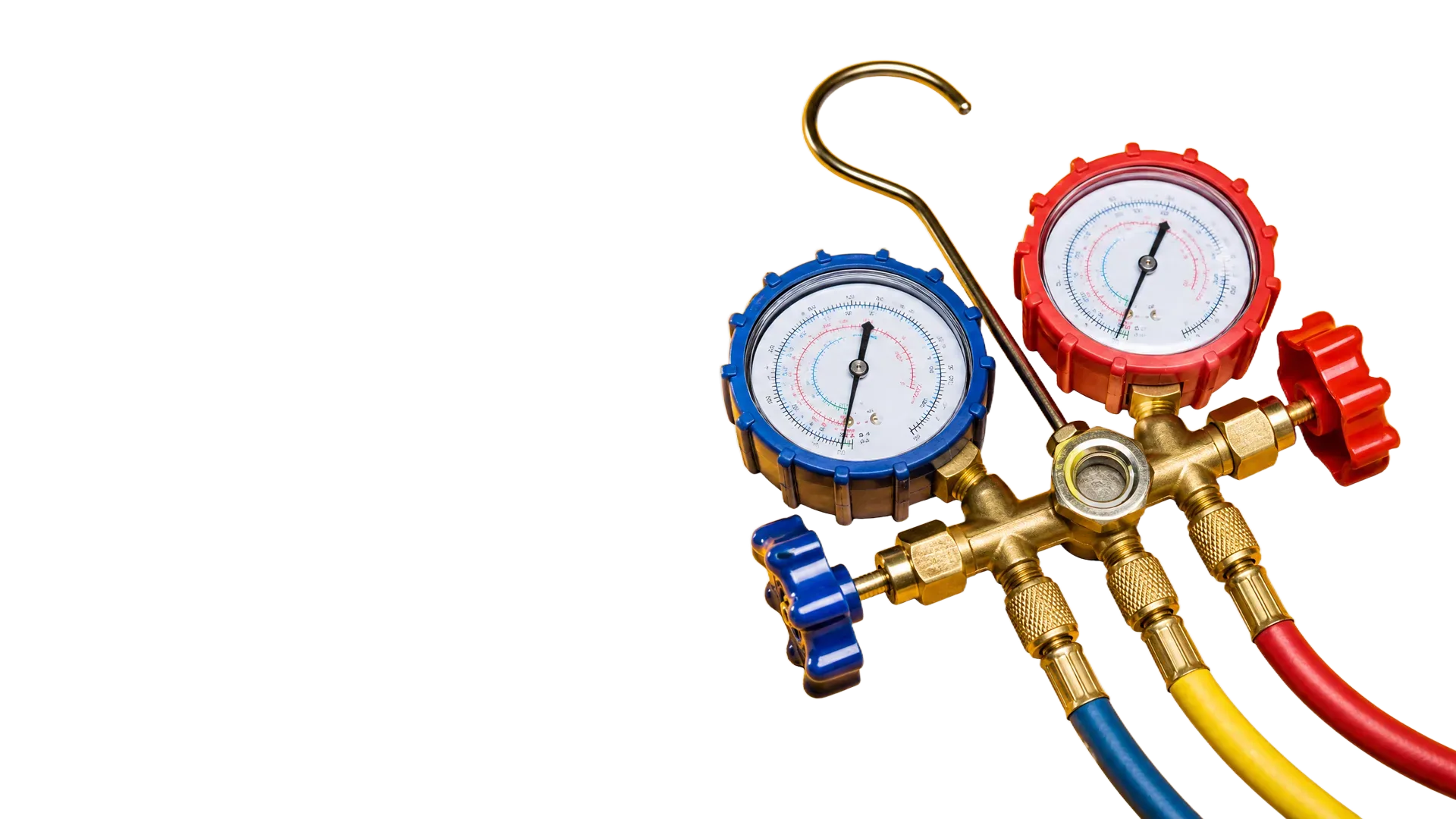
Most heat pump trouble announces itself before it fails outright. The system runs longer than it used to, cycling on and on without quite reaching the temperature you set. Air comes out of the vents that's barely warm, or barely cool, instead of the steady output you're used to. You hear the outdoor unit humming but the fan isn't turning, or it's making a clicking sound that repeats every few seconds without starting up. Ice builds up on the outdoor coil and stays there instead of melting off during a defrost cycle. The system switches into the wrong mode, blowing cold air when you've asked for heat, or it won't switch at all. Sometimes it just stops responding to the thermostat altogether. Any one of these is worth a call. A system that's straining to do its job usually keeps straining, and the longer a reversing valve or a weak capacitor goes unaddressed, the more likely it is to take another part down with it.
Where in the state you are matters
Lake County needs about twice the heat over a year that Baca County does, the lowest in the state. A heat pump there is moving heat against the cold for a lot more hours each winter than one in Baca County, and the parts that carry that load, the reversing valve, the defrost board, the compressor, see more cycles because of it. Where the heating load is lighter, a heat pump leans more on its cooling side instead, and wear shows up on a different schedule. So the same age of system can be further along in one county than another. Worth knowing which end of that range you're in before you decide what a repair means for yours.
A heat pump that's struggling now will have to run nine months straight starting in September.
Tell us about the job
Takes about a minute. No obligation.
Answer a few questions and a licensed Colorado contractor calls to look at your heat pump.