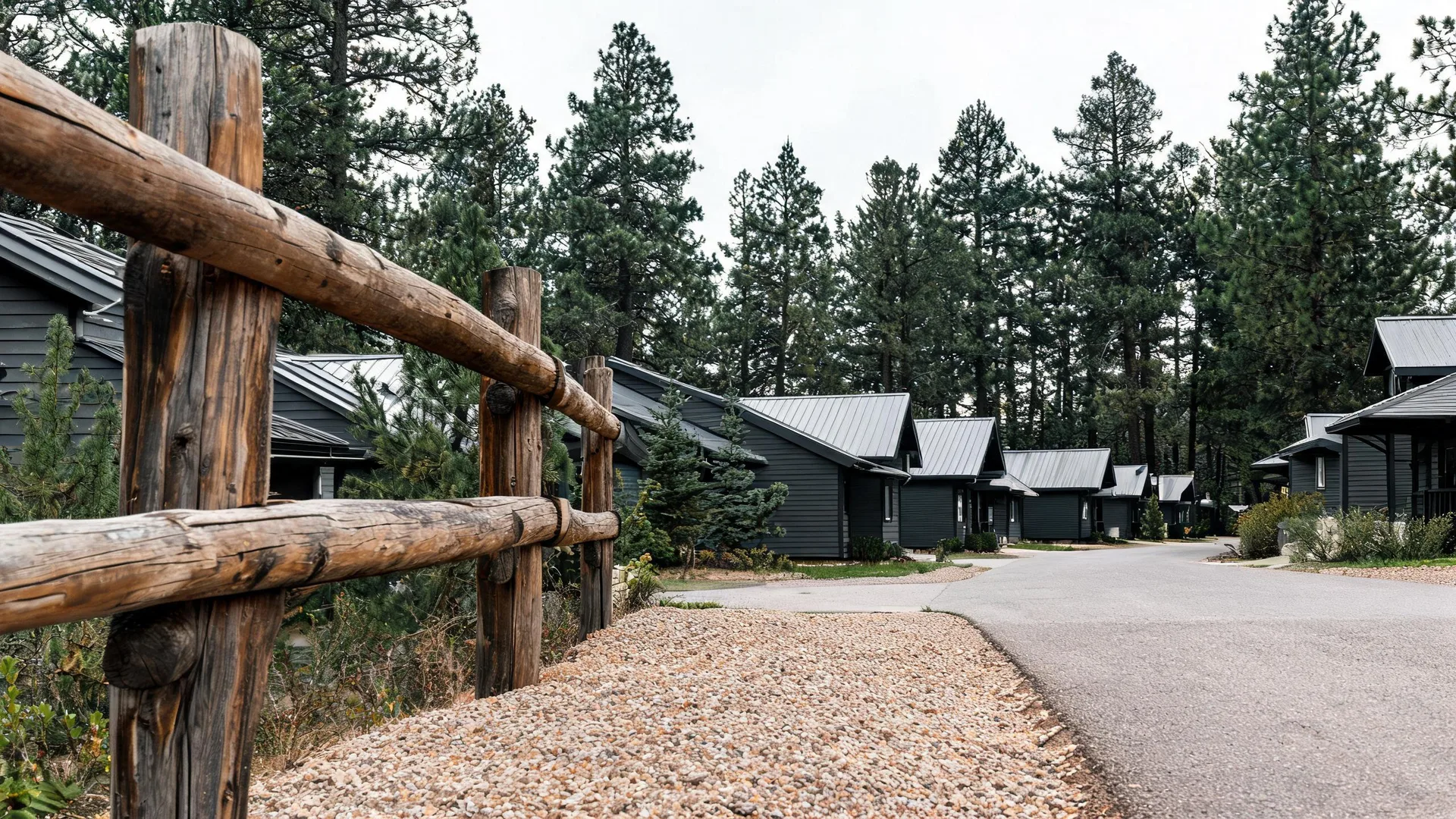
A rustic log rail fence in the foreground beside a gravel shoulder and paved lane lined with dark-clad cabins with metal gabled roofs, surrounded by tall pine trees under an overcast sky.

Heat Pump Repair in Salida, CO

Tell us about the job

Takes about a minute. No obligation.

Step 1 of 3: Equipment

Cold nights are normal here, not a warning sign

Salida sees overnight lows averaging 9°F through December, January and February. A heat pump works harder to keep up on nights that cold. If yours is running constantly or struggling to keep the house warm, that's the cold doing what cold does. It doesn't mean something is broken.

The cause is usually one of a few known problems

A heat pump that won't heat, runs nonstop, or blows cool air is almost always down to low refrigerant, a failing defrost control, or a worn contactor. A contractor who checks these first can usually tell you what's wrong and what it takes to fix it.

9°F
the average winter night it heats against
71°F
the average summer afternoon it cools against
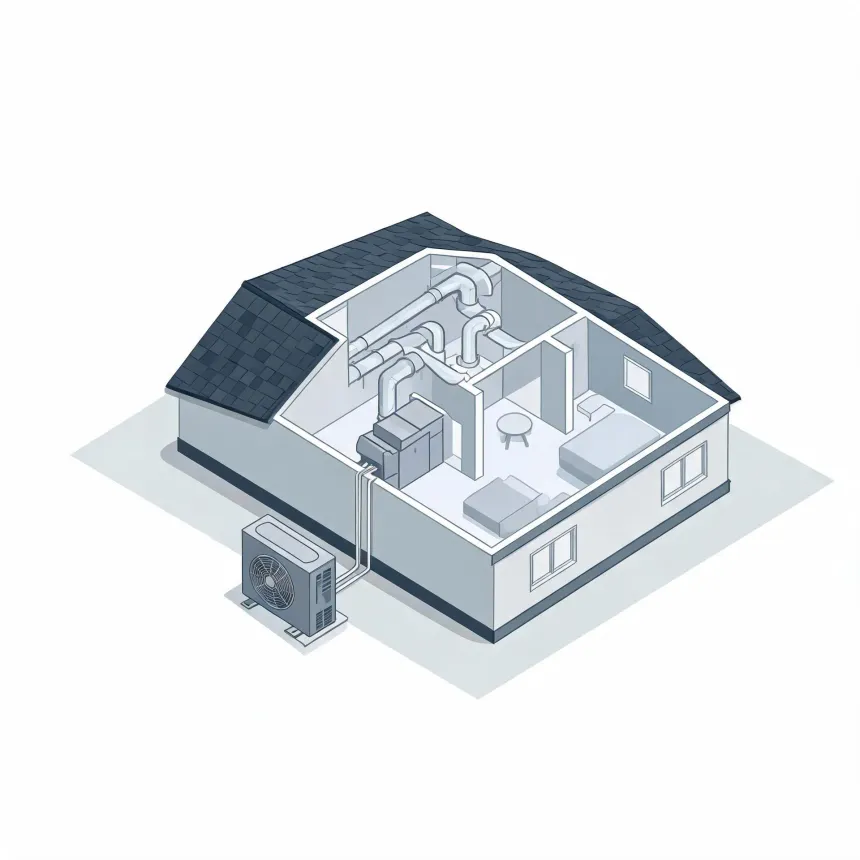
Isometric cutaway illustration of a single-story house showing interior rooms with furniture, an attic duct system connected to an indoor air handler, and an outdoor condenser unit linked by lines along the exterior wall.

Winter storms have hit Chaffee County 160 times between 2015 and 2024.

A heat pump here still breaks for the same handful of reasons it would anywhere else.

At 14.92 cents a kWh, a heat pump that's actually malfunctioning costs you every day you wait

Power costs 14.92 cents a kWh statewide
72 damaging wind events from 2015 to 2024
160 winter storms from 2015 to 2024

Half the homes in Chaffee County were built in 1993 or later. That puts a lot of the heat pumps here well inside their working life. If yours came with a newer house, age probably isn't what's wrong. A system that young has no business failing outright. When something like that stops heating right, it's almost always a part worth fixing, not a system worth replacing.

A heat pump working this hard shouldn't stay broken long

At 14.92 cents a kWh, a heat pump stuck running nonstop or blowing cool air is adding to your bill every day it goes unfixed. Get the real cause found and corrected now instead of paying for a system that isn't heating right.

Find a contractor
A man in a dark cap, gray long-sleeve shirt and brown work pants climbs porch steps toward a navy front door, carrying a canvas tool tote with tools in its pockets, beside a potted evergreen shrub in a blue planter.
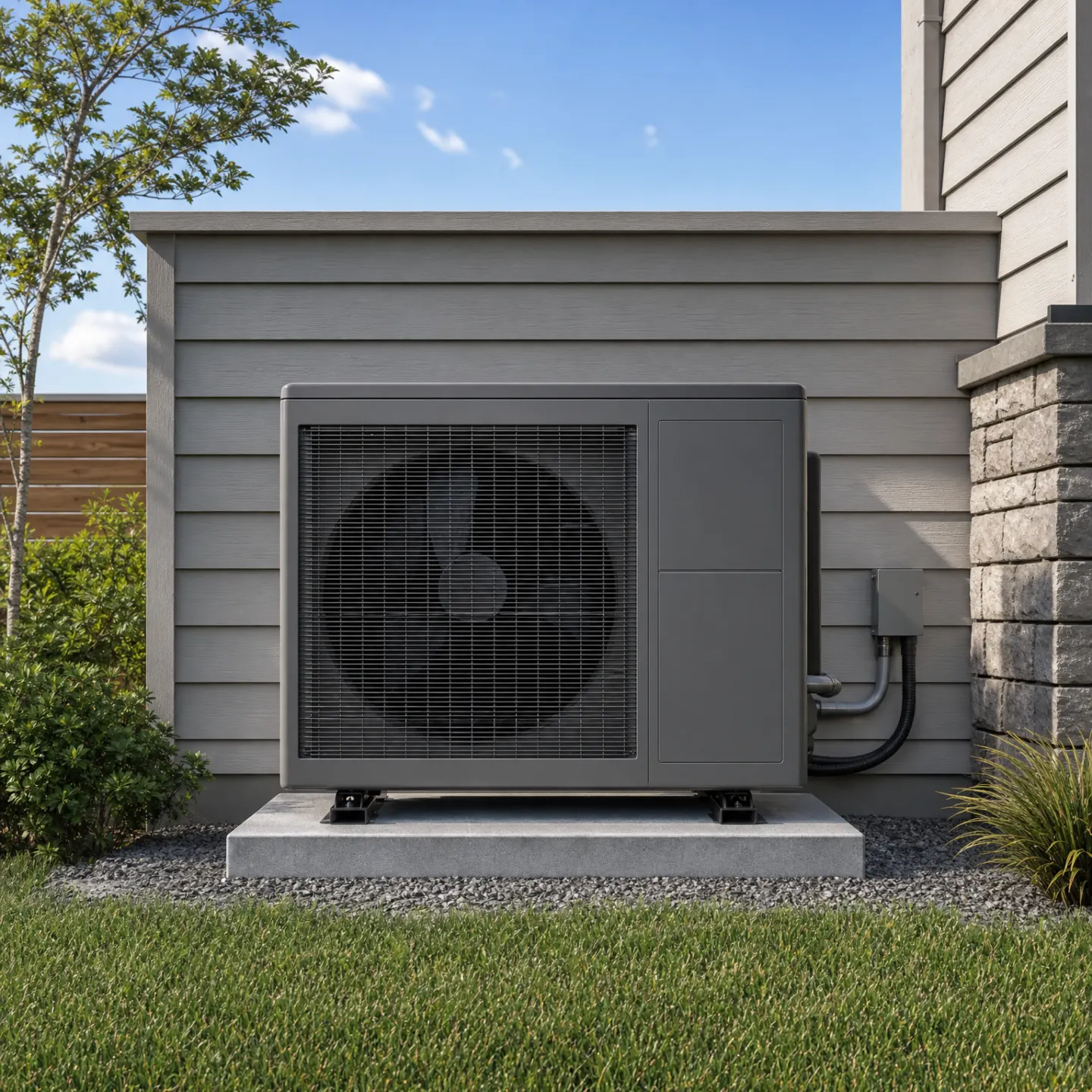
A gray heat pump outdoor unit mounted on a concrete pad next to a residential house with lap siding and stone accents.

Fix it and keep running

That newer system has years left in it once the broken part gets fixed. Repair brings it back to where it was before. It doesn't erase the years already on it, but it doesn't add any either. Get the part replaced and run it like you were before this started.

What you can check yourself

Look at the outdoor unit first. If the coil is caked in ice or buried in snow, that alone can stop a heat pump from heating right. Check that nothing is blocking airflow around it, no branches, no drifted snow against the cabinet. Inside, check your filter. A clogged filter starves the system of airflow and can make it run constantly without catching up. Check the thermostat is set to heat, not auto, and that the setpoint is actually above room temperature. Breaker panel is worth a look too. A tripped breaker will shut the whole system down with no warning on the thermostat.

What to leave alone

Don't take panels off the outdoor unit or touch anything inside the cabinet. Refrigerant lines, the defrost board, and the contactor are not safe to handle without the right gauges and training. If you see ice built up and it hasn't cleared on its own after a defrost cycle, that points to a failing defrost control, not something to chip away at by hand. Clearing debris and swapping a filter is fair game. Anything past that is a job for someone who works on these for a living.

A heat pump fails the same few ways most of the time. The reversing valve sticks and the system gets stuck in one mode, heating when you want cool or the other way around. The defrost control misreads the coil and either skips a cycle it needed or runs one it didn't, and ice builds up either way. A contactor wears down from cycling on and off thousands of times until it stops pulling in reliably, and the outdoor unit just doesn't start. Refrigerant doesn't get used up, so if the charge is low, something is leaking, and that's a slow loss of heat over weeks, not a sudden one. A capacitor weakens and the compressor or fan motor struggles to start, sometimes humming instead of running. None of this is about one unit versus another. It's what happens to any heat pump after enough cycles.

Repair versus replacement comes down to what actually failed, not how old the system looks. A reversing valve, a contactor, a defrost control, a capacitor, these are all parts a contractor can replace on their own without touching anything else in the system. Fixing one of them brings the unit back to how it ran before, nothing more and nothing less. The compressor is the one part that changes the math. It's the most expensive thing in the cabinet, and if it's failing, a contractor will tell you straight that putting money into it rarely makes sense next to putting that money toward a new system instead. Short of that, there's no reason a working cabinet and working compressor should get replaced over a bad part. Ask what actually broke before you ask what it costs to replace the whole thing.