




Illuminated timber-and-stone luxury homes photographed at twilight with snow-capped mountains visible in the background.

Heat Pump Repair in Craig, CO

Tell us about the job

Takes about a minute. No obligation.

Step 1 of 3: Equipment

Craig winters run cold, with overnight lows averaging 13°F through December, January and February, and that's the stretch when a heat pump earns its keep or shows its weak point. Most calls out here aren't storm damage. Snow and wind are part of life in Moffat County, but a heat pump that's losing the fight on a cold night is usually dealing with a low refrigerant charge, a failing defrost control, or a reversing valve that's stuck rather than anything the weather did to it. Ice building up on the outdoor unit and not clearing on its own points to that defrost cycle, not to the cold itself. Worth having someone check the actual part before assuming the system is beat.

9 months
September through May, your system heats
1 months
July through July, it cools
13°F
the average winter night it heats against
81°F
the average summer afternoon it cools against
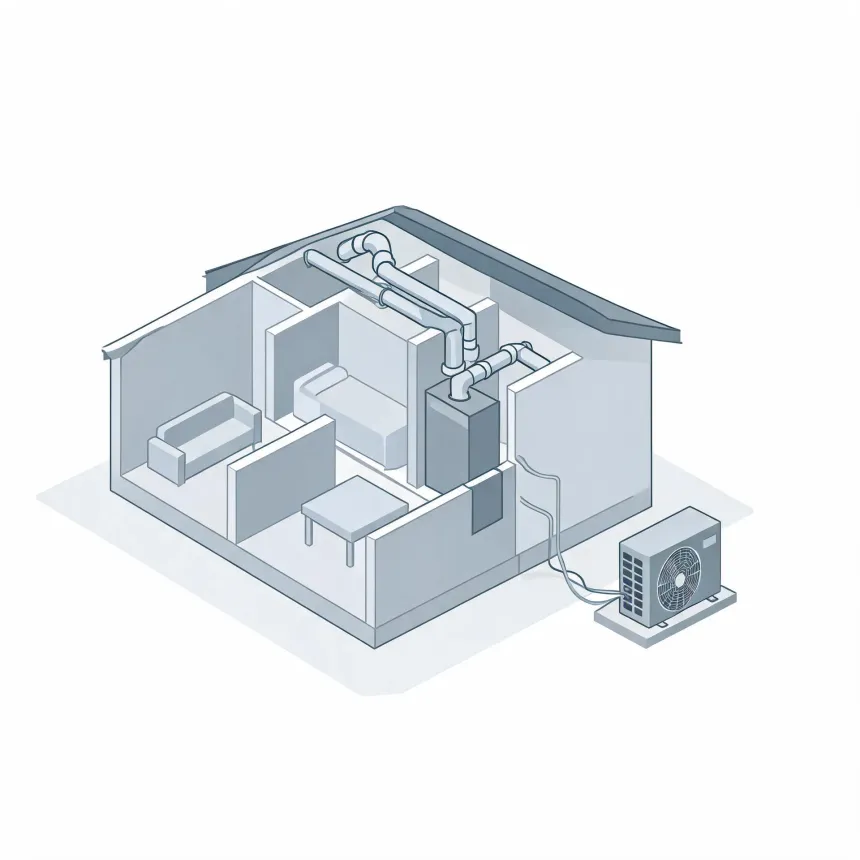
Isometric line illustration of a cutaway house showing interior rooms with furniture, ceiling ductwork connected to an indoor air handler, and a line running outside to an outdoor condenser unit.
Your system heats September through May and cools July through July.

NOAA nClimDiv, 1991–2020 normals

Heat here starts running in September, right after August.

August is when a weak defrost control or a low charge gets found, before the first cold night makes it a no-heat call.

At 14.92 cents a kilowatt-hour, a heat pump working harder than it should costs you every month it runs

Power costs 14.92 cents a kWh statewide
82 damaging wind events from 2015 to 2024
191 winter storms from 2015 to 2024

Fix what's making your heat pump work harder than it should

A heat pump low on charge or stuck in defrost runs longer to put out the same heat, and at 14.92 cents a kilowatt-hour that shows up on the bill every month it runs that way. Getting the part diagnosed now stops the overpaying, not just the cold spots.

Find a contractor
A man in a cap, dusty dark shirt and work pants walks up stone steps toward a dark navy front door, carrying a worn canvas tool bag, with a potted shrub beside the entry.
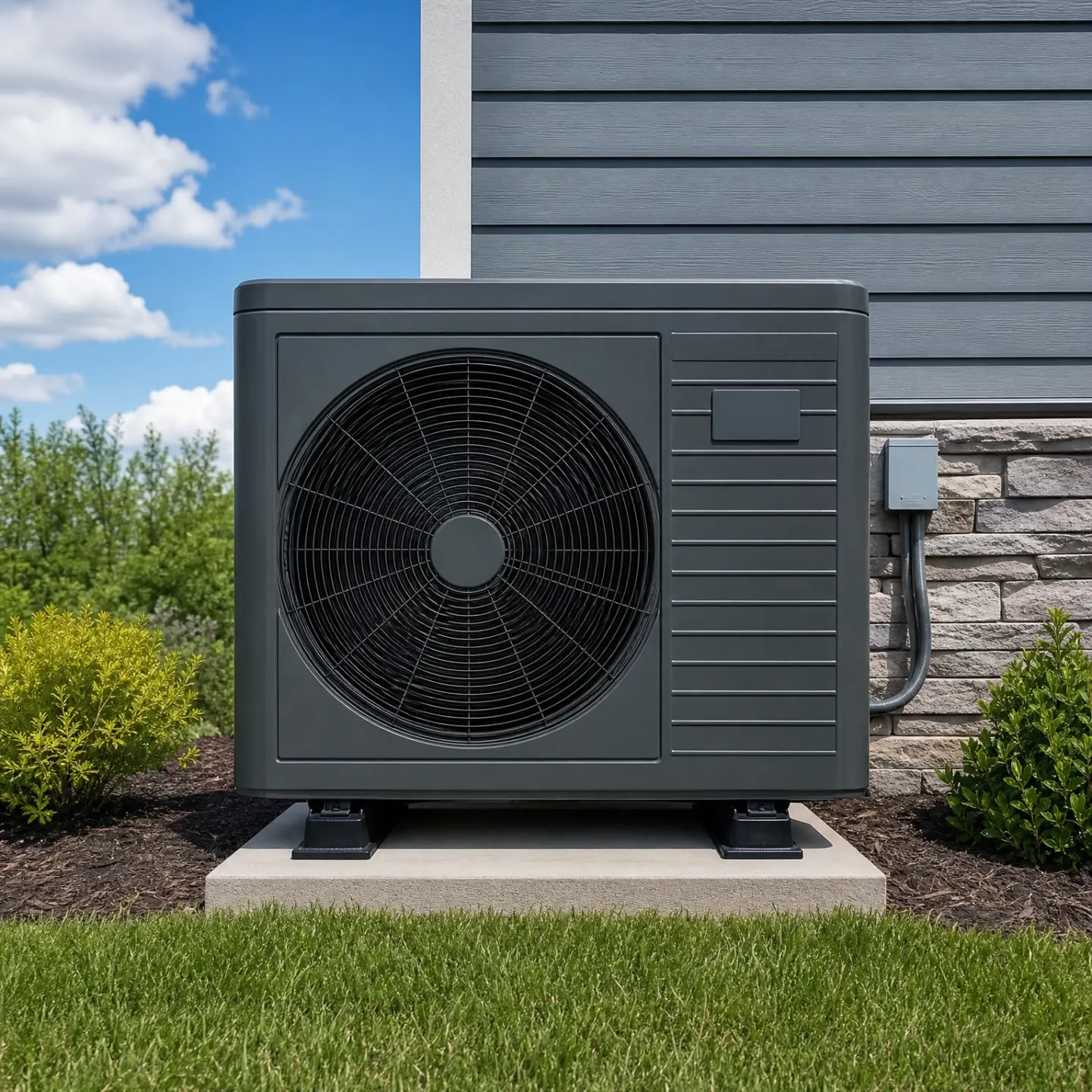
A dark gray heat pump unit mounted on a concrete pad next to a house with gray siding and a stone veneer wall.

More hours than a furnace ever sees

A heat pump runs most months of the year, doing the job of both heating and cooling the same house. That means its compressor, its reversing valve and its defrost control all see steady use, not just a few weeks of hard work and the rest of the year off. None of that is a problem by itself. It's what the system is built for. But a part that's already starting to go doesn't get a break just because the system keeps running. A reversing valve that sticks once will stick more often the more times it gets asked to switch. A defrost control that's drifting off schedule will drift further with every cycle. On an older system, the question isn't only whether this one part can be fixed. It's whether it's the first of a few that are wearing out around the same time, and whether fixing it now just buys a short stretch before the next call.

A small fault turns into a bigger repair

A compressor low on refrigerant runs hotter than it should and keeps running that way call after call, because the system has no way to know it's low. The extra heat breaks down the oil that lubricates the compressor, and once that happens the wear speeds up. A reversing valve that's sticking works the same way. Each cycle it fails to complete fully scores the valve a little more, and a part that stuck once a week starts sticking every time.

Waiting changes what gets fixed

A refrigerant leak or a sticking valve caught early is usually one part swapped, and the heat pump runs the way it's supposed to again. Left alone, either fault can take the compressor down with it, and a compressor failure is a different repair than a valve or a control board. The heat pump doesn't pause and wait for a good time to be looked at. It keeps cycling on the bad part until someone pulls it.

Before calling anyone, go outside and look at the outdoor unit. Some frost on the coil during a defrost cycle is normal, and it should clear within a few minutes as the unit steams off. A thick layer of ice that's been there a while, or a coil that's solid white and staying that way, is worth noting. Inside, check your thermostat is calling for heat and set where you want it, and check the air filter. A filter clogged with dust chokes off airflow and can make a heat pump run long and still fall short. Walk the vents and feel whether air is moving from each one. If the outdoor fan isn't spinning at all, or you hear a hard clicking without it starting, that's worth mentioning when you call rather than trying to fix yourself. None of this tells you which part has failed, but it tells the tech what the system was doing before they arrive, and that's a head start on the diagnosis.

A diagnostic call starts at the thermostat and the outdoor unit, not with guesswork. The tech checks supply air temperature, refrigerant pressures on both the high and low side, and the amp draw on the compressor. Gauges on the lines show whether the charge is right, since a low charge pulls both pressures off, not just one. They'll trigger the defrost cycle by hand instead of waiting for the system to do it, because that shows right away whether the control is reading coil temperature or just running on a timer. If the reversing valve is suspect, they'll listen to it shift and check the temperature on each line afterward. A valve that isn't sealing lets refrigerant bypass, and the temperature split comes out smaller than it should. None of this is guesswork once the gauges are on. It's reading what the numbers say about this unit, on this day.