Furnace Repair in Colorado
Homes in Colorado are newer than in 40 of the other 49 states.
Tell us about the job
Takes about a minute. No obligation.
- 17°Fwinter overnight low where people live
- 9 monthsof heat, September through May
- $10.09 per million Btuwhat homes paid for natural gas in 2024 (Btu means British thermal units, a measure of heat)
- 2,634winter storms from 2015 to 2024
Nine months of heat wears furnaces down. Cold nights here push them hardest.
- Heat needed most in Lake County, least in Baca County
- Winter nights average 17°F where people live
- Heat runs September through May
- 2,634 winter storms from 2015 to 2024
- Climate zones 4B, 5B, 6B and 7 across the state
- 13% of homes lost power a day or more in 2024

- A technician traces the no-heat or short-cycling complaint back to the actual part behind it, not just a reset that wears off in a week
- A cracked igniter or a fouled flame sensor gets replaced, so the furnace lights and stays lit instead of trying and giving up
- A blower motor that's grinding or seized gets diagnosed before it takes the heat exchanger down with it
- Airflow gets checked along with the repair, since a choked filter is often why the failing part failed in the first place
- The furnace gets left running the way it's supposed to, not just quiet until the next cold night finds the same weak spot
Lake County asks almost twice as much of a furnace over a year as Baca County does, which has the lowest heating need in the state. A furnace running that much more gets fewer breaks to cool down between cycles, and the igniter and blower motor rack up hours faster. If your system came with the house, it has likely never had it easy.
Baca County sits at the other end of that range, with the lowest heating need in Colorado. A furnace there still has to deal with cold nights, just fewer of them stacked back to back. Where your home falls on that range is worth knowing before you guess at what's wrong, since a furnace worked hard for years wears differently than one that mostly sat idle.
The first cold night finds what summer couldn't
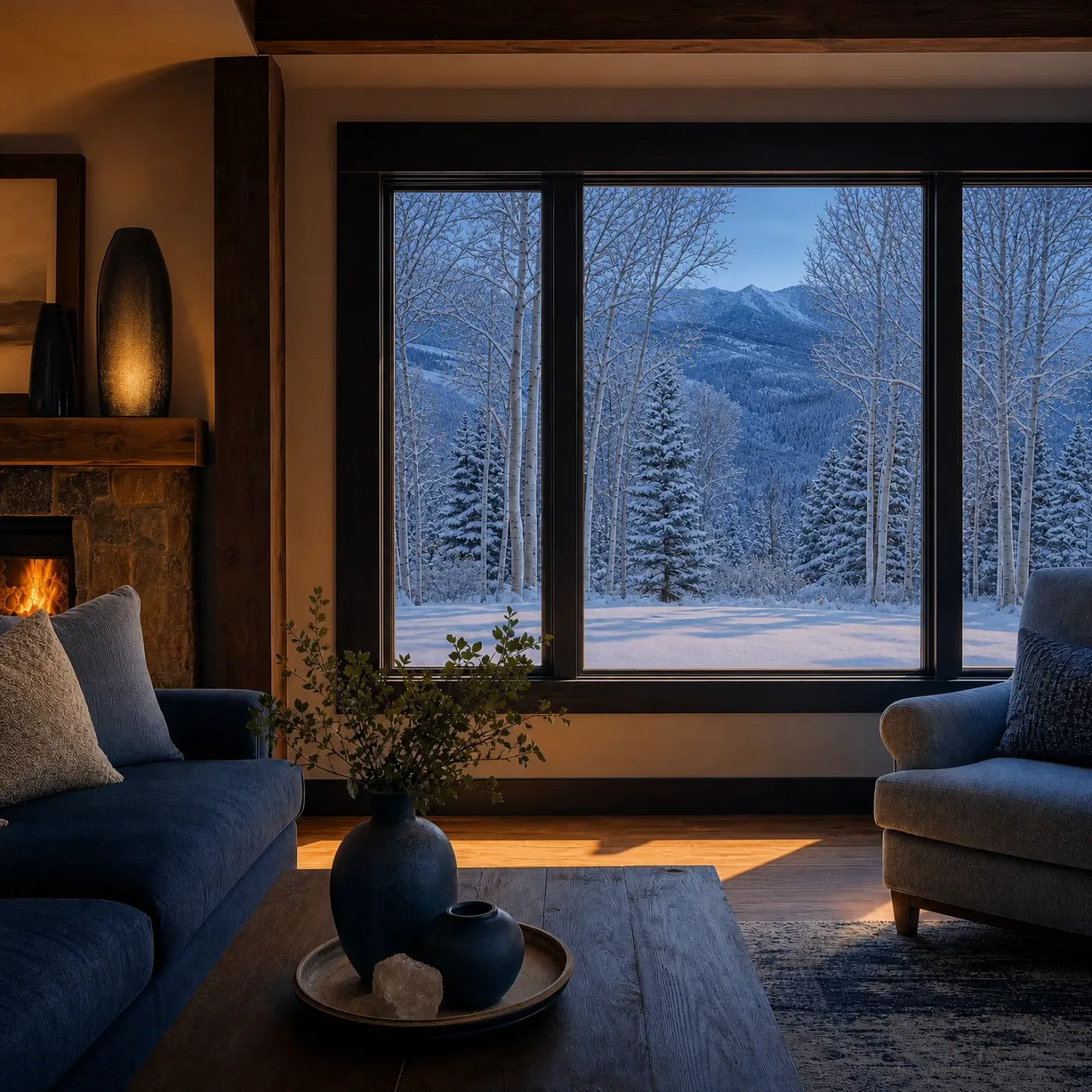
Furnaces here start up in September and run through May, nine months straight. August is the month to get one looked at, before the first cold night asks something of parts that sat idle all summer. A cracked igniter, a blower motor with a bad bearing, a weak flame sensor, none of it shows while the system is off. It shows the first night the thermostat calls for heat and keeps calling. That first week of the season is when a weak part gets found out.
1 month of cooling, in July
9 months of heat, September through May
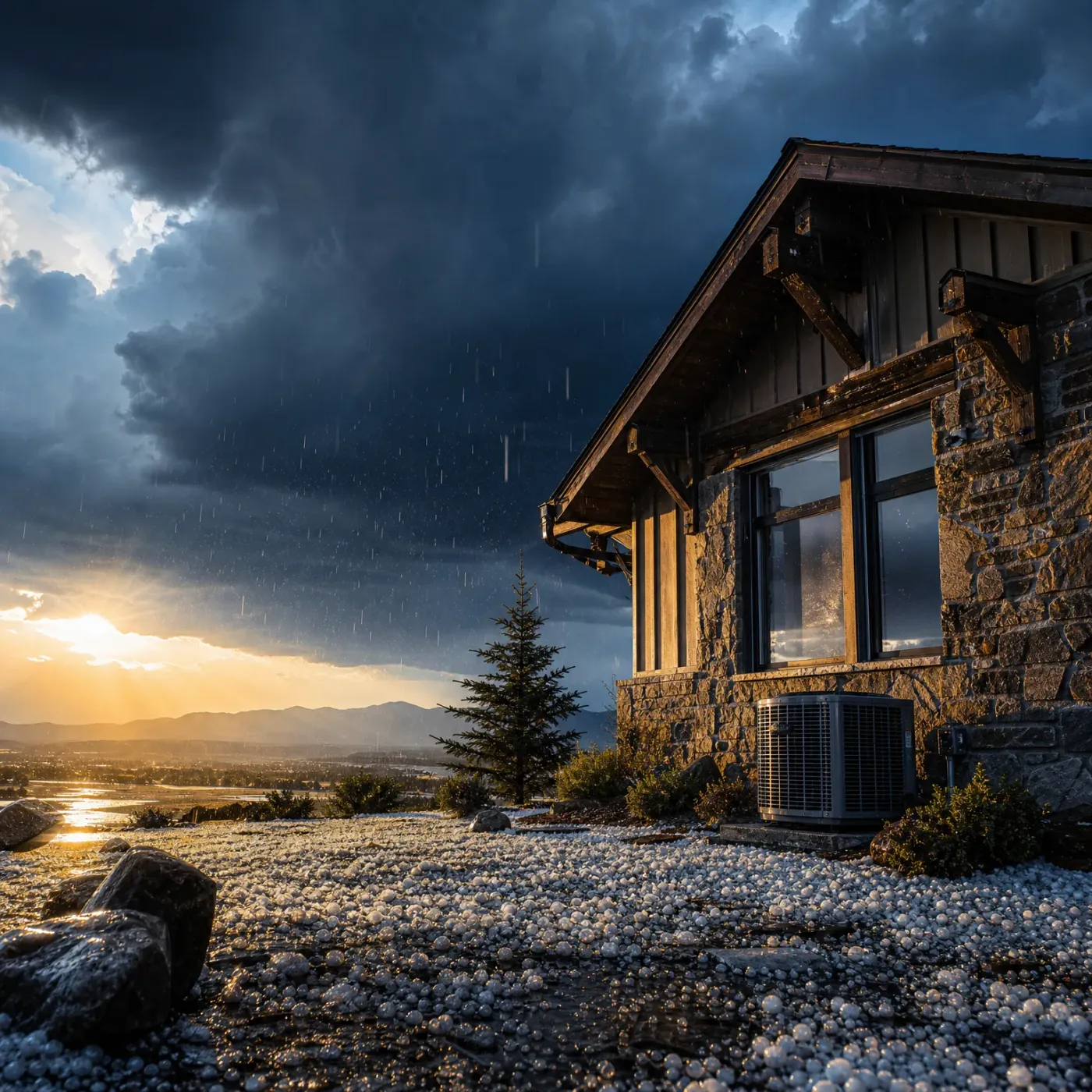
Severe weather hits Colorado more than almost anywhere in the country. The state recorded 10,880 severe weather events between 2015 and 2024, more than 47 of the other 49 states. El Paso County carries the heaviest storm record in Colorado, with 1,277 of those events.
Hail is a big part of that count. Colorado saw 4,421 hail events over that span, more than every other state with a figure, and one hailstone measured 5.25 inches across. An outdoor condenser unit takes that impact directly. A furnace itself sits inside and rides out a hailstorm fine, but if the outdoor unit took a beating, the furnace side of the system isn't the thing to check.
Wind does its own damage. Damaging wind hit Colorado 3,347 times between 2015 and 2024, and the strongest gust measured in that span reached 129 mph. Wind like that moves debris into an outdoor unit and can rack a cabinet hard enough to loosen connections nobody sees from the ground.
Colorado also had 445 tornadoes touch down between 2015 and 2024, one of them rated EF3. Lightning is rarer here. The state recorded 33 damaging lightning events over the same ten years, but a direct strike near the house can still reach a control board through the wiring.
Winter storms matter most for a furnace specifically. Heavy snow, ice and blizzards affected Colorado 2,634 times between 2015 and 2024, and that's exactly the weather that pushes a furnace to run nonstop for days. A system already worn thin from age has less room to handle that kind of demand.
Power loss is the other side of it. 13% of Colorado households went at least 24 hours without power in 2024. A gas furnace still needs electricity to run the igniter and blower, so an outage shuts it down no matter how much gas is behind it. When power comes back, most furnaces restart on their own, but it's worth confirming the thermostat and igniter are both doing their job again.
None of this means a particular home took damage. It means an outdoor unit that sat through a hailstorm or a bad windstorm is worth having looked at, even if the furnace still fires up and runs.
What does a furnace in Colorado face?
How cold do winter nights get?
17°Faverage overnight low where people live
North Dakota4°F
Hawaii65°F
How many months does the heat run?
9 monthsof heating a year
Hawaii0 months
Alaska12 months
What does natural gas cost?
$10.09per million Btu, what homes paid in 2024
Montana$7.77
Hawaii$53.25
How often do storms hit?
455severe weather events per county from 2015 to 2024
Alaska5
Wyoming1,057
How many homes lost power for a day or more?
13%of homes in 2024
Arizona7%
Maine54%
Same fuel, same furnace, same usual fix
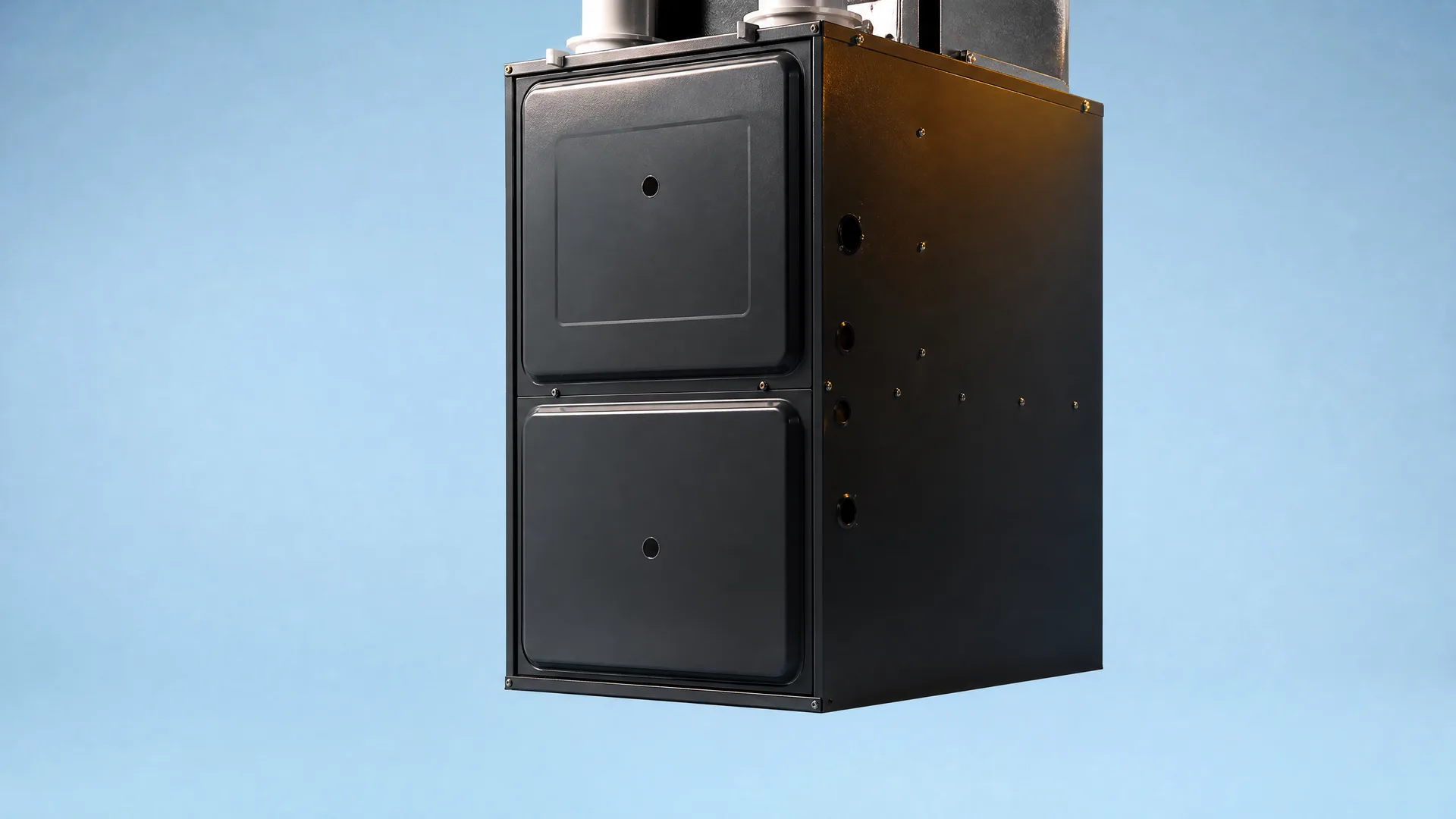
Gas is what most furnaces here burn, and Colorado homes paid $10.09 per million Btu for it in 2024. That cost doesn't change what a repair involves. A furnace that won't light, short cycles, or blows cold air has the same handful of likely causes everywhere in the state. A failed igniter. A dirty flame sensor. A clogged filter choking airflow. A blower motor on its way out. Nothing about running on gas here makes the diagnosis different. It just means the part that's failing has been burning gas every time it tried to do its job.
What usually goes wrong
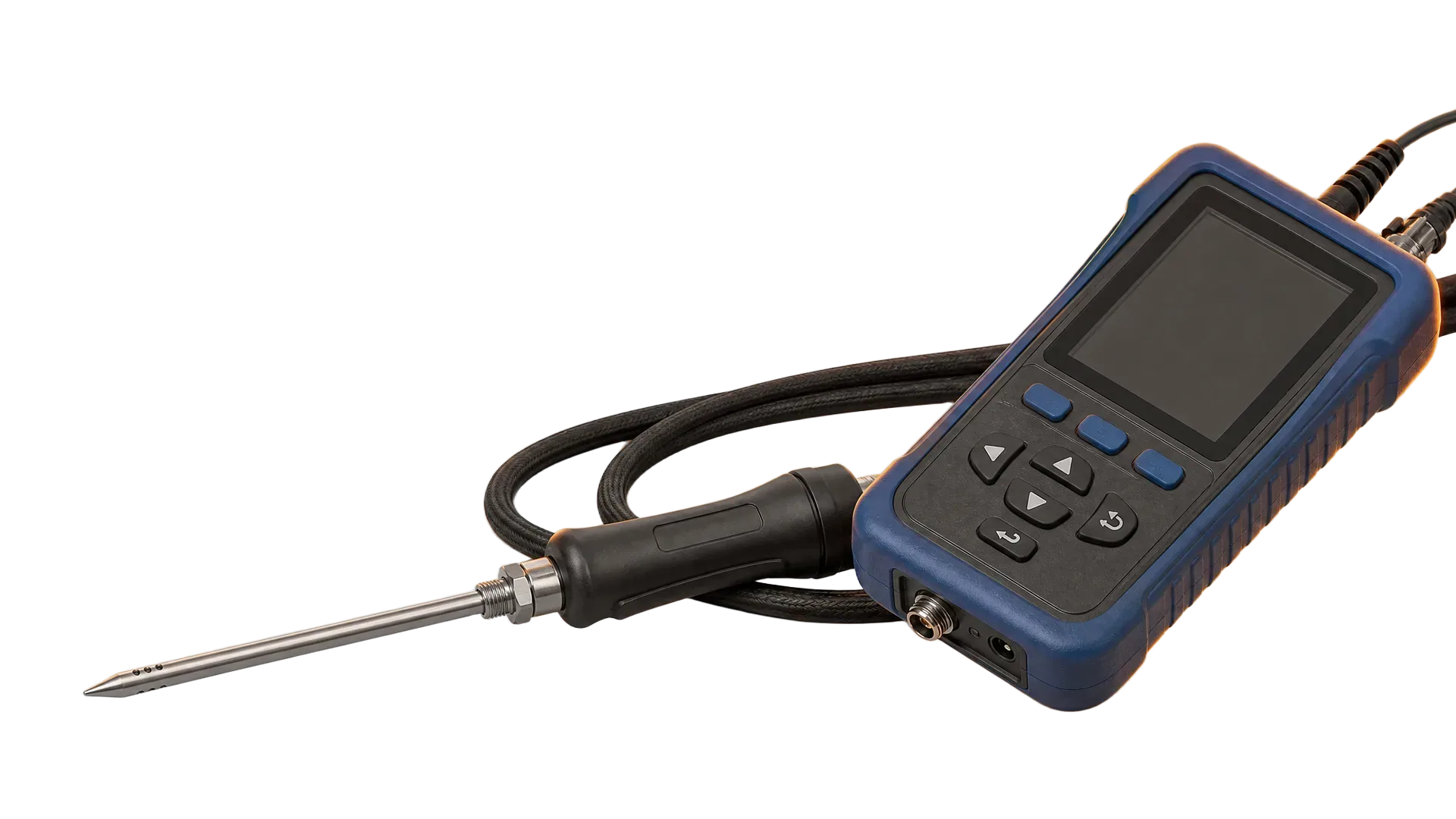
Most furnace failures trace back to a handful of parts. The igniter usually goes first. It's a thin strip that heats up to light the burners, and it's the most fragile thing in the cabinet. Enough cycles on and off and it cracks. A furnace that won't light at all, no flame, no warmth, often means the igniter gave out. The flame sensor goes next. It's a small rod that proves to the control board a flame is actually burning. Coated with residue, it can't do that job, and the board cuts the gas a few seconds after ignition. That looks like a furnace that starts, runs briefly, then quits. The blower motor fails on its own schedule. Bearings wear down over years of spinning, and a dying one gets loud or just stops turning. Without it you get heat with no air behind it, or a furnace that shuts itself off because it's overheating with nowhere for that heat to go. Behind a lot of this is airflow. A clogged filter forces the blower to work harder and lets the heat exchanger run hotter than it should. Keep the filter clean and the rest of the furnace has an easier time of it.
A newer system usually means repair makes sense
Half the homes in Colorado were built in 1988 or later, and homes here are newer than in most states. A furnace that came with a newer house is less likely to be the original unit worn out at the end of its life. More likely it's one part failing, and that's a repair, not a reason to replace the whole system. Most homes here are single-family houses, not mobile homes, and the same logic holds for either.
Nine months of winter heat and nights near 17°F wear a furnace down fast here.
Tell us about the job
Takes about a minute. No obligation.
Fill out the form and a licensed Colorado contractor looks at what's actually failing.