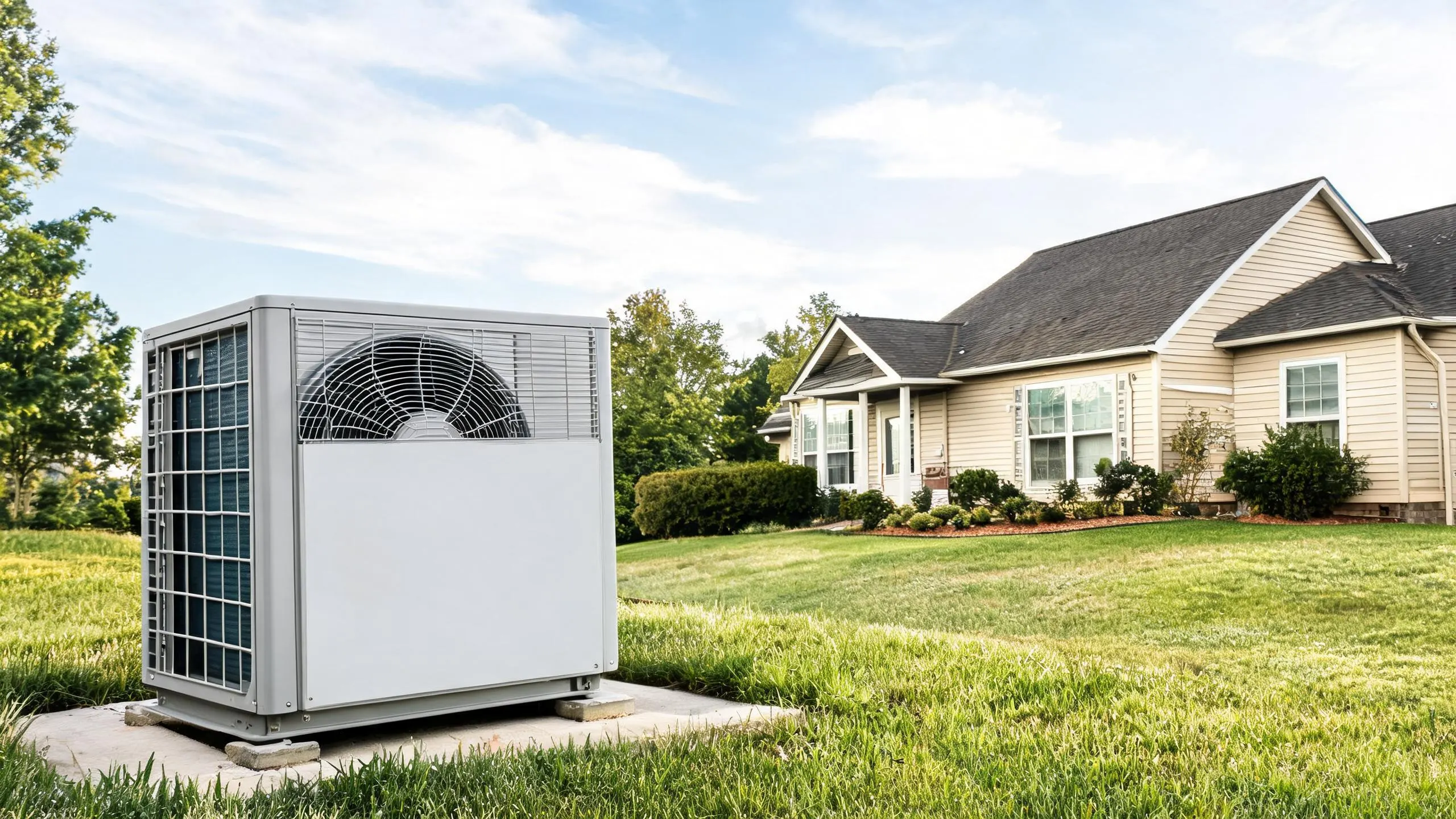
An outdoor heat pump unit mounted on a concrete pad in front of a single-story suburban house with beige siding.

Heat Pump Repair in Woodland Park, CO

Tell us about the job

Takes about a minute. No obligation.

Step 1 of 3: Equipment

July is the month to get ahead of it

Heat pumps in Teller County start running in August and keep going through June. A unit with a weak part usually makes it through the easy months and fails once it has to work for real. If yours is already acting up in July, that is the warning before the season starts.

Early failure points to one thing

Eleven months of runtime a year means very little rest for the compressor, the reversing valve or the defrost board. When one of these is already worn, the first real cold snap is what finds it. A proper diagnosis catches which part gave out before it takes the rest of the system with it.

11 months
August through June, your system heats
10°F
the average winter night it heats against
73°F
the average summer afternoon it cools against
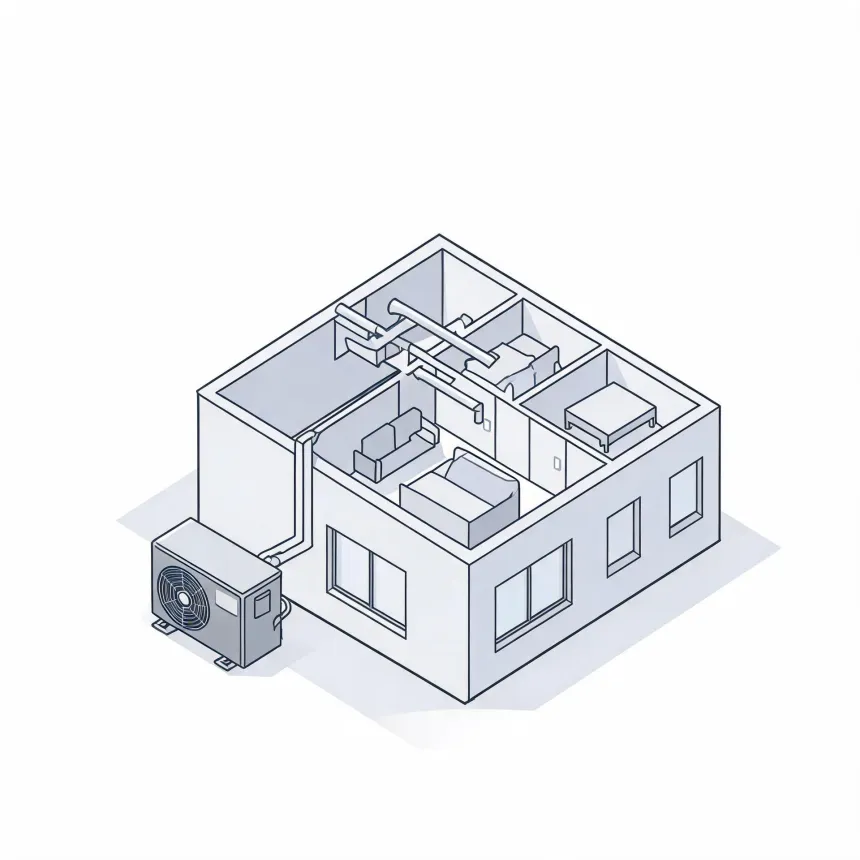
Isometric line illustration of a cutaway single-story house showing interior rooms with furniture and ceiling ductwork, connected to an outdoor condenser unit on the ground outside the left wall.

Winter here gets down to 10 degrees on an average night, nothing extreme for a heat pump built to handle cold climates.

A heat pump struggling at 10 degrees usually has a specific part failing, not a design that can't keep up.

Teller County sees its share of storms, but that's not why your heat pump is struggling

249 severe weather events from 2015 to 2024
13% of homes statewide lost power a day or more in 2024
99 damaging wind events from 2015 to 2024
Most homes here are young enough that repair makes senseHalf the homes in Teller County were built in 1990 or later.

Colorado homes paid 14.92 cents per kilowatthour in 2024, among the higher rates in the country. A heat pump running on a weak part doesn't just struggle to keep up, it pulls more power trying to. That difference shows up on the electric bill every month the problem sits there. At that rate, a system working harder than it should costs real money while it waits to get looked at.

Fix the part before it costs you another month

A heat pump pulling extra power to make up for a bad part doesn't fix itself. The longer it runs that way, the more it costs you at 14.92 cents a kilowatthour. Get the actual part diagnosed and replaced.

Find a contractor
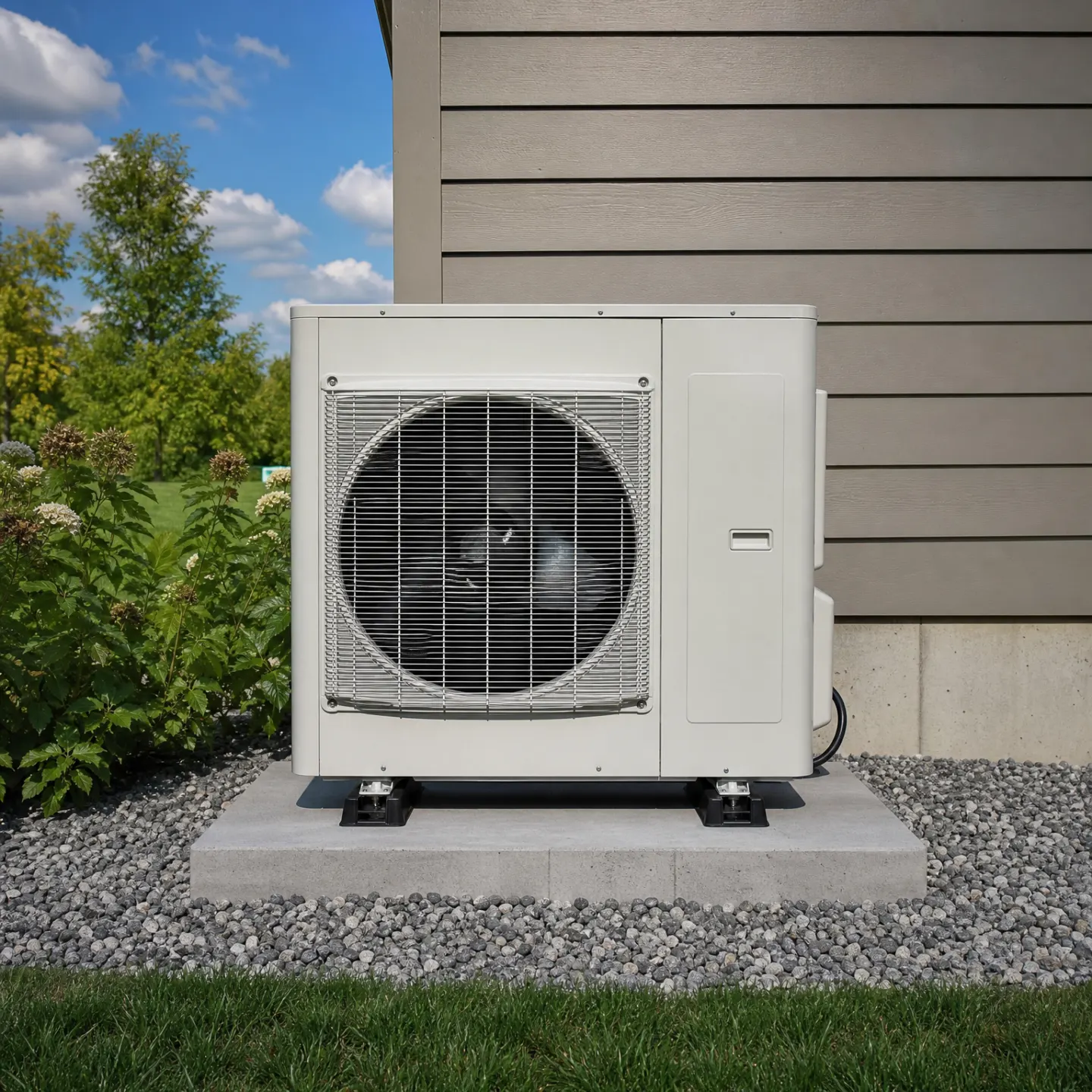
A white mini-split heat pump outdoor unit mounted on a concrete pad beside a gray-sided house, surrounded by gravel and green shrubs.

A system this age is worth repairing

If your heat pump came with the house, it's likely still within its working life. That makes this a repair, not a replacement. Get the failing part identified and swapped out, and the system keeps going.

A weak part makes the rest work around it

When one part of a heat pump is failing, the system does not just do less. The defrost board, the reversing valve and the compressor all lean on each other, and a unit running on a bad capacitor or a stuck valve makes the other parts take on strain they were not built to carry alone.

Some failures only go one way

A compressor low on refrigerant keeps running hot until it trips out or burns through a winding. A reversing valve that is partly stuck wears itself out trying to shift. Waiting does not give these parts a chance to recover. It just uses up what they had left.

Before anyone comes out, there are a few things worth looking at yourself. Check the outdoor unit first. If it's buried in snow or iced over heavier than a thin frost layer, that's worth noting, though don't go chipping at the coil to clear it. Look at the air filter. A clogged one starves the system of airflow and can cause problems that look like a failing part but aren't. Check the thermostat is actually calling for heat, and that batteries aren't dead if it uses them. Walk around to each vent and feel whether air is moving at all or just barely. If the outdoor unit isn't running at all, check the breaker before assuming the worst. None of this tells you which part is bad, but it tells the tech what they're walking into, and it rules out the few problems that aren't actually repairs.

A heat pump does not fail all at once. Most of the time it is one part giving out while everything else still runs, and that is what makes the repair-or-replace question simpler than it sounds. If the compressor itself has failed, that is the expensive part to replace and it changes the math. If it is a capacitor, a contactor, a defrost sensor or a reversing valve, that is a contained repair, and the rest of the system goes back to running the way it was built to. The age of the unit matters less than which part is actually bad. A heat pump that has been kept up with repairs as they come, rather than run through failures, tends to keep earning its place on the side of the house.