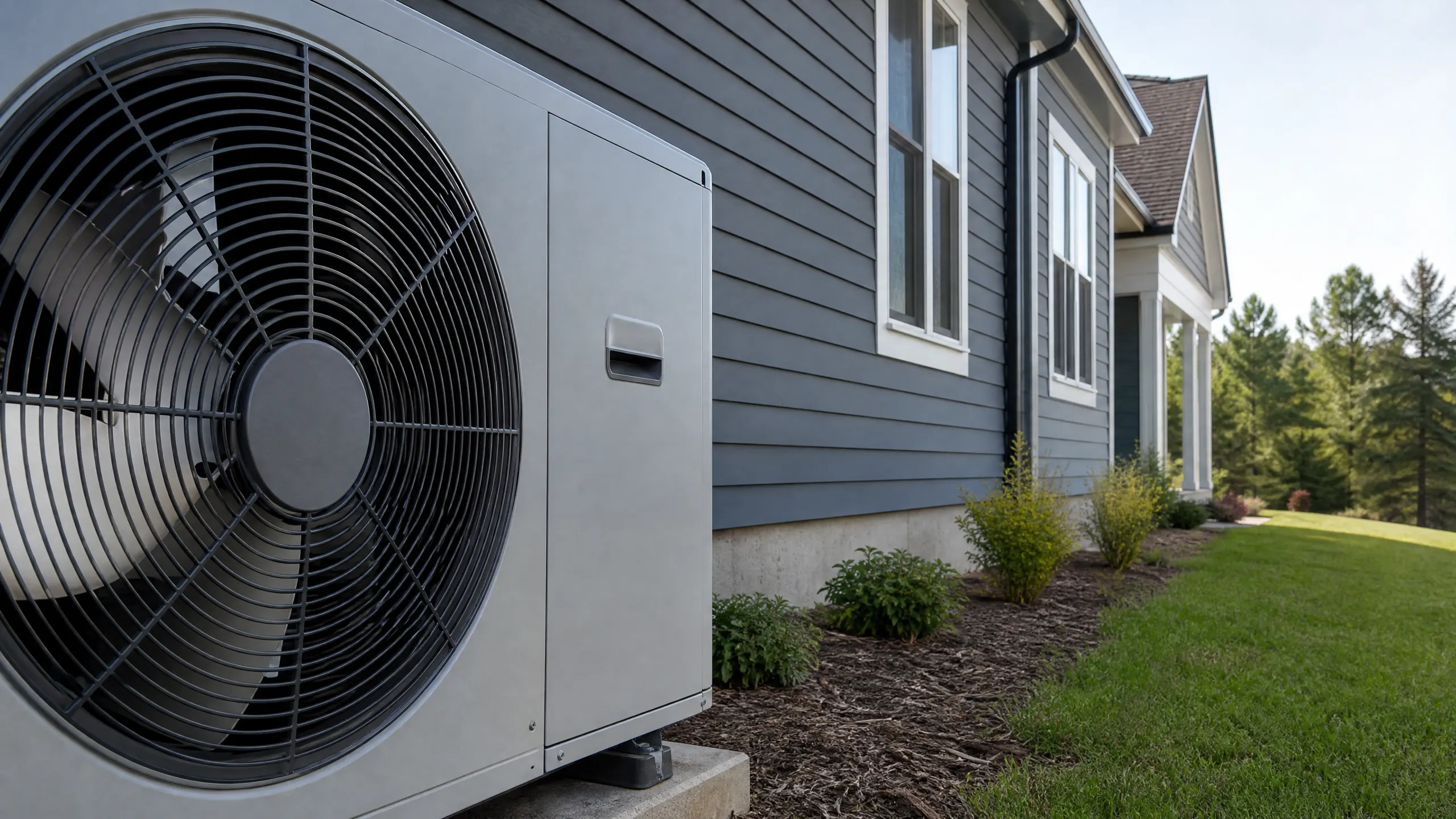




A heat pump outdoor unit mounted on a concrete pad next to the gray-sided exterior wall of a residential house.

Heat Pump Repair in Durango, CO

Tell us about the job

Takes about a minute. No obligation.

Step 1 of 3: Equipment

August is a good time to get a heat pump looked at here. Heat comes on in September and runs through June, ten months of the year, and whatever is wrong with the system now will show up fast once it has to carry that load. A capacitor or a contactor that's been struggling quietly in the shoulder months tends to fail outright in the first real cold snap. With overnight lows averaging 16°F through December, January and February, a system that's already weak doesn't have much room to limp along. Getting it checked before the load hits means catching the problem on your schedule instead of on a 16-degree night.

10 months
September through June, your system heats
16°F
the average winter night it heats against
79°F
the average summer afternoon it cools against
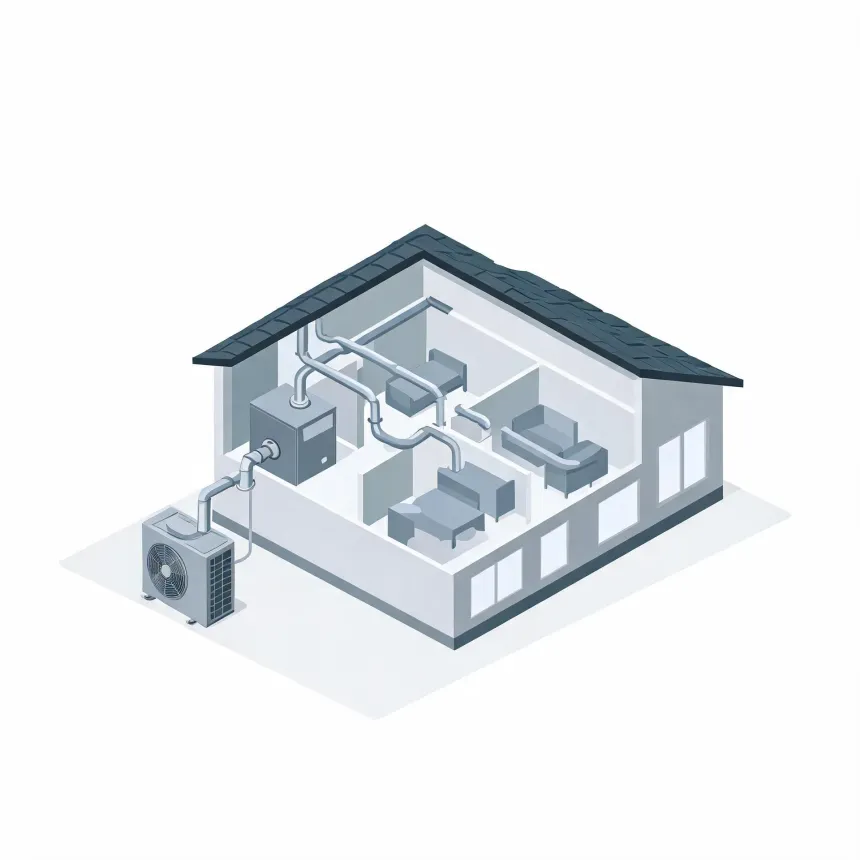
Isometric cutaway illustration of a single-story house showing an indoor air handler, branching ductwork through rooms with furniture, and an outdoor condenser unit connected by a line outside the wall.

La Plata County gets hit with winter storms and the odd stretch of damaging wind, but none of that singles out your heat pump for extra wear.

When a heat pump here breaks down, it's almost always the same handful of parts that go first, not something the weather did to it.

Electricity here costs more, so a struggling heat pump costs you every month

Power here costs 17.98 cents per kilowatt-hour
30 damaging wind events from 2015 to 2024
8 hail events from 2015 to 2024

Before calling anyone, look at the outdoor unit. If it's caked in ice outside of a normal defrost cycle, or the fan isn't spinning while the unit is clearly trying to run, that's worth noting down. Check your thermostat is set to heat and the temperature is actually set above room temperature, since a setting bumped by accident is more common than people think. Walk around the house and check that return vents and supply registers are open and not blocked by furniture or rugs. Check your circuit breaker panel for a tripped breaker tied to the heat pump or air handler. Replace the air filter if it's been more than a few months, since a clogged filter chokes airflow and can make a healthy system act like a broken one. If the system runs constantly but the air coming out doesn't feel warm, or it short cycles on and off every few minutes, that's useful to tell the technician before they arrive.

A newer system is usually worth repairing

Half the homes in La Plata County were built in 1993 or later. If that's your house, the heat pump likely came with it, or isn't old enough to have racked up the wear that ends a system's life. A repair call for a newer unit usually turns up a single failed part, not a machine on its way out.

Find a contractor
A man in a cap, gray work shirt and dark pants, seen from behind, carries a worn canvas tool bag up porch steps toward a dark navy front door beside a potted shrub.
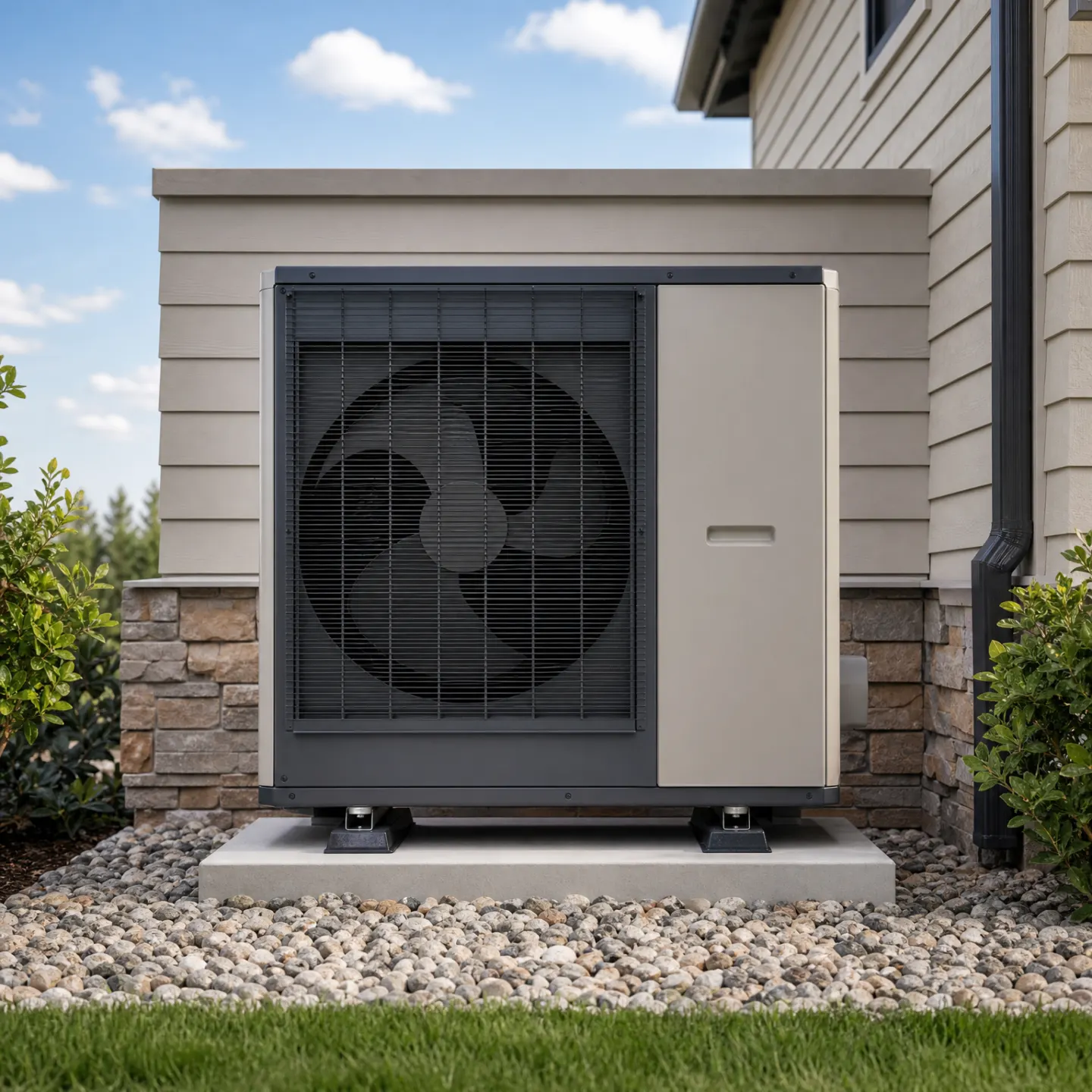
A gray heat pump outdoor unit mounted on a concrete pad next to the stone-accented exterior wall of a house.

A newer system changes what the repair call looks like

If your house dates to the newer half of the county, the heat pump has probably logged fewer hours than you'd think watching it run day into night. That matters for the repair call: a technician can focus on finding the one part that failed instead of weighing whether the whole unit is worth saving. Mention the age of the house, or the system if you know it, when you book the appointment.

A small problem can turn into a bigger one

A heat pump that's low on refrigerant will keep running, but the compressor ends up working outside the conditions it's built for. Run it long enough in that state and the compressor itself can fail, which turns a refrigerant leak into a full compressor replacement. The same goes for a failing run capacitor. It can still kick the compressor and fan on for weeks, drawing more current than it should, until the motor it's supporting burns out from the strain.
Shutting it off can be the right call

If the outdoor coil is iced over and the system isn't cycling out of defrost on its own, or you can hear the compressor straining or clicking as it tries to start, turning the system off until a technician looks at it is reasonable. Running a system that can't complete a basic cycle doesn't give the house any more heat. It just adds wear to a part that's already failing, and sometimes decides whether that part gets replaced or the whole unit does.

Most heat pump problems announce themselves before the system quits outright. Warm air blowing cooler than it used to, even though the thermostat hasn't changed, often means the system is losing ground on a part that's wearing down rather than failing all at once. A heat pump that won't switch out of defrost mode, or seems to run defrost too often, is usually telling you something about the reversing valve or a sensor that controls it. Listen for anything new: a hum that wasn't there before, a rattle when the unit starts, a click that repeats instead of resolving into normal operation. Short cycling, where the system turns on and off in quick bursts instead of running a full cycle, puts a lot of strain on the compressor and is worth paying attention to rather than waiting out. None of these signs mean the same thing every time, but any of them is reason enough to have a technician look before the part behind it fails completely.

A heat pump that's limping along doesn't save you anything by waiting. A failing capacitor makes the compressor pull more current than it should, and that extra draw shows up on the bill before the part ever quits outright. Low refrigerant does something similar, since the system runs longer to move the same amount of heat and still falls short. With power priced the way it is here, those extra hours and extra amps cost more than they would somewhere cheaper. A technician can find the part that's driving the overdraw and replace it, which is usually cheaper than another month of the system working harder than it should.