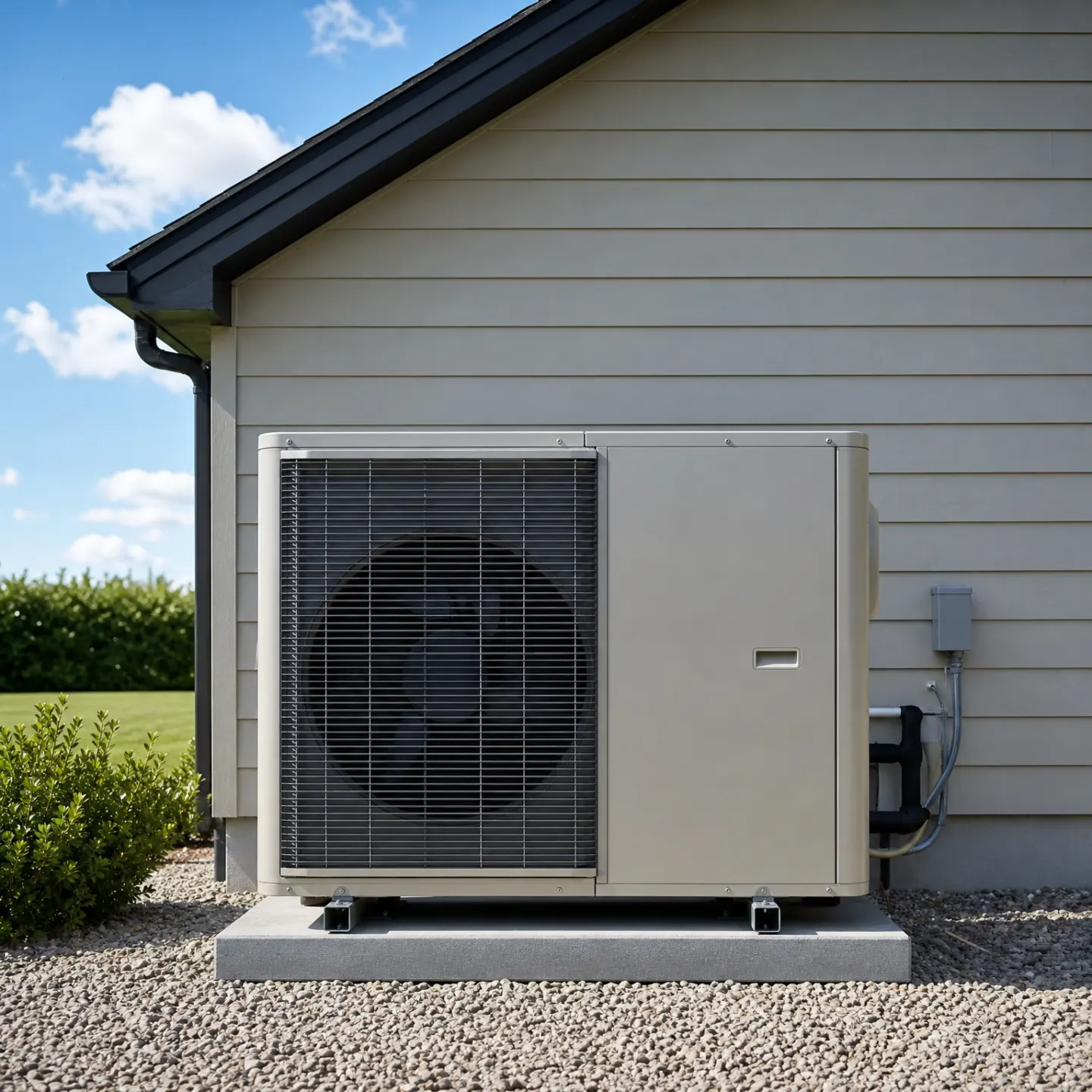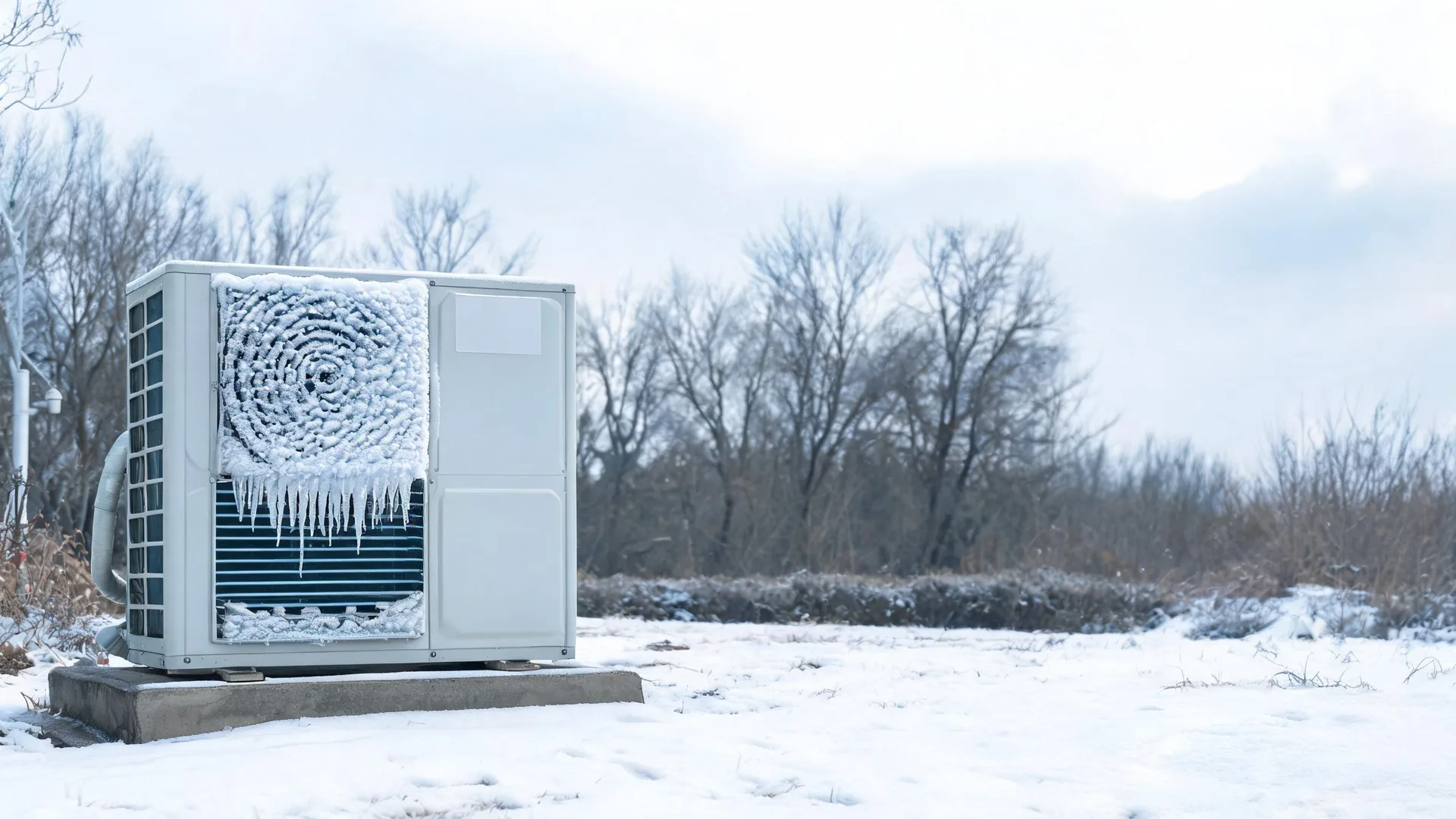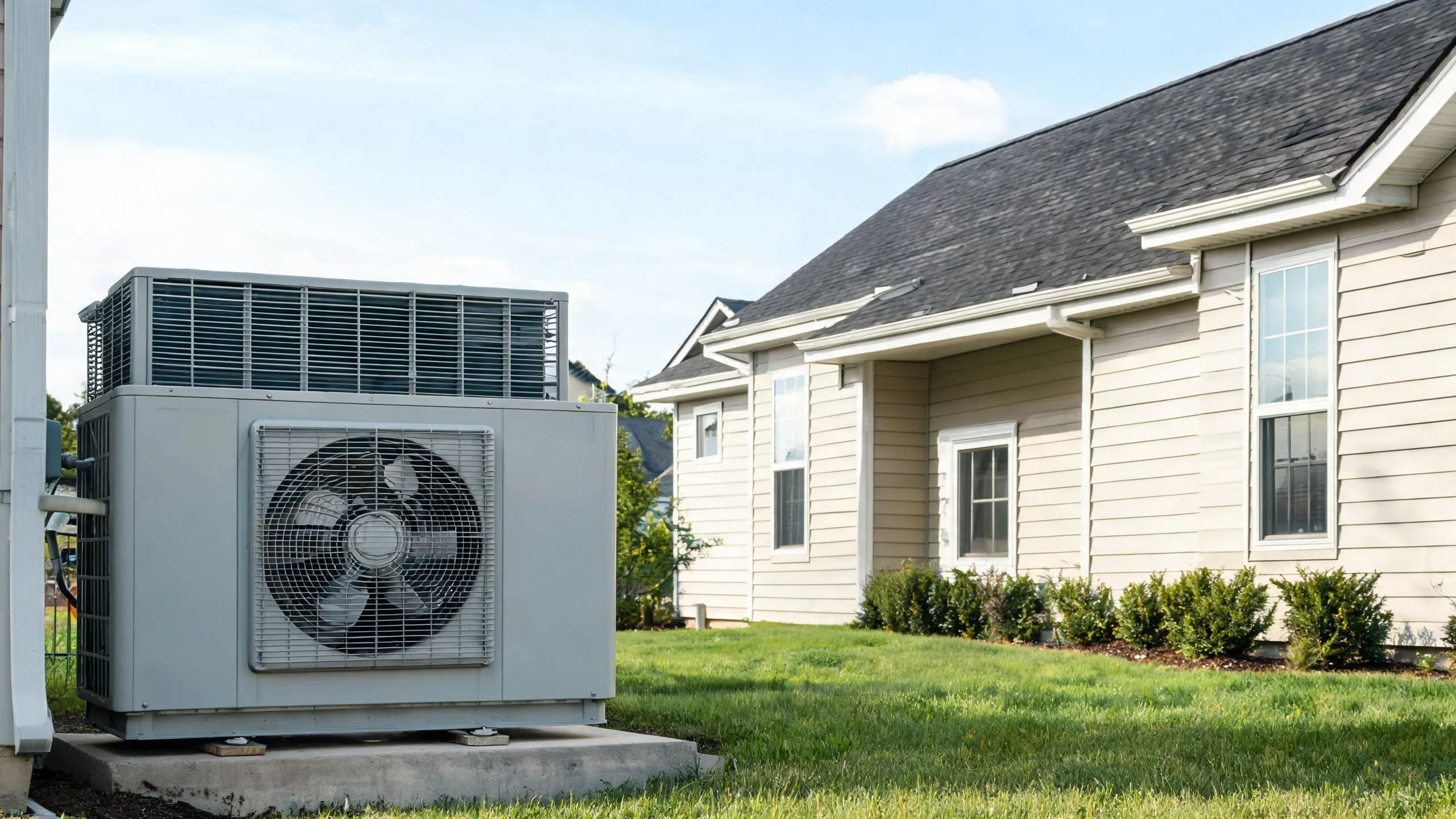
An outdoor HVAC condensing unit on a concrete pad next to a beige single-story house with a dark shingle roof.

Heat Pump Repair in Silverthorne, CO

Tell us about the job

Takes about a minute. No obligation.

Step 1 of 3: Equipment

The tech checks the system before touching it

A diagnostic visit starts with the thermostat, the outdoor unit, and the air coming out of the vents. A tech will check refrigerant pressures, look at the reversing valve, and see whether the outdoor coil is frosted over or clean. That tells them whether the problem is electrical, mechanical, or just low charge, before any panel comes off.

What they find decides what happens next

A weak capacitor or a stuck contactor is a straightforward fix, usually done the same visit. A failing compressor or a reversing valve that won't shift is a bigger job, and the tech will walk through what that part does and why it failed before recommending anything. The diagnosis comes first so the fix actually matches what's wrong.

8°F
the average winter night it heats against
68°F
the average summer afternoon it cools against
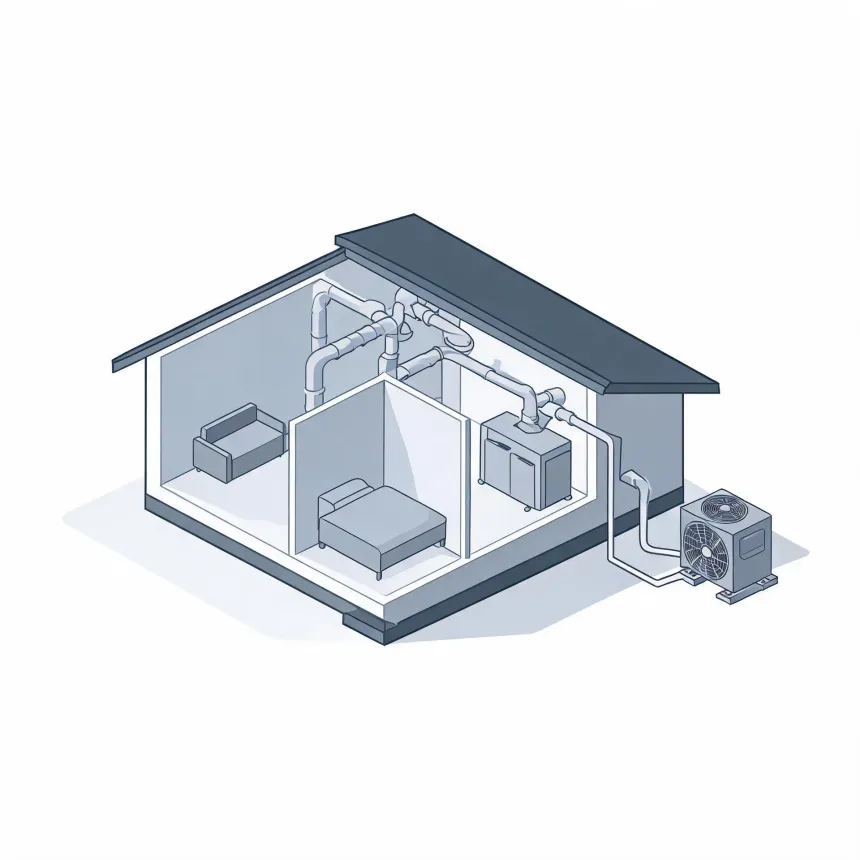
Isometric cutaway illustration of a small house showing interior rooms with furniture, an indoor air handler with ductwork, and lines running to an outdoor condenser unit beside the building.

Colorado homes paid 14.92 cents per kilowatthour in 2024.

A heat pump in Silverthorne that's struggling runs longer to make up for it, and every extra hour it runs costs more at that rate.

Half the homes in Summit County were built in 1989 or later

Half the homes here were built by 1989
46 winter storms from 2015 to 2024
Winter nights average 8°F

A newer system is worth fixing

If your heat pump came with a newer build, it's probably not worn out, just struggling with something specific. That's a repair, not a replacement.

Find a contractor
A man in a gray t-shirt and tan work pants, seen from behind, carries a canvas tool bag up wooden porch steps toward a dark blue front door beside a potted shrub.
A residential heat pump outdoor unit mounted on a concrete pad next to a house with gray vinyl siding.

Some problems don't wait for you to notice

A heat pump that's low on refrigerant will keep running past the point where it's doing any good, and that makes the problem worse, not better. The compressor is built to move refrigerant, not air, and running it low on charge means it's working without enough of what it needs to cool itself. Keep it running like that and you're not just failing to heat the house, you're wearing down a compressor that was fine a week ago. Ice on the outdoor coil does the same kind of damage if it's ignored. A little frost is normal, but a coil that stays covered blocks airflow, and the system responds by running longer to try to keep up, which only adds more ice. A reversing valve that's starting to stick behaves the same way. It might still shift most of the time, so the system keeps running, but every cycle that puts strain on a valve that's already failing gets it closer to not shifting at all. None of these get better with more runtime. They get worse, and they take other parts down with them.

The compressor is usually the last thing to fail

A capacitor loses its charge. A contactor gets pitted from arcing. A defrost control board stops telling the system when to shift into defrost. All of that wear comes from the electrical load of starting and stopping, cycle after cycle. The compressor is built for that same load, and it's typically the last part to give out, not the first.

Outdoor parts wear differently than indoor ones

The outdoor unit sits in the weather, so that's where corrosion shows up first. A reversing valve sticks from mineral buildup or a worn seal. A coil develops a leak at a joint or a fin gets bent and blocks airflow. Indoors the problem is usually simpler. A dirty filter or a dusty blower wheel makes the whole system work harder, and that strain ends up breaking something else down the line.

The first sign is usually the air itself. The system runs, you can hear it, but the air coming out of the vents feels wrong, cooler than it should in heating mode or warmer than it should in cooling mode. That points to the reversing valve or the refrigerant charge before anyone opens the cabinet. Short cycling is another one worth paying attention to, the unit kicking on and off in quick bursts instead of running a full cycle. That's hard on the compressor no matter what's causing it. Ice on the outdoor coil when it isn't in a defrost cycle, a hissing or bubbling sound near the lines, a breaker that keeps tripping, any of these mean the system is fighting something and needs a tech before it fights itself into a bigger repair.

A single failed part on a system that's otherwise sound is almost always worth repairing, even if the part itself isn't cheap. The question changes when the compressor is what's failing. A compressor replacement costs enough that it's worth weighing against a new system, because everything else on that unit has had the same years of wear. Age matters less than pattern. One repair after a long stretch of nothing is normal wear catching up with the system. Repeated calls for different parts in a short stretch of time mean the system is breaking down generally, not failing at one spot, and that's a different conversation with a tech than a single bad capacitor.