



Illuminated timber-frame and stone houses along a residential street at night, with snow-capped mountains visible in the background.

Heat Pump Repair in Manassa, CO

Tell us about the job

Takes about a minute. No obligation.

Step 1 of 3: Equipment

Heat here runs about eleven months a year, August through June. That's hard to beat for a heat pump, since it's cycling on and off almost constantly instead of getting a real break. July is the one month most systems get to rest, and whatever gave out during that stretch tends to show up the moment the system fires back up in August. If yours is struggling now, July is when it would have told you something was wrong, if anything was going to. Getting it looked at before the next long run starts is worth more than waiting to see if it works itself out.

11 months
August through June, your system heats
9°F
the average winter night it heats against
73°F
the average summer afternoon it cools against
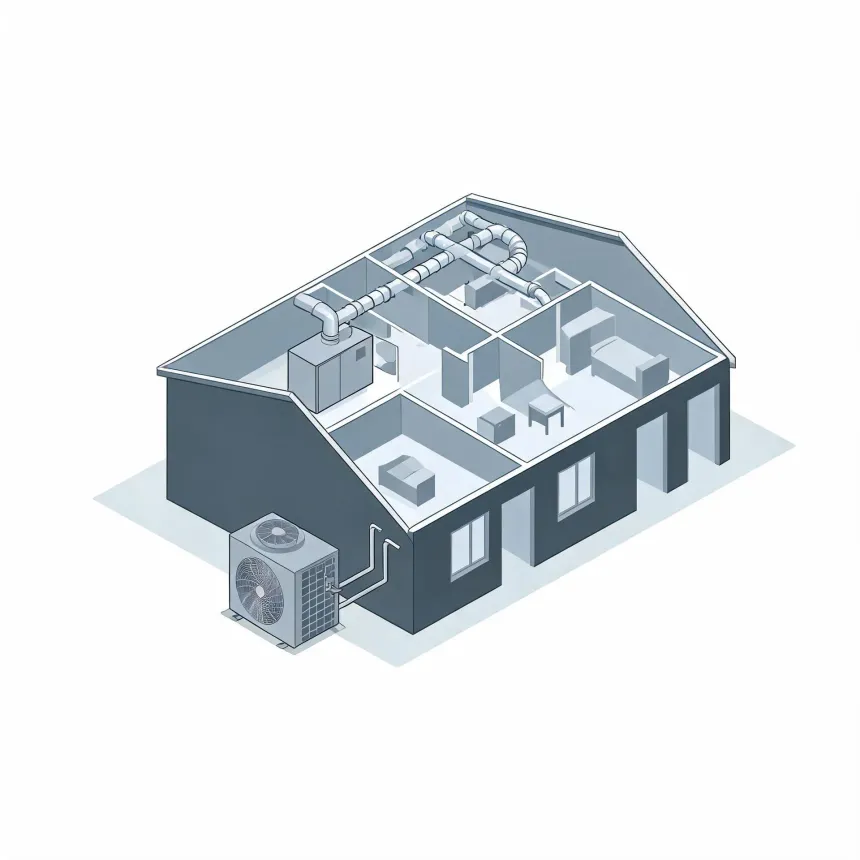
Isometric cutaway illustration of a single-story house showing interior rooms, attic ductwork and an air handler, with an outdoor condenser unit connected by lines along the exterior wall.

A diagnostic visit starts with the reversing valve, running the system through a cooling cycle and a heating cycle to see if it actually switches.

Watching the switch tells a tech whether the problem is the valve itself, the refrigerant charge, or the electrical control before anything gets taken apart.

Conejos County gets its share of wind and snow, but that's not what's hard on a heat pump here

161 severe weather events from 2015 to 2024
13% of homes statewide lost power a day or more in 2024
24 damaging wind events from 2015 to 2024

Colorado electricity ran 14.92 cents per kilowatthour in 2024, on the high side for this part of the country. A heat pump that's struggling doesn't just run more, it runs less efficiently, pulling extra power to move the same amount of heat. A reversing valve stuck halfway, a low charge, a control board sending the wrong signal, any of these makes the system work harder for the same result. With the system cycling on and off most months of the year here, that difference shows up on every bill between now and next summer. Worth getting it diagnosed rather than letting it run that way.

The fix is usually simpler than the symptom

Half the homes in Conejos County were built in 1982 or earlier. An older house doesn't make a heat pump fail any faster, and a newer one doesn't protect it. A stuck reversing valve or a low charge gets fixed the same way either place. Get it diagnosed and get the right part replaced.

Find a contractor
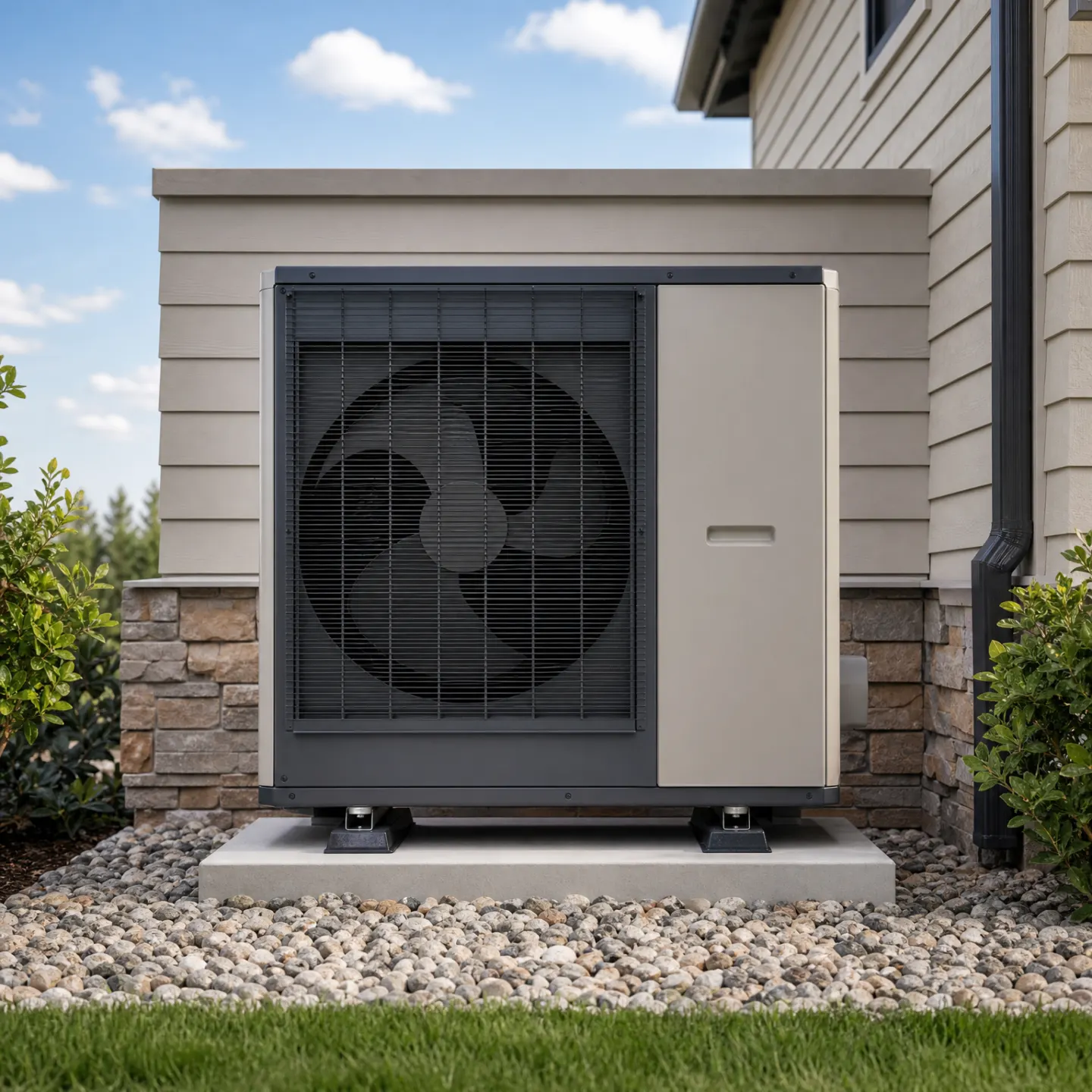
A gray heat pump outdoor unit mounted on a concrete pad next to the stone-accented exterior wall of a house.

Running it while something's wrong only makes the repair bigger

A heat pump that's low on charge or struggling to switch doesn't fail outright. It just works harder, and running it that way lets the damage compound. A compressor pumping refrigerant at the wrong pressure builds up wear with every cycle it runs short. A reversing valve that's sticking gets forced to shift anyway, and each cycle wears the same spot a little more. Leave either alone long enough and the job changes. What would have been a valve swap or a charge top-off turns into a compressor that has to come out. Shutting the system down and calling for service beats running it while something inside is already struggling.

Most failures start electrical, not mechanical

A capacitor weakens, a contactor pits, or a control board sends a bad signal, and the compressor or fan either won't start or won't stop. These parts fail from age and from the heat they generate every time the system cycles. None of it has anything to do with the refrigerant side, which is why a tech checks the electrical before touching anything else.
Low charge rarely means a failed part

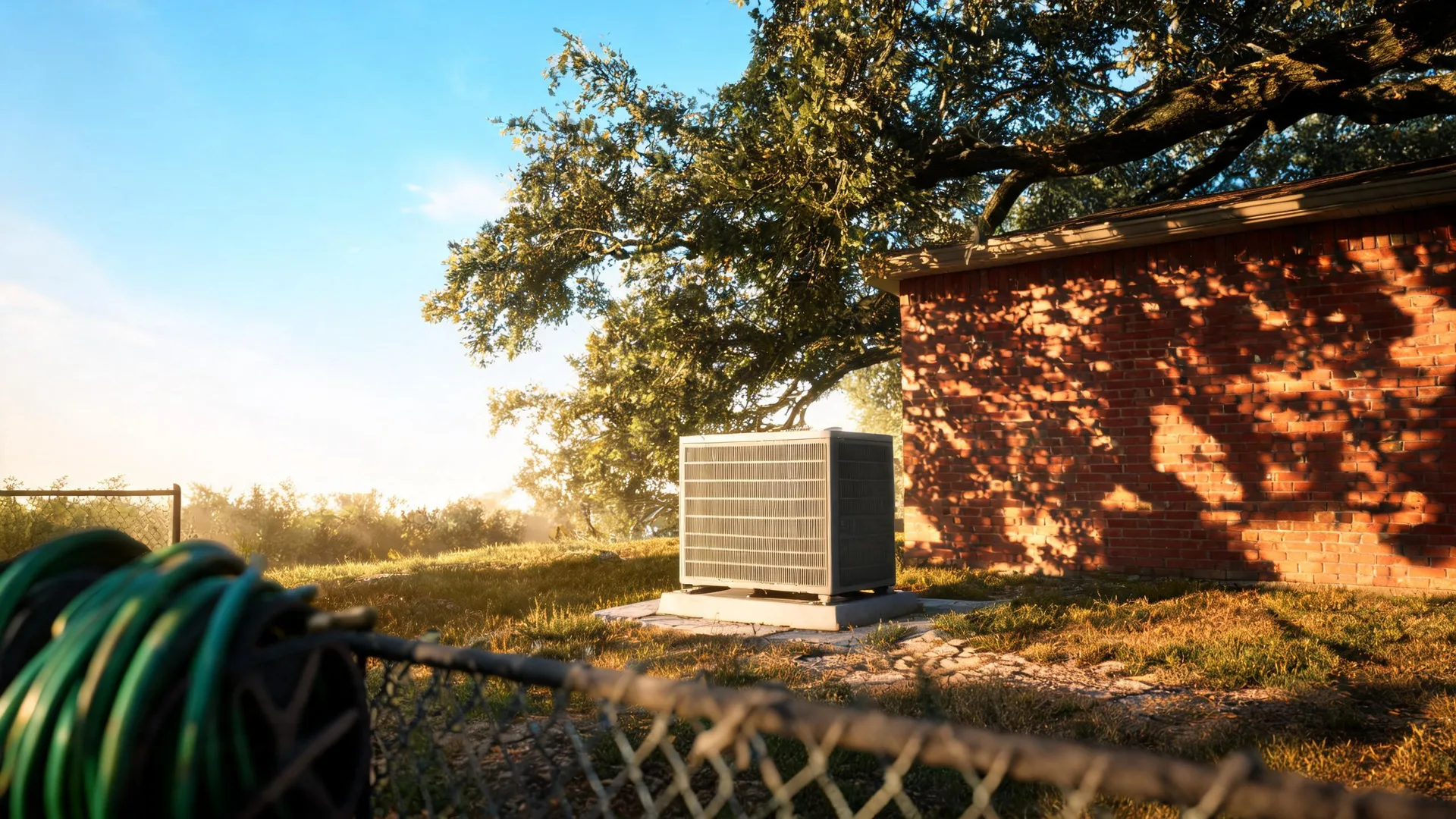
A heat pump doesn't use up refrigerant. If the charge is low, it's leaking out somewhere, usually at a fitting, a coil, or a line connection. Topping it off without finding the leak just means doing it again later. Finding where it's escaping is most of the job.

Before anything else, check the thermostat is set to heat and the temperature is actually above room temperature, not sitting there by accident. Walk outside and look at the outdoor unit. If it's packed in snow or ice beyond a thin frost layer, that blocks airflow and stops the system from working right. Check that the breaker for the unit hasn't tripped. Inside, pull the air filter and hold it up to a light. If you can't see through it, swap it, since a clogged filter starves the system of airflow and can look like a much bigger problem. Listen for the outdoor unit running at all. If the outside unit is silent while the inside blower runs, that's worth telling the tech when they call, since it points them toward the problem faster.

A heat pump rarely dies all at once. It loses capacity first, so the house runs a little cooler in winter than it used to, and that gets blamed on the weather before anyone thinks to blame the system. The question worth asking when something fails is whether it's one part or a sign the compressor itself is wearing out. A bad capacitor, a failed contactor, a reversing valve that's stuck, those get replaced on their own and the system goes back to normal. A compressor losing its seal or a coil that's corroded through is a different conversation, since that usually means the unit is nearing the end of its working life rather than suffering a single failure. Age matters more than anything else in that decision. A system still early in its life is almost always worth repairing. One that's old and failing in more than one way at the same time is often money spent on a machine that will find the next way to fail soon after.