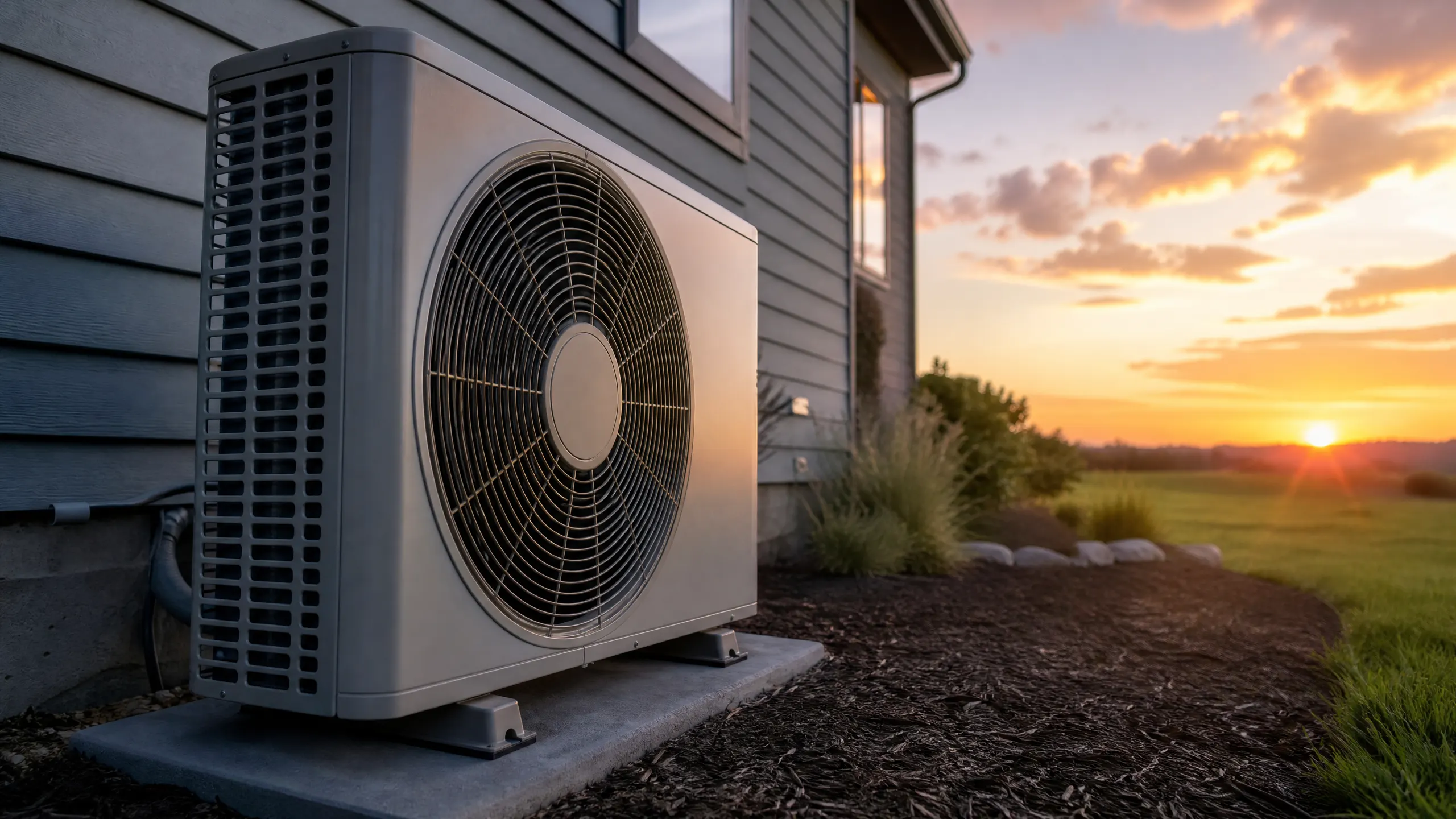




A grey residential air-conditioning condenser unit mounted on a concrete pad beside a house, photographed at sunset.

Heat Pump Repair in Granby, CO

Tell us about the job

Takes about a minute. No obligation.

Step 1 of 3: Equipment

Grand County winters are cold. Overnight lows average 8°F across December, January and February, and that's when a heat pump works hardest. Cold alone isn't the problem. A heat pump already working near its limit just shows trouble sooner than it would somewhere milder. If yours is short cycling, stuck in defrost, or blowing air that isn't warm, the cause is usually something ordinary. Low refrigerant. A failing reversing valve. A stuck defrost sensor. Worth having someone check it now rather than after the next cold stretch.

8°F
the average winter night it heats against
72°F
the average summer afternoon it cools against
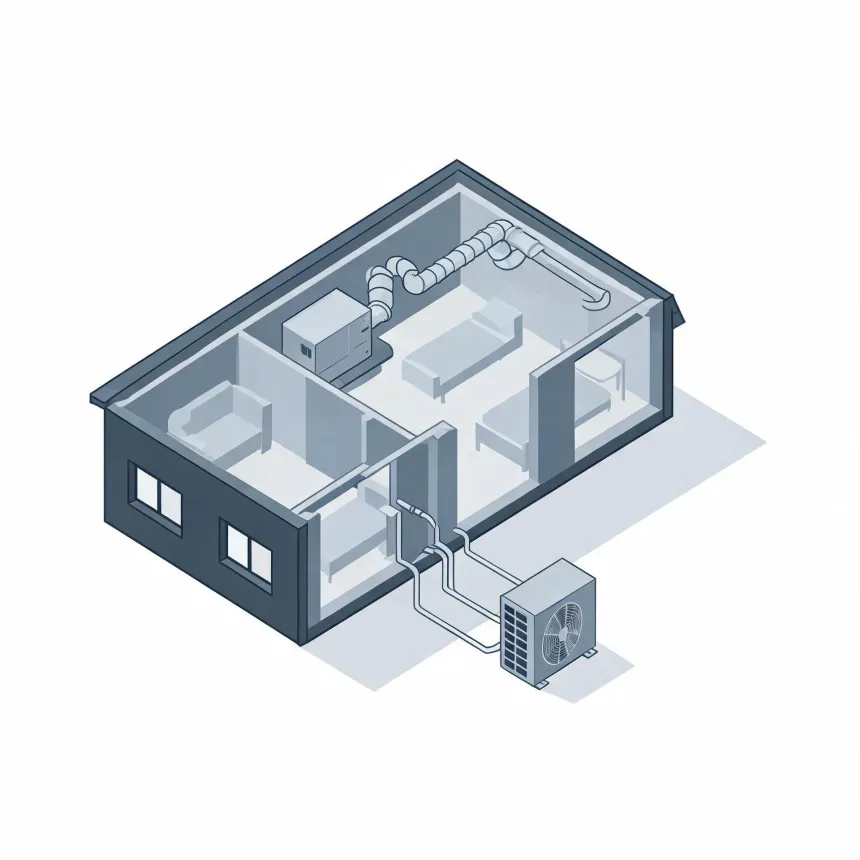
Isometric cutaway illustration of a small house showing interior rooms with furniture, an indoor air handler with flexible ducting, and refrigerant lines running to an outdoor condenser unit beside the building.

Grand County logged 139 winter storms between 2015 and 2024.

A heat pump is built to run through snow and cold, so storms aren't why yours is struggling now.

Half the homes in Grand County date to 1990 or later, so a heat pump that came with the house is probably not old enough to be the problem

Half the homes here were built by 1990
56 damaging wind events from 2015 to 2024
139 winter storms from 2015 to 2024
Electricity here isn't cheapColorado homes paid 14.92 cents per kilowatthour in 2024, so a heat pump running wrong costs you more here than it would elsewhere.

If the heat pump came with the house, check the paperwork before you assume it's worn out. A unit installed new in the last couple decades still has years left in it, and that changes what a repair call is for. The question isn't whether to fix it, it's what's actually wrong with it. Short cycling, weak airflow, a unit stuck in defrost, these point to a part that failed, not a system that's done. Worth getting someone out to find that part rather than planning around a replacement.

A heat pump running wrong costs you more here

A heat pump that's short cycling or stuck in defrost is burning power without heating the house, and at 14.92 cents per kilowatthour that adds up month to month. Worth having someone find the part that failed.

Find a contractor
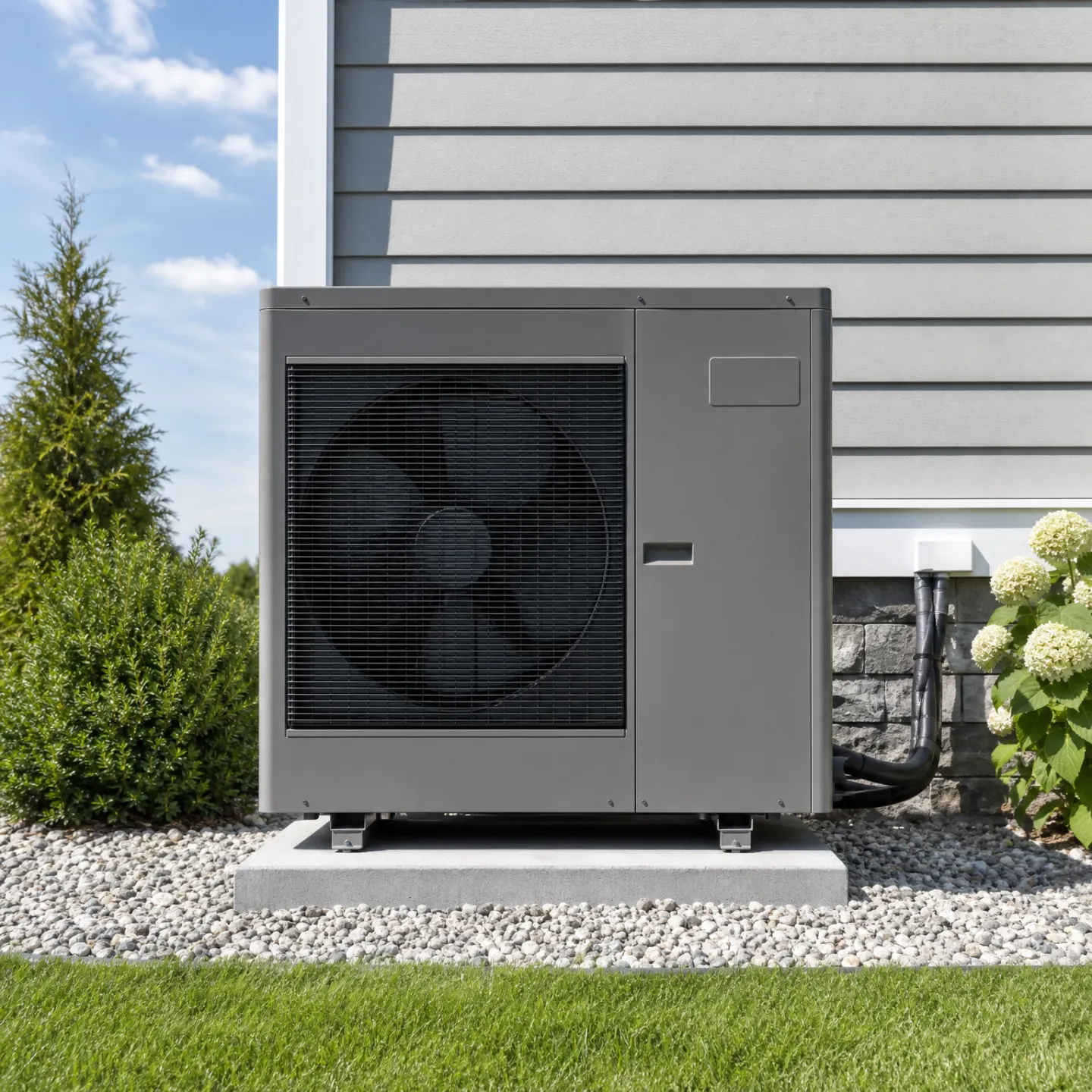
A gray air-source heat pump mounted on a concrete pad next to a house with gray vinyl siding, surrounded by gravel and flanked by green shrubs and white hydrangea flowers.

What a technician is actually checking

A technician starts outside at the unit. They hook up gauges and check refrigerant pressure against what the system is supposed to hold. They watch the reversing valve switch between heating and cooling, looking for one that's slow or won't fully seat. They run a defrost cycle and watch it finish instead of just confirming it started. Then the electrical readings. A capacitor gets tested against its rating, not just glanced at. Contactor points get checked for pitting and burn. The compressor's amp draw gets checked against the nameplate. Inside, the filter comes out, the vents get checked for airflow, and the thermostat's call gets compared against what the unit is actually doing outside. A failing part shows up as a specific reading out of range, a valve that won't fully switch, a capacitor testing low, a sensor sending the board bad information. Once that part is found, a technician can say plainly what's wrong and what it takes to fix it.

What you can check yourself

Look at the outdoor unit first. If snow or ice has built up around the base or the coil is caked with frost that isn't melting off during a defrost cycle, clear what you can reach safely. Check that nothing is blocking airflow around it, no stored items, no branches, a few inches of clearance on all sides. Inside, pull the filter and hold it up to light. If you can't see through it, swap it or clean it. Check the thermostat is set to heat and the batteries aren't dead, it sounds obvious but it rules out the simplest cause first. Walk the vents and make sure none are closed or blocked by furniture.
What tells you to stop checking and call

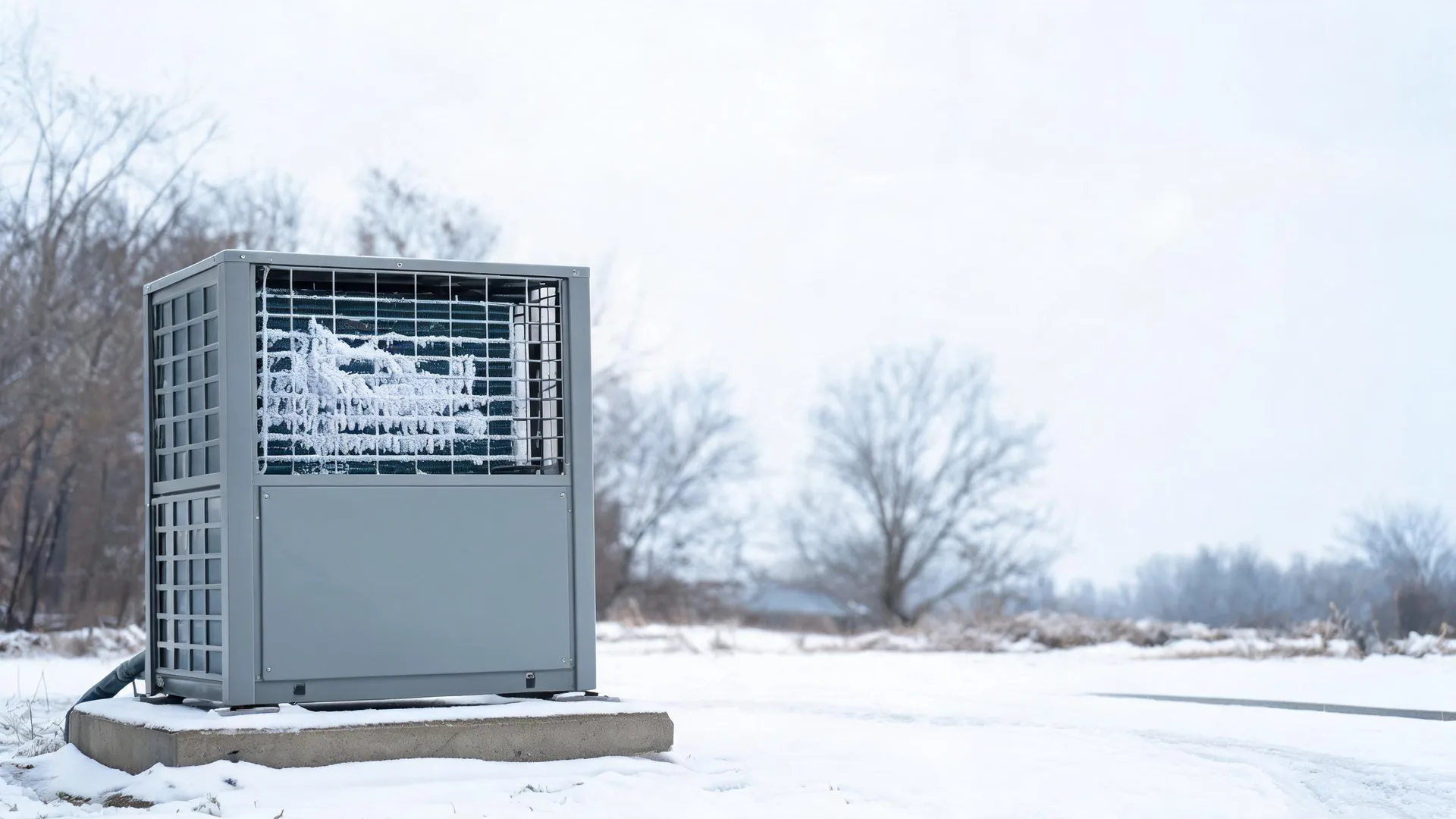
If the outdoor unit is caked in ice that doesn't clear after a defrost cycle runs, or the unit is cycling on and off every few minutes, that's a part failing, not something a filter swap fixes. Air blowing cold instead of warm, after you've confirmed the thermostat and filter are fine, points to the reversing valve or a refrigerant problem, both jobs for someone licensed. A unit that won't start at all, or trips a breaker when it does, means stop flipping the switch and get someone out before it damages itself further.

A heat pump that's struggling doesn't fail all at once. It fails a little more each hour it keeps running the wrong way. A reversing valve stuck partway still forces the system to push through it, and that strain is what finishes the job. A compressor short cycling on and off is starting under load again and again, and starting is what wears a compressor out, not running. Ice left to build on the outdoor coil blocks airflow, so the unit pulls harder to move the same heat, and that extra draw heats parts that were never meant to run that hot. None of this fixes itself by waiting. The part that's struggling now is the part that quits later, usually at the worst possible time.

A failed part doesn't mean a failed system. A reversing valve, a capacitor, a contactor, a defrost sensor, these are routine repairs on a unit that's otherwise sound. Replacing one of these doesn't touch the compressor or anything else in the system. A failing compressor is a different conversation. It's the most expensive part in the unit, and trouble there is what usually turns into a talk about replacing the whole system instead of just the part. Age matters less than how the unit has been treated. A heat pump with a filter changed regularly and a coil kept clear can outlast one that's been run for years with a dirty coil, even at the same age. What should worry you more than any single part failing is a unit that keeps coming back for new repairs season after season. That pattern points to a system wearing out generally, not a run of bad luck with parts.