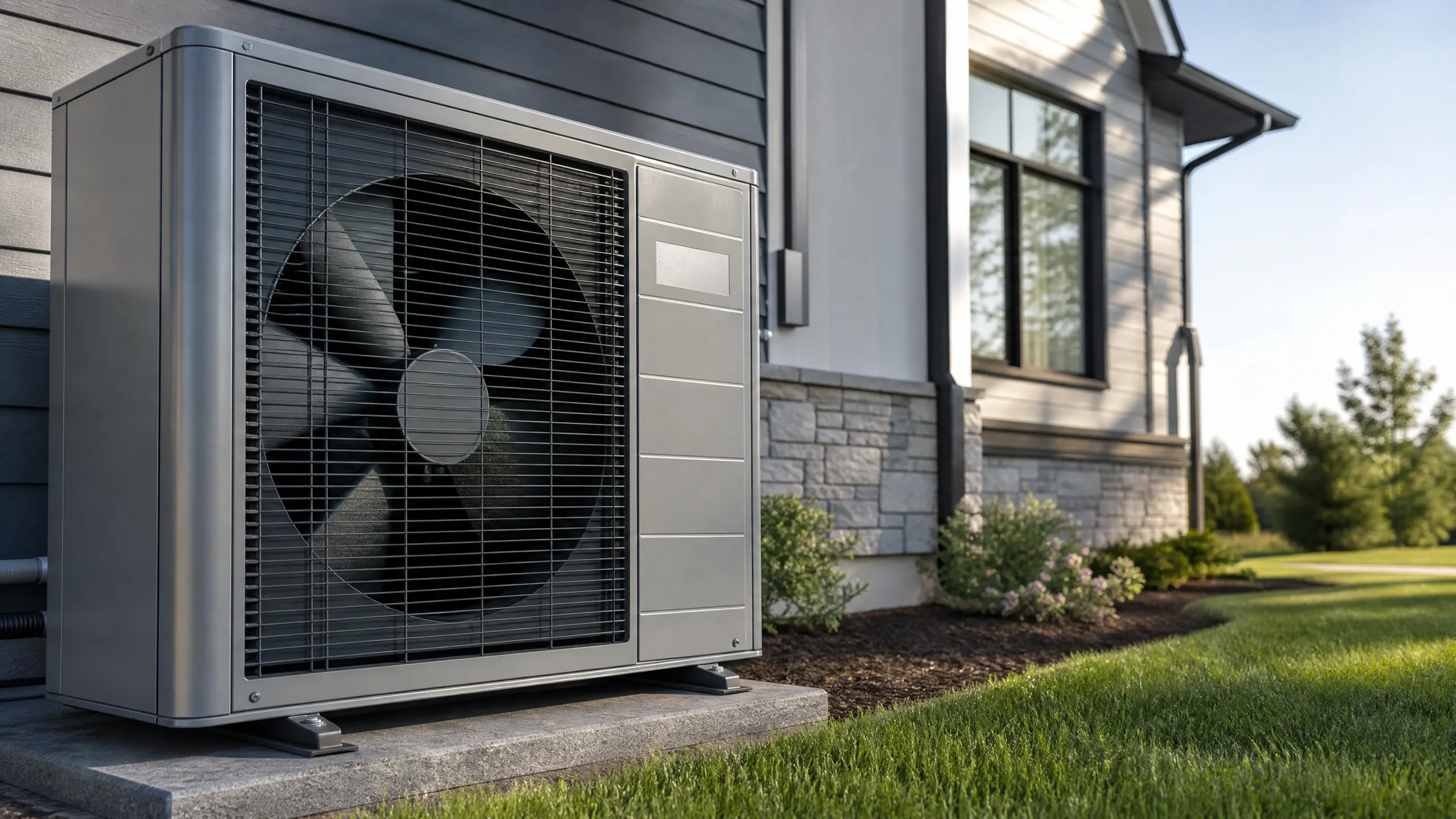





A grey heat pump outdoor unit mounted on a concrete pad against the exterior wall of a house with grey siding and stone veneer.

Heat Pump Repair in La Junta, CO

Tell us about the job

Takes about a minute. No obligation.

Step 1 of 3: Equipment

Your heat pump works harder here in deep winter, with overnight lows averaging 19°F across December through February. That kind of cold is normal wear, not a sign of damage. Otero County doesn't see the hail or wind that cracks cabinets or bends fins any more than most places, so if your unit is struggling, the cause is usually something ordinary inside it. A worn contactor, a low charge, a frozen coil from a dirty filter. The fix is almost always the same one a contractor sees on any heat pump, anywhere, after enough winters.

7 months
October through April, your system heats
4 months
June through September, it cools
19°F
the average winter night it heats against
91°F
the average summer afternoon it cools against
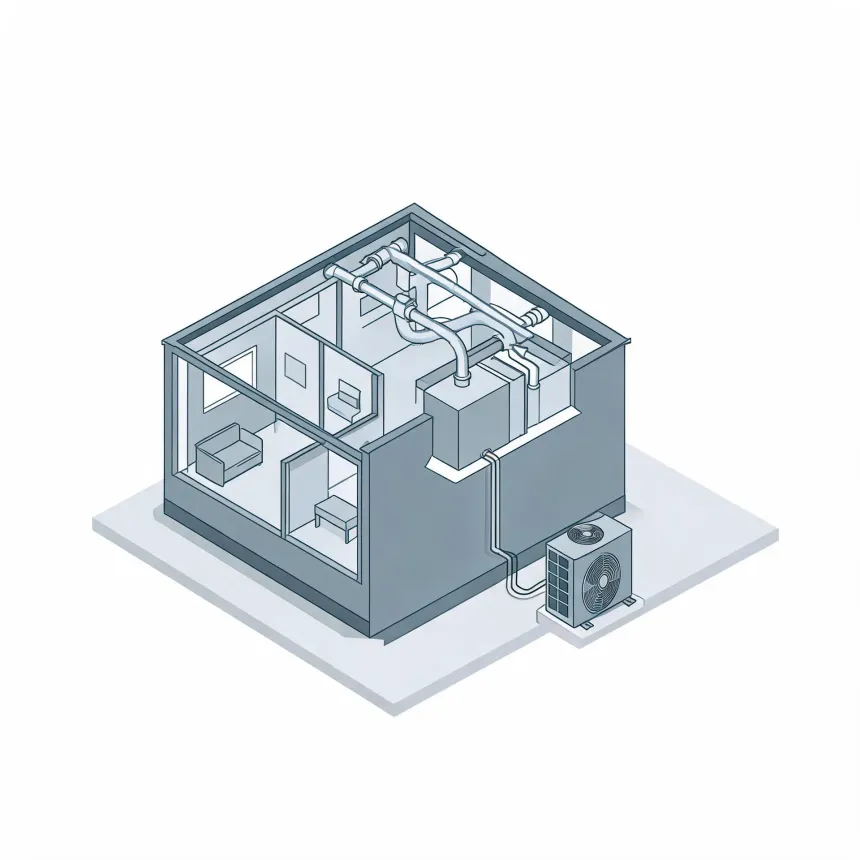
Isometric line illustration of a cutaway house showing interior rooms with furniture, ceiling ductwork connected to an indoor air handler, and refrigerant lines running to an outdoor condenser unit on a pad.
Your system heats October through April and cools June through September.

NOAA nClimDiv, 1991–2020 normals

Heat here starts up in October, after September sits idle.

The first cold snap finds whatever was already weak in your heat pump.

Weather here isn't the problem your heat pump has

160 severe weather events from 2015 to 2024
13% of homes statewide lost power a day or more in 2024
82 damaging wind events from 2015 to 2024
A lot of these heat pumps aren't the first one this house has hadHalf the homes in Otero County were built in 1958 or earlier.

Electricity in Colorado ran 14.92 cents per kilowatthour in 2024, and a heat pump leaning on its backup heat strips to make up for a low charge or a weak contactor burns through that fast. A unit that's struggling doesn't just run longer, it pulls more power doing less with it. That cost shows up on next month's bill whether or not you've called anyone. Getting the actual cause fixed now is cheaper than paying to run a heat pump that's working against itself.

Worth knowing what you're repairing

If this isn't the first heat pump this house has had, ask the contractor how much life the current one has left before you put money into a repair. A straight answer on that is worth as much as the fix itself.

Find a contractor
A man in a cap, dark jacket and tan pants carries a worn duffel bag as he climbs porch steps toward a dark blue front door beside a potted shrub.
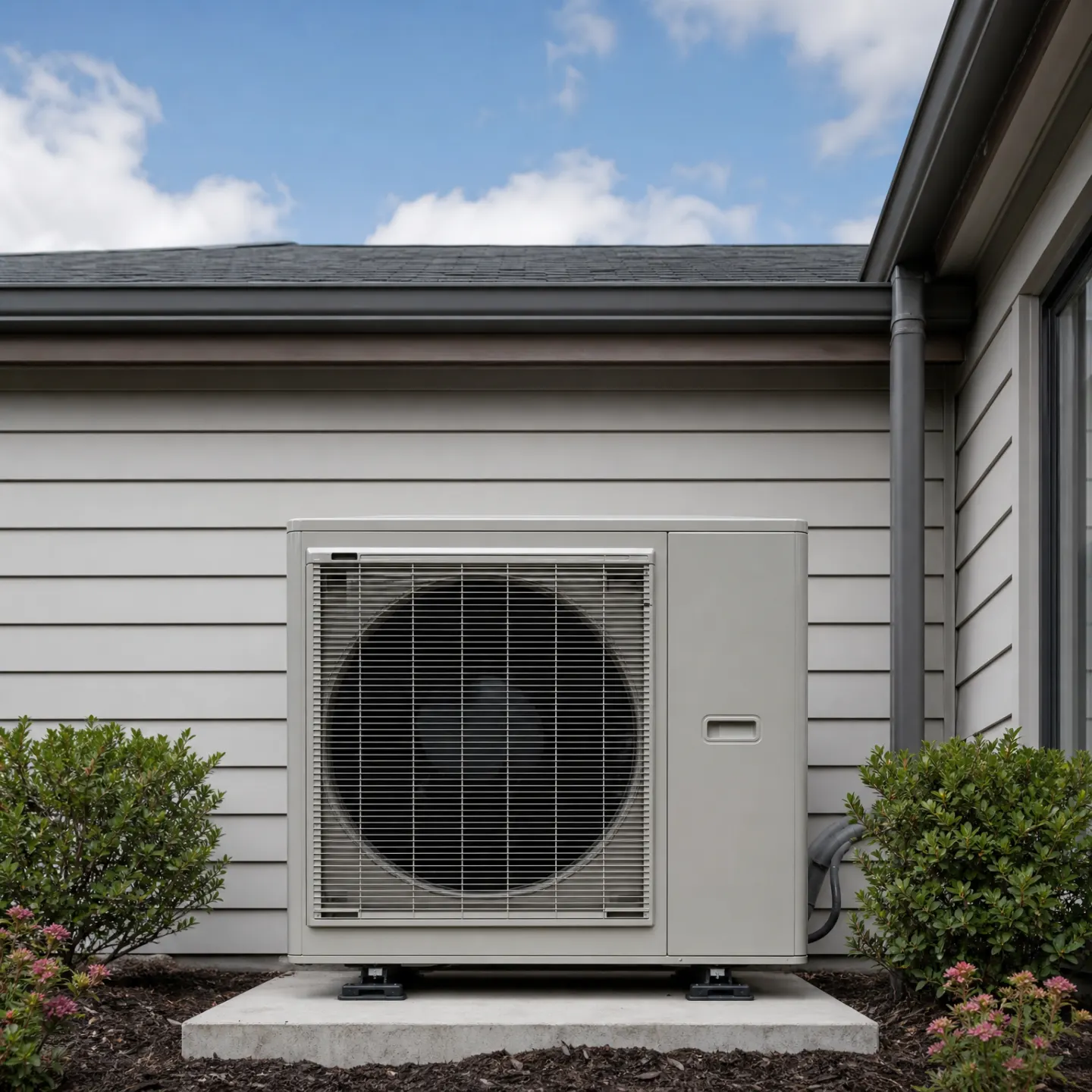
A gray heat pump condenser unit mounted on a concrete pad against the gray lap-siding exterior wall of a house.

Running a weak system doesn't rest it, it wears it faster

A frozen coil is a good example of why waiting makes it worse. Once ice builds up on the outdoor coil, the unit can't pull heat from the air the way it's supposed to, so it leans harder on the backup strips to keep up. That ice doesn't melt on its own while the system keeps running the same faulty cycle that caused it. It just keeps building, layer on layer, until airflow is choked off almost completely. A weak contactor follows the same pattern. Every cycle it limps through pits the contacts a little more, until the day it doesn't close at all and the outdoor unit won't start. None of these failures are sudden. They're slow, and they're progressive, which is exactly why running the system through them doesn't buy you time. It spends it.

What you can check safely

Look at the thermostat first. Make sure it's set to heat and the set point is actually above room temperature. Check the breaker panel for a tripped breaker on either the indoor or outdoor unit. Go outside and look at the outdoor unit. If the coil is caked in ice beyond the thin frost that's normal in defrost cycles, that's worth noting for the contractor. Pull the air filter and hold it up to a light. If you can't see light through it, replace it. None of this calls for opening any panel that needs a tool to remove.
What to leave alone

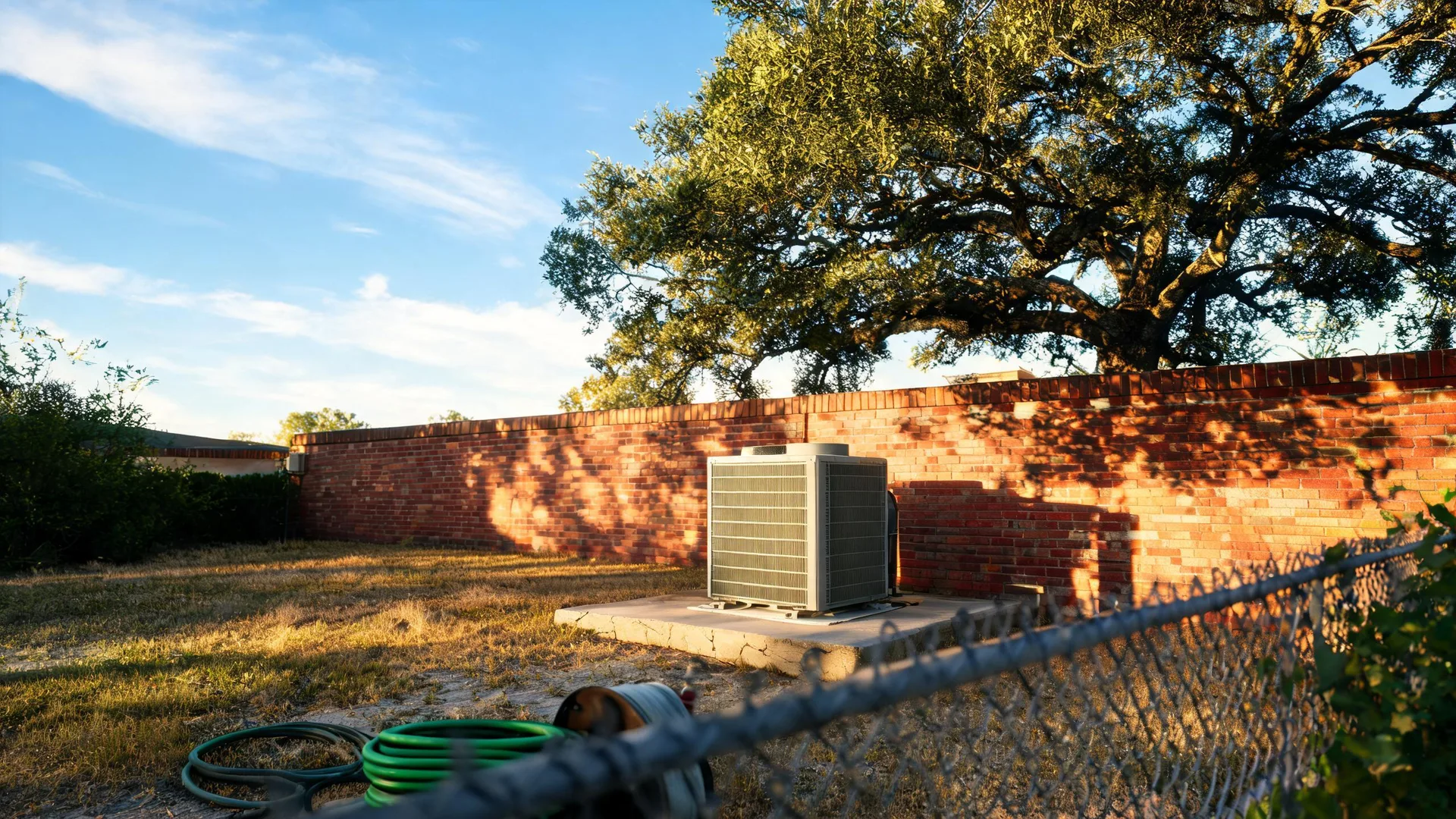
Don't pour water on an iced coil or chip at it, you can bend the fins or crack the coil itself. Don't reset the breaker more than once if it trips again right away, that's usually a short or a locked compressor telling you something. Don't take the access panel off the outdoor unit. The capacitor in there holds a charge even with the power off and the refrigerant lines aren't something to handle without gauges and training. A call at this point gets the right tool on the actual problem.

A diagnostic visit starts with questions, not tools. What's it doing, when did it start, does it happen in heat mode or cooling too. Then a contractor checks pressures on the refrigerant lines, tests the contactor and capacitor with a meter, and watches a full cycle rather than guessing from a snapshot. They'll check the reversing valve, since a stuck one can leave a heat pump blowing cold air in heat mode or failing to defrost right. Electrical readings get checked against what the unit is rated for, because a compressor pulling too much current is telling you something even if it's still running. The visit ends with a cause, not a guess, and that's what decides whether the fix is a part or a conversation about the whole unit.

A contractor can usually tell you fast whether a heat pump is worth fixing. Age alone doesn't decide it, what's failing does. A bad contactor, a low charge, a stuck reversing valve, these are normal wear items and replacing one brings the system back to where it was. A compressor on its way out is a different question, because the compressor is most of what makes a heat pump a heat pump, and a failing one often means the rest of the unit isn't far behind. The honest version of this conversation looks at what's actually broken, not just how old the unit is sitting outside. If the repair is a part, fix it. If the repair is the compressor, ask what the rest of the system has left in it before you spend on that one piece.