
Heat Pump Installation in Colorado
Homes in Colorado are newer than in 40 of the other 49 states.
Tell us about the job
Takes about a minute. No obligation.
- 17°Fwinter overnight low where people live
- 9 monthsof heat, September through May
- 83°Fsummer afternoon high where people live
- 1 monthof cooling, in July
Hail and wind hit hard here and outages follow, statewide
- Heat needed most in Lake County, least in Baca County
- Winter nights average 17°F where people live
- Summer afternoons average 83°F where people live
- Heat runs September through May
- Cooling runs in July
- 2,634 winter storms from 2015 to 2024

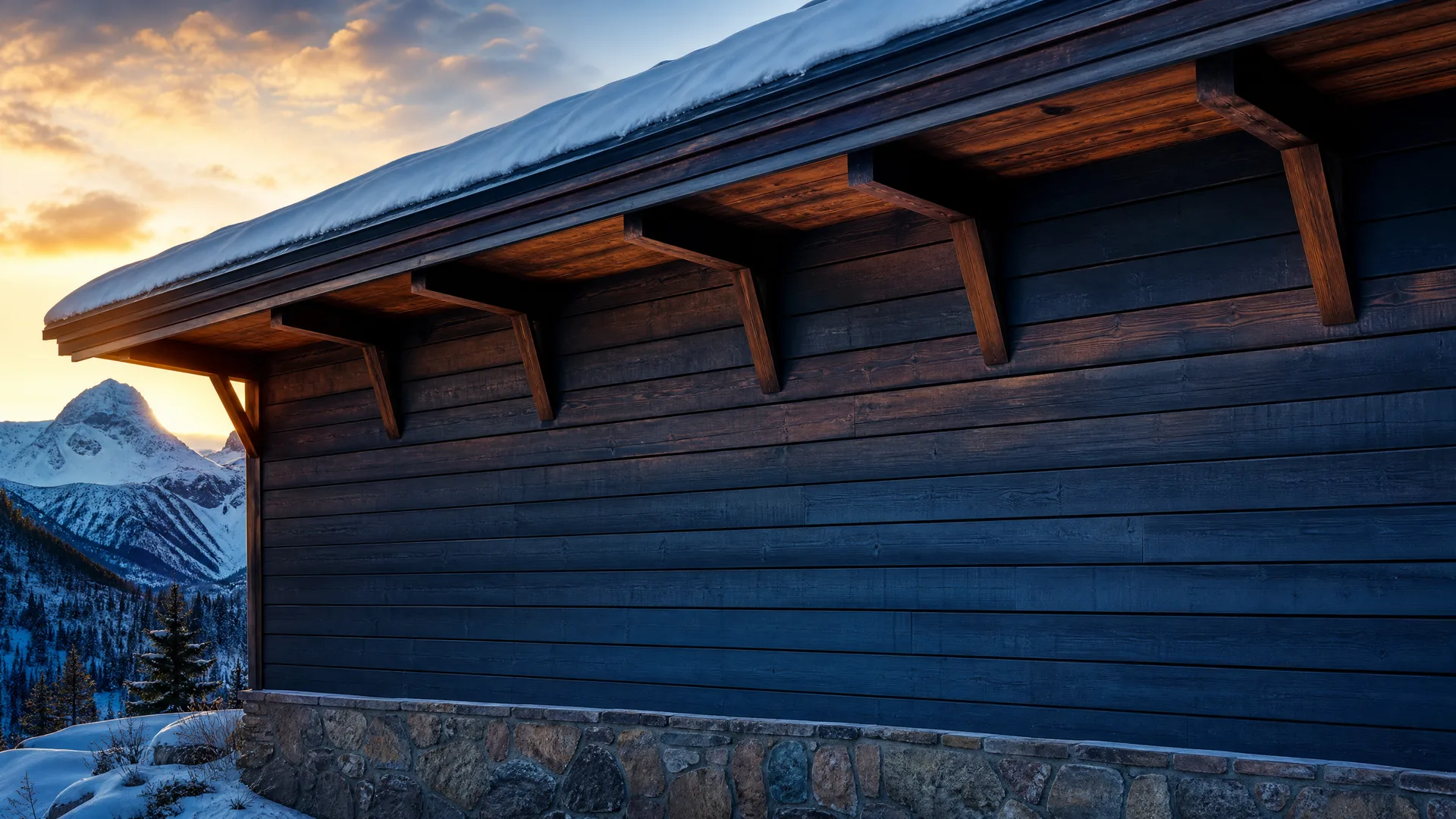
Colorado sees more hail and storms than almost every other state.

July is the only month cooling runs here, but heat runs from September through May, nine months of the year. A heat pump has to do both jobs, so getting it installed before September matters more than getting it installed before July. Once the weather turns, you want it already running, not mid-install.
Scheduling a heat pump install in June or August, ahead of the season that needs it, means the work happens when a contractor has time to do it right. Wait until the first cold snap in September and you are competing with every other homeowner whose system just quit on them.
A standard heat pump is the right call here
Heat runs nine months here. Cooling runs one. Size the heat pump for the furnace it replaces, not the air conditioner, and a standard unit handles both ends fine. Colorado's winter nights average 17°F, colder than most of the country sees, but that is within what a properly sized heat pump is built to handle. Nothing about this climate calls for an oversized system or a special cold-climate model beyond what the install already accounts for.
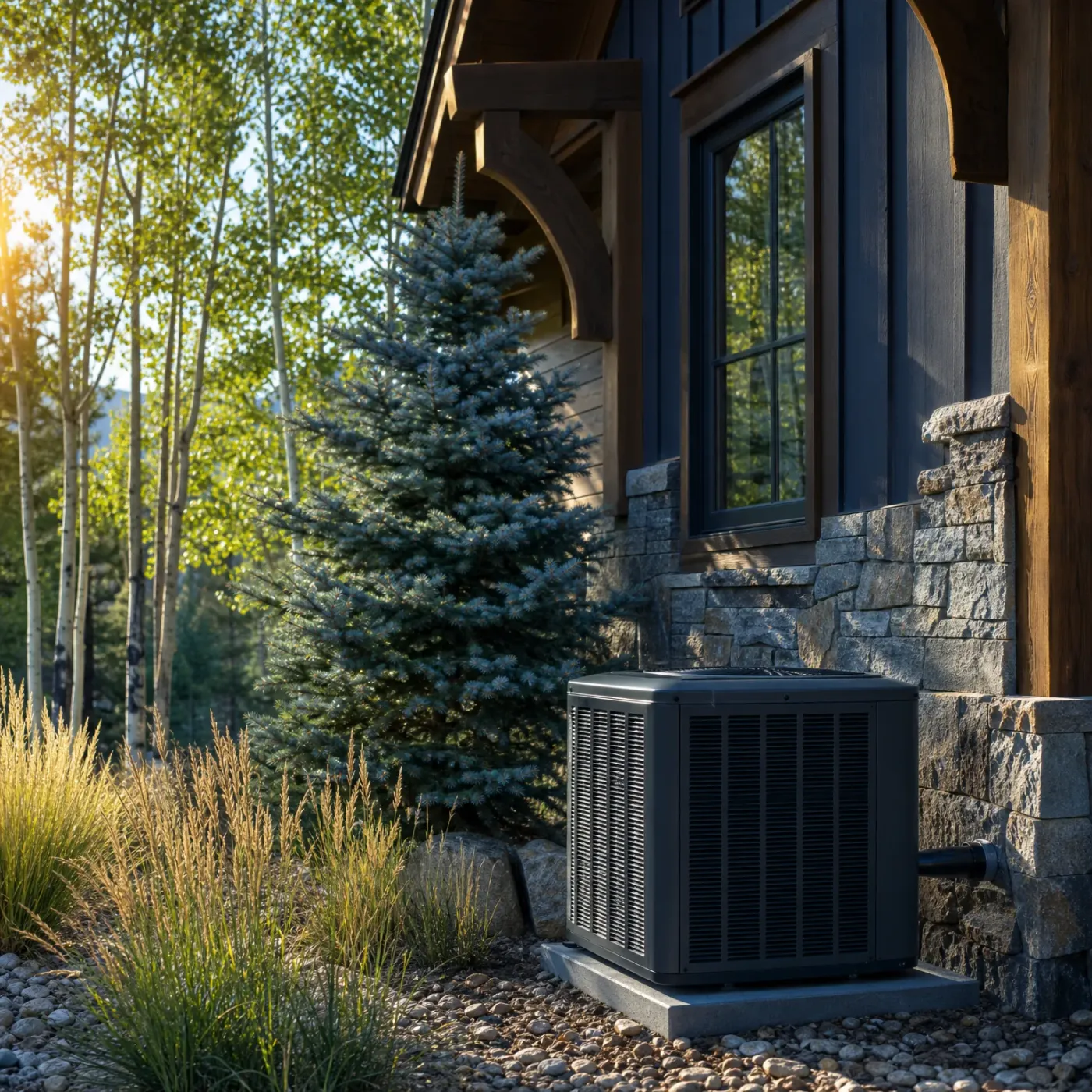
1 month of cooling, in July
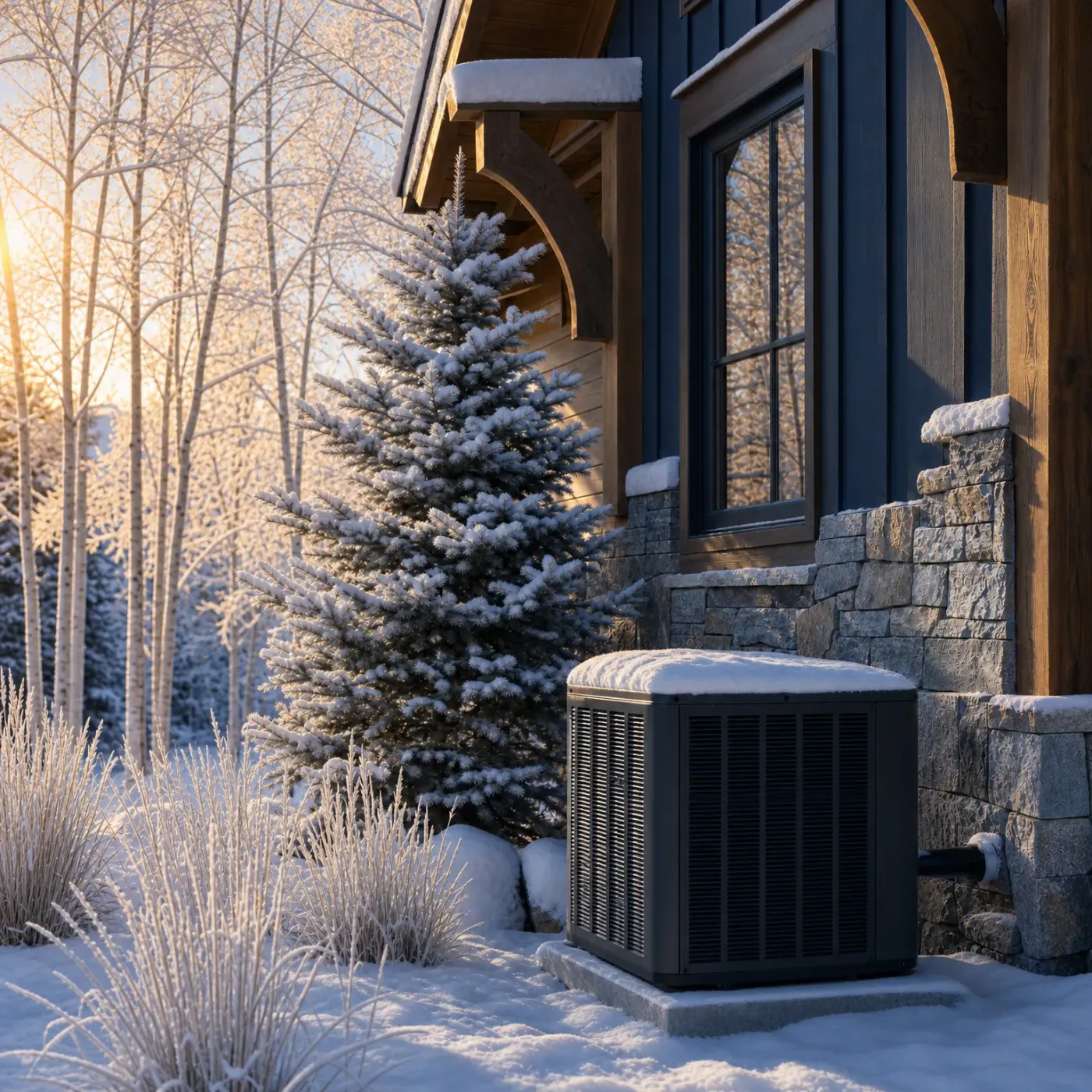
9 months of heat, September through May
How much heat a home needs depends heavily on where it sits. Homes in Lake County need about twice the heat over a year that homes in Baca County do, where the heating need is the lowest in the state. A heat pump sized for one tells you nothing about what the other needs.
How many months that heat runs also swings wide. Summit County needs heat about 12 months a year, the longest stretch anywhere in the state. Otero County gets by on about 7. Both are within what a standard heat pump handles, but a system going into Summit County is working through months that Otero County skips entirely.
Summer asks less of the system almost everywhere, but not equally. Bent County sees afternoon highs averaging 91°F through June, July and August, hot enough that the cooling side is doing real work. San Juan County averages 63°F over those same months, a summer that barely asks anything of it.
None of this changes what kind of heat pump goes in. It changes what the installer sizes it for, matching the unit to the home's actual heating load rather than a statewide number that describes no one house in particular.
What does a heat pump in Colorado face?
How hot do summer afternoons get?
83°Faverage afternoon high where people live
Alaska66°F
Arizona101°F
How cold do winter nights get?
17°Faverage overnight low where people live
North Dakota4°F
Hawaii65°F
How many months does the heat run?
9 monthsof heating a year
Hawaii0 months
Alaska12 months
What does electricity cost?
14.92¢per kWh (kilowatt hours, the unit on an electric bill), what homes paid in 2024
North Dakota11.51¢
Hawaii42.86¢
How often do storms hit?
455severe weather events per county from 2015 to 2024
Alaska5
Wyoming1,057
How many homes lost power for a day or more?
13%of homes in 2024
Arizona7%
Maine54%
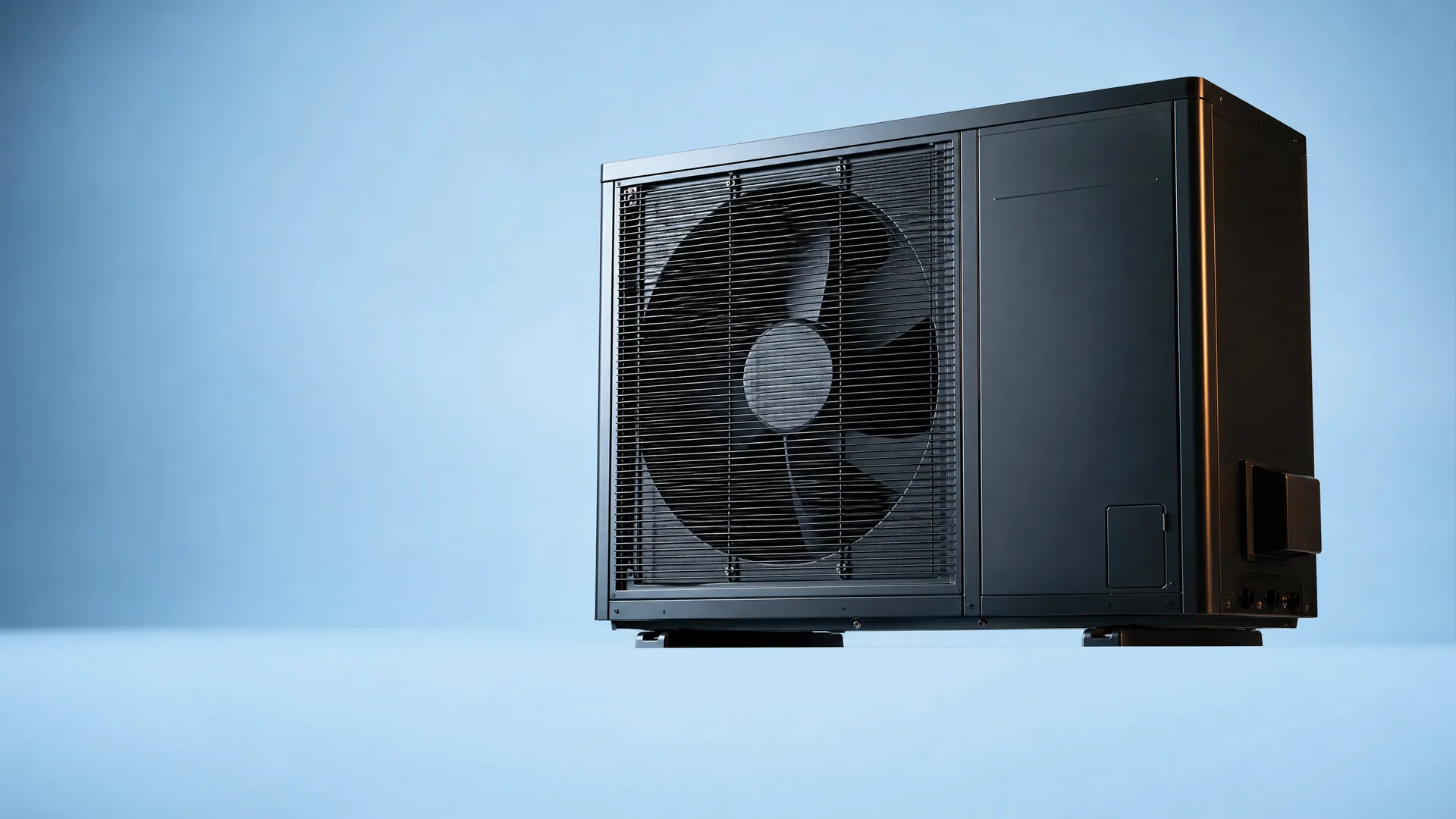
What happens on install day
An installer starts outside, looking at where the old condenser sat and whether the new one can go on the same pad or needs a fresh one. Indoors, the air handler or furnace gets tied into the existing ductwork. If this is a switch from a furnace straight to a heat pump, that connection work takes longer than swapping one heat pump for another. The line set, the refrigerant lines running between the outdoor and indoor units, often gets replaced rather than reused. Once everything is connected, the system gets charged with refrigerant to the exact weight the manufacturer specifies, not topped off by feel. Airflow gets measured at the vents. The thermostat gets wired and configured for a heat pump rather than a furnace, since the controls aren't the same. A good crew runs the system through a full cycle in both heating and cooling before they leave, because a wiring fault in cooling mode can sit unnoticed until the first hot day finds it with nobody there to catch it.
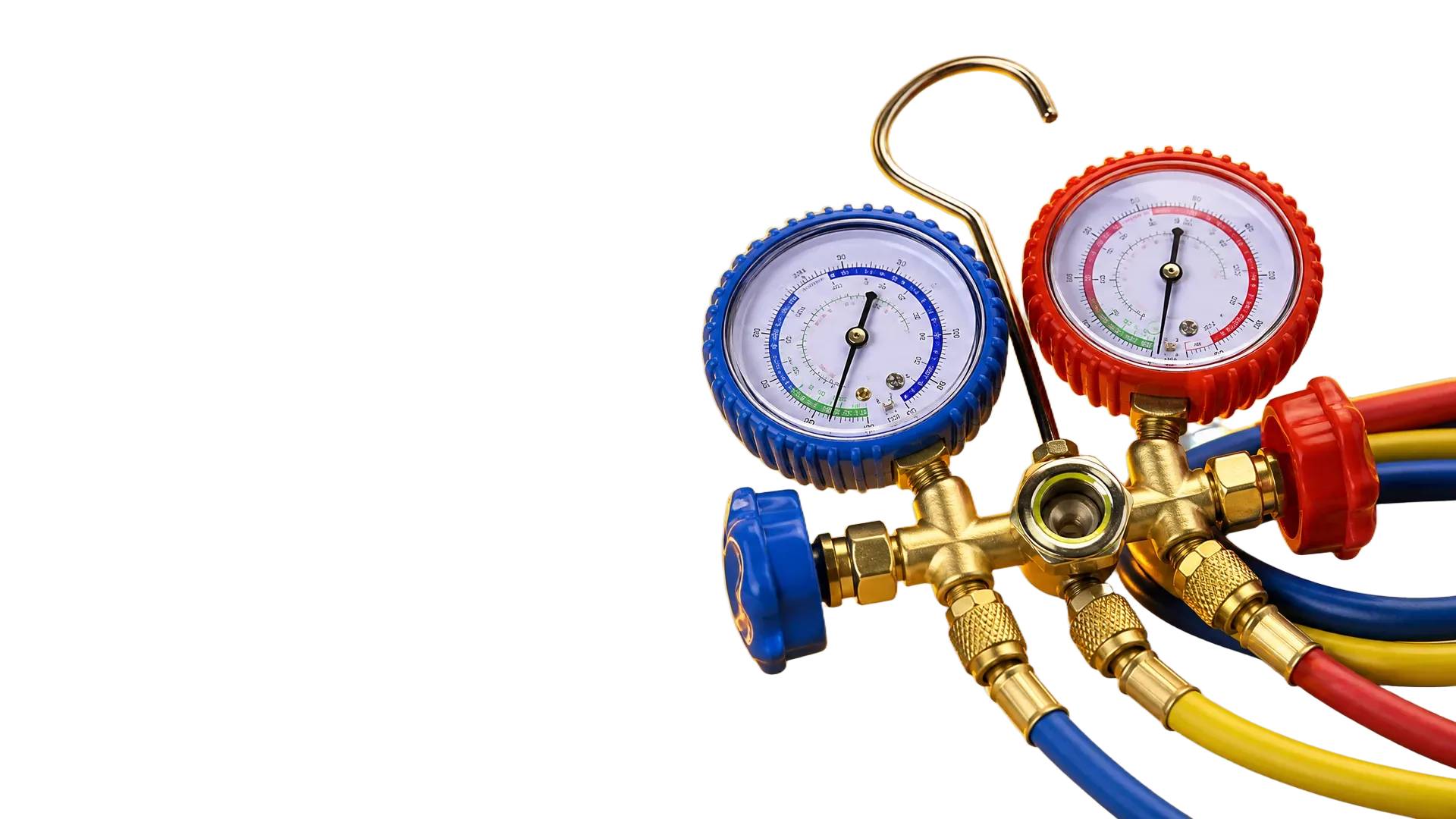
What happens to the old system
The old equipment doesn't just sit there once the new heat pump is in. If it's a furnace coming out, it gets disconnected from the gas line and the gas line gets capped off properly, not left for someone to find later. An old condenser gets unbolted from its pad and hauled off, and the pad itself either stays for the new unit or gets broken up if the new placement is different. Refrigerant in the old system has to be recovered into a tank rather than released, that's a legal requirement, not a courtesy. Copper line sets, the old condenser, the furnace cabinet, all of it typically gets scrapped for the metal rather than thrown out whole. If the old system used a different refrigerant than what's standard now, the installer deals with that during recovery, it doesn't carry over into the new equipment. None of this is optional cleanup. A contractor who leaves the old condenser on its pad or the furnace in the basement hasn't finished the job.
Most homes here heat with gas
Gas heats 66.4% of homes in Colorado, more than any other fuel. Electricity runs 25.6% of them, and propane and fuel oil cover the rest. That doesn't rule out a heat pump. Most of those gas homes are heating with a furnace today, and a heat pump installation usually means pairing a new heat pump with the existing ductwork, sometimes keeping the furnace as backup for the coldest nights rather than pulling the gas line out. Whether that backup furnace makes sense depends on the home and what the installer finds on site.
Colorado sees more hail, wind and outages than almost any other state, so plan for them now.
Tell us about the job
Takes about a minute. No obligation.
Fill out the form and a licensed installer will tell you what your home needs.