September is when a weak heat pump gets found out
Heat in Lamar runs October through April. September is the month to get a heat pump looked at, before it has to carry the first cold mornings of the year.
Takes about a minute. No obligation.
Heat in Lamar runs October through April. September is the month to get a heat pump looked at, before it has to carry the first cold mornings of the year.
A heat pump that struggled last winter will show it again when it switches over to heat. A part that was already worn tends to fail under that first real load, not before.
NOAA nClimDiv, 1991–2020 normals
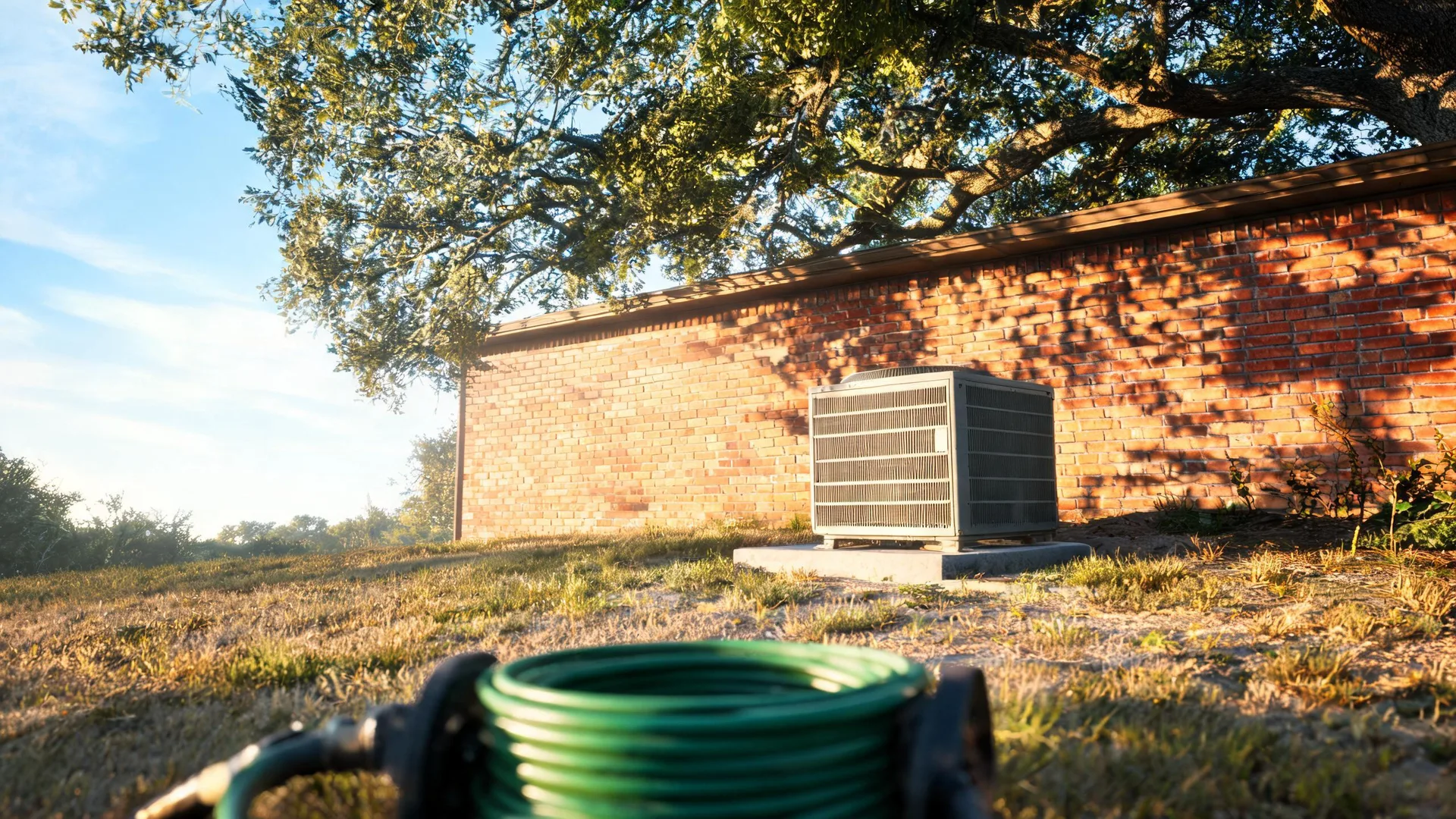
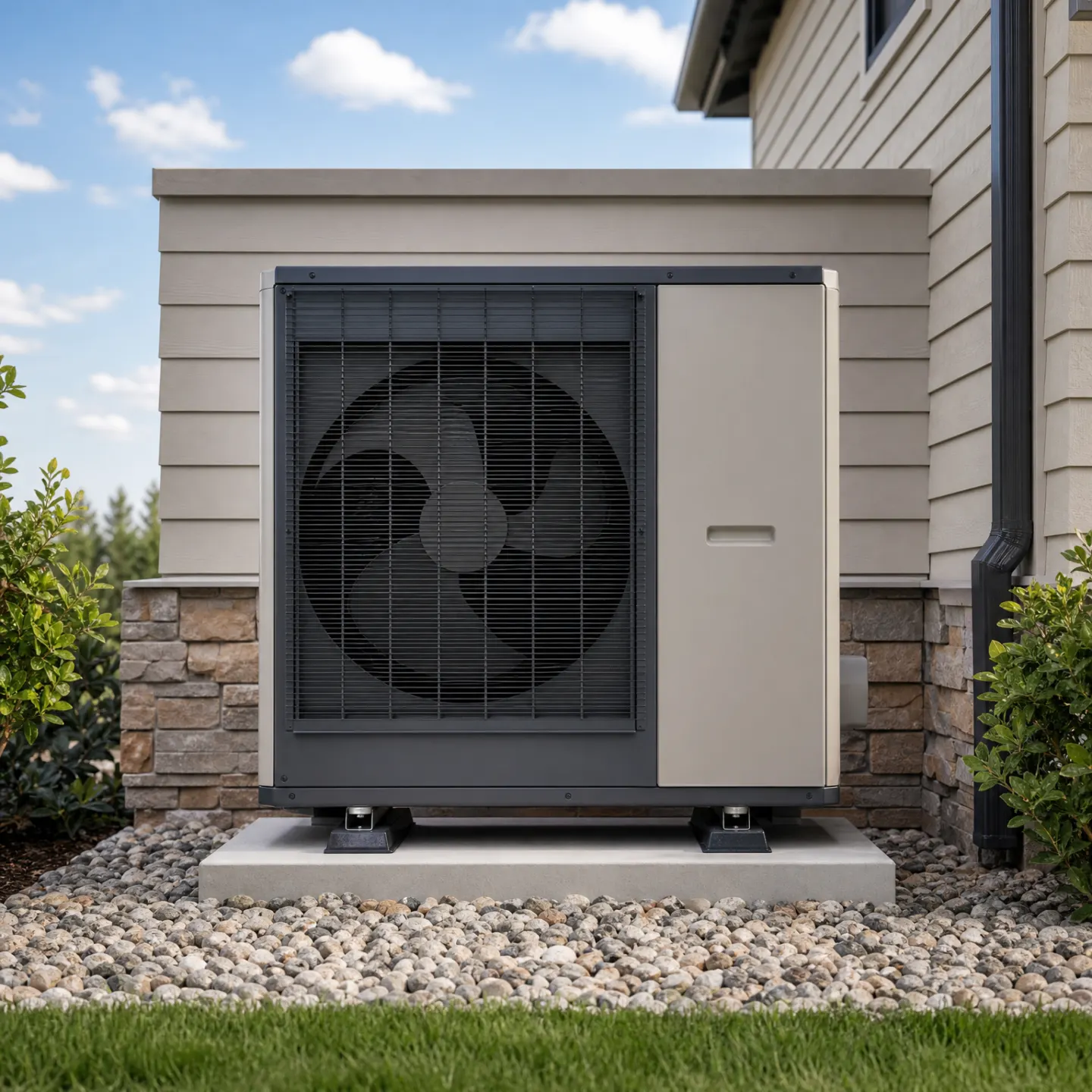
Check the outdoor unit before anything else. If ice is covering the coil instead of just frosting it, or the fan isn't spinning at all, that's worth noting for the tech.
Check your thermostat is set to heat, not auto cool, and the breaker hasn't tripped. Simple as that sounds, it rules out a call for something that isn't a repair at all.



Lamar sees its share of rough weather, 115 hail events and 132 damaging wind events over the past decade. None of that is unusual for a heat pump. The outdoor unit is built to sit outside and take wind and hail like any other outdoor appliance. Winter nights here average 19°F, cold enough to lean on the system but nothing a working heat pump can't handle. If yours is struggling, the weather isn't the reason. Something in the unit needs a look.
Half the homes in Prowers County were built in 1971 or earlier. If your heat pump is the one that came with the house, it's old enough that a repair is worth questioning before it happens. Find out how much life is left in it first.
Find a contractor
A heat pump works the same number of cycles every winter whether the house around it is old or new. What adds up is how many winters it's already logged. If yours is original to a house built decades back, ask the tech for its age and condition before agreeing to the repair. A straight answer on what's left in it tells you whether to fix what's broken now or let this be the last one you pay for.
A heat pump in heat mode should feel warm at the vents, not just moving air. Air that feels barely lukewarm or flat out cold usually points to a refrigerant charge that's low, a reversing valve stuck in the wrong position, or a compressor on its way out. This is the complaint that sends most people looking for a repair in the first place.
Listen for a unit that almost never shuts off but the house still feels off target. A heat pump that cycles constantly without catching up is often fighting a dirty coil, a failing fan motor, or a system that's lost refrigerant. The longer it runs like that, the harder the compressor works, and that's the part you don't want to replace.
A heat pump that's icing up or short on charge doesn't fix itself by staying on. The compressor keeps pushing refrigerant through a system that's already low, and it runs hotter than it was built to run. Ice on the coil blocks the airflow that coil needs, so the unit pulls harder and the ice only builds. A reversing valve stuck halfway puts strain on parts that were never meant to share the load that way. None of this gets better with time. It gets worse until the compressor is the part that fails, and that one doesn't get patched. It gets replaced.
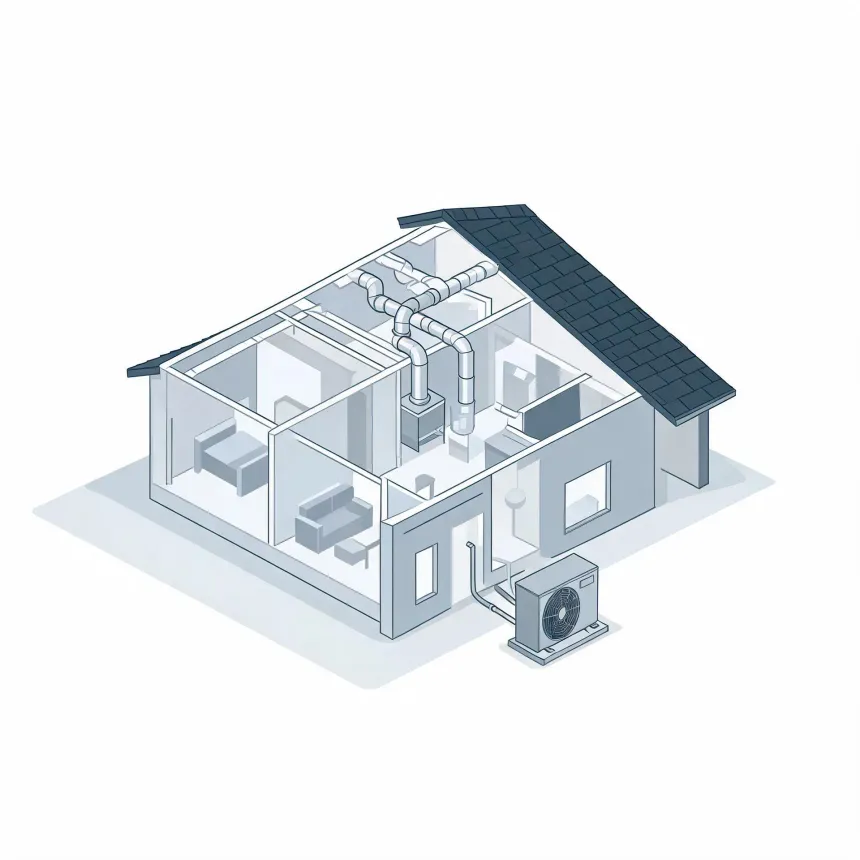
A diagnostic visit starts outside, not at the thermostat. The tech checks refrigerant pressure, looks at the reversing valve, and watches whether the outdoor fan and compressor are actually working together or fighting each other. Inside, they'll pull the cover and check the coil for ice or buildup, test the capacitor, and look at the board for a fault code if the unit keeps one. A lot of this comes down to pressure readings and amp draw, numbers that don't lie even when the symptom is confusing. Once the bad part is found, the tech can tell you if it's a part worth replacing or a sign the compressor itself is failing. That's the answer you're actually paying for.