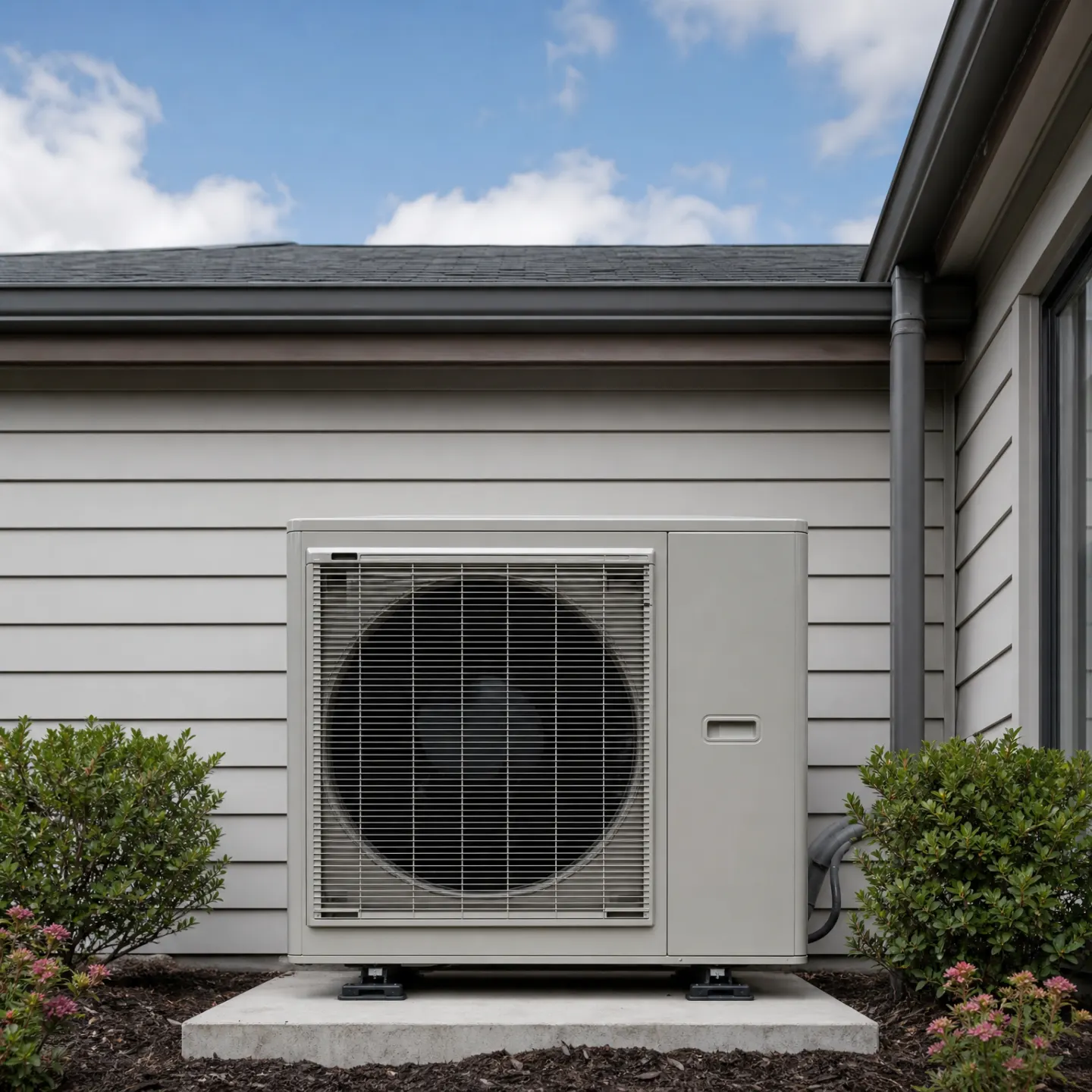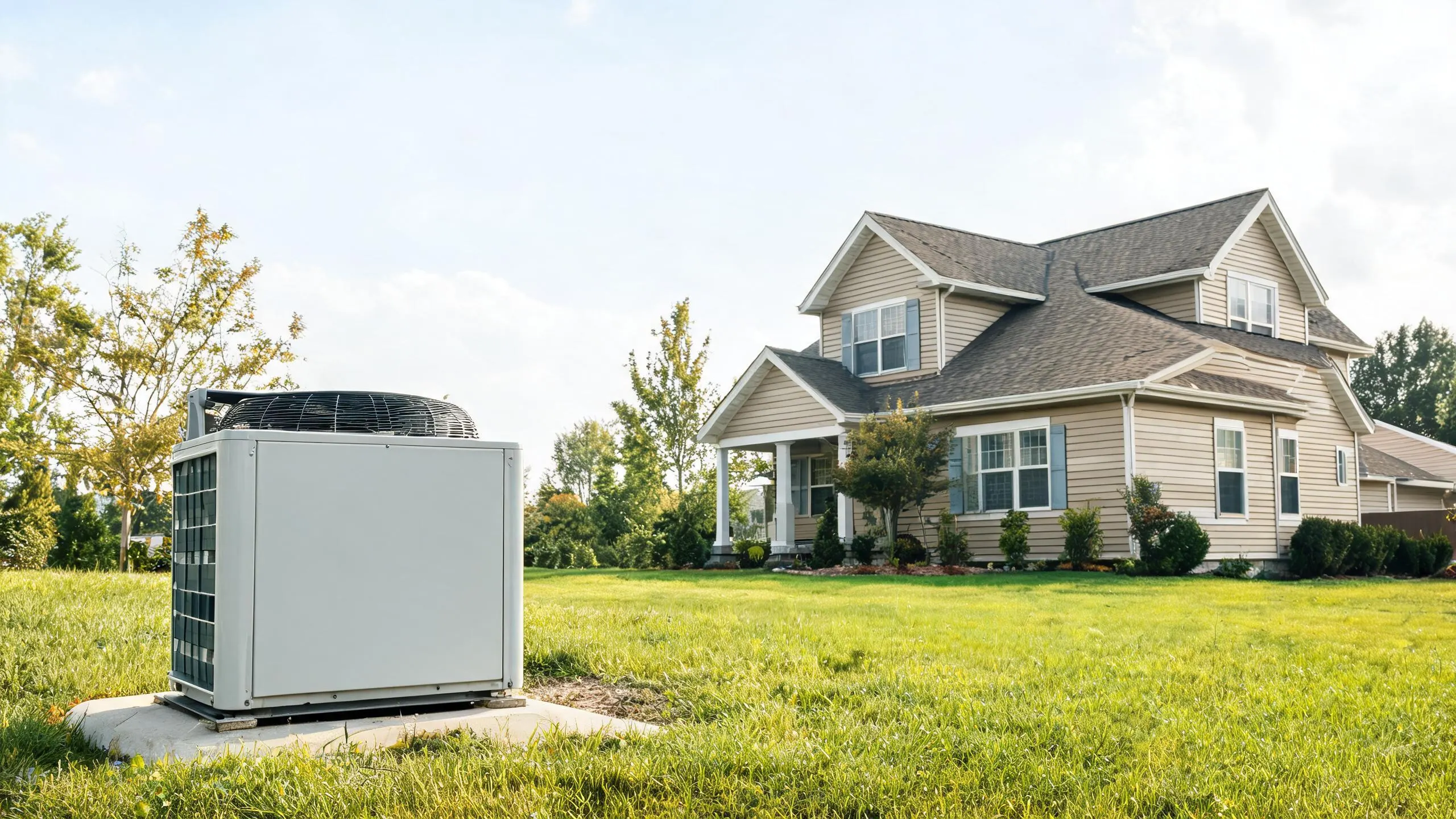
An outdoor HVAC condenser unit on a concrete pad in front of a two-story suburban house.

Heat Pump Repair in Cortez, CO

Tell us about the job

Takes about a minute. No obligation.

Step 1 of 3: Equipment

The compressor decides the question

A heat pump that won't hold heat or won't switch out of defrost can usually be repaired if the compressor itself is sound. Once the compressor is failing, replacing the whole system is the only real option, since that part isn't swapped out on its own. The reversing valve, the defrost board, the fan motor, those get fixed as a matter of course.

Repeated failures mean something different than one failure

A stuck reversing valve or a bad sensor is a normal repair, and fixing it settles the matter. A unit that keeps coming back with a new failure every few months is breaking down from the inside, and no single repair changes that pattern. The question isn't whether this fix is worth doing, it's whether another one is coming right behind it.

8 months
October through May, your system heats
2 months
July through August, it cools
19°F
the average winter night it heats against
84°F
the average summer afternoon it cools against
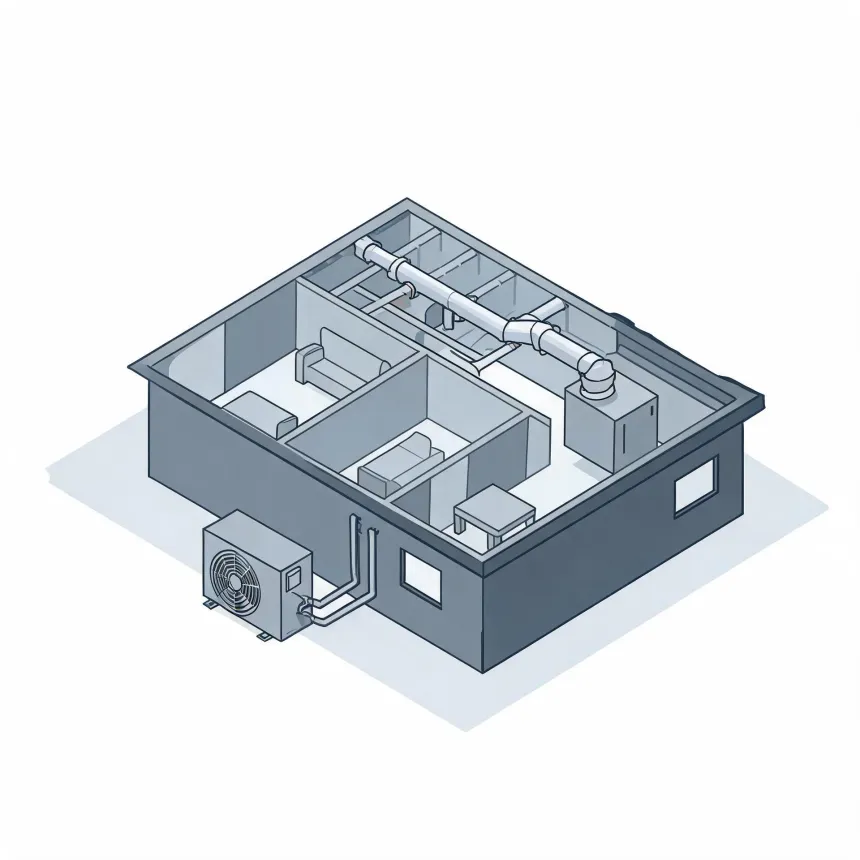
Isometric line illustration of a cutaway single-story building showing interior rooms, ceiling ductwork, an indoor air handler, and an outdoor condenser unit connected by refrigerant lines.
Your system heats October through May and cools July through August.

NOAA nClimDiv, 1991–2020 normals

A heat pump low on refrigerant keeps running the compressor harder to make up the difference.

Left alone, that same shortage is what burns the compressor out, turning a simple recharge into a full system swap.

October is when a weak heat pump here shows it

Cooling runs July through August
Heat runs October through May
22 damaging wind events from 2015 to 2024
Power here isn't cheapColorado electricity ran 14.92 cents per kilowatthour in 2024, so a heat pump limping along costs you more every month it runs that way.

Half the homes in Montezuma County were built in 1986 or later, so there's a real chance yours is one of them. A heat pump that age has usually seen moderate use and no major disasters, just normal wear. That favors repair over replacement when something goes wrong, since the rest of the system still has years in it. If your heat pump came with the house, check the year it was built against when the system was installed. The two don't always match, especially if a prior owner replaced it, but it's worth knowing before you decide anything.

Cortez winters are cold, not brutal, on your heat pump

Overnight lows here average 19°F in winter, cold enough to put a heat pump to work but not the kind of extreme that wears a compressor down fast. The bigger risk is wind and snow knocking loose a connection or icing up a unit, not heat load working it to death. A heat pump that's been running in these conditions has usually had a fair shake. If something's gone wrong now, it's worth finding out what before deciding it's not worth fixing.

Find a contractor
A man in a cap, dark long-sleeve shirt and brown pants carries a canvas tool bag up wooden porch steps toward a navy front door beside a potted shrub.
A gray heat pump condenser unit mounted on a concrete pad against the gray lap-siding exterior wall of a house.

Less time running means less wear to work around

A heat pump installed with a newer home hasn't logged the hours an older one has. Fewer hours on the compressor means less wear, so a repair now is more likely to hold. Worth asking the contractor straight out whether the failure looks like normal wear or something that points to more trouble coming.

What the thermostat is telling you

A heat pump that's struggling shows up at the thermostat before anywhere else. The system runs and runs without hitting the set temperature, or it hits it and loses it again fast. Air coming out of the vents that feels barely warm, not cold and not quite warm either, usually means the system is stuck between heating and cooling modes or losing refrigerant. Short cycling, where the unit kicks on and off every few minutes instead of running a full cycle, points to a sensor or control board issue rather than the compressor itself.

What you hear and see outside

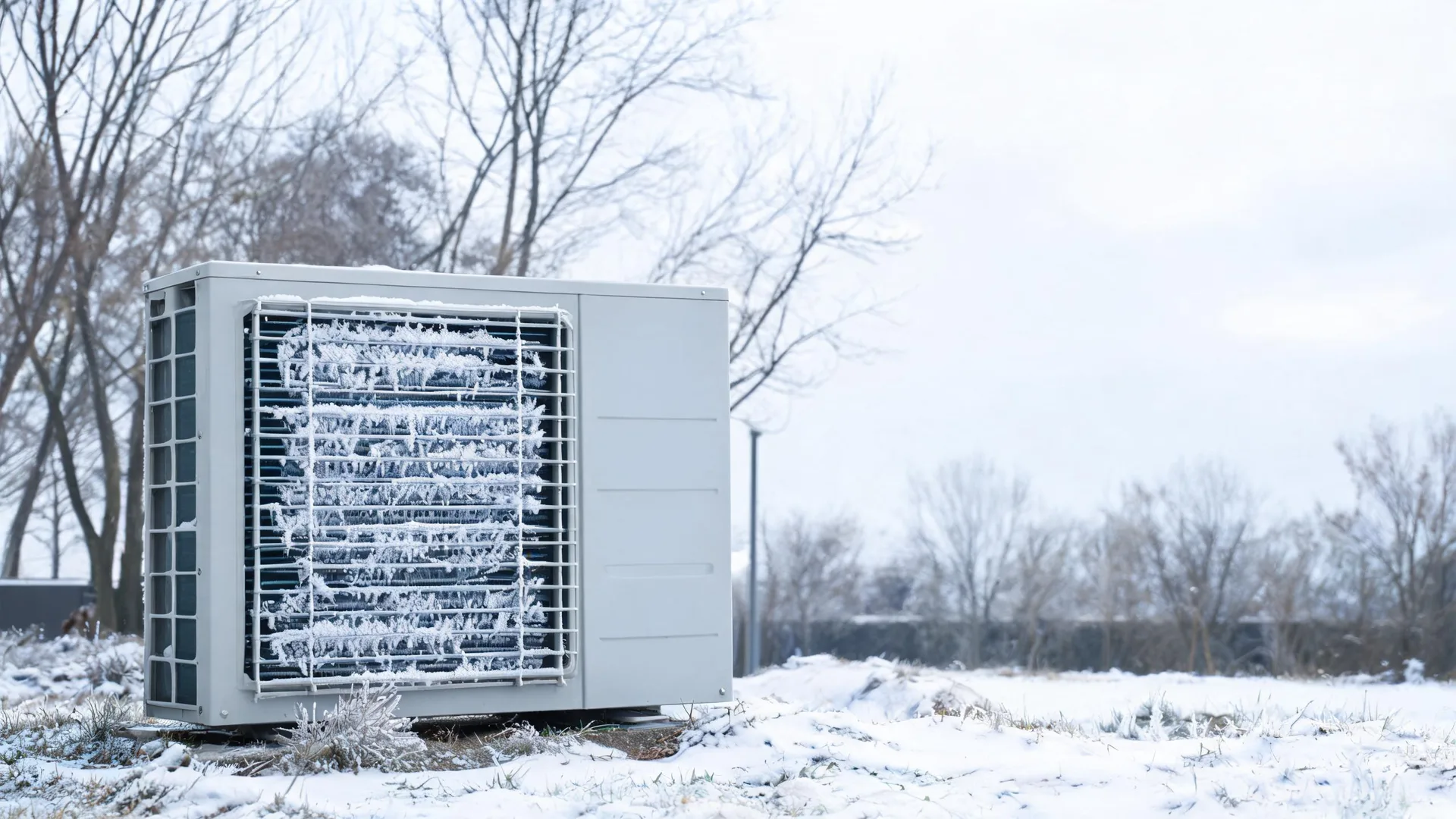
Walk out to the outdoor unit when something feels off. Ice building up on the coil during a stretch when it shouldn't be defrosting means the defrost cycle isn't triggering right. A fan that's spinning slow, rattling, or not spinning at all is usually a motor or capacitor problem, not something structural. Listen for a hard clunk when the system switches between heating and cooling. That's often the reversing valve, and it's worth mentioning to the contractor exactly when you hear it happen.

A few things are worth checking before anyone comes out. Look at the air filter first. A filter packed with dust chokes airflow and can make a heat pump act like it's failing when it just can't breathe. Check the outdoor unit for anything blocking it, leaves, a snow drift, branches pressed up against the coil. Make sure the thermostat is actually set to heat and the temperature is set above room temperature, simple as that sounds, it gets missed. Check your breaker panel for a tripped breaker before assuming the unit itself is dead. None of this fixes a bad reversing valve or a failing compressor, but it rules out the easy stuff first, and it gives the contractor a clearer picture of what's actually wrong when they do show up.

A diagnostic visit starts with the thermostat and the history, what the homeowner heard or felt before calling. From there a contractor checks refrigerant pressure, since that single reading points toward a leak, a failing compressor, or a stuck reversing valve depending on what it shows. They'll test the capacitor and the fan motor, check the defrost board for a stuck relay, and look at the sensors that tell the system when to switch modes. Electrical connections get checked too, since a loose wire at the contactor can mimic a much bigger problem. Most of this takes less time than people expect, because the symptoms usually narrow the list fast. What takes longer is confirming the compressor itself is sound, since that's the part that decides whether the rest of the diagnosis even matters.