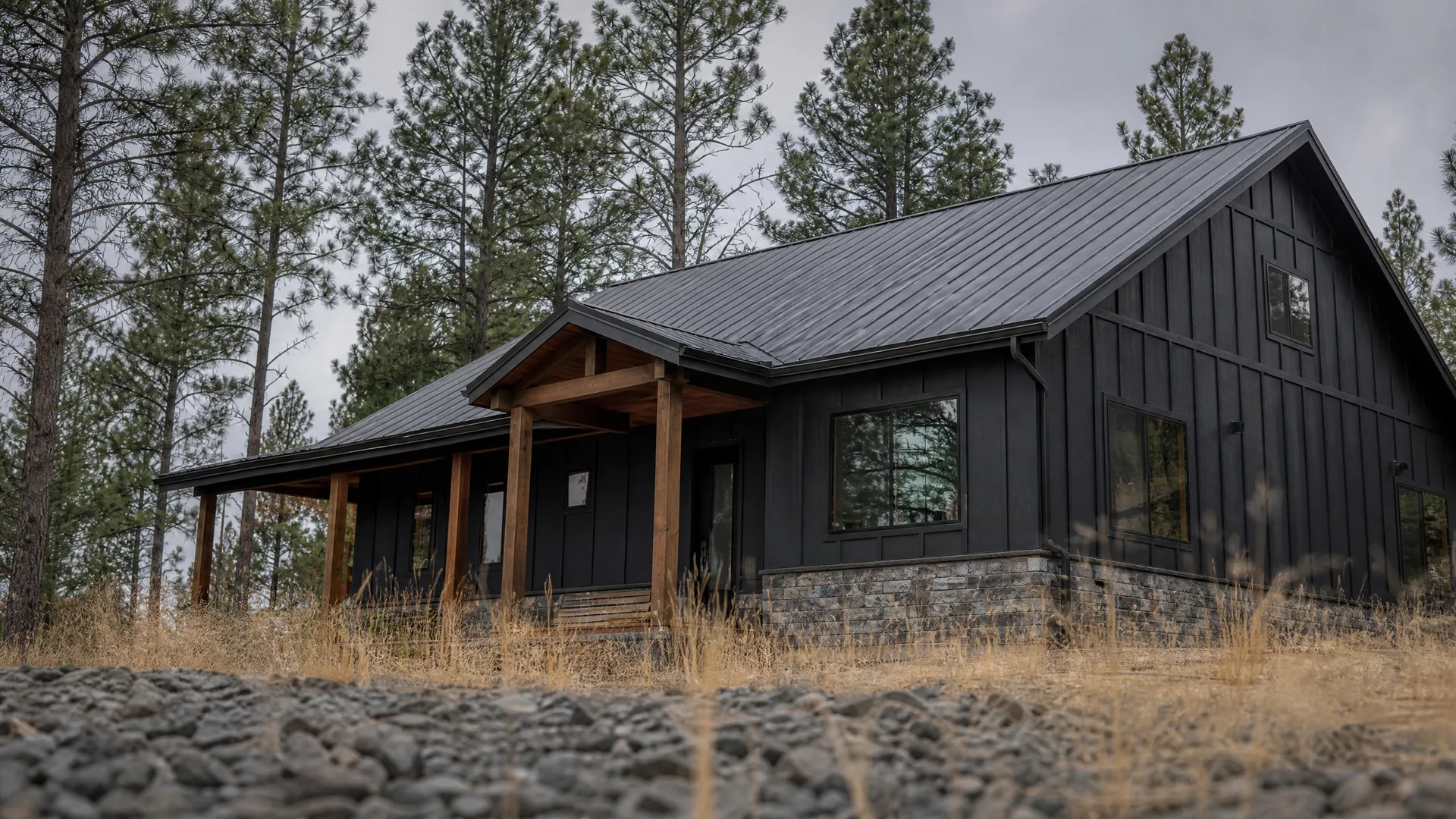
A black board-and-batten house with a metal roof, wooden porch posts and a stone foundation, surrounded by dry grass, gravel and tall pine trees under an overcast sky.

Heat Pump Repair in Pagosa Springs, CO

Tell us about the job

Takes about a minute. No obligation.

Step 1 of 3: Equipment

August is when to get it looked at

Heat in Pagosa Springs starts up in September and runs clear through June. A heat pump that has been sitting idle all summer gets its first real workout the week that first cold morning hits, and that is when a weak part gives out.

A fix now beats a breakdown in September

Catching a problem in August means a contractor can diagnose it before you are relying on the system for heat. Wait until it is running every day and the same issue turns into an emergency call.

10 months
September through June, your system heats
13°F
the average winter night it heats against
78°F
the average summer afternoon it cools against
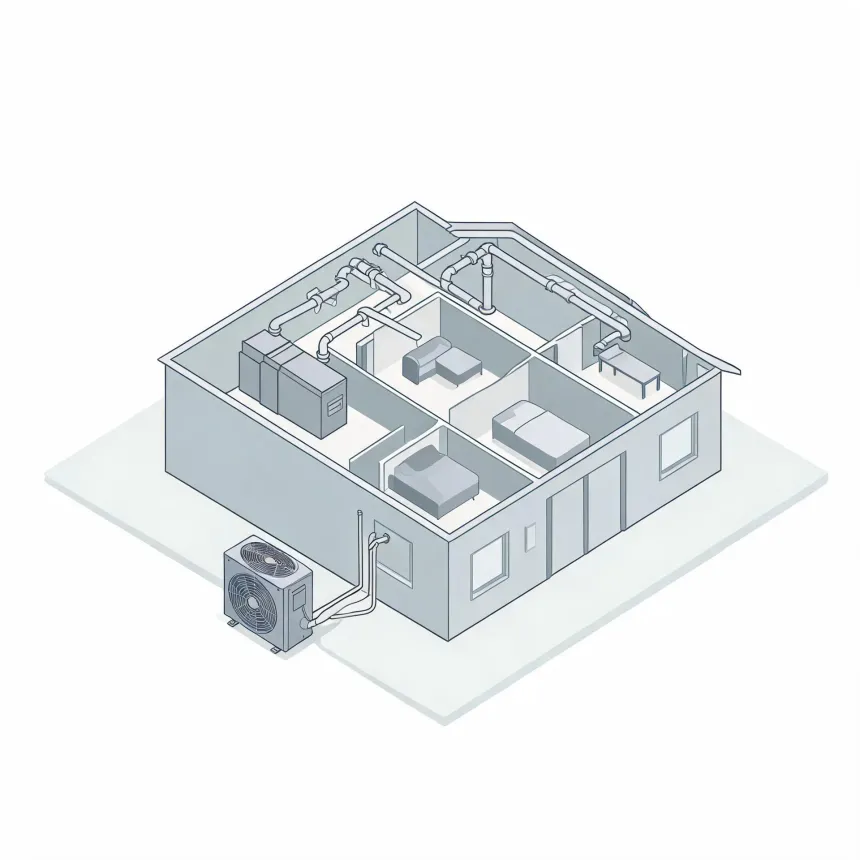
Isometric line illustration of a cutaway single-story house showing interior rooms with beds and furniture, ceiling ductwork connected to an indoor air handler, and an outdoor condenser unit linked by refrigerant lines.

A heat pump that sat idle through the summer has had months for a refrigerant leak to go unnoticed.

The system still kicks on, but with less refrigerant than it needs, so it runs long and puts out weak heat.

Half the homes here were built in 1996 or later, so a lot of these heat pumps still have years ahead of them

Half the homes here were built by 1996
123 winter storms from 2015 to 2024
Winter nights average 13°F

A heat pump that's low on charge or struggling to pull heat from cold air doesn't just heat poorly, it runs longer to make up for it. In Colorado that matters more than most places, since electricity here ran 14.92 cents per kilowatthour in 2024. A unit working harder than it should is pulling more power every hour it runs, and a heat pump runs a lot across a Pagosa Springs winter. Left alone, the same problem costs you every month it goes unfixed.

The longer it runs weak, the more it costs you

A heat pump running long and weak doesn't stay that way on its own. Get the real cause found and fixed now, and it stops costing you every month it's left alone.

Find a contractor
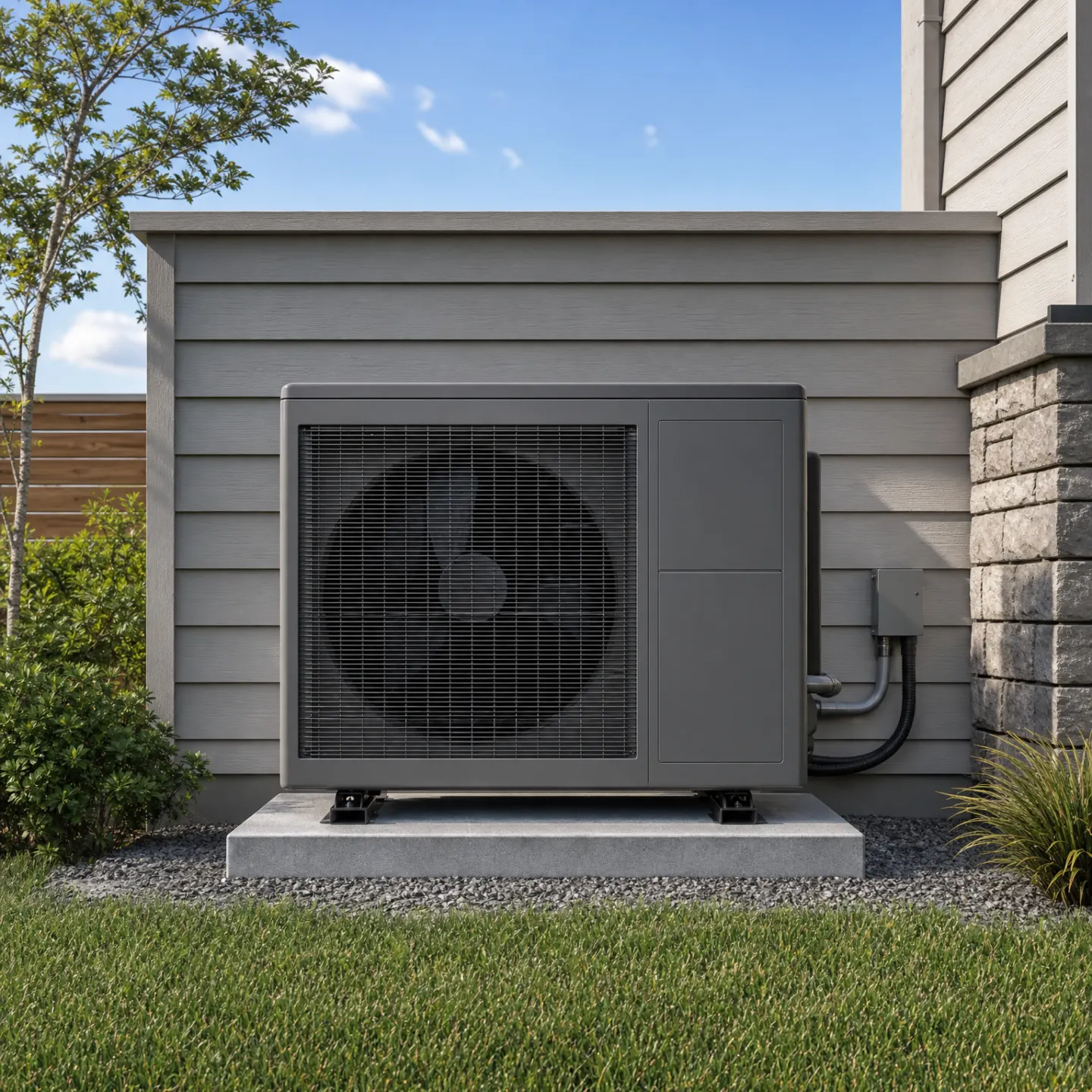
A gray heat pump outdoor unit mounted on a concrete pad next to a residential house with lap siding and stone accents.

Know the age before you decide

If your heat pump came with the house, check the paperwork or ask the contractor to pull the model number and date off the unit. A system that's only a few years old with a refrigerant leak or a worn part is a good candidate for repair, not replacement. Knowing the age before the contractor shows up means the visit goes straight to diagnosing what's wrong instead of debating whether it's worth fixing at all.

It's running but not keeping up

The system turns on, blows air, never seems to stop. Rooms stay a few degrees off no matter how long it runs. That's a heat pump struggling to pull enough heat from the outside air, usually a sign of a refrigerant leak or a failing compressor, not a thermostat problem.

It's making a sound it didn't used to

A click at startup is normal. A hum that doesn't turn into a running unit means the compressor is trying and failing to start. A buzz, rattle or grinding while it runs points to a loose part or a motor bearing going bad. The outdoor unit icing over when it shouldn't is another one worth a call, since the defrost cycle isn't doing its job.

Before you call anyone, there are a few things worth checking yourself. Look at the outdoor unit. If it's packed in ice or buried in leaves and debris, airflow is blocked and that alone can make the system struggle. Check your thermostat batteries and make sure it's set to heat, not just on. Go to your breaker panel and confirm nothing has tripped, both the indoor and outdoor unit usually run on separate breakers. If you have a filter you change yourself, pull it and hold it up to light. If you can't see light through it, that's restricting airflow and making the whole system work harder than it should. None of this fixes a refrigerant leak or a bad compressor, but it rules out the simple stuff before you pay someone to find out it was a dirty filter.

A diagnostic visit starts outside, at the unit itself. A contractor checks refrigerant pressure first, since that tells them right away if the system is low and leaking. From there they check the compressor, the capacitor, and the reversing valve, the part that lets a heat pump switch between heat and cooling. They'll run the system through a full cycle, watching how it starts, how long it takes to come up to temperature, and whether the outdoor unit goes into defrost when it should. Electrical readings come next, checking the motor and control board are getting the voltage they need. By the end, you should know exactly which part is failing and whether it's worth fixing, not just that something's wrong.