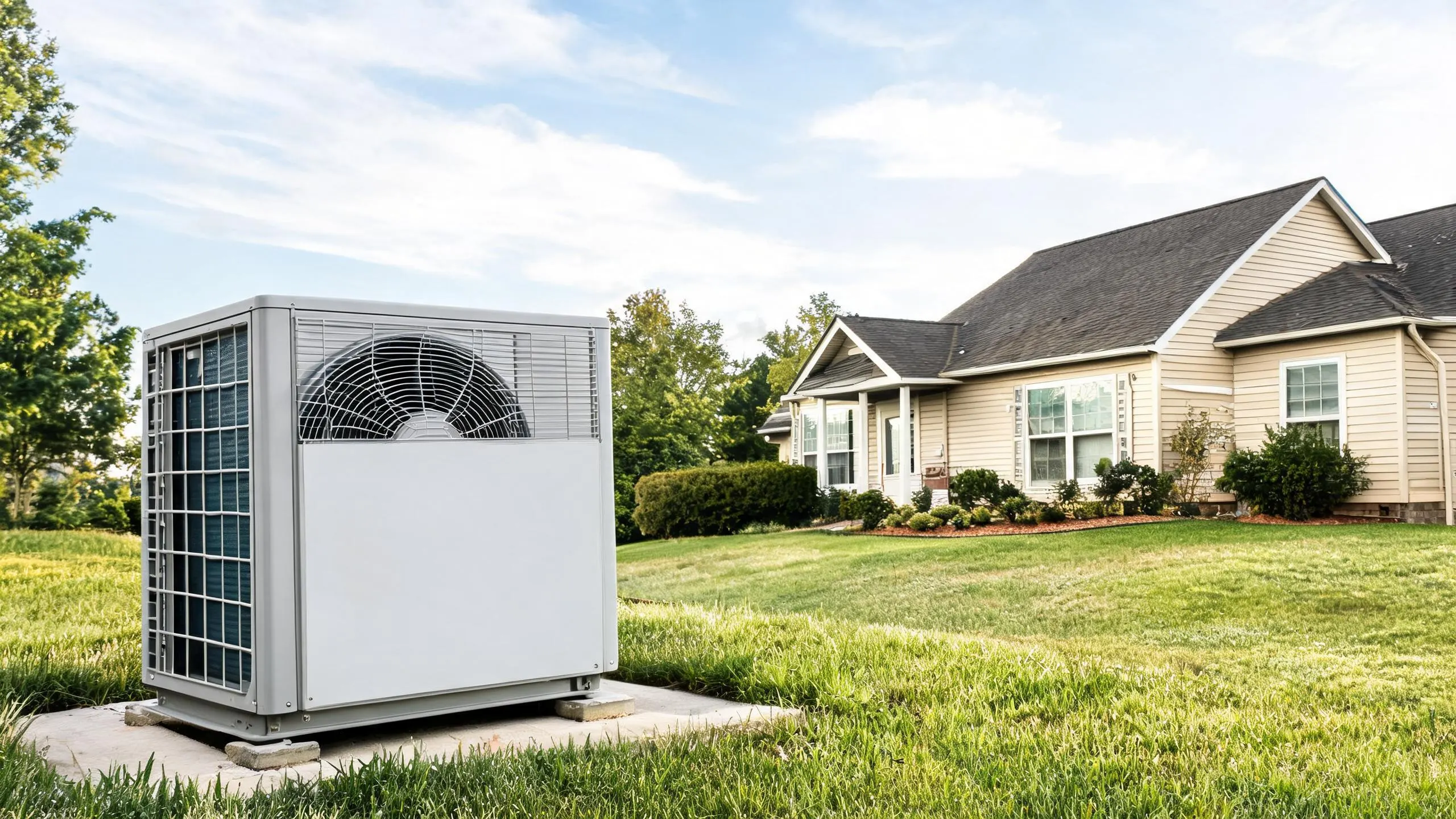




An outdoor heat pump unit mounted on a concrete pad in front of a single-story suburban house with beige siding.

Heat Pump Repair in Central, CO

Tell us about the job

Takes about a minute. No obligation.

Step 1 of 3: Equipment

Winter nights in Gilpin County average 15°F, and that's cold enough that a heat pump has to work for every degree it puts out. If yours is losing ground, blowing cool air, or running nonstop without catching up, that's not this county being unusually hard on the equipment. It's almost always one of a handful of things. Low refrigerant, a failing defrost control, a reversing valve stuck in one position, or a compressor on its way out. Heavy snow and ice have hit this area 74 times in the past decade, and that can matter if the outdoor unit is iced over or buried, because blocked airflow will do this too. Worth checking that before assuming anything more serious is wrong.

15°F
the average winter night it heats against
70°F
the average summer afternoon it cools against
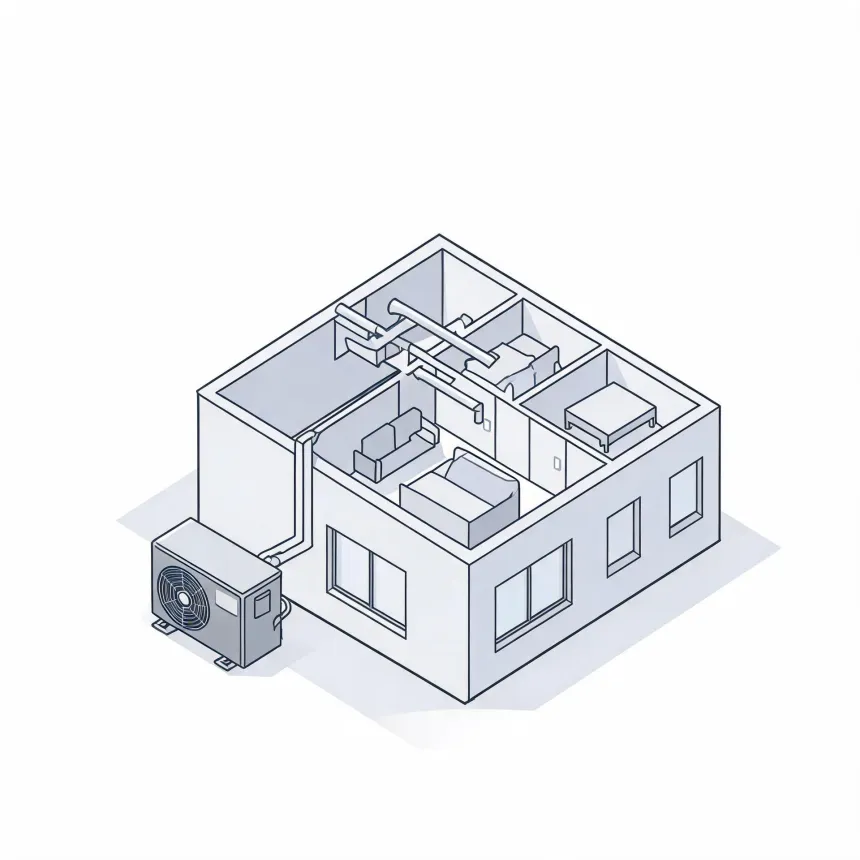
Isometric line illustration of a cutaway single-story house showing interior rooms with furniture and ceiling ductwork, connected to an outdoor condenser unit on the ground outside the left wall.

Half the houses in Gilpin County were built in 1984 or later.

A heat pump that came with a newer house still has working life in it, which makes repair worth a real look before anyone talks about replacing it.

At 14.92 cents a kWh, a heat pump that's struggling is costing you every month it runs

Power costs 14.92 cents a kWh statewide
Climate zone 5B
71 damaging wind events from 2015 to 2024
A struggling heat pump wastes money every day you waitGet the real cause found and fixed before another month of bills goes by.

If your heat pump came with a newer build here, get a diagnosis before anyone talks about replacing it. A stuck reversing valve or a failing defrost control is a repair, not a reason to pull a unit that's only a few years old. Ask the contractor what's actually wrong before the conversation moves anywhere else. If the house dates to 1984 or earlier, that's worth mentioning too, since it changes what the contractor should be checking first.

Get the usual fix

Nothing about this area is especially hard on it. It's most likely the usual problem with the usual fix.

Find a contractor
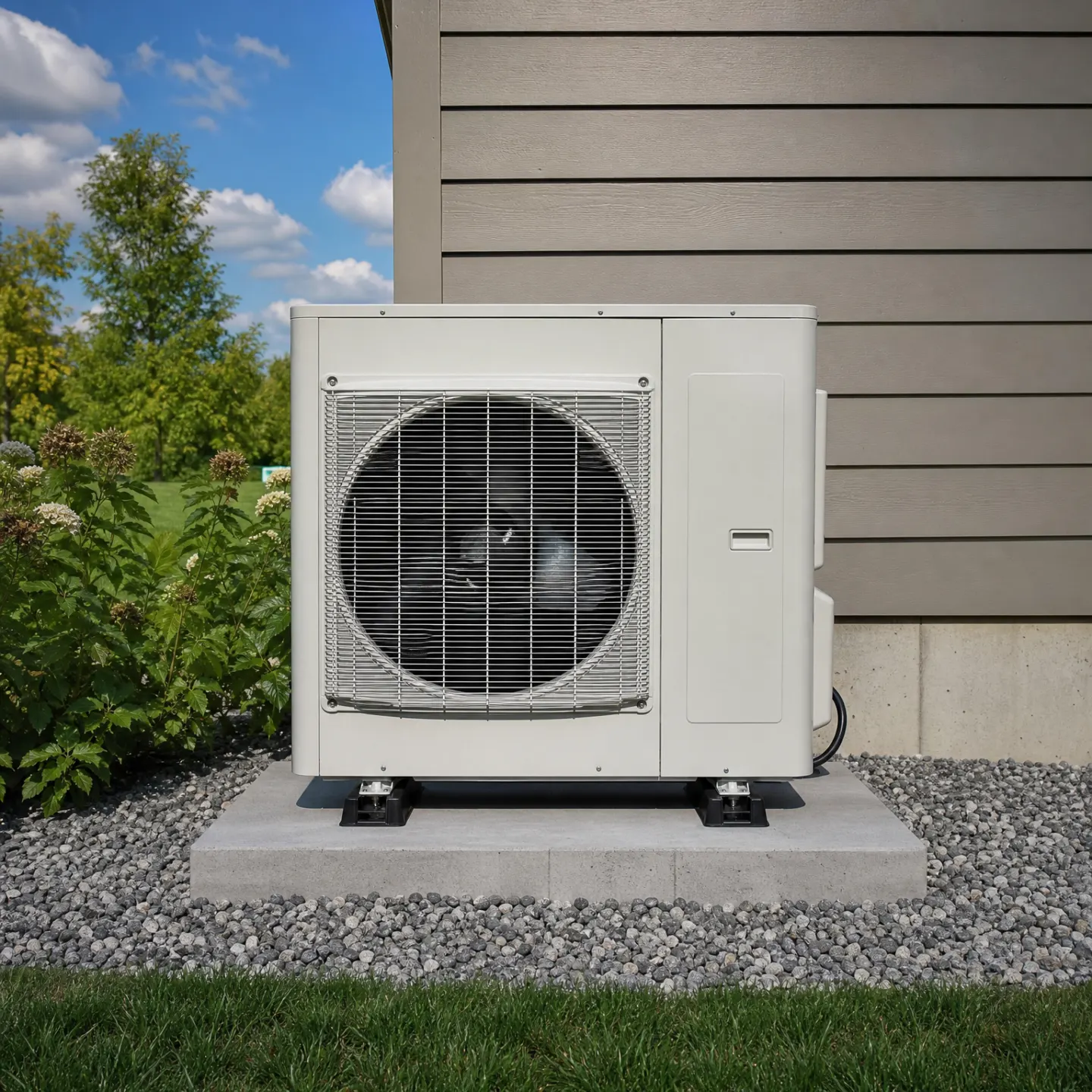
A white mini-split heat pump outdoor unit mounted on a concrete pad beside a gray-sided house, surrounded by gravel and green shrubs.

What actually wears out first

A heat pump runs in both directions, and the reversing valve is the part that makes that possible. It's also a common failure point. It can stick partway, or stop switching at all, leaving the system unable to commit to heating or cooling properly. The defrost cycle is the other weak spot particular to this machine. A sensor and a control board are supposed to time frost off the outdoor coil on a schedule. When the sensor drifts or the board fails, the unit either never defrosts and ices over, or defrosts too often and can't keep up with the house. Refrigerant charge matters more here than in a straight air conditioner, since the same charge does both jobs, and a slow leak tends to show up as weak heat before anything else gives it away. The compressor is the part nobody wants to hear about, and by the time it's failing, it's usually failing because of something upstream, a bad valve or low charge that made it work harder than it should have for a long time. Worn contactors and failing capacitors cause their share of no-start complaints too, and those are plain fixes next to a compressor. Most failures trace back to the valve, the defrost control, or the charge, not the compressor itself.

Check the outdoor unit first

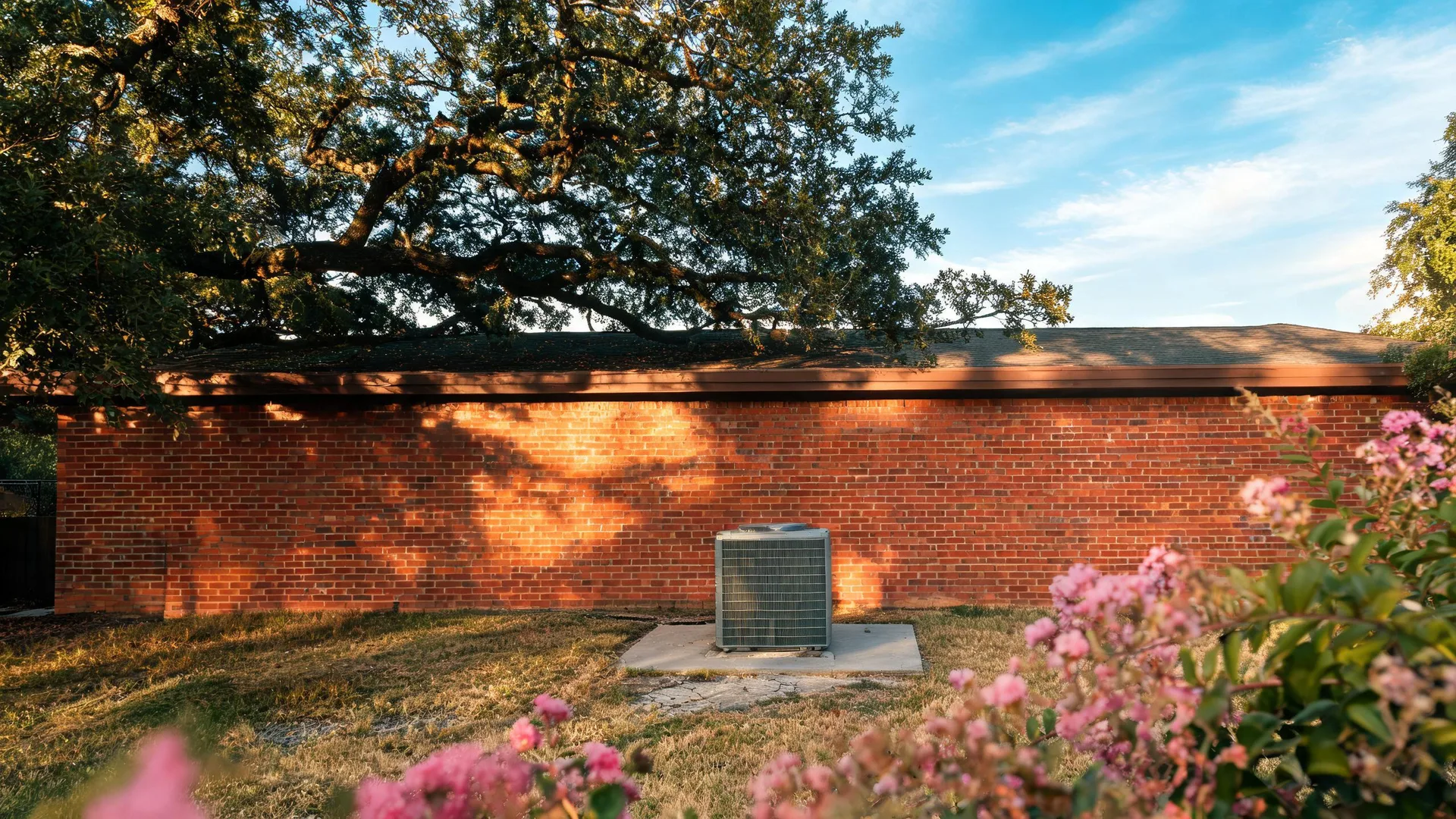
Look at it before you touch anything else. Snow piled against the sides, ice sheeting the coil, or leaves packed into the base all block the airflow the unit needs to move heat. Clear the snow back and give it open space on all sides. If the coil itself is iced over and it's not clearing on its own, that points to the defrost cycle rather than something you can fix by shoveling.
Check the inside before you call

Check the thermostat is actually set to heat and the temperature is above room level, since a setting bumped by accident looks exactly like a broken system. Then check the filter. A clogged filter starves the indoor coil of airflow and can make a working heat pump seem like it's failing. Check breakers too. If one's tripped, reset it once. If it trips again, that's a reason to stop and call rather than keep resetting it.

A heat pump that's icing over or losing ground on a cold night is already telling you something, and leaving it running doesn't give it a chance to catch up. Ice on the outdoor coil blocks airflow, and the harder the unit pushes against that, the more ice tends to build, so a small defrost problem turns into a coil packed solid. A system low on refrigerant behaves the same way. It runs longer to make the same heat, and that extra runtime is what pushes a struggling compressor toward a failed one. A reversing valve stuck partway is worse than one stuck fully, because the system fights itself, trying to heat and cool at once, and that strain lands on the compressor too. None of these get better with more runtime. They get better with the part that's actually wrong getting fixed.

Repair makes sense more often with a heat pump than it does with most other equipment in the house. So many of its common failures are a single part, not the whole machine. A reversing valve, a defrost sensor, a control board, a contactor. Those get replaced on their own, and the compressor and the rest of the system keep running like nothing happened. Replacement starts to make sense when the compressor itself is the problem, since that's the most expensive part to swap and the one most likely to make a contractor talk about the unit as a whole rather than a repair. It also makes sense when the same fault keeps coming back after being fixed, because that usually means something else is driving it that hasn't been found yet. Outside of those situations, a heat pump that's acting up is almost always a part away from running right again.