Furnace Installation in Colorado
Homes in Colorado are newer than in 40 of the other 49 states.
Tell us about the job
Takes about a minute. No obligation.
- 17°Fwinter overnight low where people live
- 9 monthsof heat, September through May
- $10.09 per million Btuwhat homes paid for natural gas in 2024 (Btu means British thermal units, a measure of heat)
- 2,634winter storms from 2015 to 2024
Hail and wind lead the storm count here more than almost anywhere in the country
- Heat needed most in Lake County, least in Baca County
- Winter nights average 17°F where people live
- Heat runs September through May
- 2,634 winter storms from 2015 to 2024
- Climate zones 4B, 5B, 6B and 7 across the state
- 13% of homes lost power a day or more in 2024

Colorado sees more hail than any other state
A furnace sized right for your house is all you need here. Nothing about Colorado calls for oversizing or for paying up for a tier you won't use.
Gas ran $10.09 per million Btu across Colorado homes in 2024. A standard-efficiency furnace installed correctly will run on that just fine, no upgrade required to make the numbers work.
Nine months of heat a year means August is the month to install
Heat runs September through May here, nine months out of the year, longer than 35 other states see. August is the month to get a new furnace in. Install it then and it's already tested and running before the first cold night sends everyone else scrambling for a contractor. Wait until the cold sets in and you're choosing from whoever still has a slot open.
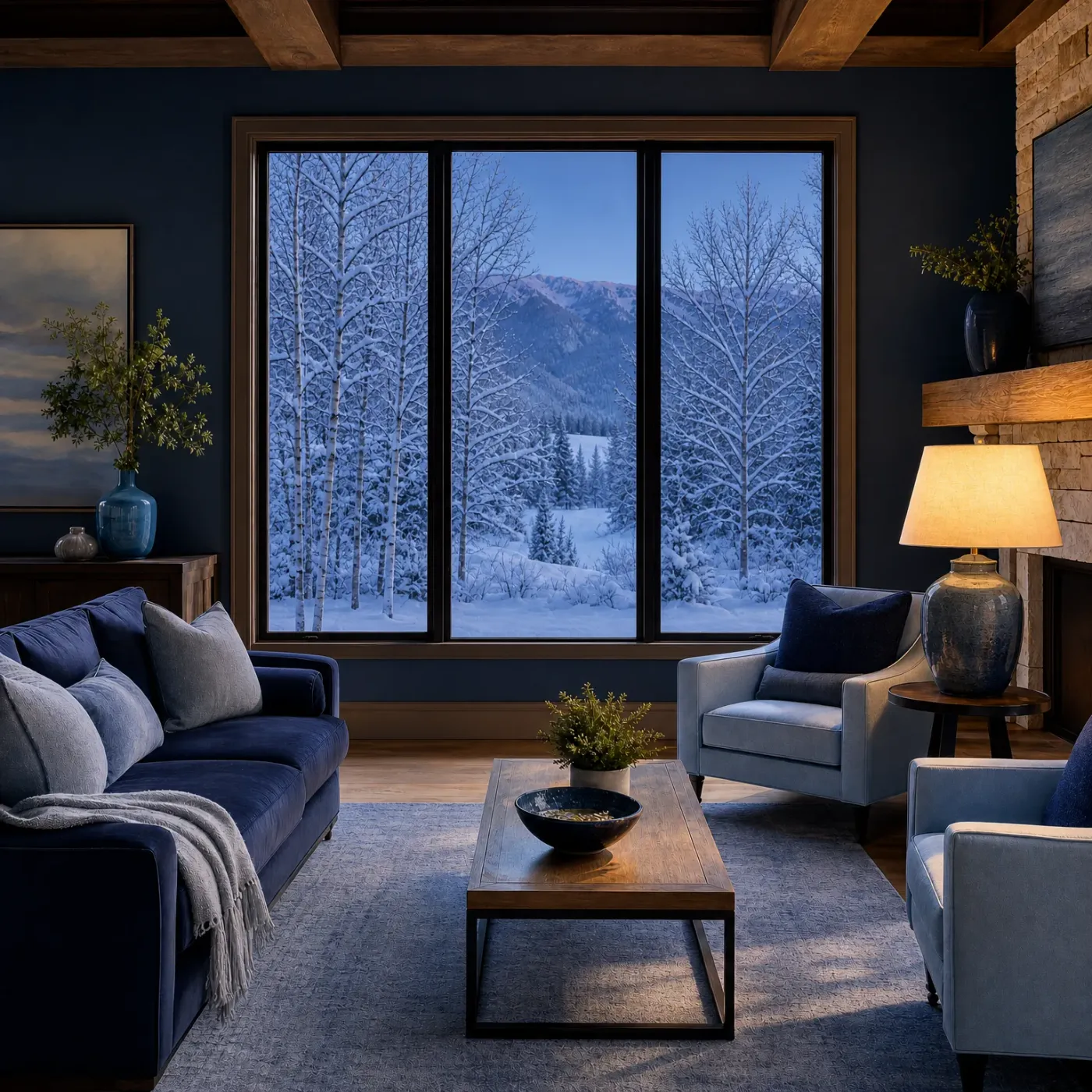
1 month of cooling, in July
9 months of heat, September through May
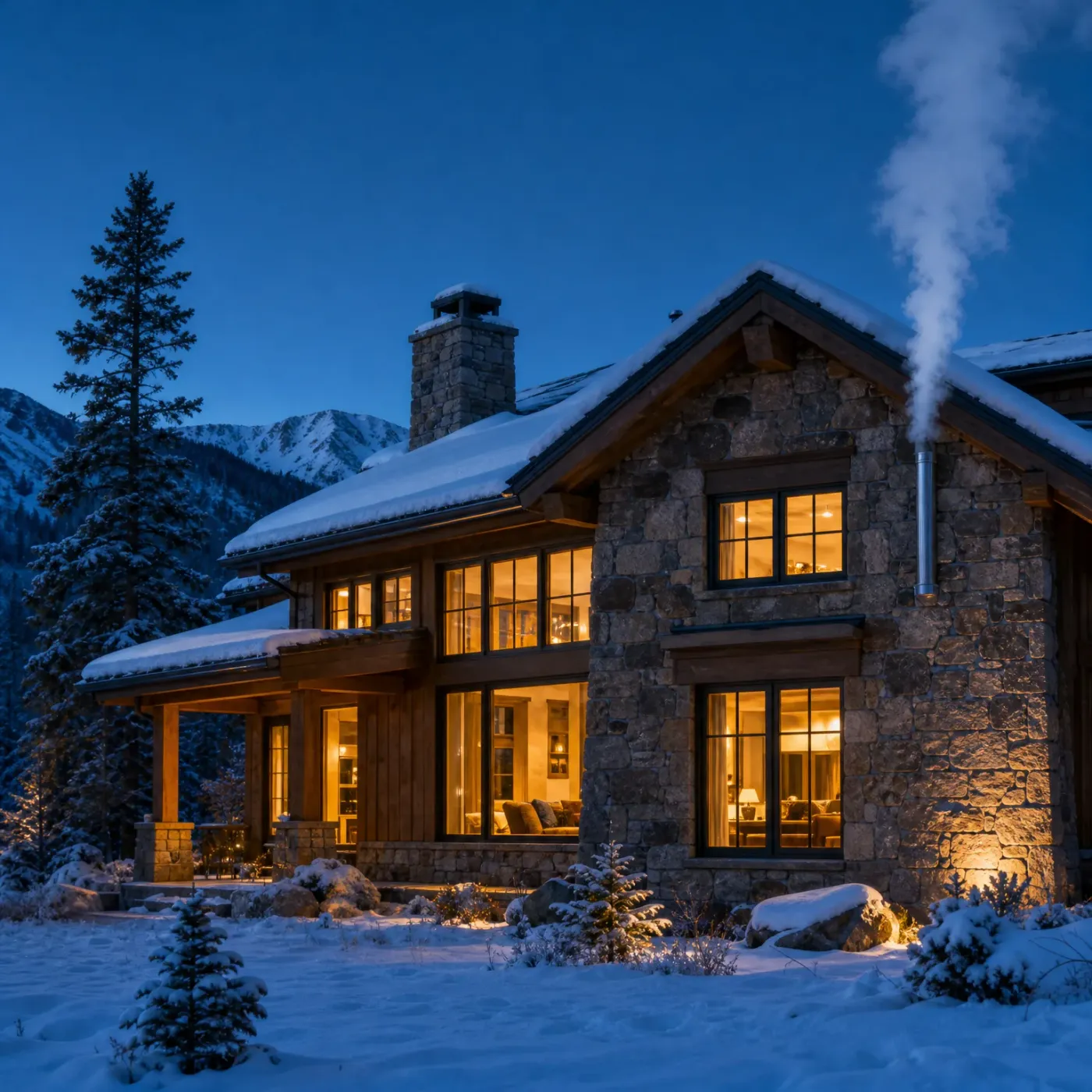
Furnace needs vary more by county here than the state numbers alone suggest. Homes in Lake County need about twice the heat over a year that homes in Baca County do, and Baca County is the lowest in the state. A furnace sized for one end of that range is wrong for the other.
Summit County runs its heat nearly year round, about 12 months, the longest stretch in Colorado. Otero County needs about 7. A system in Summit County is doing different work than one in Otero County, even though both are in the same state.
Winter nights split the same way. Lake County averages 6°F overnight across December, January and February. Baca County averages 20°F. A furnace built to hold a house steady at 6°F outside is working through a harder night than one that only has to answer 20°F.
None of this says why. What it says is where. If your home is in Lake County or Summit County, size the furnace for long, cold winters. If it's in Baca County or Otero County, the same install faces a shorter, milder season. Either way, the right furnace is the one sized for your part of the state, not an average of the whole thing.
What does a furnace in Colorado face?
How cold do winter nights get?
17°Faverage overnight low where people live
North Dakota4°F
Hawaii65°F
How many months does the heat run?
9 monthsof heating a year
Hawaii0 months
Alaska12 months
What does natural gas cost?
$10.09per million Btu, what homes paid in 2024
Montana$7.77
Hawaii$53.25
How often do storms hit?
455severe weather events per county from 2015 to 2024
Alaska5
Wyoming1,057
How many homes lost power for a day or more?
13%of homes in 2024
Arizona7%
Maine54%
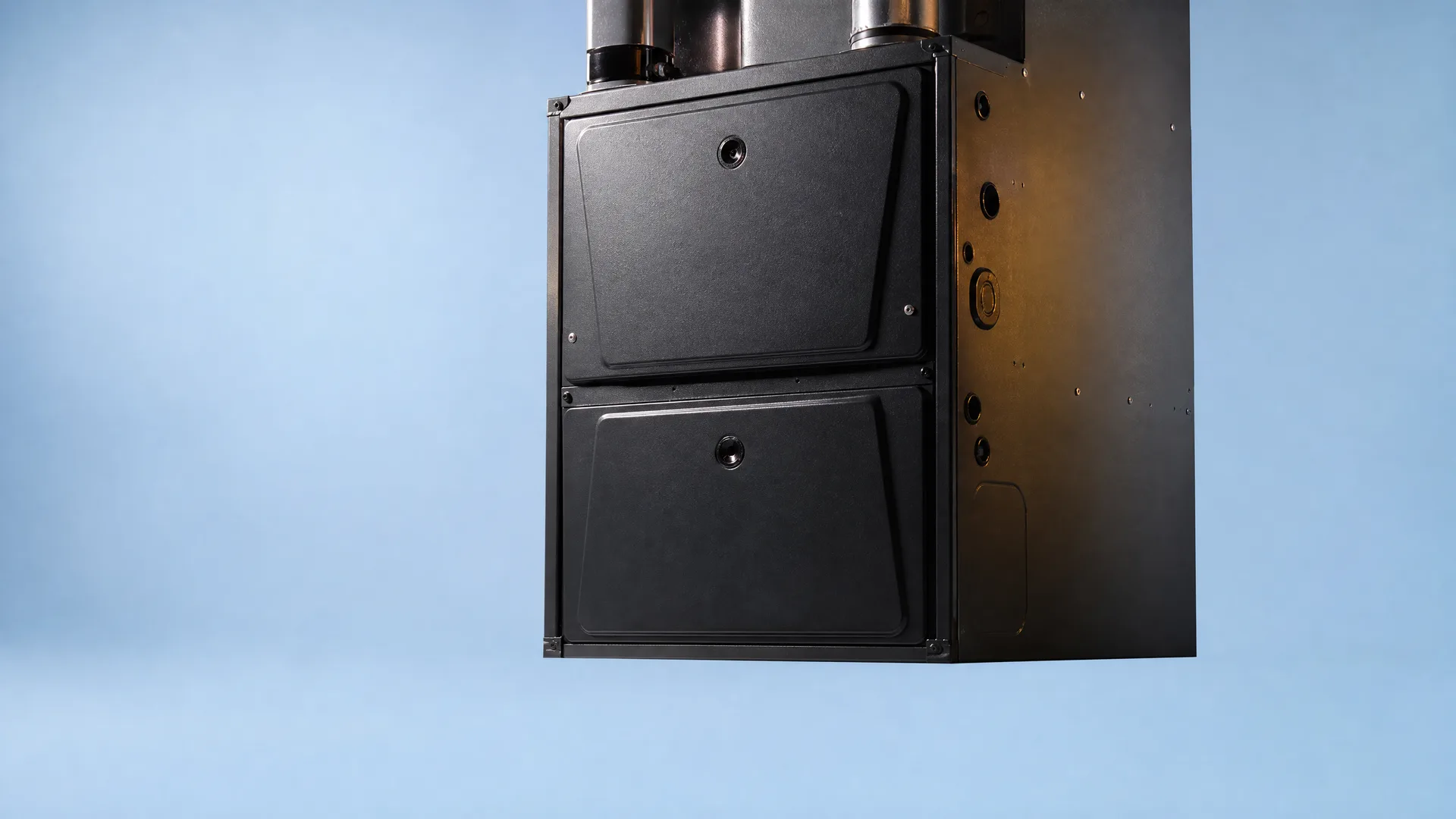
Nine months of runtime wears on a furnace faster than a short season ever would
Nine months of heat a year is a lot of hours on an igniter and a blower motor. Overnight lows averaging 17°F across December through February mean the burner is cycling on through the coldest part of the night, not just taking the edge off in the evening. A furnace sized right for your house runs a season like that without strain. One sized wrong, even by a little, shows it sooner here than it would somewhere milder.
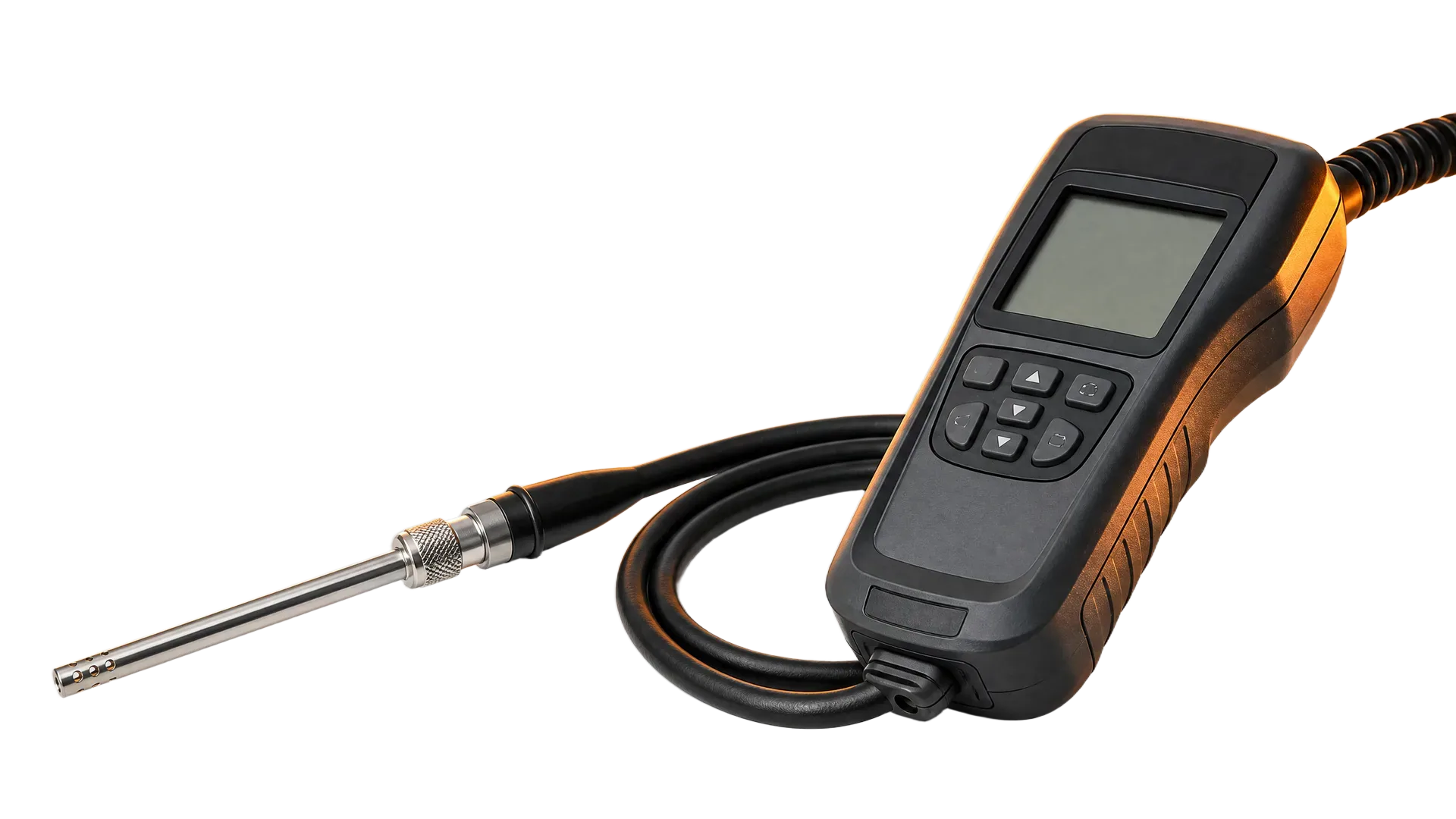
Taking out the old furnace is its own job
Taking out the old furnace is part of the job, not an extra step tacked onto it. A contractor disconnects the gas line, the vent or flue, the electrical, and the ductwork, then takes the cabinet out whole or in pieces depending on what fits through the door it came in through. If it's a gas furnace, the gas line gets capped off safe before anything else happens. The old vent or flue connection gets sealed or removed so nothing is left open to the outside. None of it gets reused. A new furnace comes with its own venting requirements, its own electrical hookup, and often a different cabinet size than what's coming out. So the work is really taking out what's there, then fitting what's new to the space and the ductwork left behind.
Gas heats most homes here
Utility gas heats 66.4% of occupied homes in Colorado, more than any other fuel. Electricity heats 25.6%, and bottled or LP gas heats 4.9% more on top of that. A furnace replacement here is most often a gas furnace replacing a gas furnace. The gas line and venting are already in place, sized for the fuel already running to the house. Matching what's already there is usually the straightforward path, as long as the new furnace is sized for your part of the state and not just swapped in at the same size as the old one.
Colorado sees more severe weather than all but two states, and outages can take your heat with them.
Tell us about the job
Takes about a minute. No obligation.
Fill out the form once and hear from licensed Colorado furnace contractors who know this weather.