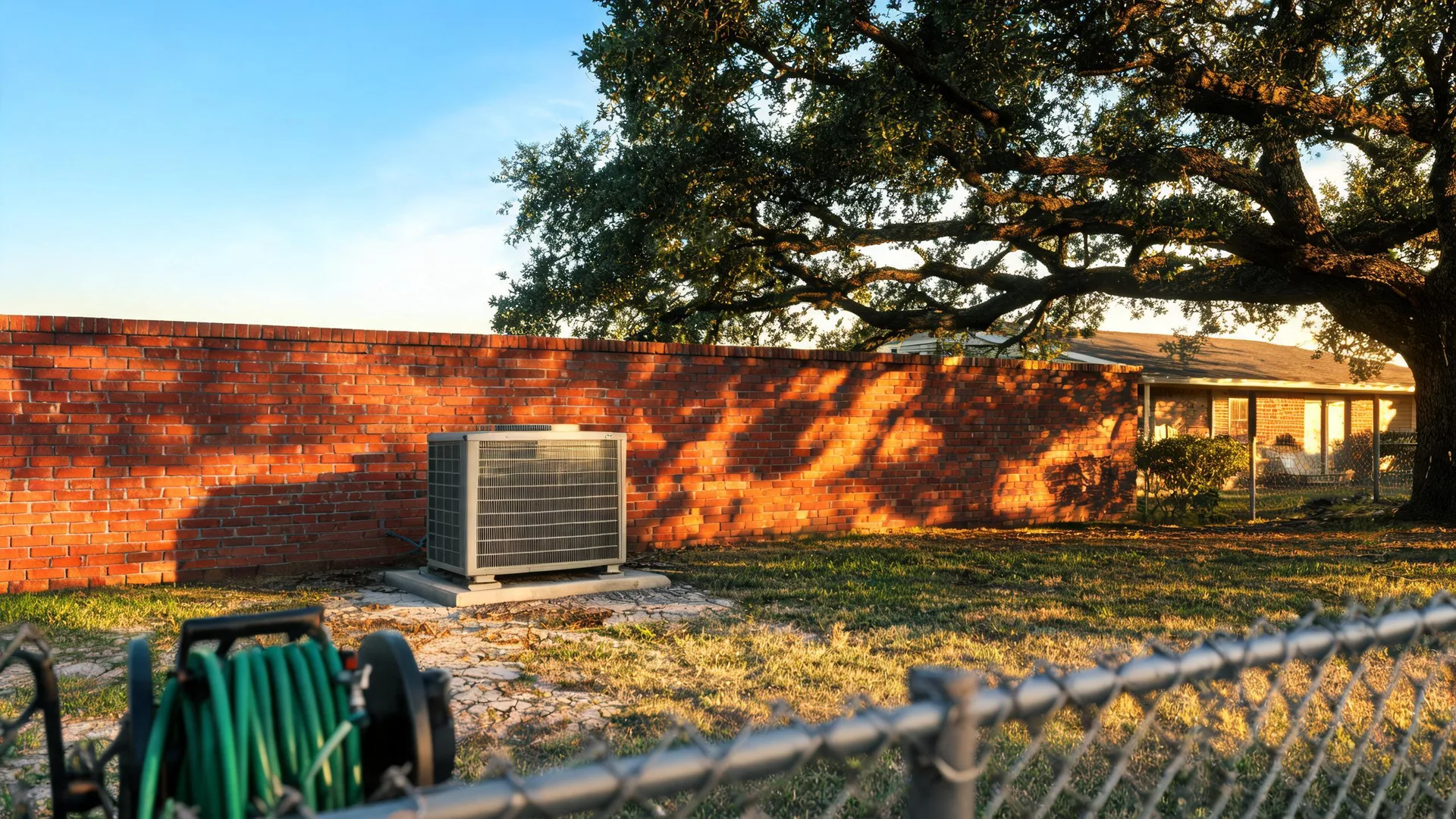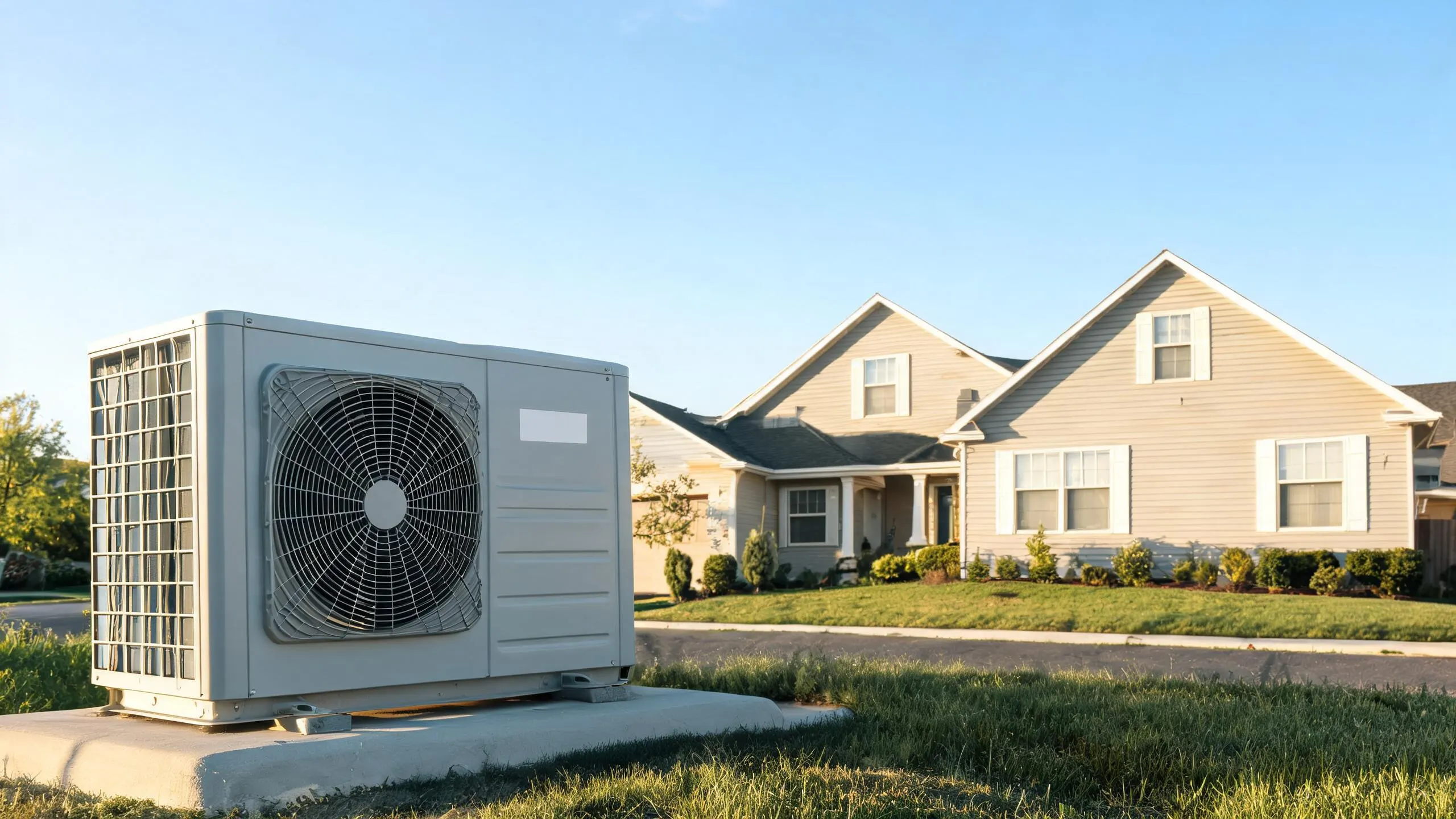
Winter here is nothing a heat pump can't handle
Boulder County overnight lows average 17°F through December, January and February. A heat pump with the right charge and a clean coil is built to heat a house through that.
Takes about a minute. No obligation.
Boulder County overnight lows average 17°F through December, January and February. A heat pump with the right charge and a clean coil is built to heat a house through that.
When a heat pump struggles here, a contractor should look at the usual causes first. Low refrigerant. A defrost control that isn't cycling right. A dirty outdoor coil. A reversing valve stuck in one position. These show up whether the system sits in Boulder or somewhere warmer.
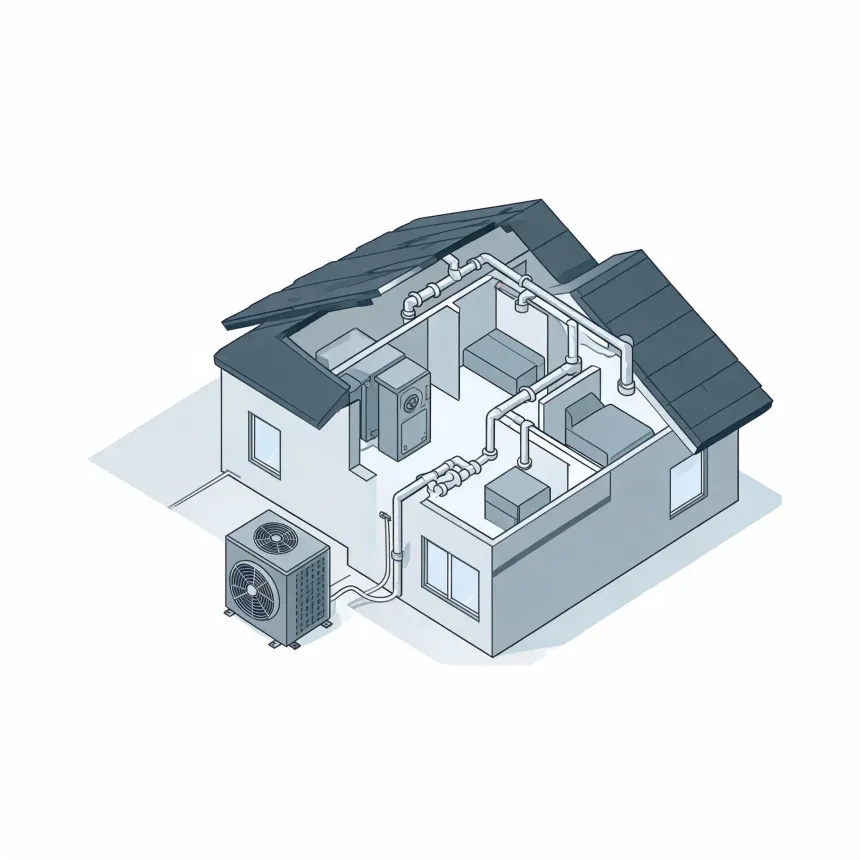
Heat runs September through June here, about ten months a year.
A heat pump with a weak part tends to show it in the first cold snap of the season.




Electricity in Colorado ran close to 15 cents a kilowatthour in 2024, higher than a lot of the country pays. A heat pump that's lost some charge or isn't defrosting right doesn't usually quit outright. It just runs longer to put out the same heat, month after month, and that extra runtime shows up on the power bill before it ever shows up as a breakdown. Have a contractor check it now, while it's still a repair.
If your heat pump came with the house, it's likely built in 1986 or later, which puts most systems here well within their working life. That's reason enough to repair rather than replace when something goes wrong. Get the actual cause fixed.
Find a contractor
A heat pump that's struggling doesn't fail all at once. It compensates. The compressor runs longer to make up for a low charge, and that extra runtime wears on it faster than normal use would. A defrost cycle that isn't timed right lets ice build on the outdoor coil, and once ice covers the coil, airflow drops and the system works harder to move the same heat. A reversing valve stuck halfway forces the compressor to push against itself every cycle instead of switching cleanly. None of this resolves on its own. The part that's struggling keeps struggling, and the strain it puts on the rest of the system adds up the longer it runs that way.
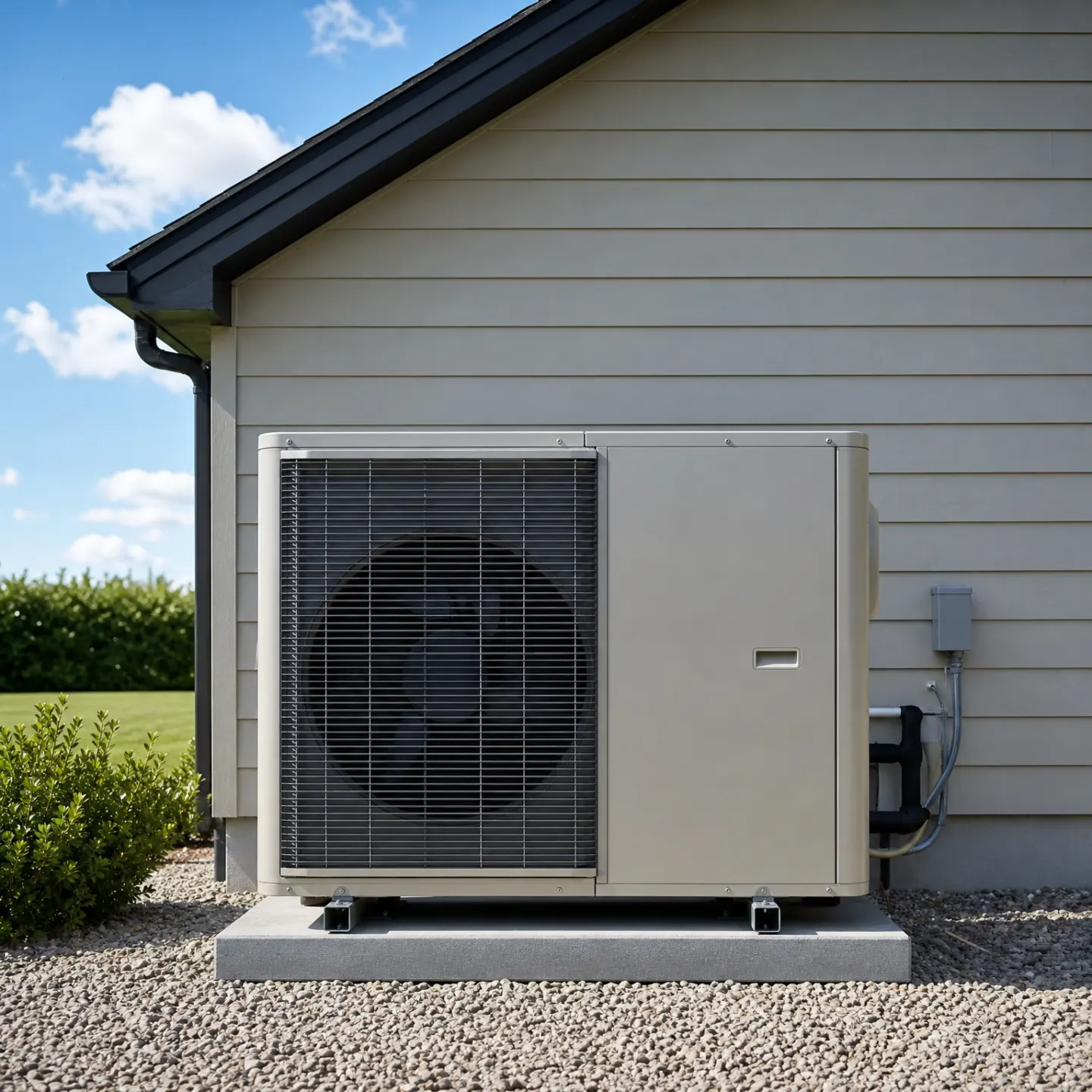
The outdoor unit does the hard work in winter, pulling heat from air that's cold enough to make that difficult. Its fan motor, its coil and its reversing valve take the brunt of the wear. When a heat pump stops heating right, the outdoor unit is where a contractor usually finds the cause, not the air handler inside.
A compressor that's run for years can develop a valve leak internally, losing its ability to compress refrigerant even though it still runs. A contactor's contacts pit and burn from years of cycling. These fail on their own schedule. A heat pump doesn't wear out evenly, so finding the one tired part usually fixes it.
Before calling anyone, go outside and look at the unit. If the outdoor coil is caked in ice or snow, that's worth noting, but don't chip at it or hose it down. A heat pump in defrost should be venting steam and running its outdoor fan slower or not at all for a few minutes at a time, so catching it mid-cycle isn't a problem on its own. Check the thermostat is set to heat and the setpoint is actually above room temperature. Look at the air filter. A filter clogged with dust restricts airflow across the indoor coil, and that alone can make a heat pump seem like it's failing when it's just starved for air. Check the breaker for the outdoor unit hasn't tripped. If the system runs but never gets the house warm, or if it's short cycling on and off, that points to something inside the refrigerant circuit, and that's not something to open up yourself.
A diagnostic visit starts outside at the outdoor unit, not at the thermostat. A contractor will check the system's pressures and superheat with gauges, since that's the only real way to confirm the refrigerant charge is right. They'll pull the access panel and look at the contactor and capacitor, since both wear out from ordinary cycling and both are easy to check directly. They'll run the system in heat and watch how it enters and exits a defrost cycle, because a defrost control that's timed wrong or a reversing valve that won't switch fully shows up clearly once you watch it work. Airflow gets checked too, across both coils, since a weak blower or a dirty coil can mimic a refrigerant problem. Most of this gets sorted out by watching the system run, not by guessing from how it sounds.