A single-story black board-and-batten house with a dark metal roof, timber-framed entry porch and stone pier bases, set among tall pine trees with dry grass and a rocky gravel foreground.

Heat Pump Repair in Colorado Springs, CO

Tell us about the job

Takes about a minute. No obligation.

Step 1 of 3: Equipment

This county sees serious storms

El Paso County logged 1,277 severe weather events between 2015 and 2024. That includes 717 hail events, 324 damaging wind events and 10 tornadoes. A heat pump's outdoor unit sits outside through all of it, exposed to hail and flying debris year round.

A unit can take a hit and keep running

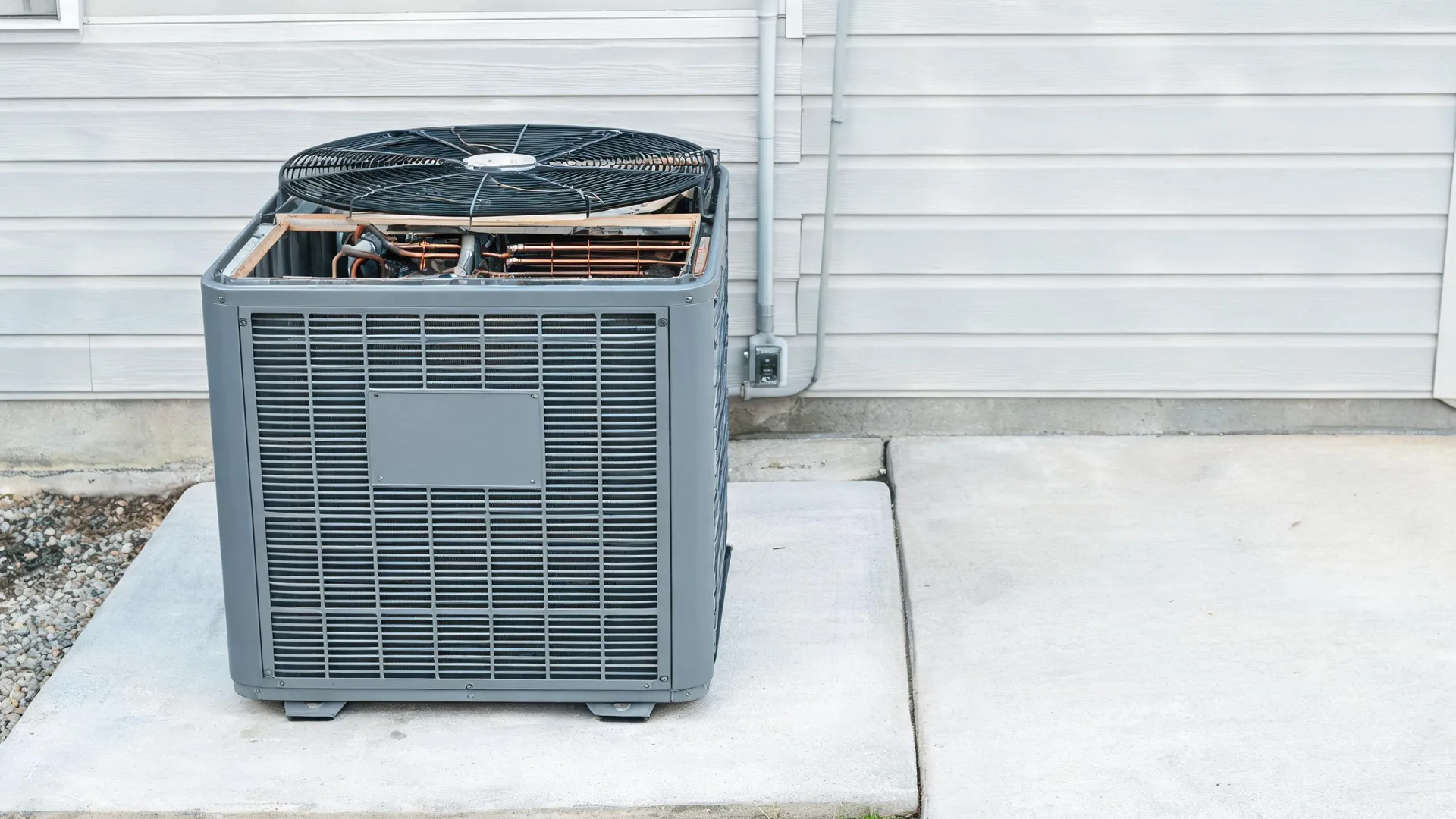
Hail can dent the cabinet or bend the fins and the heat pump may still start up and blow air. Damage like that doesn't always stop the system right away, it just makes it work harder and fail sooner. If a storm has come through, that's reason enough to have the outdoor unit looked at.

9 months
September through May, your system heats
2 months
July through August, it cools
17°F
the average winter night it heats against
83°F
the average summer afternoon it cools against
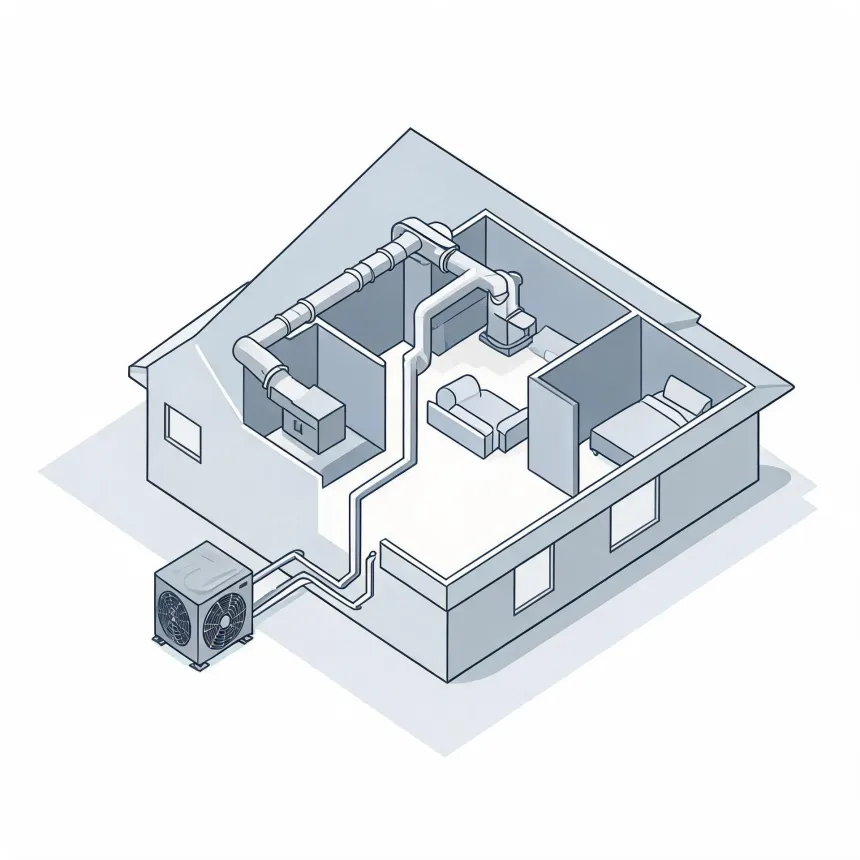
Isometric line illustration of a cutaway house showing interior rooms with furniture, ceiling ductwork, and an outdoor condenser unit connected by lines along the exterior wall.
Your system heats September through May and cools July through August.

NOAA nClimDiv, 1991–2020 normals

El Paso County logged 717 hail events and 324 damaging wind events between 2015 and 2024.

A heat pump that's taken hits like that all year needs a real diagnosis, not just a reset.

If this heat pump came with the house, get the diagnosis before you plan on replacing it

Half the homes here were built by 1989
324 damaging wind events from 2015 to 2024
717 hail events from 2015 to 2024
Nine Months of Heat on One MachineHeat runs September through May here. August is when a weak part gets found.

If the house came with the heat pump, check when it was built. One from 1989 or later still has real working life ahead of it, so a repair now is usually worth doing rather than a sign to replace the whole unit. A tech still needs to look at it to say what's actually wrong, hard winters and all the hours it logs put real wear on the parts either way. But knowing the system isn't old helps you decide to fix it instead of walking away from it.

If a storm hit it, get it checked before it fails

If hail or wind has come through since this heat pump last ran right, don't wait for it to quit. Get the outdoor unit checked now.

Find a contractor
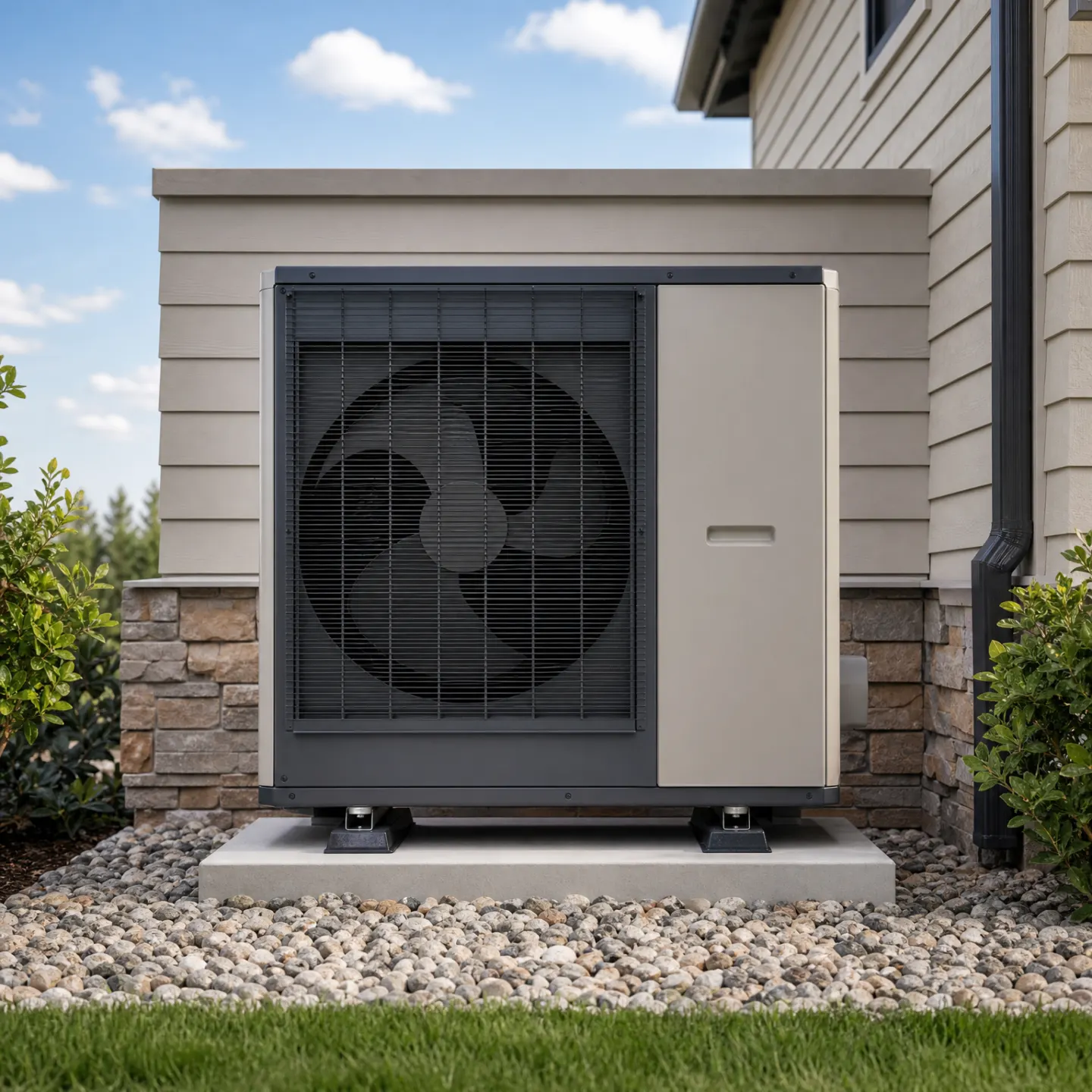
A gray heat pump outdoor unit mounted on a concrete pad next to the stone-accented exterior wall of a house.

Years of Storms, One Outdoor Unit

Winter storms hit this county 223 times between 2015 and 2024, on top of the hail and wind. Snow and ice build up on the outdoor unit while it's trying to run a defrost cycle and keep the house warm at the same time. That's a lot of hours worked under bad conditions, year after year. If yours is cycling oddly or not keeping up, don't just flip the breaker and hope. Get a tech out to find the actual part that's failing.

Running on a bad start capacitor wears the compressor

A capacitor that's weakening still lets the compressor start, just slower and with a harder pull each time. Every cycle like that stresses the windings. A tech can test a capacitor in minutes, and catching it before it fails completely saves the compressor it was starting.

A refrigerant leak gets worse, not better, with use

A heat pump low on charge keeps running, but the compressor ends up moving refrigerant that's carrying less oil back with it. Run it long enough in that state and the compressor can score or seize. A leak only grows while the system keeps cycling, it never seals itself.

Most heat pump problems show up as something the system is doing wrong, not a dead machine. Short cycling is one of the clearest signs, where it kicks on, runs a few minutes and shuts off before the house feels any different. A heat pump blowing air that doesn't feel warm enough in winter might be stuck in emergency heat or defrost, or it might be low on charge. Ice building up on the outdoor unit and not clearing during the normal defrost cycle is worth a call, since a little frost is normal but a solid block isn't. Listen for a hard clunk at startup or a hum with no air moving, both point to the compressor or the capacitor struggling to get going. A system that runs constantly without ever satisfying the thermostat is working against something, whether that's a failing part or airflow that isn't getting where it needs to go.

Not every failure means the unit is done. A compressor is the expensive part to replace, and if that's still sound, most of what fails around it is worth fixing. A contactor, a capacitor, a blower motor, a defrost board, these are serviceable parts and swapping one is routine work. What matters more than the machine's age is whether this is the first repair it's needed or the third one this year. A system that keeps coming back with a different complaint each time is telling you something the individual repairs won't fix. One failed part on a unit that's otherwise run clean is just that, one failed part.