Furnace Maintenance in Colorado
Homes in Colorado are newer than in 40 of the other 49 states.
Tell us about the job
Takes about a minute. No obligation.
- 17°Fwinter overnight low where people live
- 9 monthsof heat, September through May
- $10.09 per million Btuwhat homes paid for natural gas in 2024 (Btu means British thermal units, a measure of heat)
- 2,634winter storms from 2015 to 2024
Hail and wind lead nearly every other state here. Outdoor equipment takes the hit, year after year.
- Heat needed most in Lake County, least in Baca County
- Winter nights average 17°F where people live
- Heat runs September through May
- 2,634 winter storms from 2015 to 2024
- Climate zones 4B, 5B, 6B and 7 across the state
- 13% of homes lost power a day or more in 2024

- A steady blue flame instead of one that flickers yellow, which means the burner is mixing air and gas the way it should
- A flame sensor cleaned of the coating that builds up over time and causes short cycling
- Ignition that fires clean, without the bang or thump that means gas is building up before it catches
- A blower motor checked for the grind or screech that signals a bearing wearing out, before it quits outright
- A heat exchanger and venting inspected so a crack or blockage gets caught instead of turning into a safety problem
Utility gas heats 66.4% of homes in Colorado, more than any other fuel. That means a burner, a flame sensor and a flue venting exhaust outside, not just a blower and a filter. Maintenance on a gas furnace has to include a check of the heat exchanger and the venting, because that's where a crack or a blockage turns into a real safety problem.
Electricity heats 25.6% of homes here, usually through a heat pump or electric furnace. Those systems skip the combustion and venting checks entirely, but the coils, the electrical connections and the refrigerant charge still need someone to look at them before the cold settles in. Either way, the fuel your home runs on decides what a tech actually checks when they show up.
Nine months of heat means August is when it gets checked
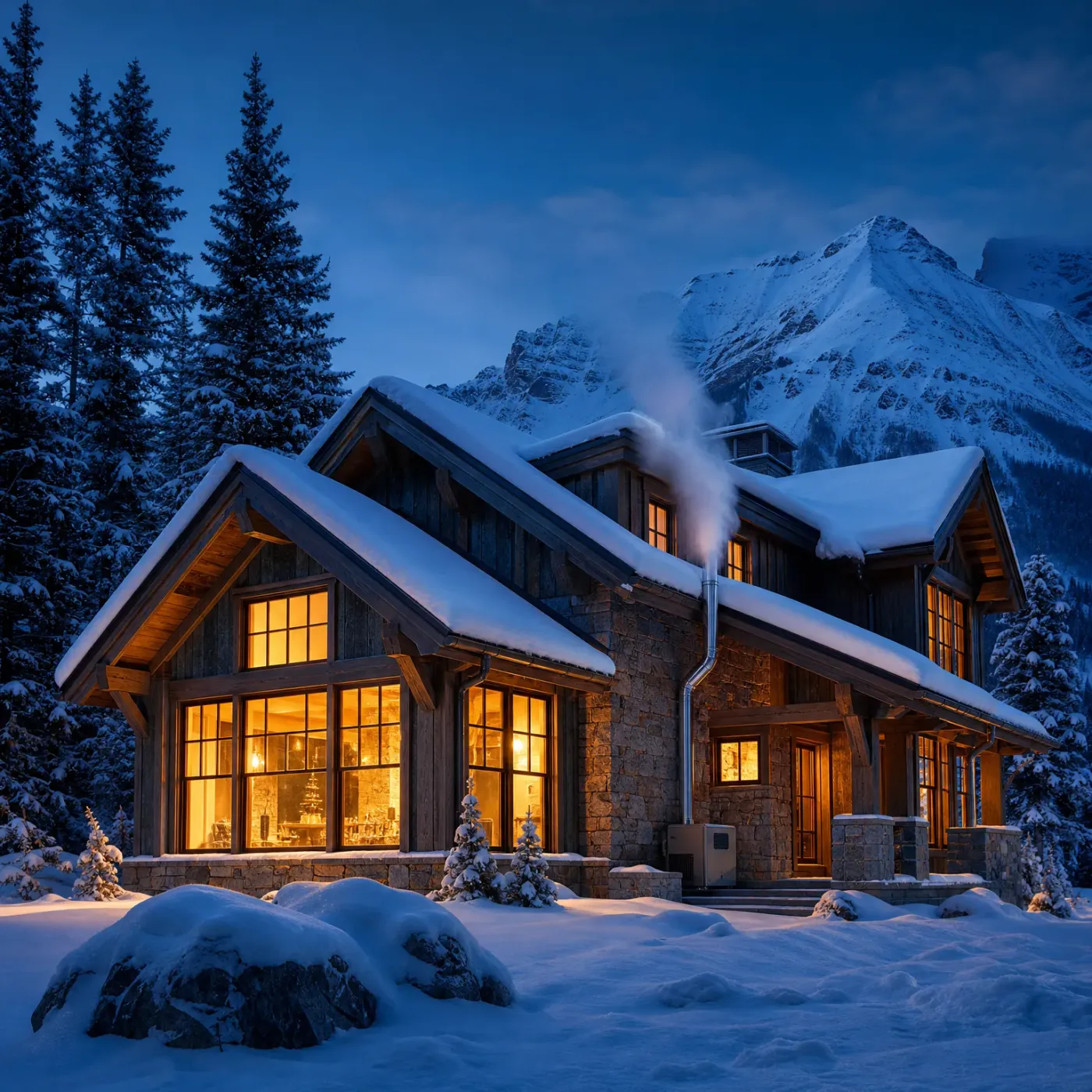
September through May, the furnace runs for nine months here. That's longer than 35 other states ask of theirs. Get it checked in August, before that first cold night in September puts the whole system to work at once. A furnace sitting idle since spring can be hiding a dirty flame sensor or a cracked heat exchanger, and the first hard freeze is the wrong time to find out.
1 month of cooling, in July
9 months of heat, September through May
Colorado's not one place when it comes to heat. Lake County homes need about twice the heat over a year that Baca County homes do, and Baca County sits at the low end for the whole state.
Summit County runs its furnace close to 12 months a year, longer than anywhere else in Colorado. Otero County gets by on about 7. Both are still running the same kind of machine, just on a different schedule.
Winter nights split the state the same way. Lake County averages 6°F overnight across December, January and February. Baca County averages 20°F those same months. A furnace in Lake County is holding a much bigger gap, much more often.
None of this changes what a tune-up covers. It changes when it should happen. A home in Summit County can't really wait for a slow season, because there isn't one. A home in Baca County has more room to pick the month.
Wherever a furnace sits in that range, the check belongs before its own hardest stretch starts, not after.
What does a furnace in Colorado face?
How cold do winter nights get?
17°Faverage overnight low where people live
North Dakota4°F
Hawaii65°F
How many months does the heat run?
9 monthsof heating a year
Hawaii0 months
Alaska12 months
What does natural gas cost?
$10.09per million Btu, what homes paid in 2024
Montana$7.77
Hawaii$53.25
How often do storms hit?
455severe weather events per county from 2015 to 2024
Alaska5
Wyoming1,057
How many homes lost power for a day or more?
13%of homes in 2024
Arizona7%
Maine54%
A long winter wears parts down early
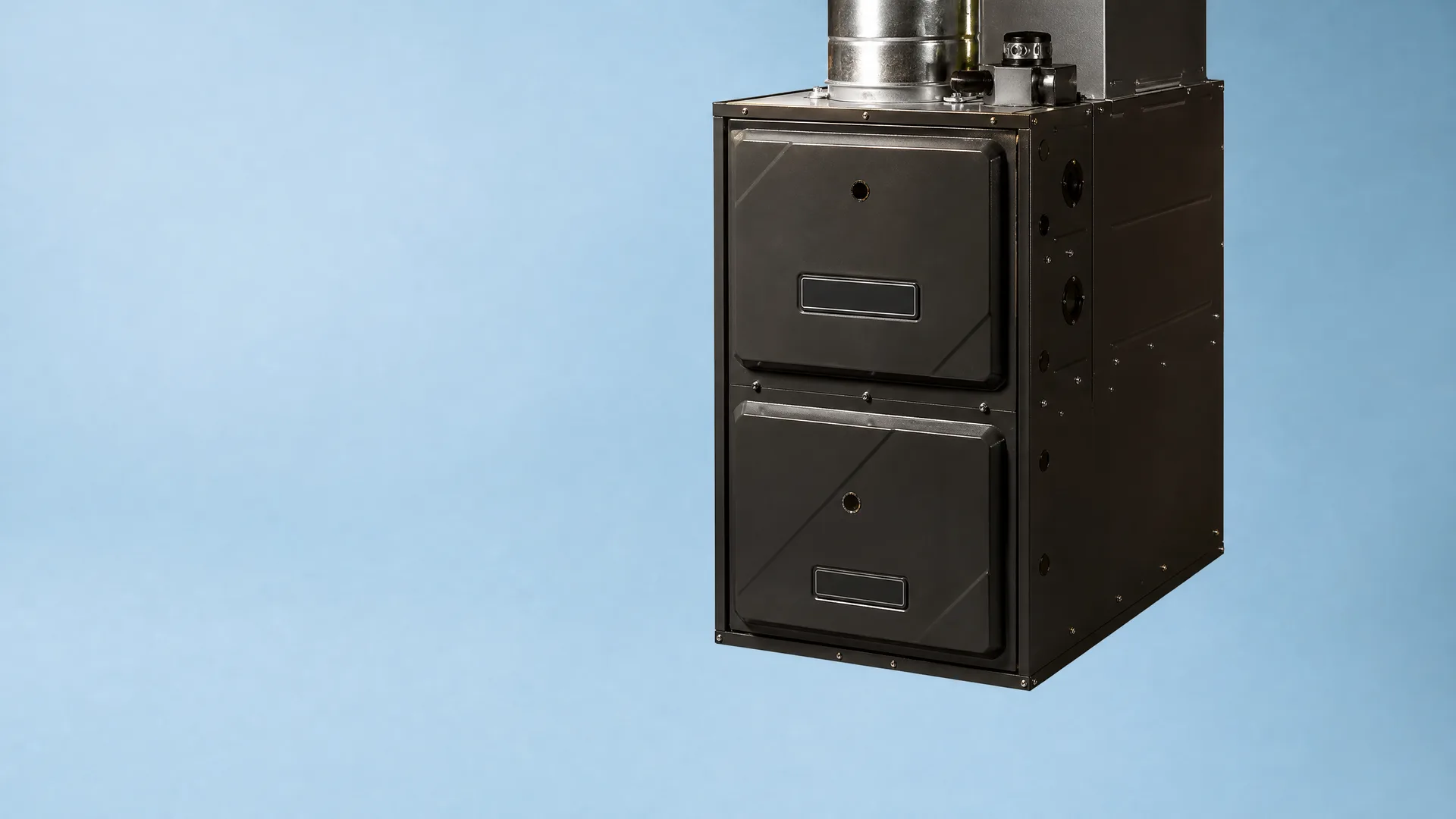
Nine months is a long stretch to ask of one machine, and Colorado asks for more of it than most states do. Overnight lows averaging 17 degrees through December, January and February mean the furnace isn't cycling on and off gently. It's holding a big temperature gap for hours at a stretch, night after night. A dirty flame sensor or a weak igniter that might limp along somewhere milder tends to quit outright under that kind of load.
What a furnace tells you before it fails
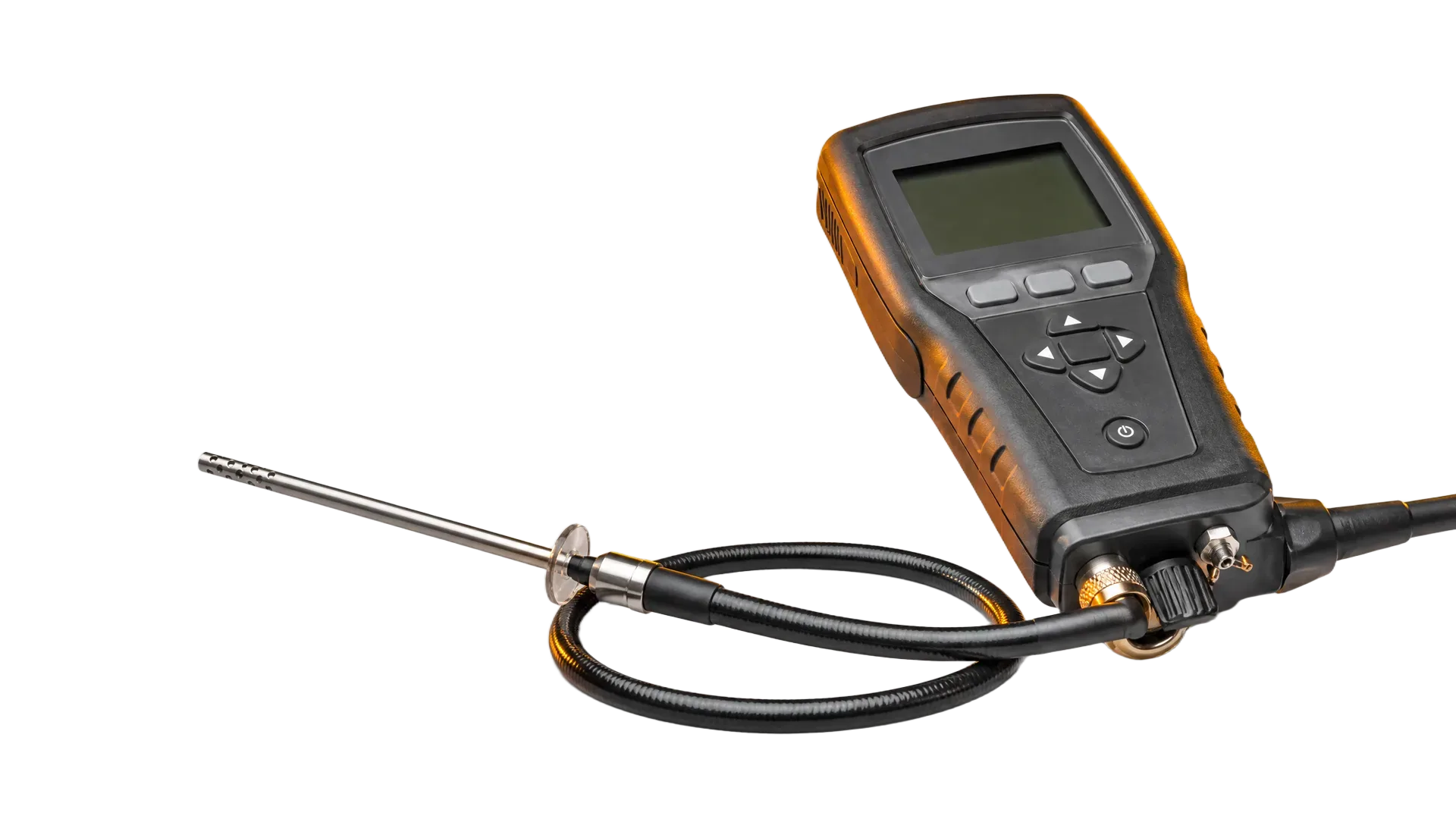
A furnace usually tells you before it quits. The burner flame should burn steady and blue. If it's flickering yellow or orange, something is off with the air mixture or the burner itself. Short cycling is another sign, where the furnace fires up, runs a few minutes and shuts off before the house warms. That often points to a flame sensor coating over or a limit switch tripping early. A furnace that runs longer and longer to reach the same temperature is losing efficiency somewhere, and that's worth catching before it turns into a no-heat call. Listen for it too. A bang or thump at startup usually means delayed ignition, where gas builds up for a moment before it catches. A screech or grind from the blower points to a motor bearing wearing out. Any one of these might wait a little. Several of them together, or ignored long enough, tend to end the same way, with a breakdown on the coldest night of the year, which is exactly when a furnace is hardest to get serviced.
A newer furnace still needs the yearly look
Half the homes in Colorado were built in 1988 or later, and most houses here are detached single-family homes rather than mobile homes. A furnace installed with a newer house still has plenty of working life left in it. The parts that fail early, like an igniter or a flame sensor, usually fail from wear and neglect, not age. A yearly check catches the buildup and the small faults before they turn into a no-heat call, and on a system that's not old to begin with, that upkeep is what stretches a working furnace into one that keeps working.
Hail and wind hit Colorado harder than almost any other state, and outdoor equipment takes that beating every year.
Tell us about the job
Takes about a minute. No obligation.
Fill out the form and a licensed Colorado contractor gets in touch to check the furnace before winter.