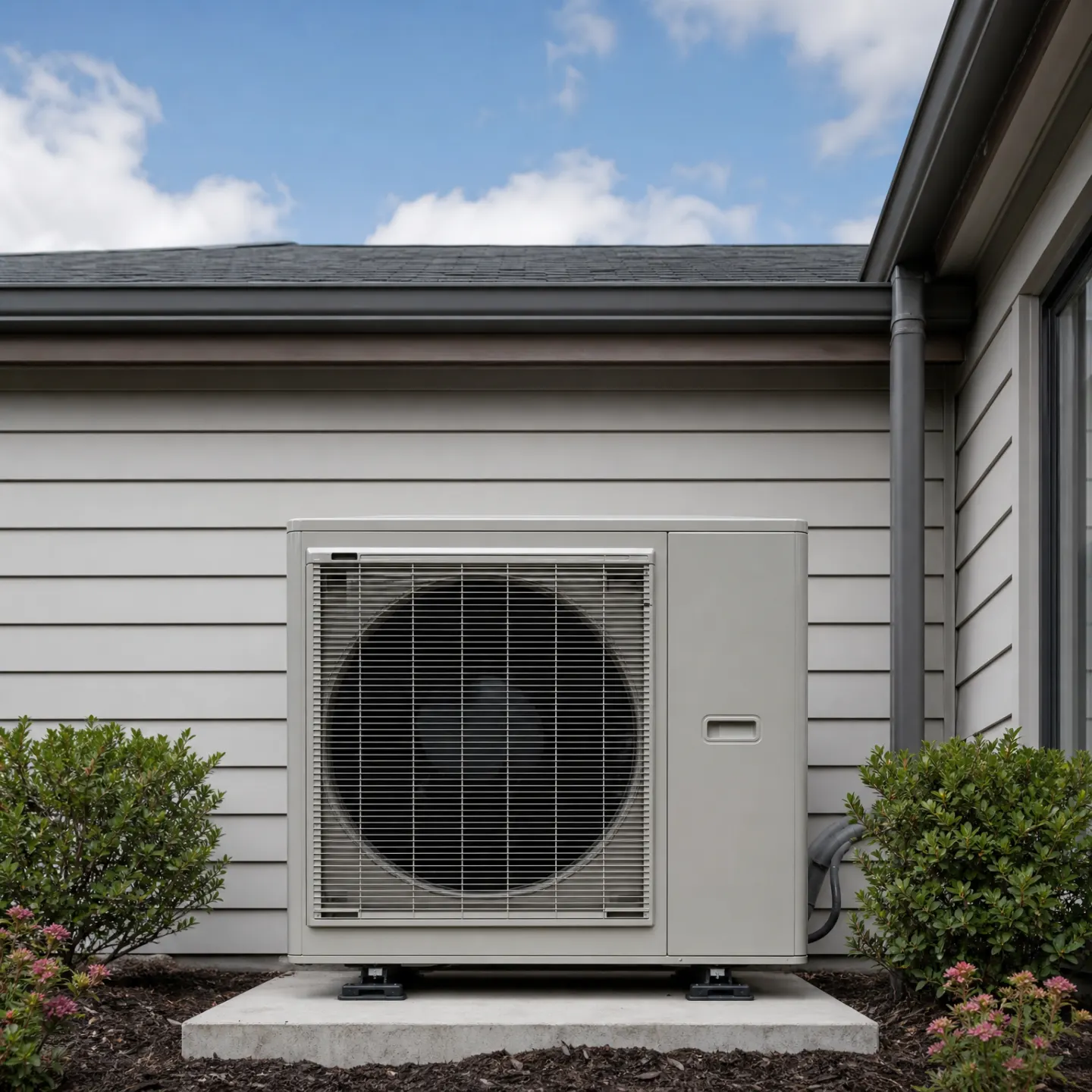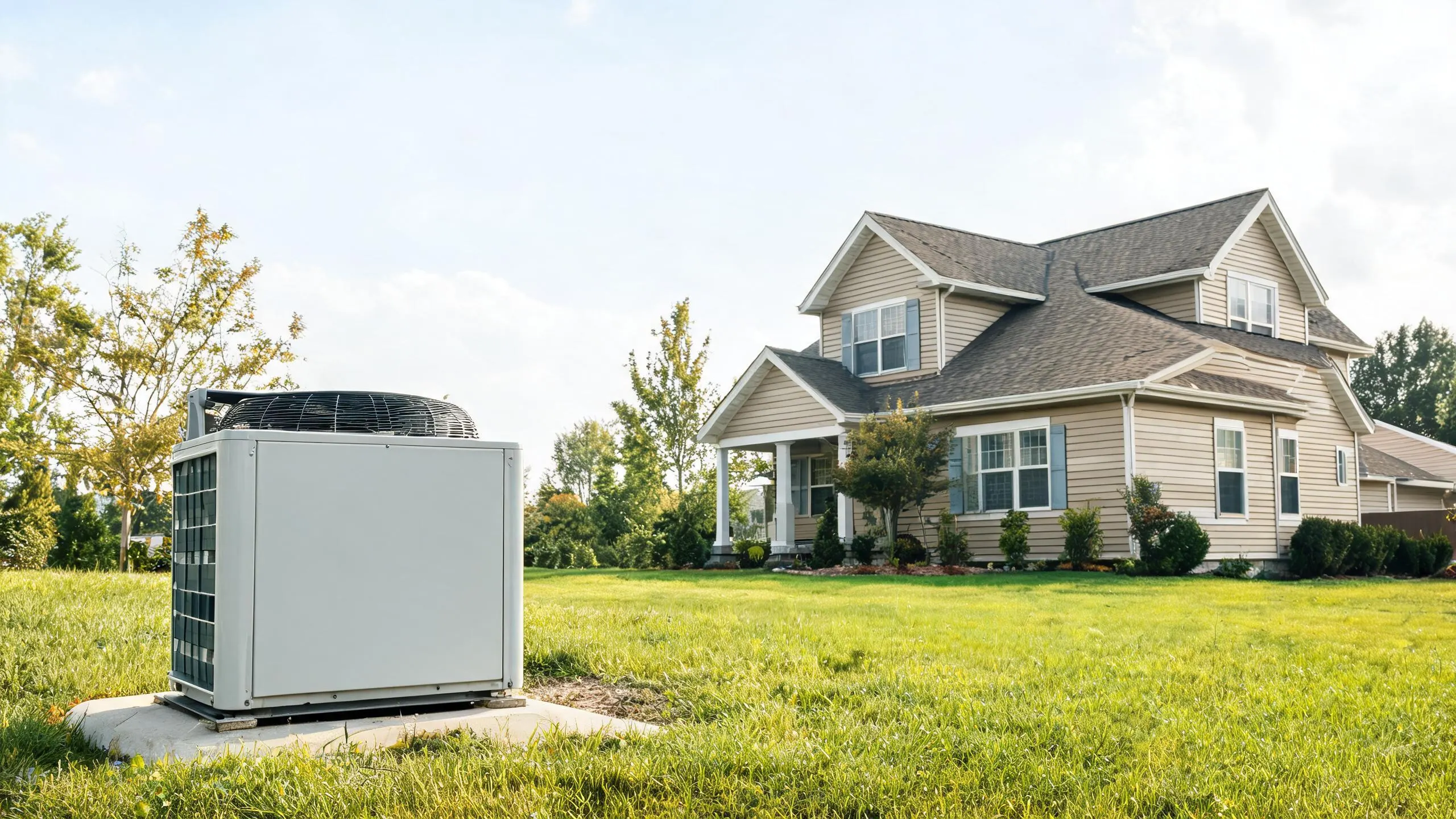
An outdoor HVAC condenser unit on a concrete pad in front of a two-story suburban house.

Heat Pump Repair in Denver, CO

Tell us about the job

Takes about a minute. No obligation.

Step 1 of 3: Equipment

Winters here don't ask anything extra of a heat pump

Denver's overnight lows average 19°F across December, January and February. That's well within what a heat pump is built to handle. If yours is losing heat or running constant in the cold, the cause is almost always a specific part failing. The climate isn't the problem.

So the repair is usually straightforward

A heat pump that's short cycling, blowing cold air, or not shutting off usually comes down to one part. A bad reversing valve. A failing defrost sensor. Low refrigerant. A stuck contactor. A contractor can narrow it down fast and fix the actual part instead of guessing.

8 months
October through May, your system heats
3 months
June through August, it cools
19°F
the average winter night it heats against
87°F
the average summer afternoon it cools against
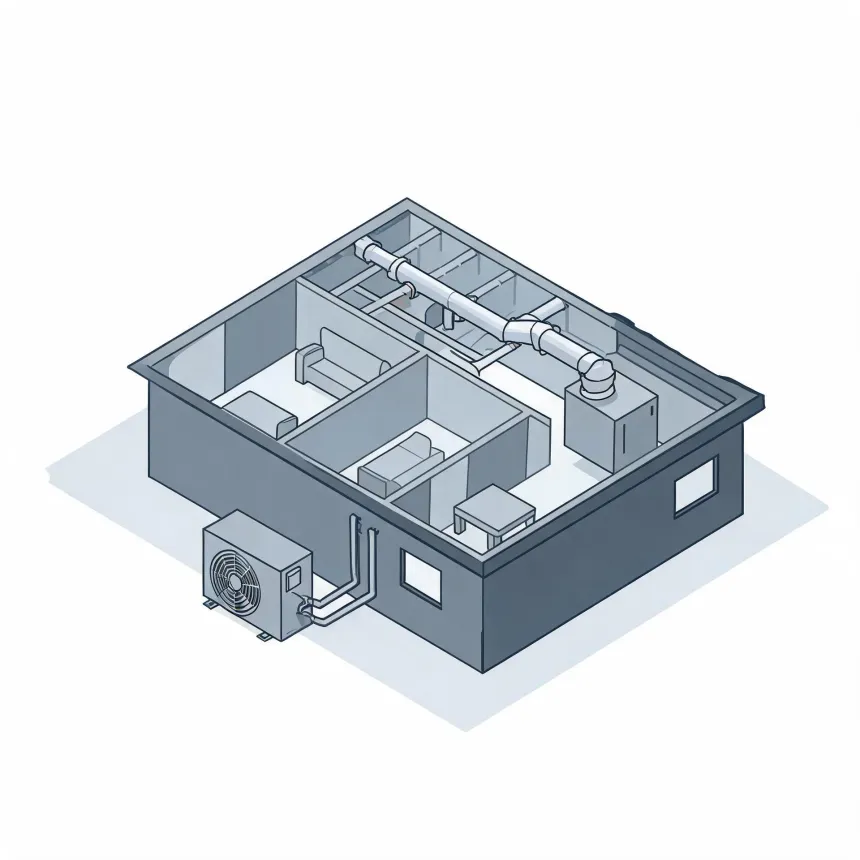
Isometric line illustration of a cutaway single-story building showing interior rooms, ceiling ductwork, an indoor air handler, and an outdoor condenser unit connected by refrigerant lines.
Your system heats October through May and cools June through August.

NOAA nClimDiv, 1991–2020 normals

Heat here runs October through May, starting up again after a break since spring.

The first cold snap in October finds whatever part was already failing over the summer.

Power here costs 14.92 cents a kWh, so a heat pump running badly costs you every month until it's fixed

Power costs 14.92 cents a kWh statewide
64 damaging wind events from 2015 to 2024
142 hail events from 2015 to 2024

Half the homes in Denver County were built in 1975 or earlier, half in 1975 or later. That split doesn't tell you much about the heat pump itself, since the unit outside almost never matches the age of the house. What matters is whether yours is the one that came with the place or one put in since. Check the nameplate on the outdoor unit for a manufacture date if you're not sure. That number, not the age of the house, is what tells a contractor what they're working with and what's likely to fail next.

Nothing about Denver weather is hard on a heat pump

Hail, wind, a handful of tornadoes, winter storms. Denver gets its share, but none of it targets a heat pump any harder than it does in most places. When one here is acting up, it's almost always a single part that failed on its own. A contractor can find which one and fix that instead of guessing.

Find a contractor
A gray heat pump condenser unit mounted on a concrete pad against the gray lap-siding exterior wall of a house.

Keep running it and the strain lands on the compressor

A heat pump that's struggling still has to run, since it's the only thing making heat for the house. A failing capacitor makes the compressor draw harder every time it starts. A low refrigerant charge makes the compressor work to move heat it can't fully pick up. Neither one gets better with time. The compressor absorbs the strain when something upstream of it is already failing, and it's the part a contractor most wants to protect. A reversing valve that's starting to stick gets worse with every cycle it's asked to switch. Left alone, a problem that started small in one part ends up taking the compressor with it.

What you can check yourself

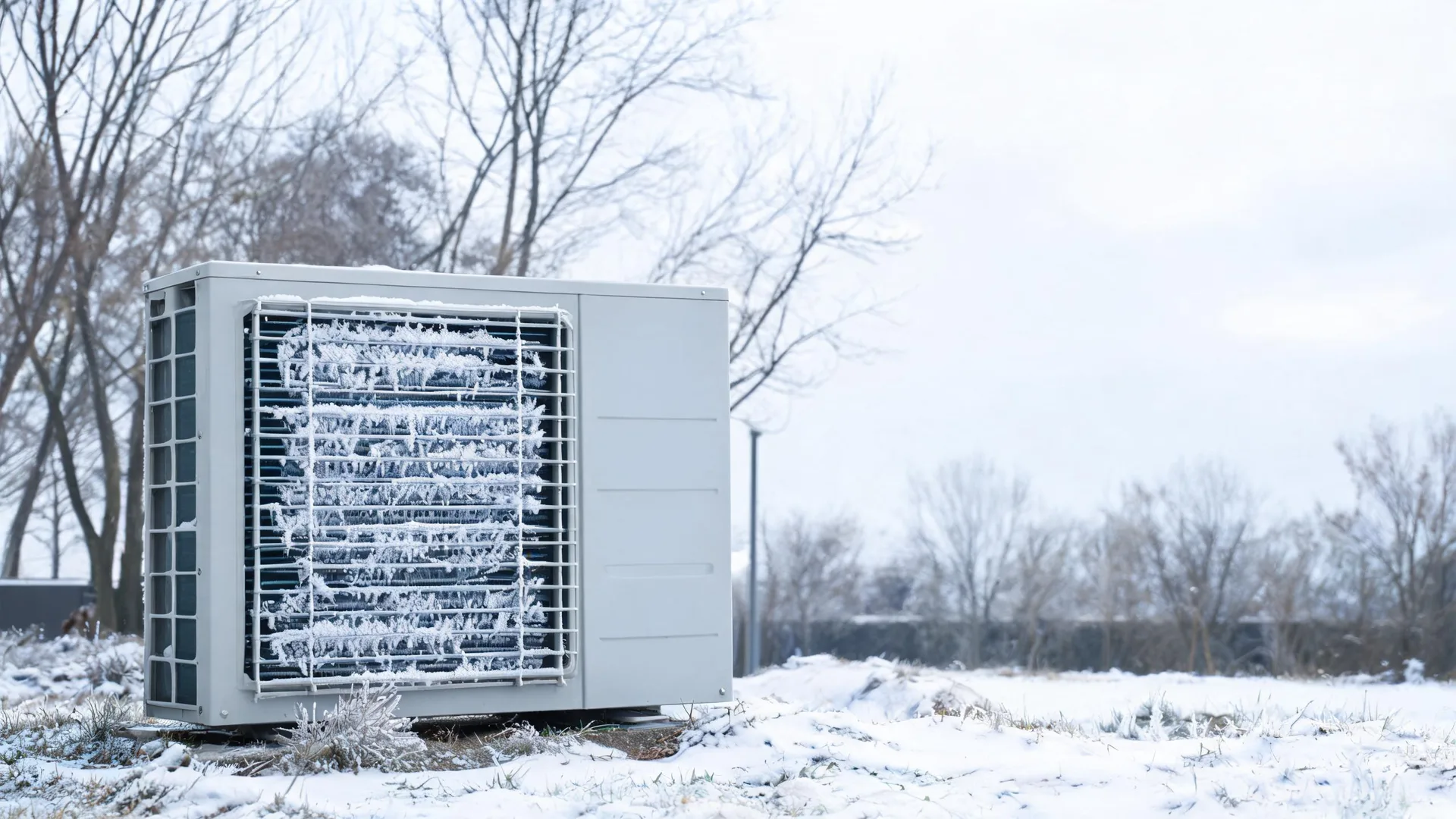
Look at the outdoor unit and clear away anything stacked against it, since airflow in and out matters as much as the air filter does. Check that filter and swap it if it's dirty. Look at the thermostat and make sure it's set to heat and the temperature is actually above room temperature, not sitting at the same number. Check the breaker it runs on. If the outdoor unit is caked in ice beyond what a normal defrost cycle clears, that's worth noting but not worth chipping at yourself.

What tells you to stop checking and call

A breaker that trips again after you reset it once means something is drawing too much power, and resetting it again won't change that. Ice that doesn't melt off during the unit's own defrost cycles means the defrost function itself isn't working. A smell of burning, any grinding or screeching from the outdoor unit, or a system that won't shut off at all are all signs the problem is inside a part you can't see or reach. Past that point, running it more just adds strain to whatever's already failing.

Most heat pump failures trace back to one of a handful of parts. The reversing valve is a common one. It switches the system between heating and cooling, and when it starts to stick, the unit can blow cold air during a heat cycle or get stuck in one mode. The defrost control board and its sensor are another weak point. That sensor tells the system when frost has built up on the outdoor coil and needs melting off. If it fails, the unit either skips defrost and ices over, or defrosts too often and can't keep up with heating. Capacitors wear out too. When one goes weak, the compressor has to draw harder just to start, and that shortens its life. Low refrigerant is less often a part failing outright and more often a sign of a slow leak at a fitting or coil, and it won't fix itself. Weak heat, short cycling, a system that won't shut off, any of these can point to more than one cause. Figuring out which part it actually is on your unit is what a contractor's visit settles.

A heat pump that's acting up doesn't always need to be replaced. Most of what goes wrong is a single part failing inside a system that's otherwise fine, and swapping a capacitor or a defrost sensor costs a lot less than a new unit and solves the problem just as well. Age matters more than the symptom does. A unit old enough to have one part fail from wear is old enough to have the next part go the same way before long, and at some point replacing parts one at a time costs more than replacing the unit. The compressor is the one that changes the math. Most other parts can be swapped on their own, but a failing compressor is often priced close to a new system, and a contractor will tell you that straight rather than sink money into fixing around it.