Your furnace never gets a month off
Homes in Pitkin County run heat in every month of the year. Overnight lows average 10°F through December, January and February, and your furnace is what stands between that and a cold house.
Takes about a minute. No obligation.
Homes in Pitkin County run heat in every month of the year. Overnight lows average 10°F through December, January and February, and your furnace is what stands between that and a cold house.
A furnace that never fully shuts down for the season carries more hours on its igniter, its blower motor, its heat exchanger. The wear that takes years to show up in milder places shows up sooner in Aspen.
Half the homes in Pitkin County heat with utility gas.
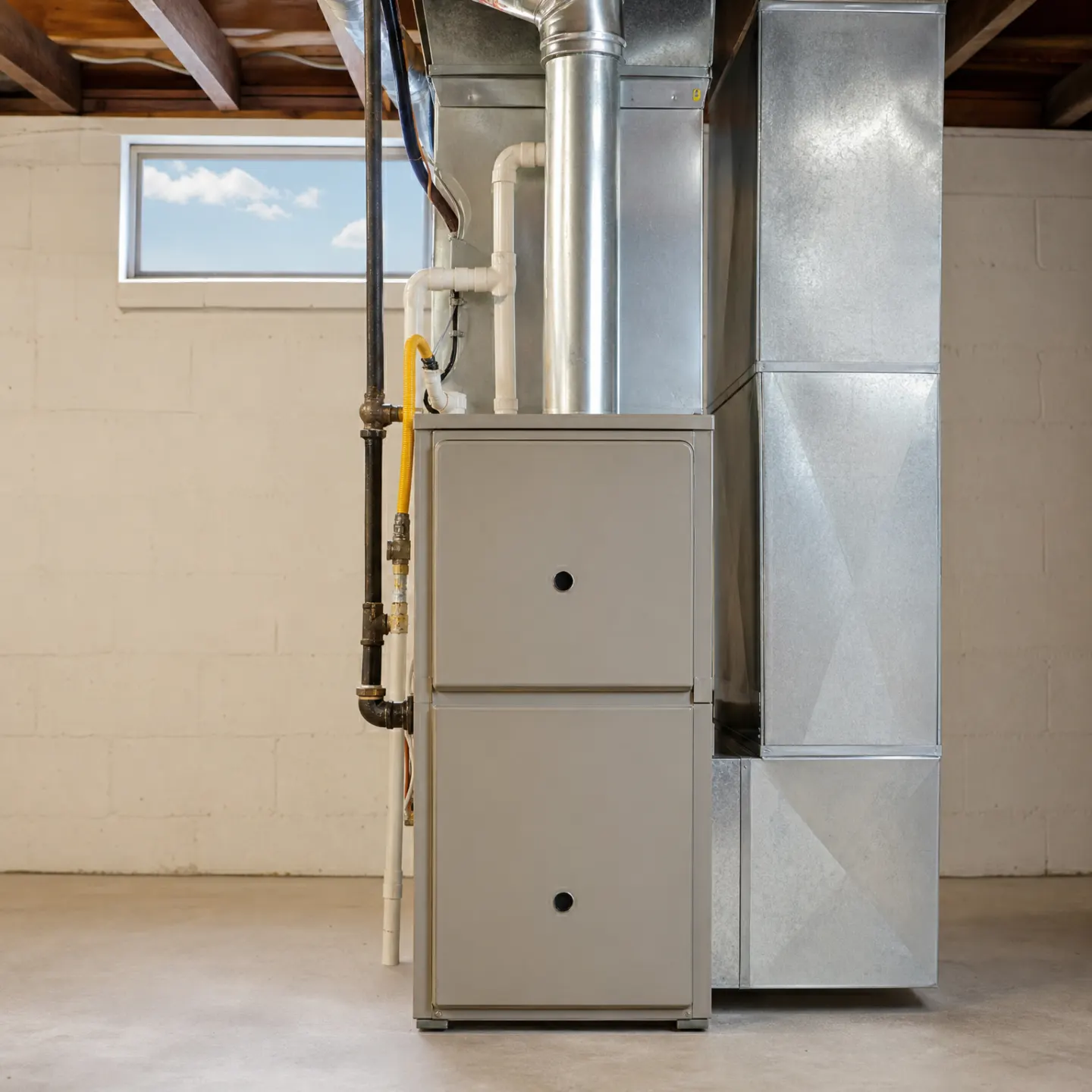
A gas furnace needs its burner, venting and safety controls checked each year, not just a new filter.




A furnace that runs every month still needs a yearly check, and the time to get it done is before the cold really sets in. A technician checking the burner, the igniter and the safety controls finds the same wear a January breakdown would show, except nobody's pipes are at risk while that check happens. Once overnight lows settle in around 10°F, the furnace runs without a break until spring. Get it looked at before the season asks everything of it.
Gas runs $10.09 per million Btu here, and a furnace that hasn't been checked works harder to burn it. A yearly check on the burner and controls keeps your furnace running the way it was built to, through a season where it doesn't get to stop.
Find a contractor
A yearly check pays off most while the furnace still has years on it. Catch a worn igniter or a cracked heat exchanger early and the rest of the system keeps running the way it was built to. Skip a few years and small wear turns into a breakdown that takes other parts down with it. If your furnace came with a house built in the last few decades, it likely still has plenty of life left. A yearly check is what keeps it that way.
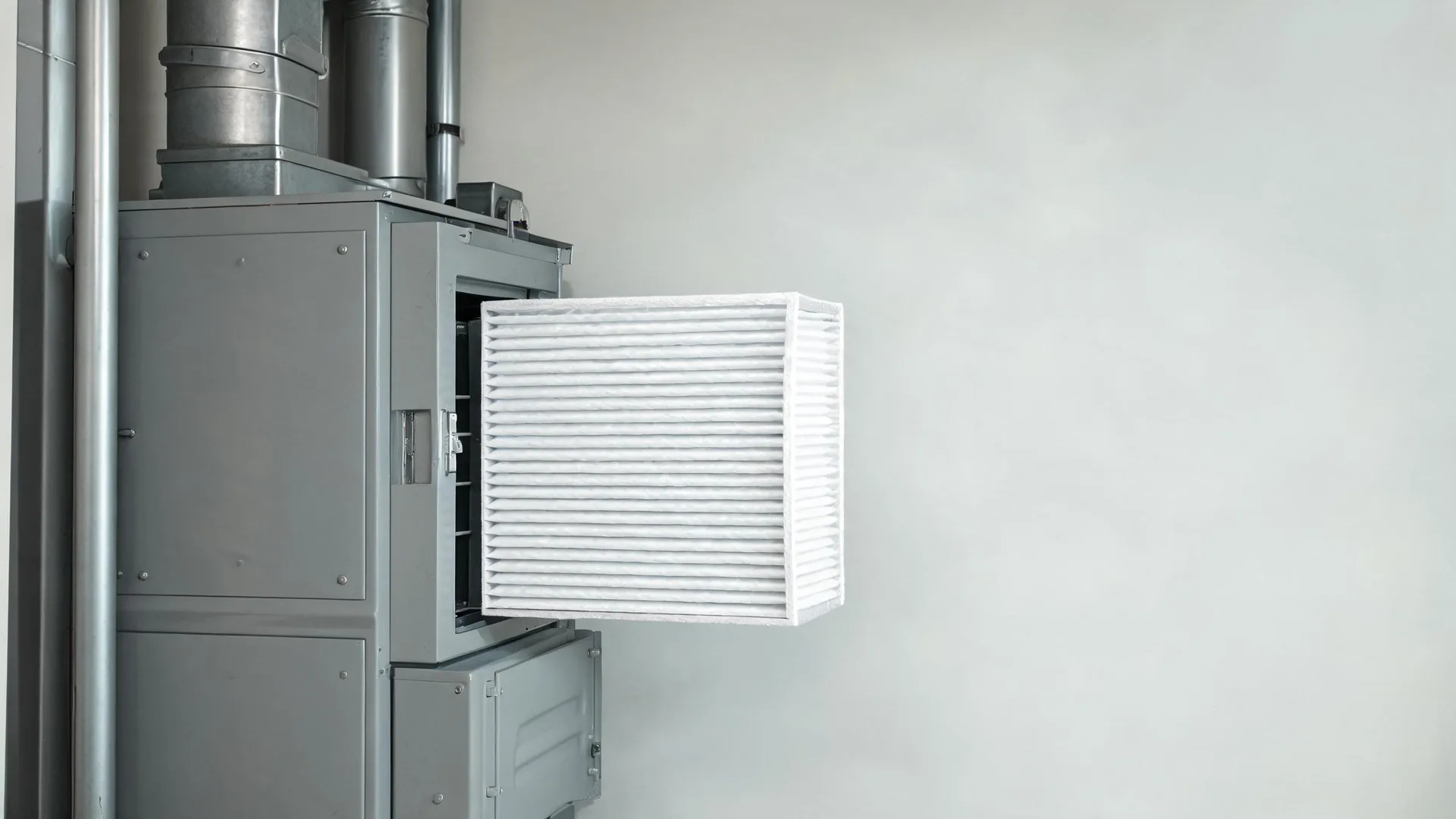
A clogged filter chokes off airflow across the heat exchanger. The blower has to push harder to move the same air, and the exchanger runs hotter than it should. Furnaces have shut down on a dirty filter alone, tripping a limit switch meant to protect the exchanger from exactly that kind of heat.
A high-efficiency furnace pulls extra heat out of the exhaust, and that process condenses water that has to drain away. If that line clogs or freezes, the furnace locks out rather than risk flooding its own components. An older standard-efficiency furnace vents hot enough that this never comes up. Either way, there's no coil to clean inside the furnace itself. That's the air conditioner's job, sitting on the same blower and ductwork.
A quick tune-up gets you a new filter and a glance at the flame through the sight glass. A thorough one gets the cabinet opened up. The technician pulls the burners to look at them directly, checks the flame sensor for the thin layer of oxidation that builds up on it over time, and tests the draft to make sure exhaust is actually leaving the house instead of backing up. They check amp draw on the blower motor against what it's supposed to be, not just whether it spins. They'll pull the igniter and look at it rather than assume it's fine because the furnace lit. None of this takes a tool you'd recognize as special, just time and the willingness to actually open things up instead of reading a gauge and moving on.
A full tune-up follows the path of the furnace itself, start to finish. It starts with the gas valve and the burners, checking that the flame is steady and burning blue, not yellow or lazy at the tips. A yellow flame means incomplete combustion, and that's a sign worth catching early. From there it's the heat exchanger, looked at for cracks or hot spots, since that's the part keeping combustion gases out of the air you breathe. The igniter gets tested for resistance, not just watched to see if it glows. The inducer motor gets checked too, because it has to clear the exchanger of exhaust before the burners are even allowed to fire. Last comes the thermostat call, cycling the furnace through a full run to see that everything already checked actually works together.