What's under the burners
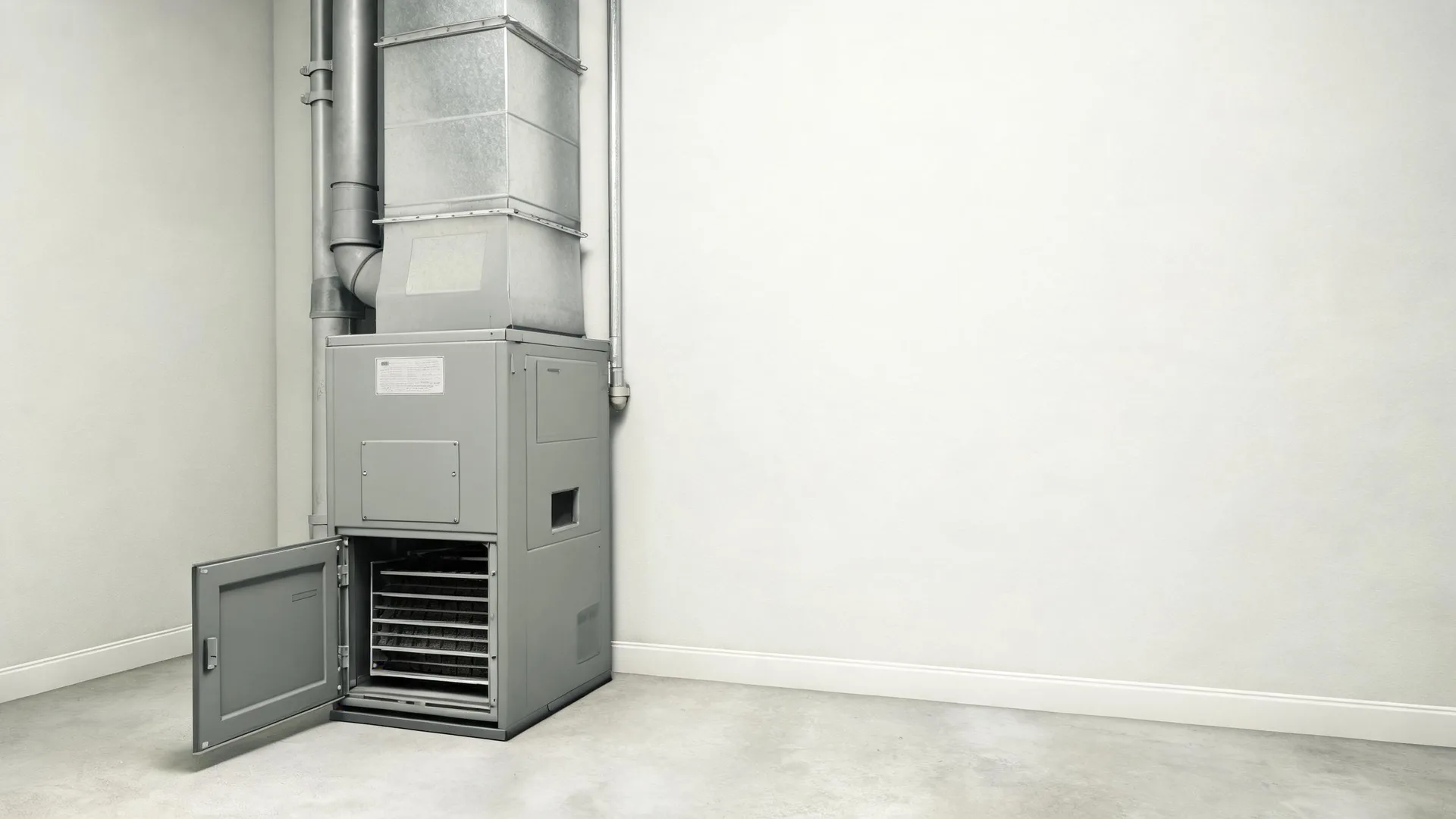
Rust or soot on the burners points to a draft problem or a cracked cell somewhere in the heat exchanger, not just a dirty part. A tech pulls them to look, because from outside the cabinet everything looks fine.
Takes about a minute. No obligation.
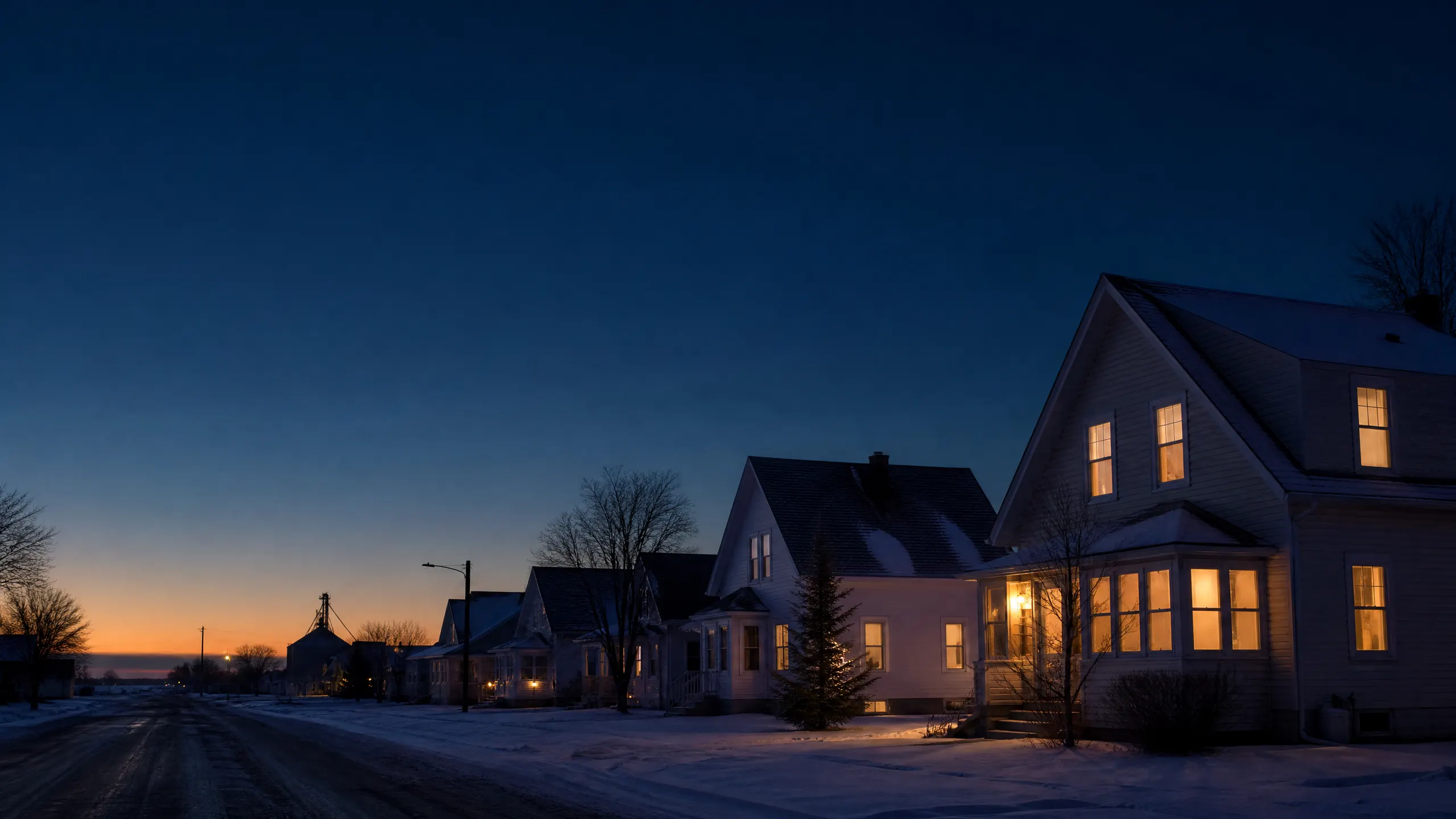
Furnace here runs seven months a year, October through April, with overnight lows averaging 19°F in December and January. That's a long stretch to ask a furnace to work without a problem turning up. One visit a year, done before that stretch starts, is enough to catch a weak igniter or a clogged flue before the cold sets in. There's nothing about Prowers County that wears a furnace down faster than anywhere else. The storms that come through this area just mean you want the furnace already checked before one hits, not during it.
Furnace in Lamar starts working for its living in October.
September is when to get it checked, before it has to run.




Half the homes in Prowers County were built in 1971 or earlier. A furnace that old has likely been replaced once already, but nobody can tell you that just from the house. If your furnace has been there a long time, or you're not sure how old it is, that's worth finding out. An annual check is how a tech catches a cracked heat exchanger or a weak connection before it leaves you without heat. On a newer system the same visit still matters, just with less to look for. Either way, the point is to catch a problem while it's still small enough to fix on your schedule, not the furnace's.
A yearly check is how you find out what shape it's really in, and fix anything small before it decides to quit on a cold night.
Find a contractor
A quick visit gets the furnace running and checks that it's putting out warm air. A thorough one takes the cover off and looks at why it's going to keep running. That means pulling the burners to look for corrosion, checking the flame sensor and igniter for wear, testing the draft so exhaust is actually leaving the house instead of backing up, and checking the heat exchanger for cracks. It means checking amp draw on the blower motor, not just listening to see if it spins. A tech who only swaps the filter and glances at the thermostat has told you the furnace turned on today. One who checks the flame color, the pressure switch, and the wiring at the connections has told you something about how it'll hold up through the cold stretch ahead.
Rust or soot on the burners points to a draft problem or a cracked cell somewhere in the heat exchanger, not just a dirty part. A tech pulls them to look, because from outside the cabinet everything looks fine.
A furnace flame should burn steady and blue. One that's yellow, lazy, or flickers at the base is burning gas it shouldn't, usually because the burner isn't getting enough air. That's not something you catch standing across the room.
A furnace that never gets opened up still runs, right up until the week it doesn't. Dust builds on the flame sensor until it stops sensing the flame, and the furnace shuts itself off as it's supposed to, except now it won't stay lit at all. A clogged burner starts burning dirty before anyone notices the flame color changed. The blower motor keeps turning even as a worn bearing drags on it, pulling more amps than it should, until one night it doesn't turn at all. None of this announces itself. A furnace with a cracked heat exchanger still puts out warm air, which is exactly why that one needs a tech to find it rather than an owner to feel it. Skip the yearly check and the furnace doesn't fail dramatically. It just fails on its own schedule instead of yours.
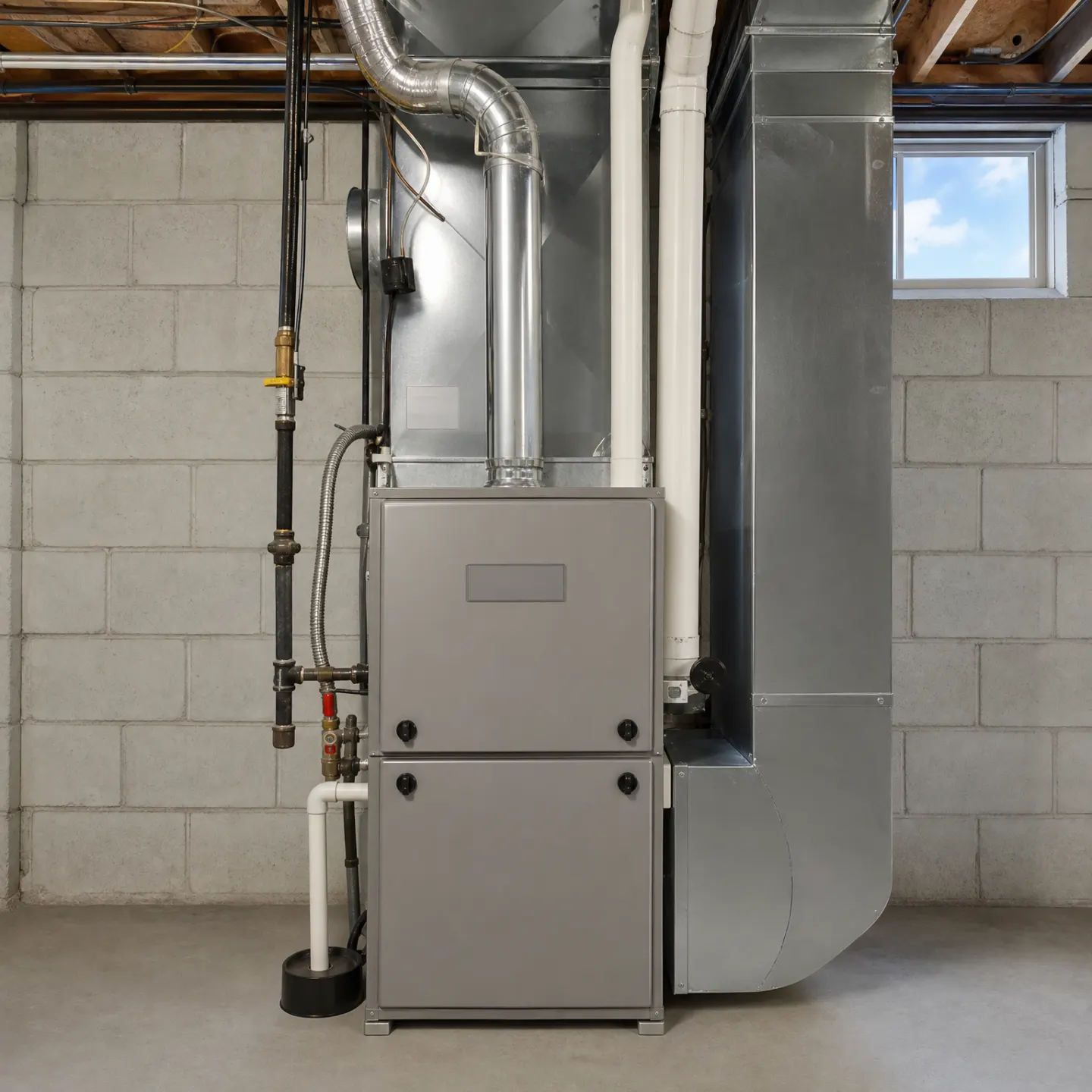
A proper tune-up starts with the furnace off and the cover panels open, not a quick cycle to see if heat comes out. The burners come out for a look at the flame pattern and any corrosion on the metal. The flame sensor gets cleaned, since a thin film on it is enough to make the furnace shut down mid-cycle. The igniter gets checked for cracks or a weak glow, because that part wears out slowly and then all at once. A tech checks the pressure switch and the draft, confirming exhaust is actually leaving through the flue instead of spilling back into the house. The heat exchanger gets inspected for cracks, since that's a safety issue, not just a performance one. Amp draw on the blower motor gets tested against the rating on the plate, which tells a tech more than listening to it spin ever could. The gas pressure gets checked and adjusted if it's drifted off spec, and all the wiring connections get snugged down, since a loose one causes intermittent problems that are hard to trace later.