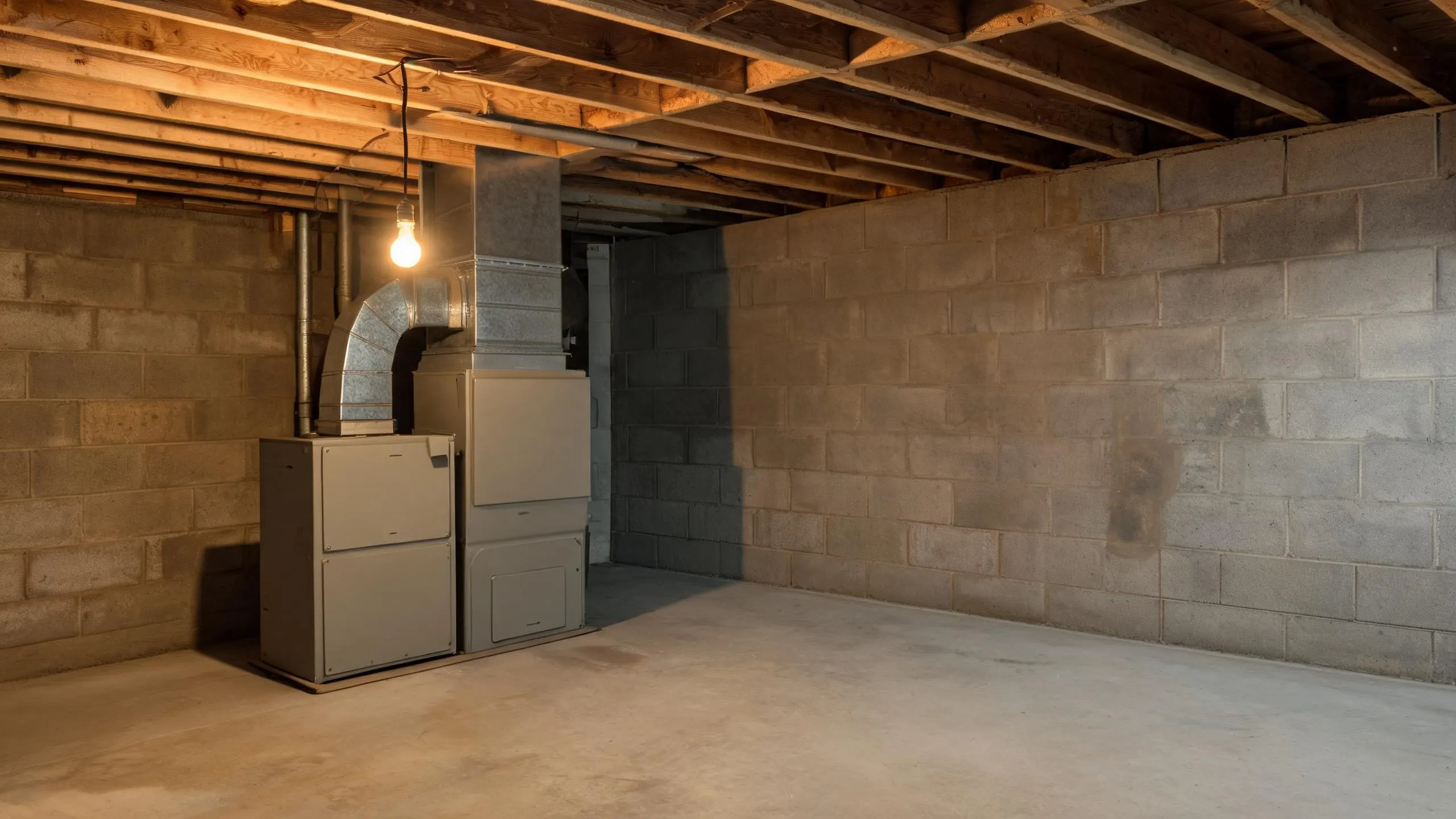




An unfinished basement featuring concrete block walls, exposed floor joists, a bare concrete floor, and a forced-air furnace with a large metal exhaust duct in the corner.

Furnace Maintenance in Thornton, CO

Tell us about the job

Takes about a minute. No obligation.

Step 1 of 3: Equipment

Adams County sees its share of rough weather. 292 severe weather events hit the county between 2015 and 2024, with 85 of those damaging wind and 135 hail. Twenty-two tornadoes touched down in that same stretch. Wind and hail both land on the outdoor parts of a heating and cooling system, and a furnace tied to central air shares that outdoor unit. Factor in 50 winter storms over those same years and you've got snow and ice working on it too. A tune-up is the time to have that unit checked over for dents, debris or anything loose before it has to run.

Half the homes in Adams County were built in 1991 or later.

A furnace that age still has plenty of life left, and a yearly check is what keeps it that way.

October is when it starts working. September is when it gets checked.

Heat runs October through May
Winter nights average 16°F
50 winter storms from 2015 to 2024
Most Furnaces Here Run on GasGas heats 68.9% of homes in Adams County, more than electricity and propane combined.

Furnace season runs long here, October through May, eight months of the year. That's most of the calendar asking a lot of the same machine. The igniter cycles on and off thousands of times over a winter that stretches that far. A blower motor logs hours most parts of the country don't ask of it. Add in the storms, 50 of them hitting Adams County between 2015 and 2024, and you've got a furnace that has to start reliably in weather that doesn't give second chances. Worn parts don't wait for a convenient month to fail. Catching them before October means catching them while they're still small.

Get the Outdoor Unit Checked Before Storm Season Tests It

A tune-up is a chance to have that outdoor unit looked over now, before snow and ice start working on it again. Get it on the schedule.

Find a contractor
A man in a cap, navy long-sleeve shirt and tan work pants carries a canvas tool bag up steps toward a dark front door, with a potted shrub beside the porch.
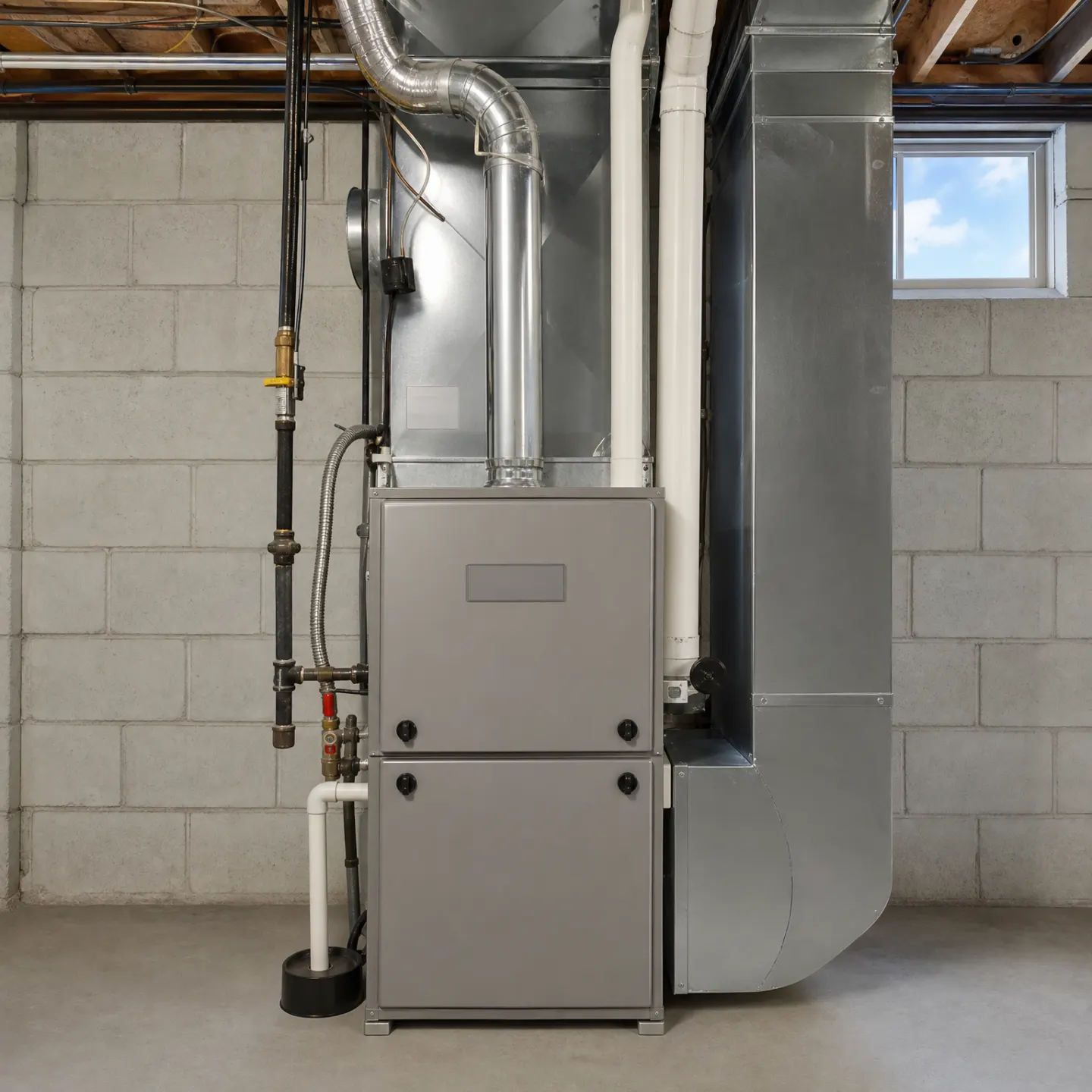
A gray high-efficiency gas furnace installed in an unfinished basement, surrounded by gas lines, a condensate drain, and sheet-metal ductwork.

Get It Looked At Before It Has to Run Eight Months Straight

A tune-up before October is when a worn igniter or a tired blower motor gets caught, while swapping the part is still a quick job and not an emergency call during a storm. That's the window. Once the season starts, that same furnace is running most days through May, and a contractor is a lot harder to get out to you when the roads are bad.

Change the Filter Yourself

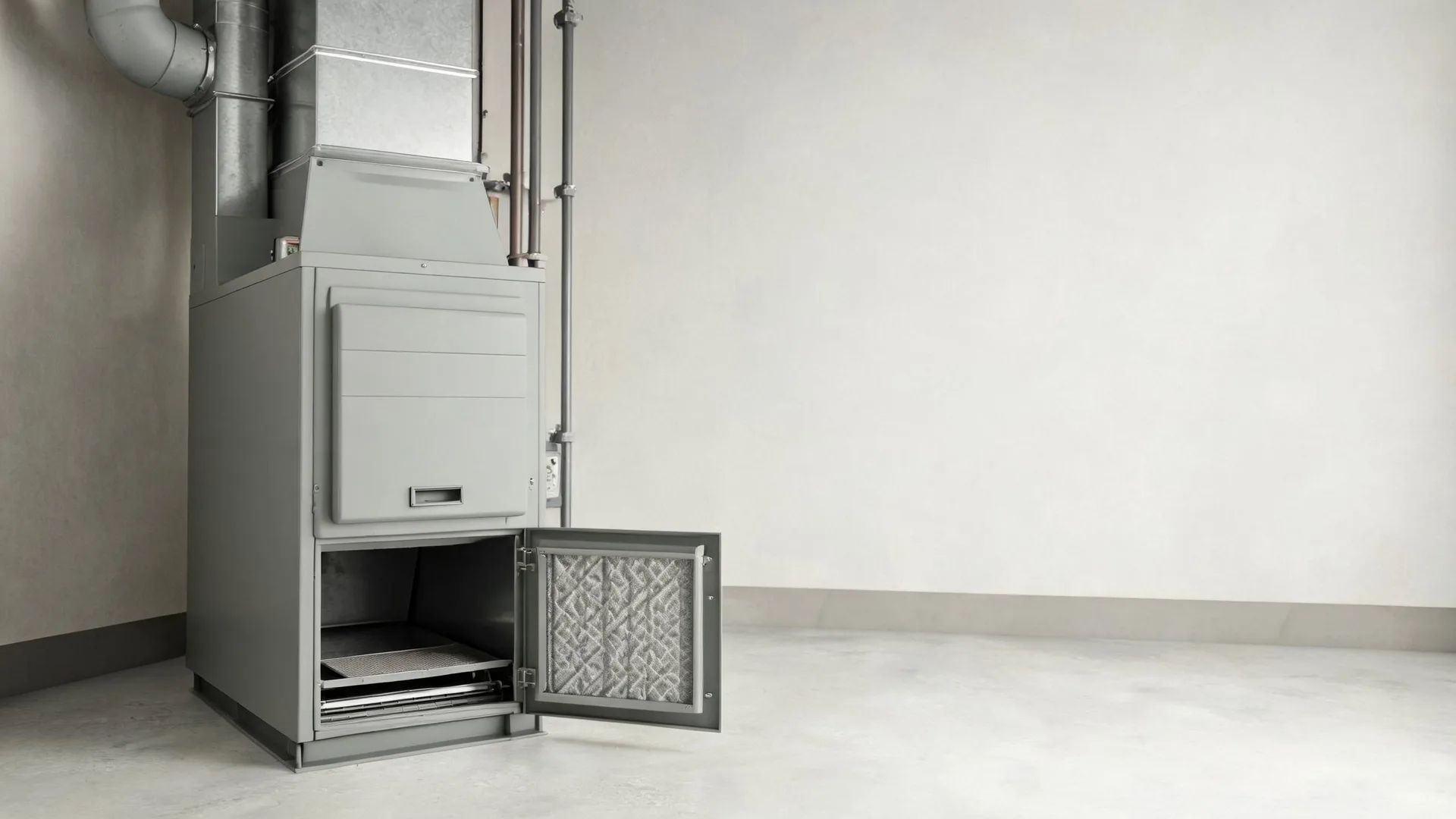
A dirty filter is the one thing a homeowner can check without taking a panel off anything. Pull it and hold it up to a light. If you can't see light through it, it's done. A clogged filter starves the furnace of airflow, which makes the heat exchanger run hotter than it should and makes the blower motor work harder to push air through. Swapping it is the easiest thing you can do between visits, and the only one most furnaces actually need.
Leave the Rest to the Tune-Up

Don't open the burner compartment or go near the flame sensor and igniter yourself. Those parts sit close to a live flame and a gas line, and cleaning them wrong can throw off how the furnace ignites or burns. The same goes for the blower wheel and the inducer motor, both buried behind panels for a reason. Keep the area around the furnace clear of boxes and clutter so it can pull air freely, and let a tune-up handle anything that requires opening it up.

A tune-up gets inside places a filter swap never touches. Flame sensor coated with a thin film that keeps the furnace from staying lit. Igniter hairline cracked, still glowing but close to its last cycle. Flue pipe blocked or disconnected, which sends exhaust somewhere it shouldn't go. These don't show up as a smell or a sound you'd notice walking past. Gas pressure that's drifted off spec will still light the burners, just not the way they were designed to burn, and that shows up as a heat exchanger working harder than it should. A tune-up checks the flame itself, not just whether one is there, and that's the difference between a furnace that lights and one that's actually running right.

A furnace doesn't just move heat, it moves air, and almost everything that goes wrong with one traces back to that airflow getting blocked somewhere. A clogged filter is the start of it. Starve the furnace of return air and the heat exchanger runs hotter than it was built to, which shortens its life no matter how new it is. On the other end, if the furnace is paired with a coil for summer cooling, that coil can collect dust the same way the filter does, and a dirty coil makes the whole system work harder to move the same amount of air. The condensate drain matters for the same reason filters do, just easier to forget. It's a small line carrying off the moisture that cooling pulls out of the air, and if it clogs, that water backs up into the unit instead of outside where it belongs. None of these are dramatic failures. They're slow ones, airflow quietly dropping until something downstream pays for it.