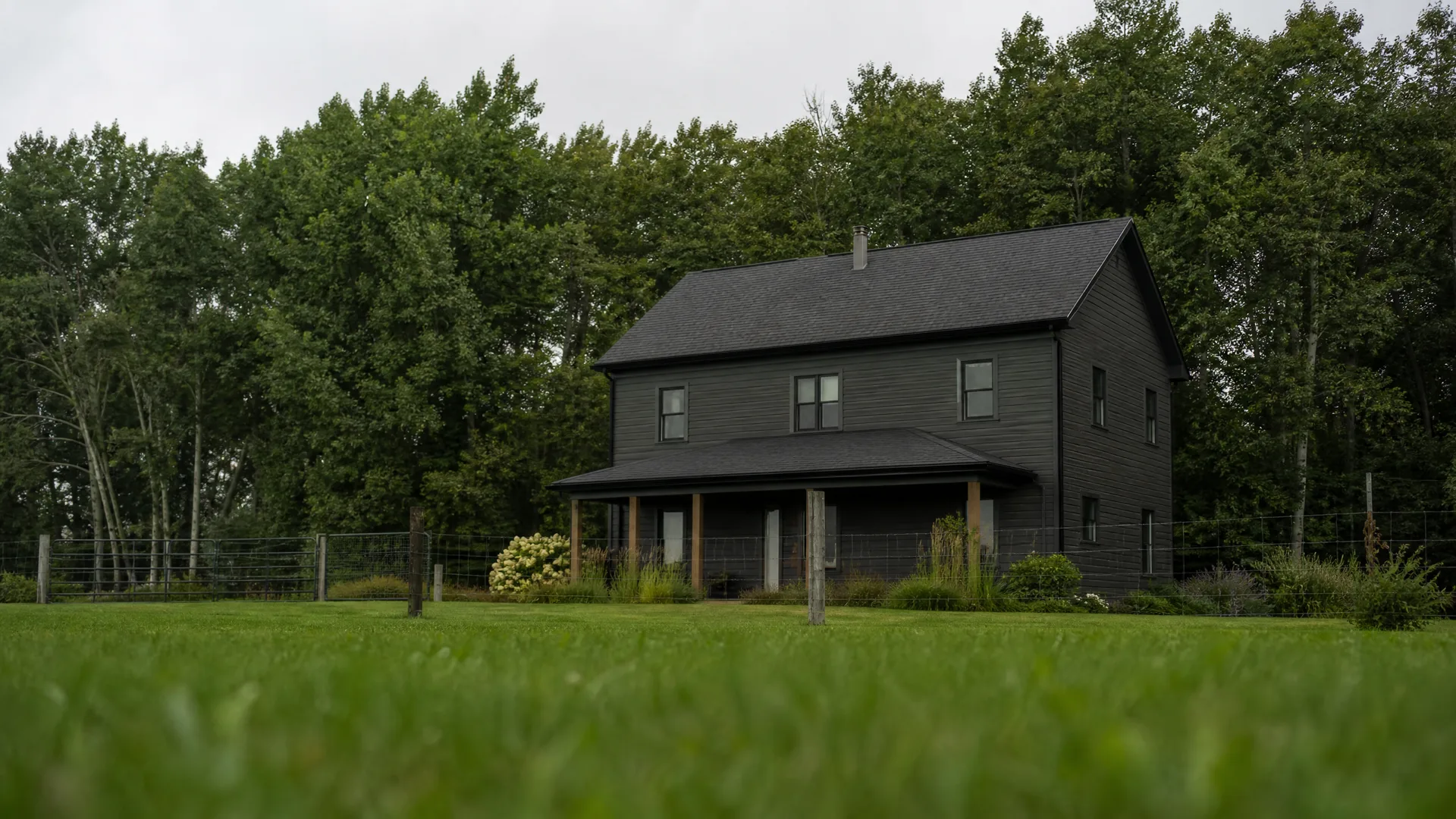




A two-story black-clad house with a gabled roof and covered porch stands on a mown lawn in front of dense green deciduous trees under an overcast sky, with a wire fence and shrubs along the yard.

Furnace Maintenance in La Junta, CO

Tell us about the job

Takes about a minute. No obligation.

Step 1 of 3: Equipment

Furnace season in Otero County runs October through April, seven months of steady work. That first cold snap in October is when the furnace has to come on strong right away, no easing into it. A check in September catches a weak igniter or a dirty flame sensor while the furnace is still sitting idle, not on the first night you need it. Wait until October and you're finding problems the same week you need heat.

Furnace here runs seven months straight, October through April.

One check before the season covers the whole stretch.

Most homes here heat with gas, so the furnace check has to cover the burner, not just the filter

77.6% of homes heat with gas
Heat runs October through April
Winter nights average 19°F

Once a year, before the season starts, is enough. Otero County has its share of rough weather, including 82 damaging wind events over the past decade, but none of that wears on a furnace sitting inside the house. Wind and hail test the roof and the siding, not the burner or the heat exchanger. Power is the one thing worth a second thought. A good share of Colorado households go at least a day without power some time during the year, and a furnace with no power is a furnace that can't run no matter what shape it's in. A fall check won't prevent an outage, but it means the furnace restarts clean the moment power comes back, instead of adding a furnace problem on top of everything else.

In a county this old, a yearly check is what catches trouble early

Half the homes in Otero County were built in 1958 or earlier. If your furnace came with the house, or even replaced one that did, years of regular use add up. A yearly check before the season starts is how a worn igniter or a weak flame sensor gets caught while the furnace is easy to get to, not after it's already working hard.

Find a contractor
A man in a dark jacket, cap and tan work pants carries a canvas tool bag up stone steps toward a navy front door, with a potted shrub beside the entry.
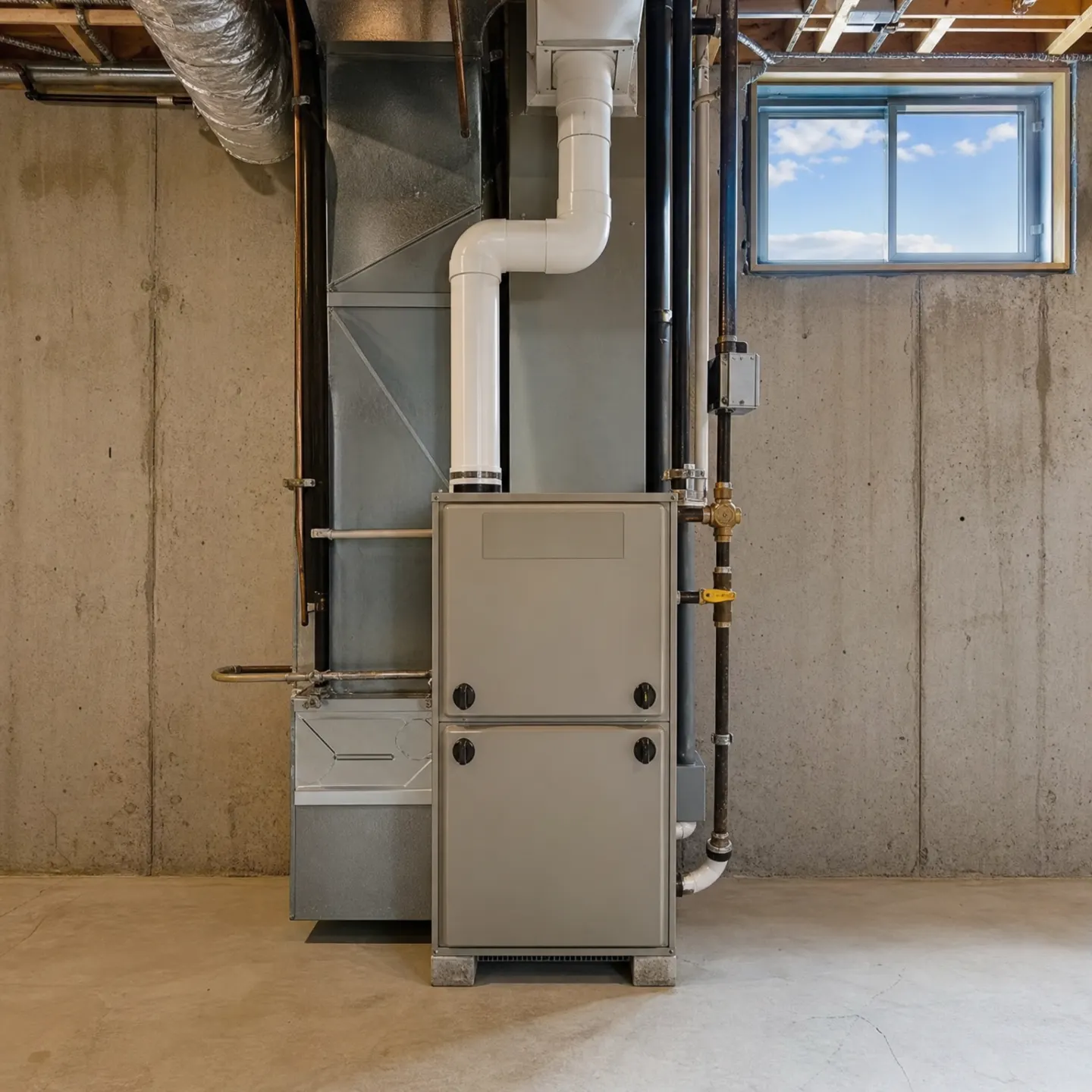
A gray gas furnace with attached ductwork and piping installed in an unfinished concrete basement.

Make it the same month every year

If your furnace is original to the house, or close to it, the thing that matters is doing the check again next year, and the year after that. One look doesn't tell you much by itself. A yearly check builds a record, so the person doing it can tell you whether the igniter or flame sensor is wearing the way it should or wearing faster than it should. Put it on the calendar for the same month each year, before the first cold snap, so it happens whether or not anything seems wrong yet.

A longer cycle than it used to run

A furnace that used to heat the house in short bursts and now runs long stretches is working harder to do the same job. That usually traces back to a clogged filter, a blocked vent, or a flame sensor that's not sensing well. Caught early, it's a cleaning or a part. Left alone, it's a strain on the blower motor and the heat exchanger.
A smell that wasn't there before

A burning dust smell in the first few minutes is normal, that's dust on the heat exchanger burning off. If it lingers past the first run, or if the smell is sharper, like scorched metal or something electrical, that's not dust anymore. Shut the furnace off and have it looked at before running it again.

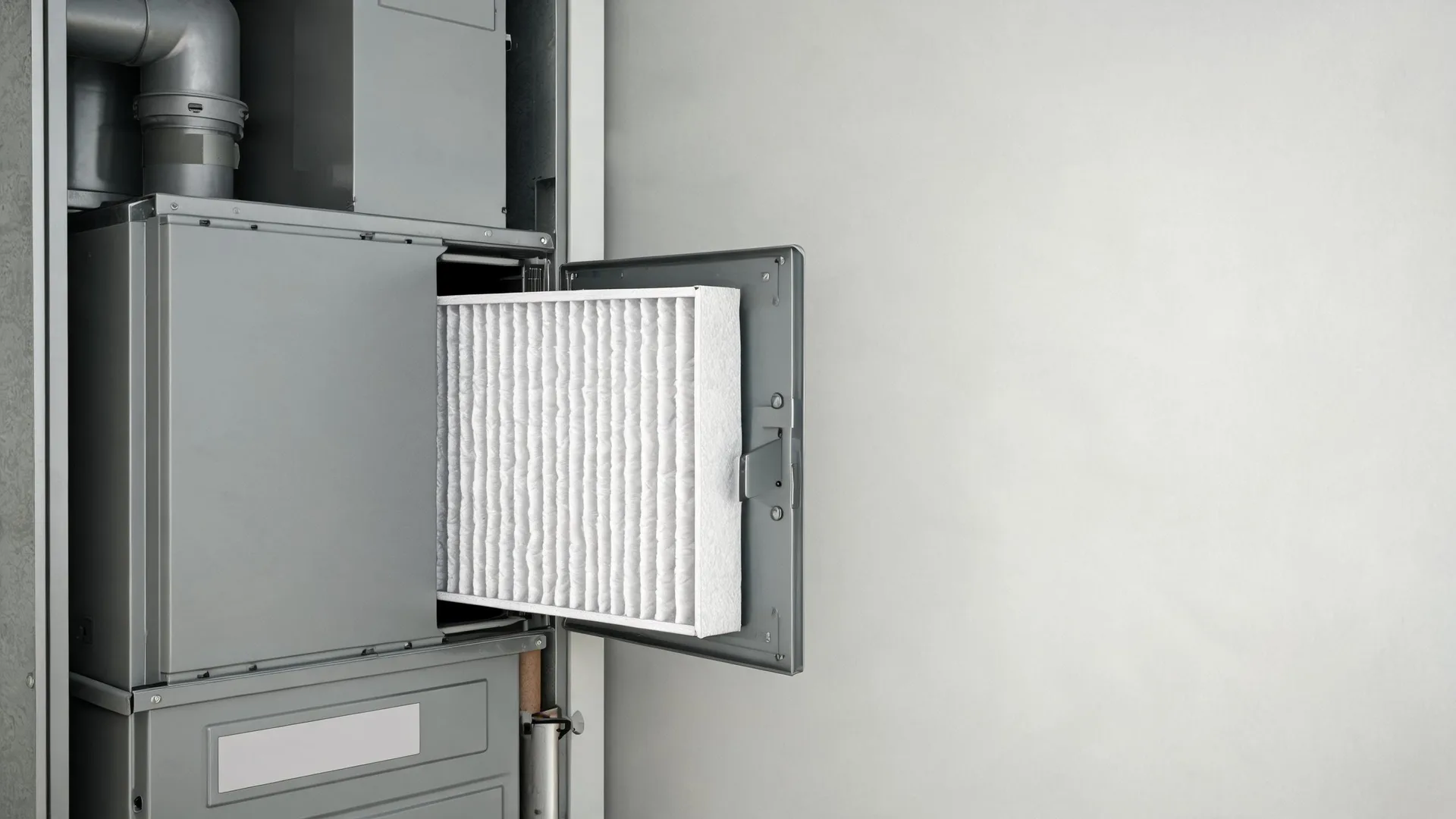
The filter is the cheapest insurance a furnace gets. Airflow goes in through the filter, gets heated, and moves on to the ducts. When that filter loads up with dust, the furnace has to pull harder to move the same air, and the heat exchanger runs hotter than it was built to. That shortens its life. A coil only matters here if the same system handles cooling, and if it's caked with dust, the furnace side still has to push air past it to reach the rooms upstream. The drain line belongs to the air conditioner, not the furnace, in most setups, but a high-efficiency furnace has its own condensate line, and if that line clogs, the furnace shuts itself down rather than let water back up into the cabinet. None of these are parts you can glance at while the furnace is running. They're worth checking before the season starts, while it's easy to get to.

A real tune-up starts with the burner flame, not the filter. A technician pulls the burner compartment open and looks at the flame itself. It should burn steady and blue. Yellow or lifting off the burner means it's not getting the right mix of air and gas, and that's worth tracking down before winter, not after. From there it's the heat exchanger, checked for cracks or rust-through, since that's the part keeping combustion gases out of the air you breathe. The igniter gets tested under load, not just looked at, because an igniter can glow and still fail to light the burner reliably. The flame sensor gets cleaned, since a film builds up on it over a season of running and makes the furnace shut off seconds after it starts. Most modern furnaces run direct-drive, so belts don't come into it, but the blower wheel gets checked for dust buildup, and the motor gets checked for the kind of noise or play that says a bearing is wearing out. Last comes the venting, making sure exhaust is actually leaving the house instead of finding its way back in.