A row of illuminated timber-frame and stone houses photographed at dusk, with evergreen trees and a mountain range in the background.

Furnace Maintenance in Trinidad, CO

Tell us about the job

Takes about a minute. No obligation.

Step 1 of 3: Equipment

Eight months of heat

Furnaces here run from October through May, with overnight lows averaging 20°F through December, January and February. That is a long stretch asking a lot of the igniter, the blower motor and everything else that keeps it running.
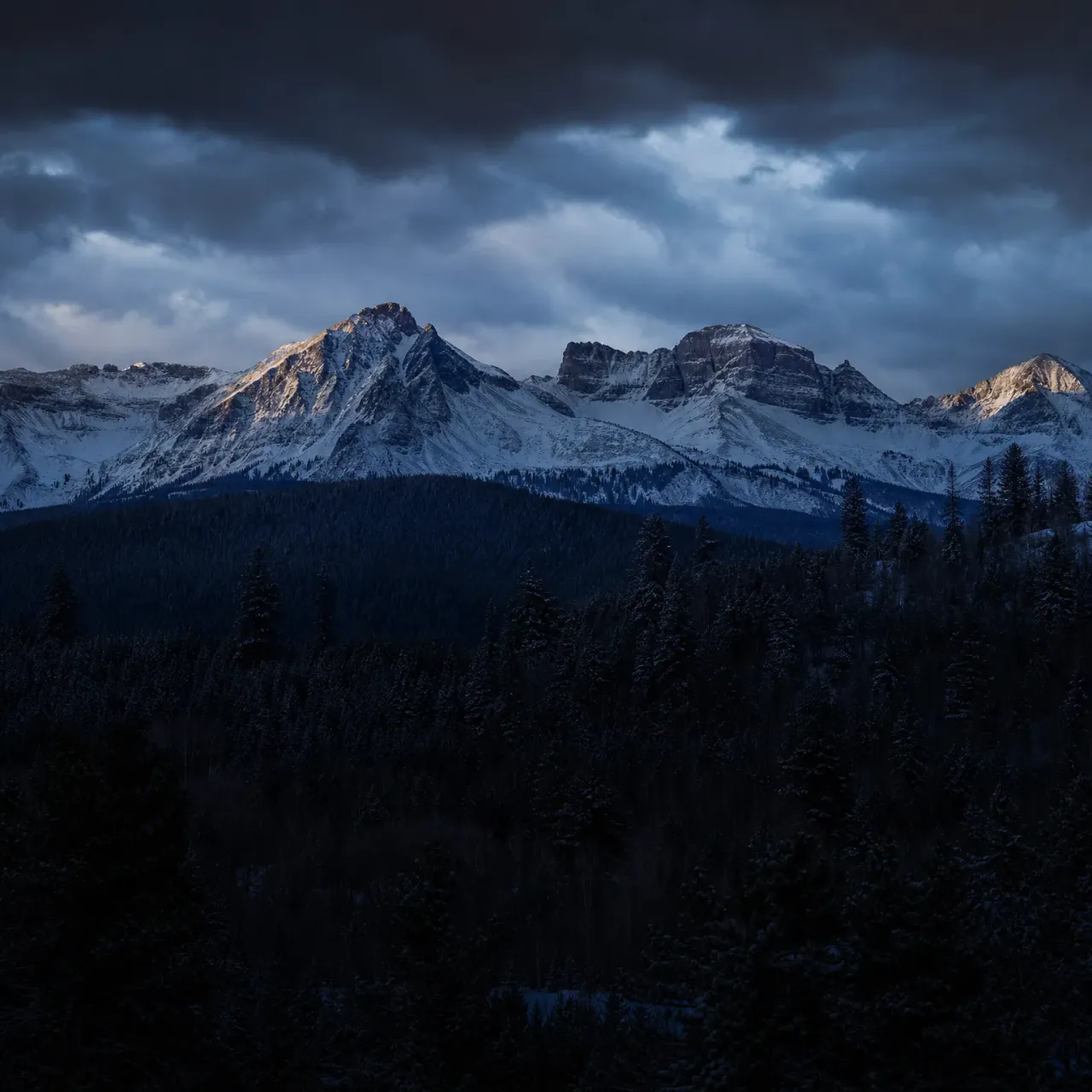

Snow and ice add to the load

Las Animas County saw 166 winter storms between 2015 and 2024, counting heavy snow, ice and blizzards. A furnace working through weather like that wears parts down faster than one running a mild season somewhere else.

A cracked heat exchanger won't always show up as a smell or a sound.

A tune-up checks for it directly, because a furnace can keep running after the crack starts.

Most of this county heats with gas

48.5% of homes heat with gas
Heat runs October through May
Winter nights average 20°F

Half the homes in Las Animas County were built in 1972 or earlier. A furnace that old has likely been replaced since, but the ductwork and gas line running to it usually haven't. A yearly check gives someone a chance to look at the connection points and the venting before a small leak or a loose fitting turns into something worse. If your furnace came with the house, or you don't know its age, that's worth finding out before the cold sets in.

Book the check in September, before October's cold arrives

Furnace here starts running hard in October and keeps going through May. September is the month to get it checked, before it's working every day and a tech has to schedule around that.

Find a contractor
A man in a cap, dark jacket and tan work pants carries a canvas tool bag up white porch steps toward a dark blue paneled front door, with a potted shrub beside the entry.
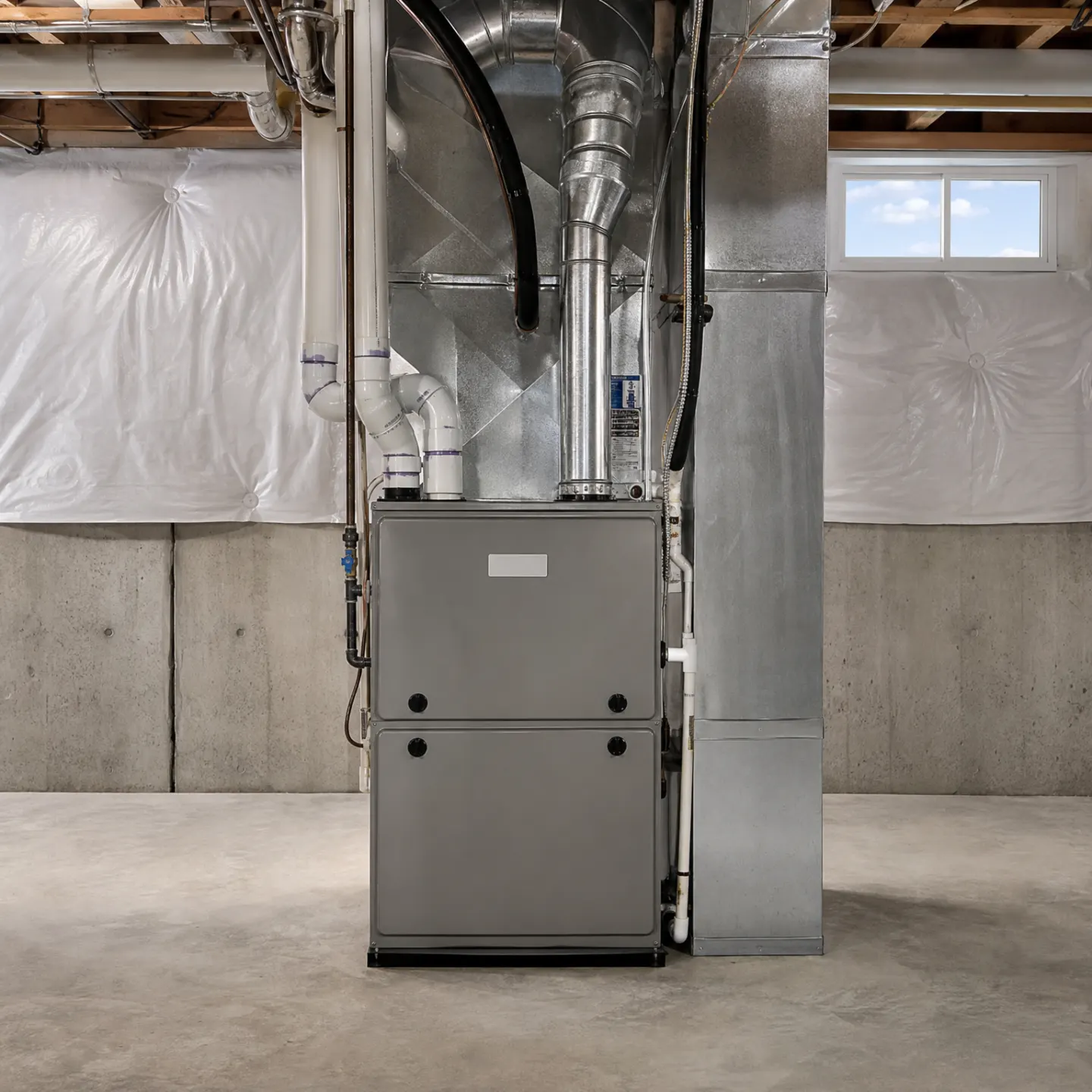
A gray residential gas furnace installed in an unfinished basement, connected to sheet-metal ductwork and PVC pipes.

Between visits, the filter is the one thing worth doing yourself

The filter is the only part of this that's really in the homeowner's hands, and it's worth doing on a schedule instead of waiting for a reason. A filter clogged with dust makes the blower work harder and lets the exchanger run hotter than it should, and that's true whether anyone notices or not. Past the filter, there isn't much to do safely. Opening the cabinet to look at the burners or the igniter means working near gas and a live flame, and that's a tech's job, not a homeowner's. What a homeowner can do is pay attention. A burner flame that looks yellow instead of blue, a smell of gas, a sound that wasn't there before, soot around the vent hood. Any of that is worth a call before the next scheduled visit, not after.

The filter decides how hard everything else works

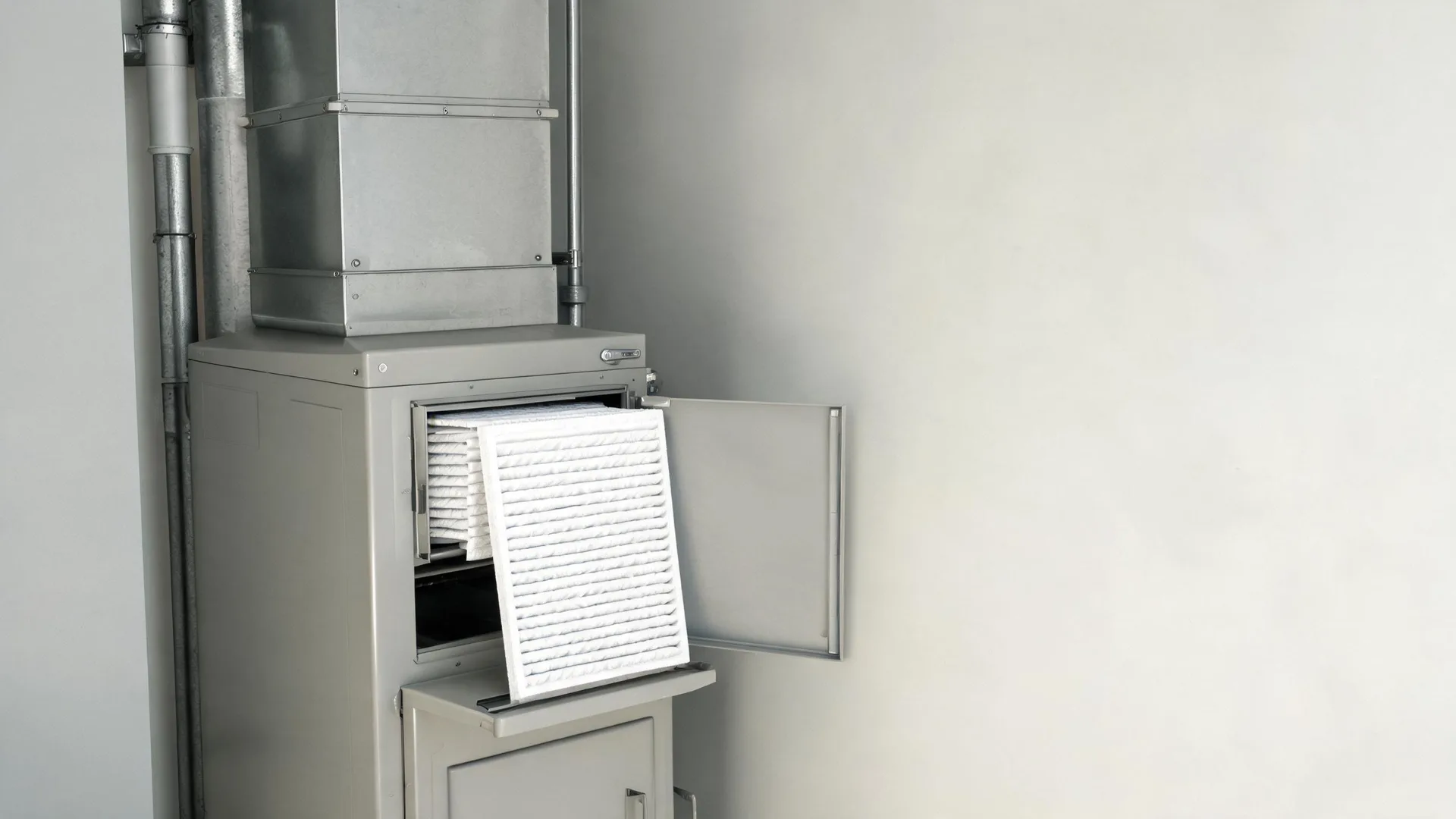
A dirty filter chokes airflow across the heat exchanger. The blower has to push harder to move the same amount of air, and the exchanger runs hotter than it should. That strain is what shortens the life of a blower motor and what leads to a cracked exchanger down the road. Changing or cleaning the filter is the one thing that protects everything behind it.

The drain line matters even though this is a furnace

A high-efficiency furnace produces condensation and needs somewhere for it to go. If that drain line clogs, the furnace can shut itself down on purpose rather than let water back up into the cabinet. Checking that line during a tune-up catches a slow clog before it trips the furnace on a cold morning.

Skip enough tune-ups and a furnace doesn't fail all at once. It fails one part at a time, and the parts don't send a warning first. A flame sensor coated in residue starts misreading the flame and shuts the burners down, even though the furnace is otherwise fine. A blower motor running dirty bearings works fine for a while, then seizes. An ignitor weakens a little more each cycle until the day it won't glow hot enough to light the gas. None of that shows up during the months the furnace isn't running. It shows up the first cold morning it has to work for real, because that's when a weak part finally gets asked to do its job.

A tune-up starts with the burners and the flame itself. A tech pulls them out, cleans off the rust and scale, and checks that the flame burns steady and blue instead of flickering yellow. Yellow means it's not burning clean, and that's worth catching before the exchanger takes the damage. From there it's the flue and venting, making sure exhaust actually leaves the house instead of finding its way back in. The flame sensor and igniter get checked too, since both wear down with use and neither gives much warning before they fail outright. Belts and bearings get checked for wear if the blower has them, and the motor gets lubricated if it takes oil. Last comes a check of the gas pressure and the electrical connections, because a furnace running on the wrong pressure burns unevenly no matter how clean everything else is.