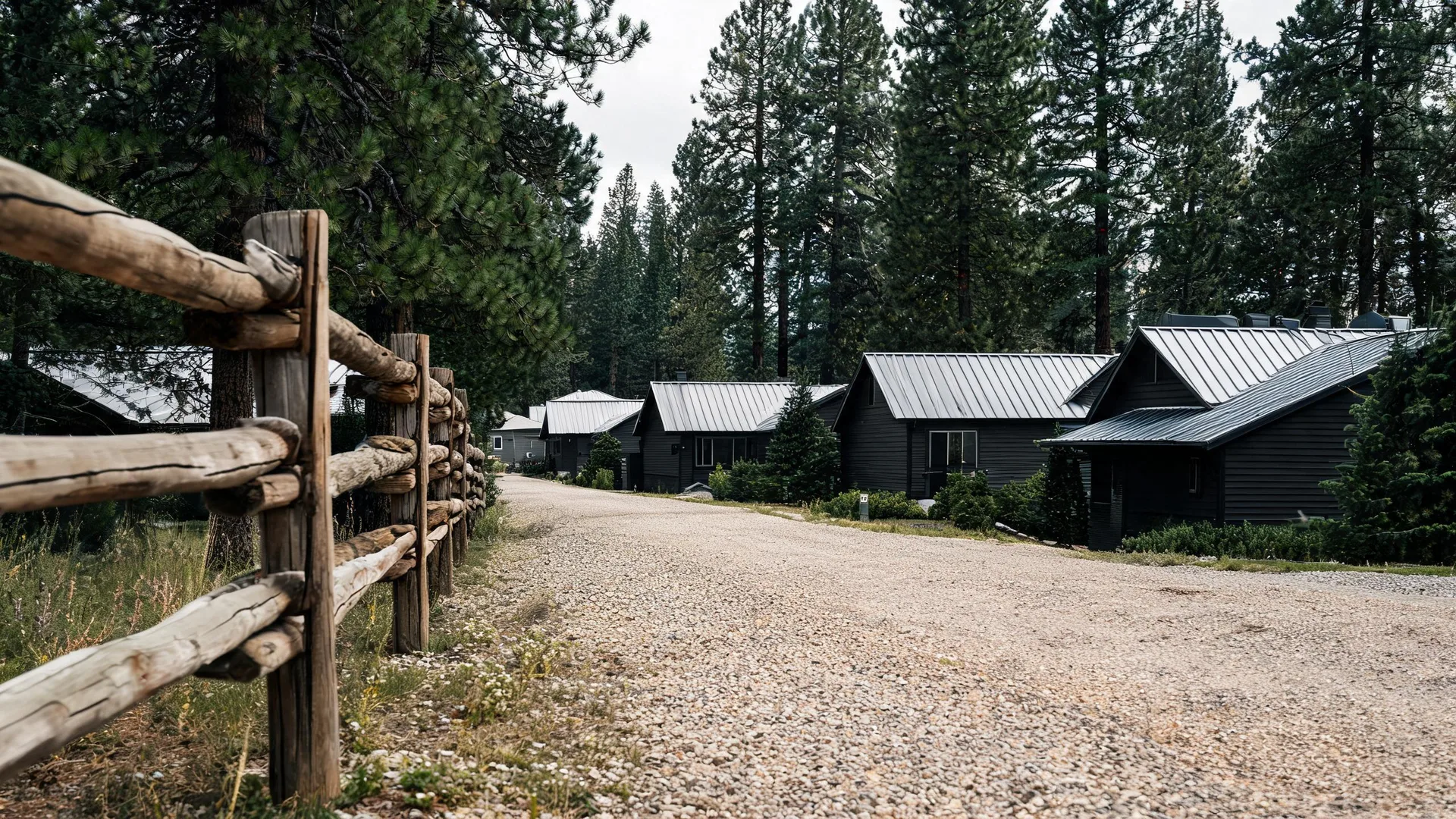
A gravel road lined with dark-clad cabins with metal gabled roofs, bordered by a rustic log fence in the left foreground and tall pine trees under an overcast sky.

Furnace Maintenance in Central, CO

Tell us about the job

Takes about a minute. No obligation.

Step 1 of 3: Equipment

The furnace tells you before it quits

A furnace that's struggling will short cycle, running for a few minutes and shutting off before the house warms up. The flame in the burner compartment should look steady and blue. If it's flickering or burning yellow, something is off with the air mix. A burning smell when it first kicks on each season is normal for a few minutes. One that lingers, or a smell like something electrical, is not.

Waiting for a sign means waiting for a failure

Some of what wears out in a furnace, like a cracked heat exchanger or a worn igniter, gives no warning at all until the day it fails. A check catches the flame sensor before it's too corroded to hold a signal, and the blower wheel before it's packed with enough dust to strain the motor. That's the difference between a tune-up and a repair call.

Gas heats 54.2% of homes in Gilpin County, and another 15.7% run on propane.

A gas or propane furnace needs its burner and venting checked every year, not just the filter.

Half these furnaces are younger than the house built around them

Half the homes here were built by 1984
Winter nights average 15°F
74 winter storms from 2015 to 2024

A furnace that's dirty or out of tune pulls more gas to put out the same heat. In Colorado, gas ran $10.09 per million Btu in 2024, so every bit a worn furnace wastes shows up on the bill all winter. A dirty burner or a clogged flue doesn't make the house less warm right away. It just takes more gas to do it. A yearly check gets the burner clean and the airflow right, so the furnace isn't working against itself to heat the same rooms.

Get the burner and venting checked

Gas and oil systems need the burner, venting and safety controls checked, not just a new filter.

Find a contractor
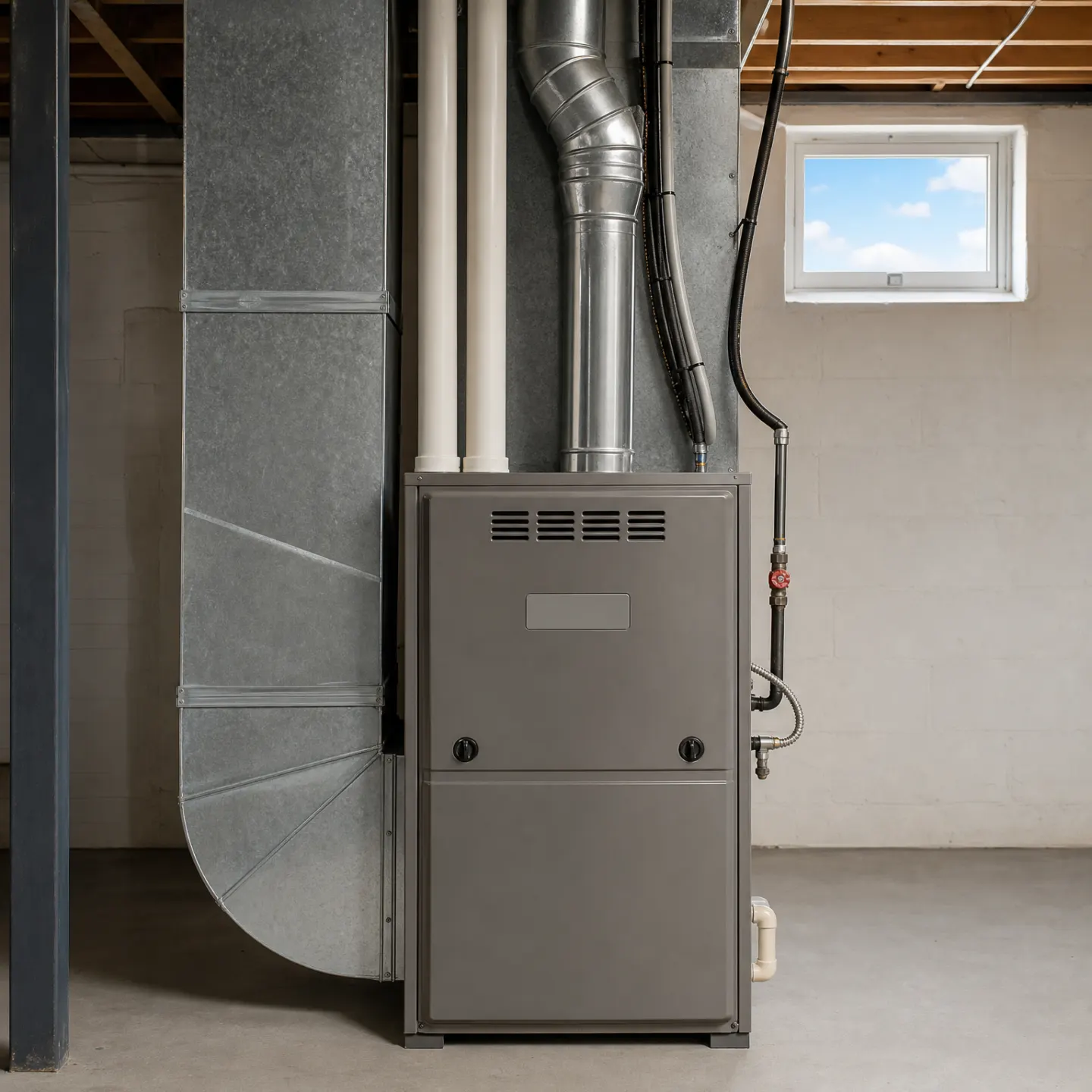
A gray residential gas furnace installed in an unfinished basement, surrounded by ductwork, a metal flue pipe, and a gas supply line.

A newer furnace is worth keeping that way

Half the furnaces in the county are newer than half the houses, which means a lot of them still have most of their working life ahead. A yearly check is what keeps that true. Catching a weak igniter or a slipping belt connection early means the furnace keeps running the way it did when it went in, instead of losing ground a little each winter.

Change the filter

A dirty filter chokes airflow, and a furnace starved for air runs hotter and longer than it should. Check it on a regular basis and hold it up to the light. If you can't see through it, swap it. This is the one job that's safe to do yourself, and the one that matters most between visits.

Keep the area around it clear

The furnace needs open space to pull in air, and the vents need to stay uncovered for air to move through the house. Don't stack boxes against the unit or shut doors on rooms that need heat. Beyond that, leave the cabinet closed. Anything past the filter, the burner, the blower, the controls, is a job for someone who works on these for a living.

A tune-up opens up what the filter never shows you. The igniter gets checked for a weak glow instead of a strong one, the kind of wear that looks fine until the morning it doesn't light at all. The flame sensor gets cleaned of the film that builds up on it slowly, so it keeps reading the flame instead of shutting the burner off on a whim. The blower wheel gets pulled and looked at for dust packed between the blades, weight that makes the motor work harder to move the same air. The heat exchanger gets inspected for hairline cracks that don't smoke or smell, just let a little exhaust mix into the air the furnace is supposed to be heating clean. None of that shows up when you look at the furnace from across the room. It shows up when someone takes the cabinet apart and checks each part against what it looked like when it was new.

A tune-up also covers the gas valve and the pressure it's feeding the burner. Too much pressure and the burner runs hot and sooty. Too little and the flame struggles to heat the exchanger the way it was built to. The draft gets checked too, the pull that carries exhaust up the flue instead of back into the house. A furnace can light fine and still vent poorly, and that only shows up when someone holds a test to the flue and watches which way it moves. The limit switch gets tested as well, the one part whose whole job is shutting the furnace down if it overheats. It almost never trips. That's exactly why it needs testing instead of trusting.