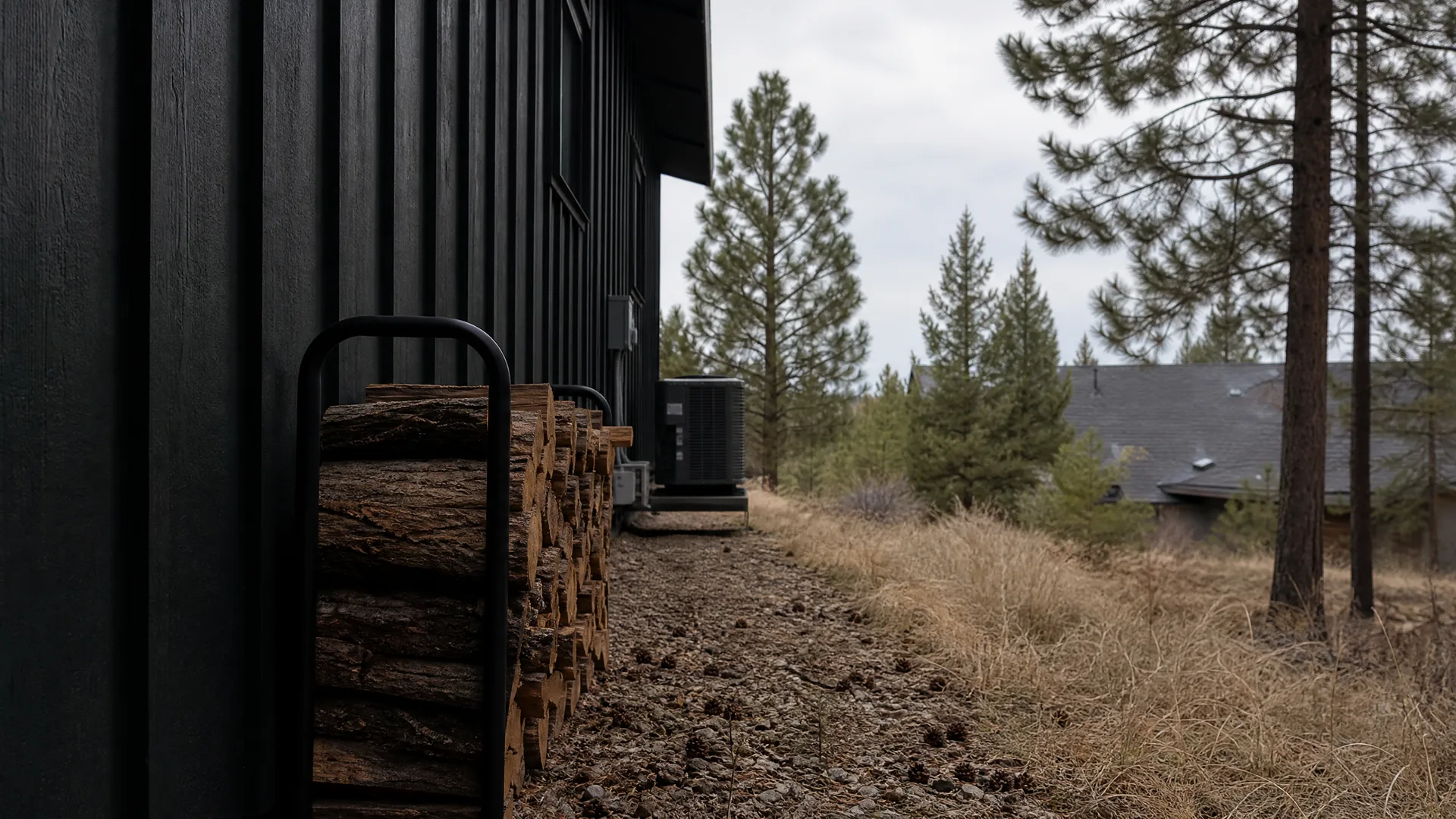
A black vertical-board exterior wall with a metal rack of stacked firewood, an air-conditioning condenser unit beyond, and dry grass, gravel and pine trees with a neighboring roof in the background.

Furnace Maintenance in Monte Vista, CO

Tell us about the job

Takes about a minute. No obligation.

Step 1 of 3: Equipment

Gas here runs $10.09 per million Btu

Colorado households paid that much for natural gas in 2024. A furnace that's skipping maintenance burns more gas to put out the same heat, and in Monte Vista that waste shows up fast because the furnace runs so much of the year.

A tune-up is what keeps that number down

Dirty burners, a weak flame sensor or a clogged filter make the furnace work harder for the same warmth. A yearly check catches those before a full winter runs up the gas bill for no reason.

Furnaces in Rio Grande County run heat every month of the year, with winter lows averaging 7°F.

A furnace that never gets a break has less room to hide a worn part before it fails.

What Keeps a Gas Furnace Running RightGas heats more homes in Rio Grande County than any other fuel, and LP gas heats almost as many.

Get the furnace looked at before the cold settles in for good, not after it's already running nonstop. Once Rio Grande County hits its stretch of winter, there's no slow week to shut the system down and see what's wrong. It just runs, day and night, and whatever was worn going in stays worn until it fails outright. A technician can catch a cracked heat exchanger, a sticking valve or a blower that's working too hard before any of that turns into a no-heat call. Winter storms have hit this county 199 times between 2015 and 2024. That's not a county where you want to find out mid-storm that the furnace had a problem all along.

A tune-up now keeps the gas bill down all winter

Schedule it before the furnace settles into running every day. A technician can clean the burners and check the flame sensor while it's still an easy visit, not a squeeze between cold snaps. Get that done and the furnace burns what it needs to, not more.

Find a contractor
A man in a navy T-shirt, tan work pants and cap, seen from behind, carries a worn canvas tool bag up wooden porch steps toward a dark blue front door.
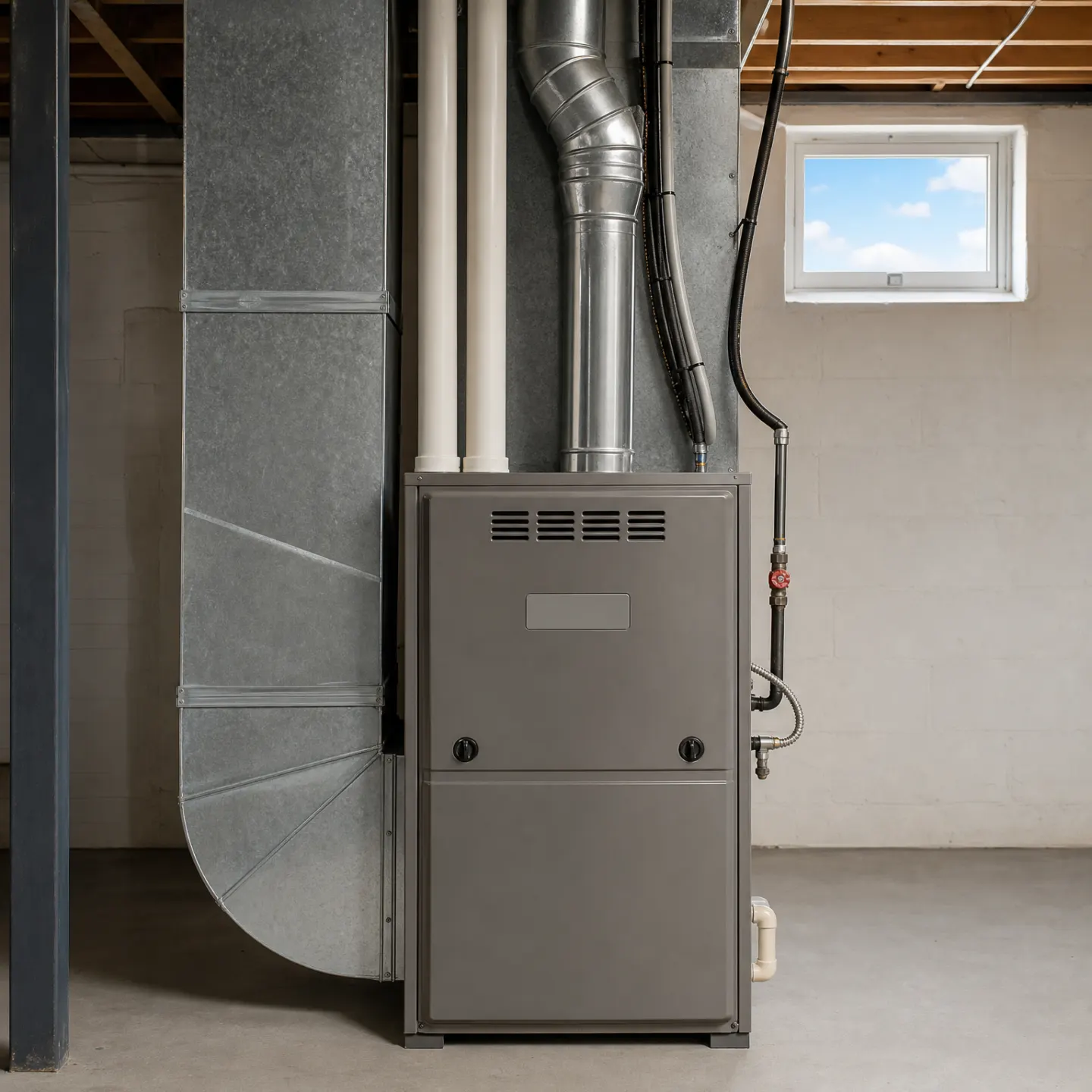
A gray residential gas furnace installed in an unfinished basement, surrounded by ductwork, a metal flue pipe, and a gas supply line.

Between Tune-Ups

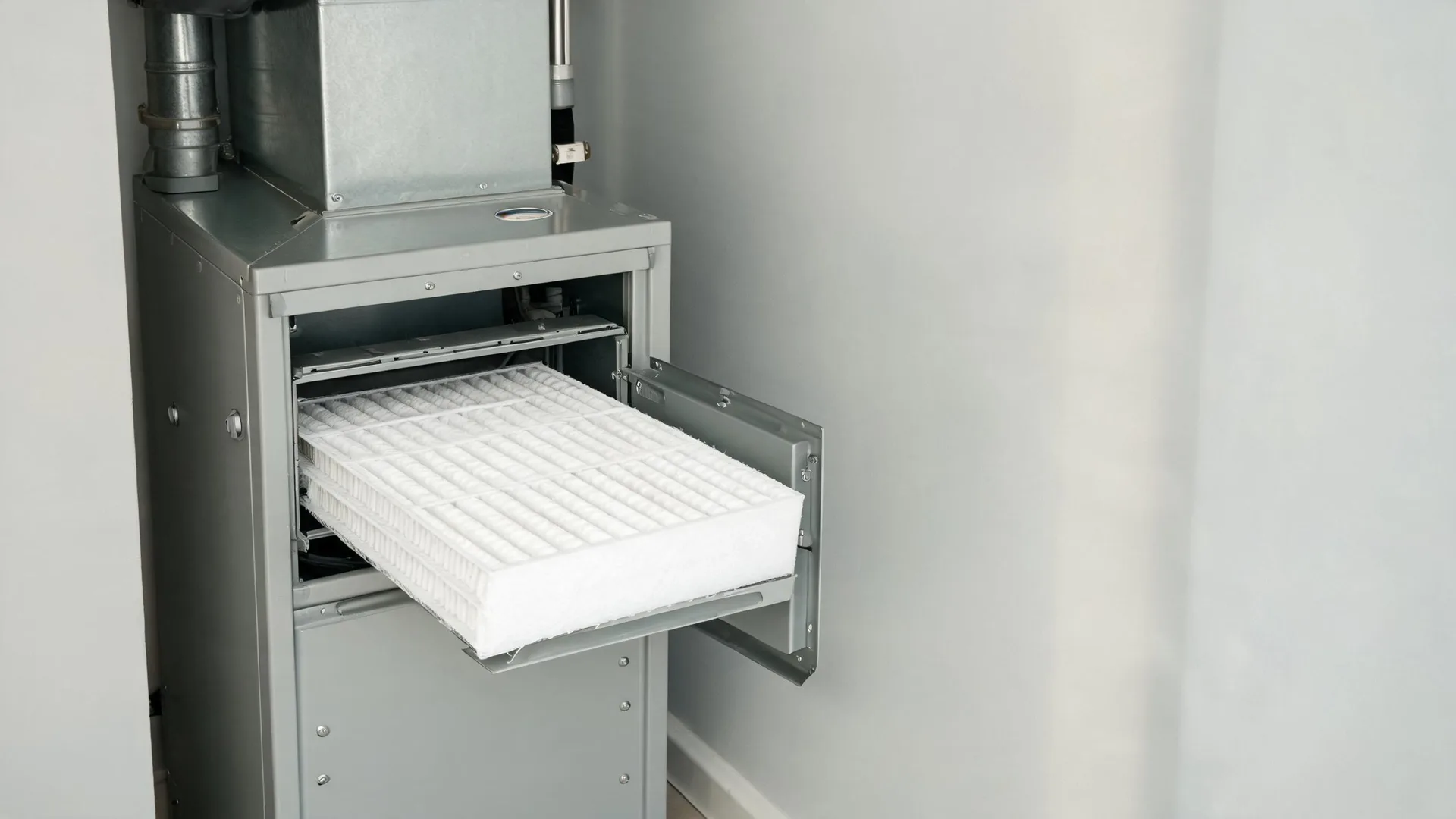
Between visits, the filter is the one thing worth checking yourself. Pull it out, hold it up to a light. If you can't see light through it, swap it in. A clogged filter starves the furnace of airflow, and a furnace that can't breathe runs its heat exchanger hotter than it should. Keep the area around the furnace clear too, nothing stacked against it, nothing blocking the return air grille. While it's running, listen for anything new. A rattle, a screech on startup, a burner flame that looks mostly yellow instead of blue. Yellow flame can mean incomplete combustion, and that's not a wait-and-see problem. If the furnace short-cycles, turning on and off in quick bursts, or the air coming out feels weaker than it used to, those are both worth a call rather than a shrug. None of that replaces what a technician checks with the panels off, but it catches the kind of trouble that doesn't wait for a scheduled visit.

A furnace rarely fails without warning first

A cracked heat exchanger, a failing igniter, a blower motor losing strength, all of them show small signs before they quit. A flame that burns yellow instead of blue. A burner that lights late or with a soft thump. A blower that runs longer than it used to for the same warmth. None of those stop the furnace that day. They just mean something is wearing down and worth checking before it picks the coldest night to go.

A technician checks what you can't see running

The panels have to come off for most of it. The flame sensor, the igniter, the heat exchanger, the gas pressure at the valve, none of that shows itself from across the room. A technician cleans what's dirty, tightens what's loose, and tests the safety switches that are supposed to shut the furnace down if something goes wrong. That's the part a filter check at home never covers.

Storms here don't spare the furnace's outdoor parts either. Rio Grande County logged 253 severe weather events between 2015 and 2024, and 199 of those were winter storms, heavy snow, ice, blizzards. Damaging wind hit the county 52 times in that same stretch. Wind-driven snow and ice work into the intake and exhaust vents on the outside wall, and a vent that's partly blocked changes how the furnace draws and burns gas. Statewide, 13% of Colorado households lost power for a day or more in 2024, and a furnace needs electricity to run even though it burns gas. Worth having those vents and connections checked for damage before the county's next stretch of storms.

A tune-up covers more than cleaning the burners. The technician checks static pressure, the force the blower has to push against to move air through the ducts and filter. Too much resistance and the blower motor works harder than it was built to, which shortens its life. They'll test the temperature rise, the difference between the air going into the furnace and the air coming out, against what the manufacturer specs for that unit. Run outside that range for long and the heat exchanger takes the damage. Gas pressure at the manifold gets checked too, since too high or too low both throw off how clean the gas burns. Last, the safety controls: the limit switch that shuts the furnace down if it overheats, and the pressure switch that confirms the vent is actually drawing before the burners light.