Ten months of heat a year
Furnaces in Routt County run from September through June. With lows averaging 11°F in December, January and February, the furnace is rarely off long enough to rest.
Takes about a minute. No obligation.
Furnaces in Routt County run from September through June. With lows averaging 11°F in December, January and February, the furnace is rarely off long enough to rest.
A furnace that worked hard all last winter can carry a weak igniter or a cracked heat exchanger into this one without warning. A checkup before the cold sets in catches that while it's still a simple fix.
Gas heats 45.6% of homes in Routt County, more than any other fuel.
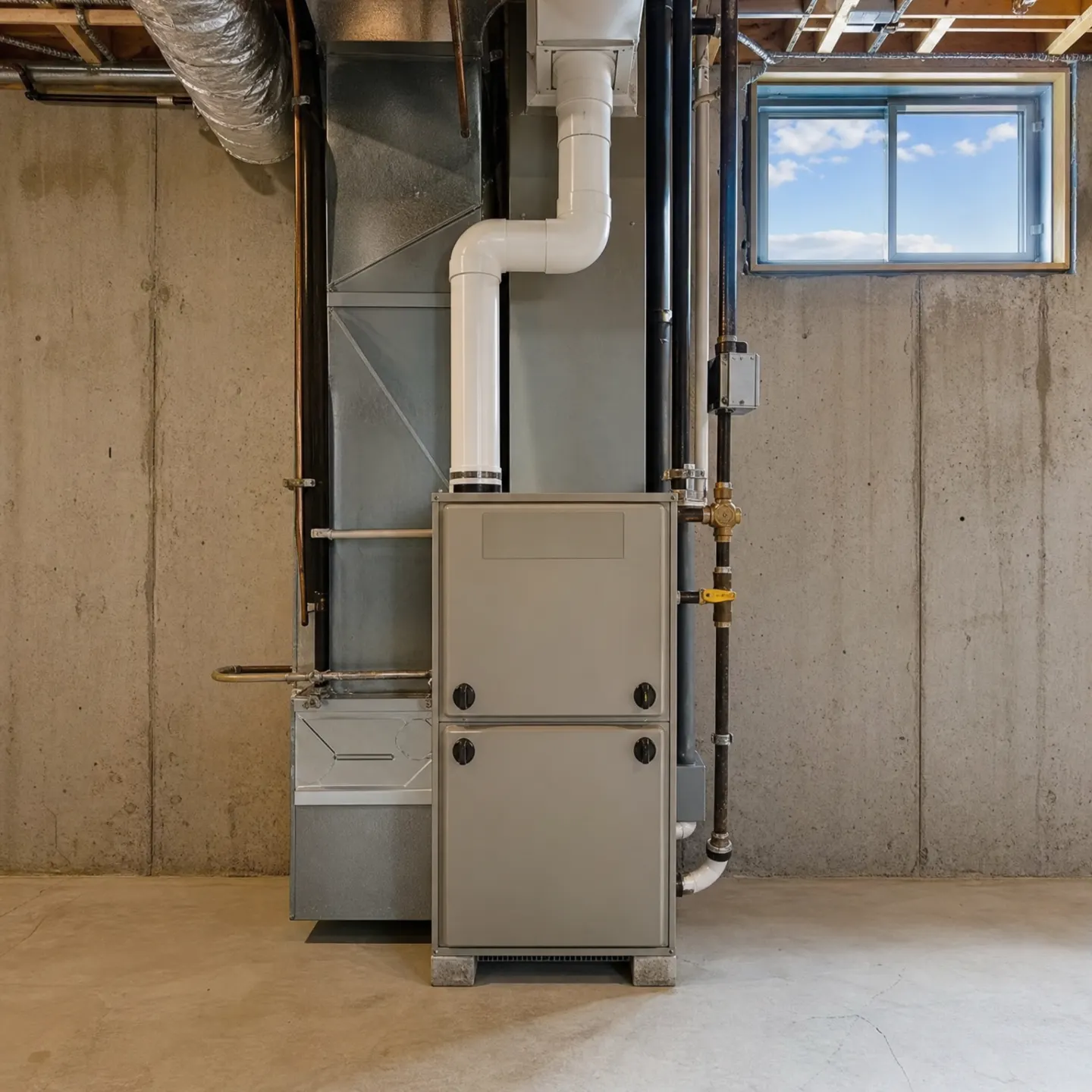
A gas furnace needs its burner, venting and safety controls checked every year, not just a new filter.



Get the furnace looked at before September, while the roads are clear and a technician can still get to the house without trouble. Wait until the snow is already falling and a bad igniter means days of waiting with the house running cold. Routt County saw 202 winter storms between 2015 and 2024, the kind that close roads and push back service calls. A checkup done before the season starts avoids that whole problem.
Half the homes in Routt County were built in 1993 or later, which means a lot of furnaces out there still have plenty of working life left. A yearly checkup is what keeps one of those newer systems running that long, instead of losing years to a problem nobody caught.
Find a contractorSeptember is when the furnace stops being optional and starts running most days through June. That first cold snap is the worst time to find out the igniter is going. Get it looked at in August, before it has to carry the full ten months on whatever shape it's in now.
A burner that used to light with one quiet click and now hesitates or clicks again before it catches is wearing out its igniter. A blower that used to kick on quiet and now rattles or hums before it catches has a motor bearing going bad. Short cycling, where the furnace fires up and shuts off again before the house warms, points to a flame sensor or a clogged filter choking the airflow. None of these stop the furnace from running that day. All of them mean it's running worse than it was, and that doesn't fix itself.
A cracked heat exchanger makes no noise and the furnace keeps blowing warm air like nothing's wrong, right up until it's a carbon monoxide problem instead of a heating one. A pilot or burner flame that's turned yellow instead of blue is burning dirty, and nobody notices unless they look. These don't announce themselves with a sound most people would catch and call about. That's the part a checkup is actually for.
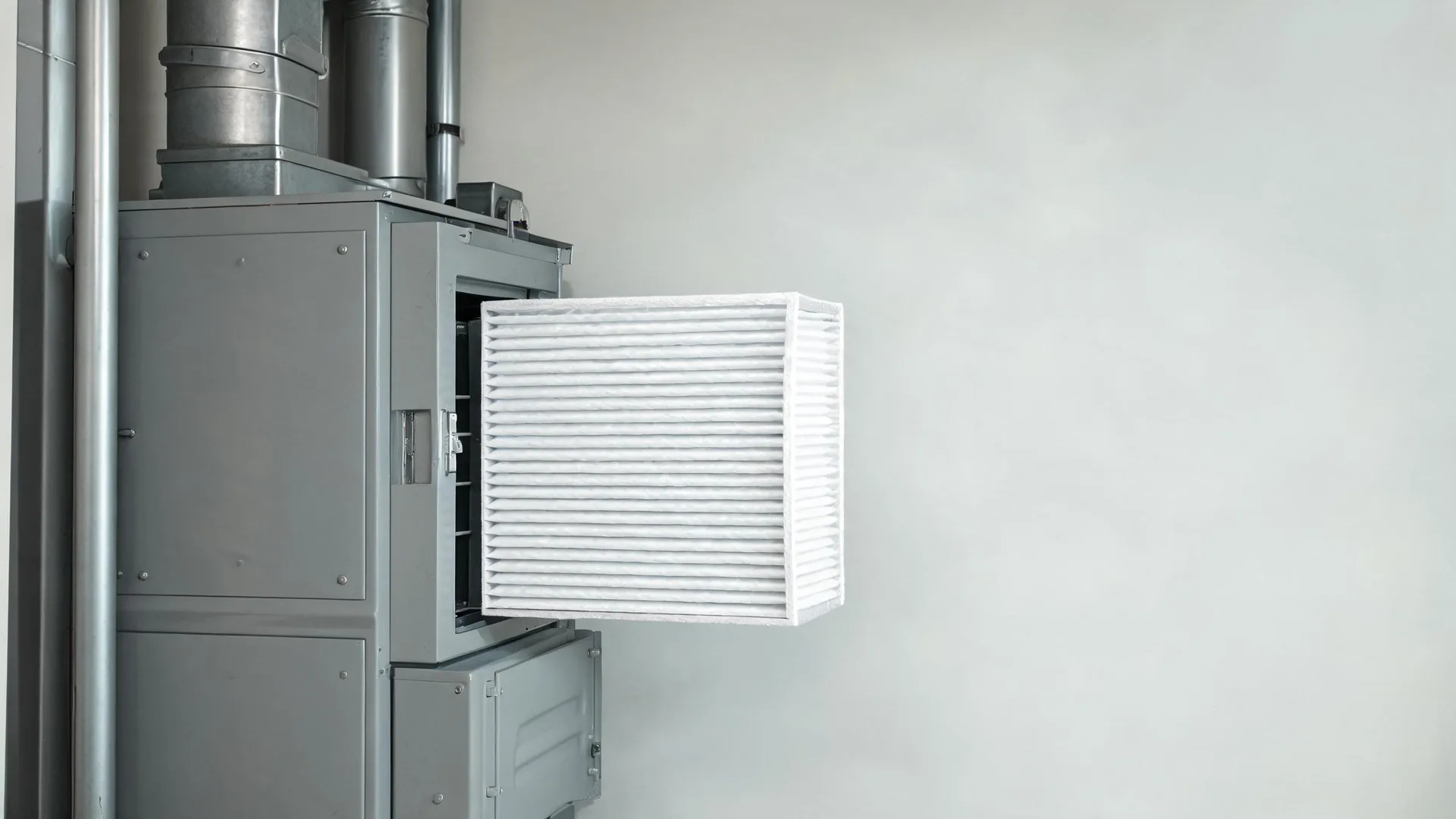
A furnace doesn't have a drain or coils to worry about, that's the air conditioner's job, but the filter still runs the whole show. Pull air through a clogged filter and the blower has to work harder to move the same amount of heat through the house. That strain shows up in the blower motor first, and it's also what pushes a furnace into short cycling. Behind the filter, the burner and heat exchanger depend on getting the right amount of air across them to burn clean and transfer heat the way they're built to. Starve that airflow long enough and the heat exchanger runs hotter than it should, which is exactly the kind of stress that turns a small crack into a bigger one. A filter is the cheapest part in the whole system and the only one meant to be swapped out before it fails.
A real tune-up starts with the burner pulled and cleaned, not just glanced at. Dust and rust flake off the burner over a season and change the way the flame sits, which is why a tech checks its color and shape instead of taking the furnace's word for it. The heat exchanger gets inspected for cracks, since that part fails quietly and matters more than almost anything else in the cabinet. The flame sensor gets cleaned, because a film builds up on it that has nothing to do with how well it was made. The igniter gets tested under load, not just looked at, since it can hold a charge and still fail the moment it's asked to do its job. Gas pressure gets checked and the vent gets looked over for blockage or corrosion, because a furnace venting wrong is a furnace making carbon monoxide instead of just heat.