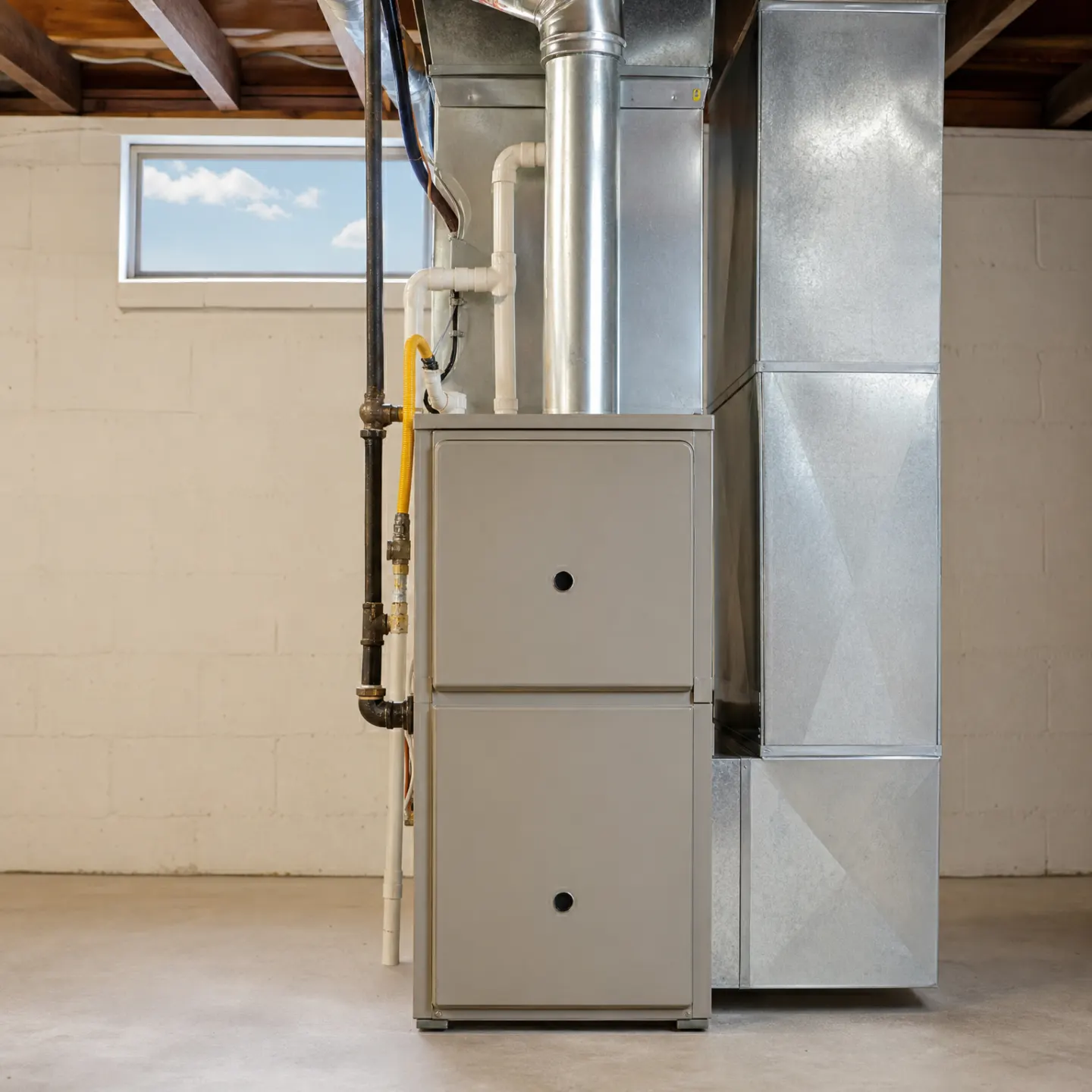
An unfinished basement featuring a forced-air furnace, exposed wooden ceiling joists, bare concrete walls, and miscellaneous items including cardboard boxes and coiled cables on the floor.

Furnace Maintenance in Lakewood, CO

Tell us about the job

Takes about a minute. No obligation.

Step 1 of 3: Equipment

Weather here takes a toll on equipment

Jefferson County logged 381 severe weather events between 2015 and 2024, including 152 hail events and 113 winter storms. That kind of weather doesn't spare what's sitting in the backyard or bolted to the side of the house.
Outages hit furnaces too

13% of Colorado households went at least 24 hours without power in 2024. A gas furnace still needs electricity to run the blower and controls, so when the power goes out in the middle of winter, so does the heat.

Your furnace runs nine months a year here, September through May.

That long a stretch gives worn parts plenty of time to fail before the season lets up.

Nine months of work starts in September. Have it checked in August.

Heat runs September through May
Winter nights average 18°F
113 winter storms from 2015 to 2024
Half the homes here were built in 1980 or laterHalf the homes in Jefferson County were built in 1980 or later, so half the furnaces here have that much less wear behind them.

Gas heats 72.2% of the homes in Jefferson County, with most of the rest on electricity. If your furnace runs on gas, maintenance means more than swapping the filter. A tech checks the burner, the venting and the safety controls that shut the system down if something goes wrong. Those parts carry flame and exhaust, so they're the ones that matter most before a long heating stretch, not after it starts. Skipping that check doesn't show up as a problem until the burner's already struggling to light.

Storm season leaves its mark before winter starts

A furnace tune-up covers what's inside the cabinet, but hail and wind work on what's outside it all summer. Get it looked over before winter so a storm isn't the thing that finds the problem first.

Find a contractor
A gas furnace with attached ductwork, gas piping, and condensate lines installed in a concrete-block basement.

A newer furnace still runs on borrowed time without a check

A furnace installed with a newer house still runs on the same clock as any other. The igniter, the blower motor, the flame sensor, they wear at the same rate no matter how new the cabinet is. The difference a newer system gives you is time, not immunity. A yearly check catches a weak igniter or a dirty flame sensor while it's still a small fix, so the years that furnace has ahead of it actually get used instead of lost to a problem nobody caught early.

Dirt is what wears the burner out

A furnace left alone collects dust on the burner and the flame sensor. The burner starts to light unevenly, and the flame sensor stops reading the flame right, so the system shuts itself off even when nothing's actually broken. Change the filter and clean those parts, and they do their job the way they're built to.

A small problem now is a cold house later

Furnaces don't quit without warning. The igniter weakens, the blower motor strains, the heat exchanger develops a hairline crack, all slow enough that nobody notices until the day it finally gives out. That day is always the coldest one, because that's when the furnace is working hardest and has the least room for a part that's already failing.

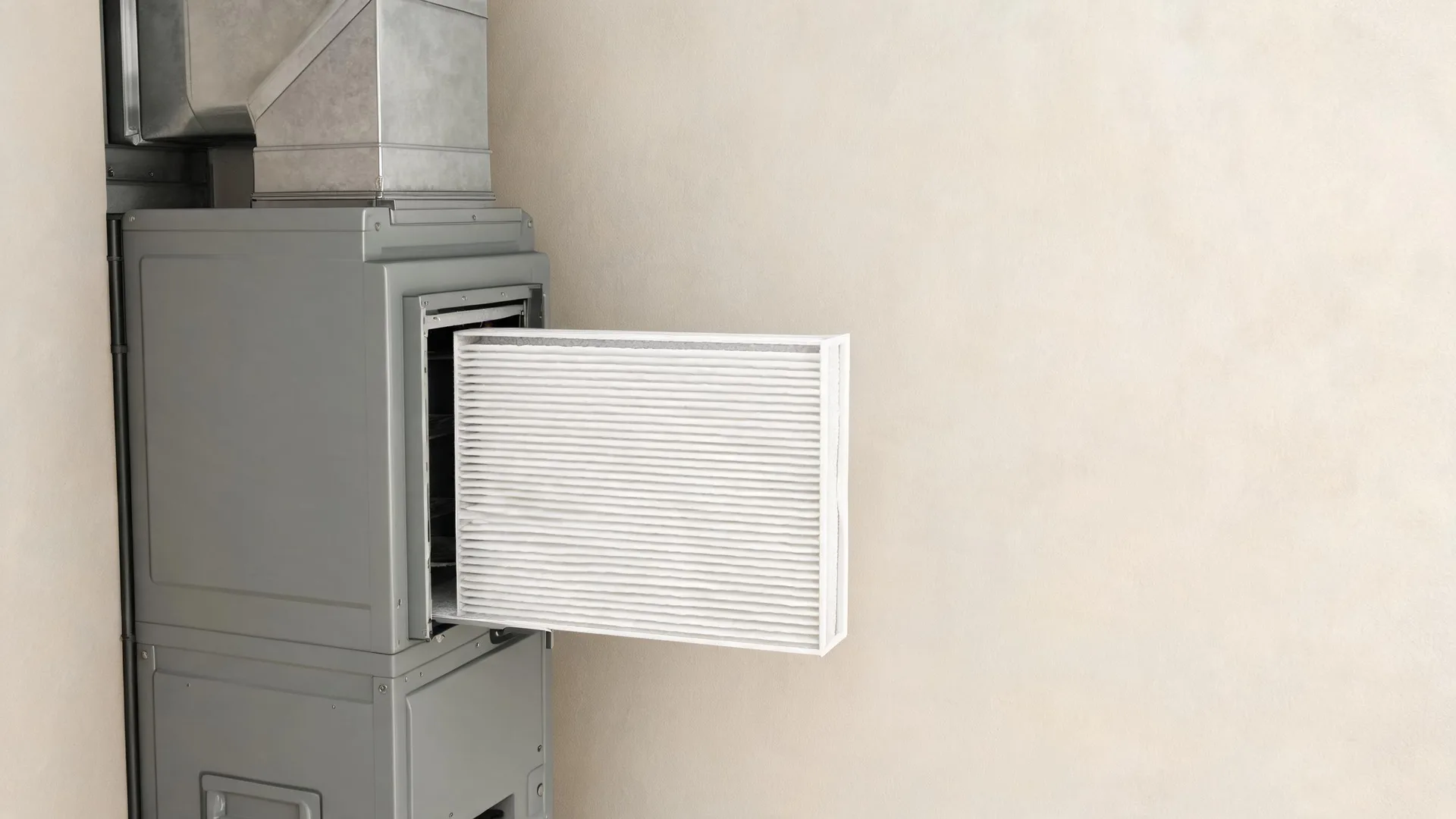
The filter is the one thing worth checking without calling anyone. Pull it out, hold it to the light, and if you can't see through it, swap it. A clogged filter starves the burner of air and makes the blower work harder than it should, and that strain adds up over a long stretch of use. Keep furniture and boxes away from the return vent, too, since blocking it does the same thing a dirty filter does. Past that, leave the cabinet closed. The burner, the flame sensor, the heat exchanger, those need a trained eye and the right tools, and opening that part up without them does more harm than good.

A furnace usually tells you something before it quits outright. The burner flame should burn steady and blue. If it starts flickering yellow, or if you hear a rattle from the blower that wasn't there before, that's wear talking. Short cycling, where the furnace fires up, shuts off, then fires again a few minutes later, often means a flame sensor that's lost its edge or a limit switch tripping when it shouldn't. A burning smell that doesn't fade after the first run of the season isn't normal either. None of these mean the furnace is done, but they mean something inside it is working harder than it should, and that's exactly what a check is for.