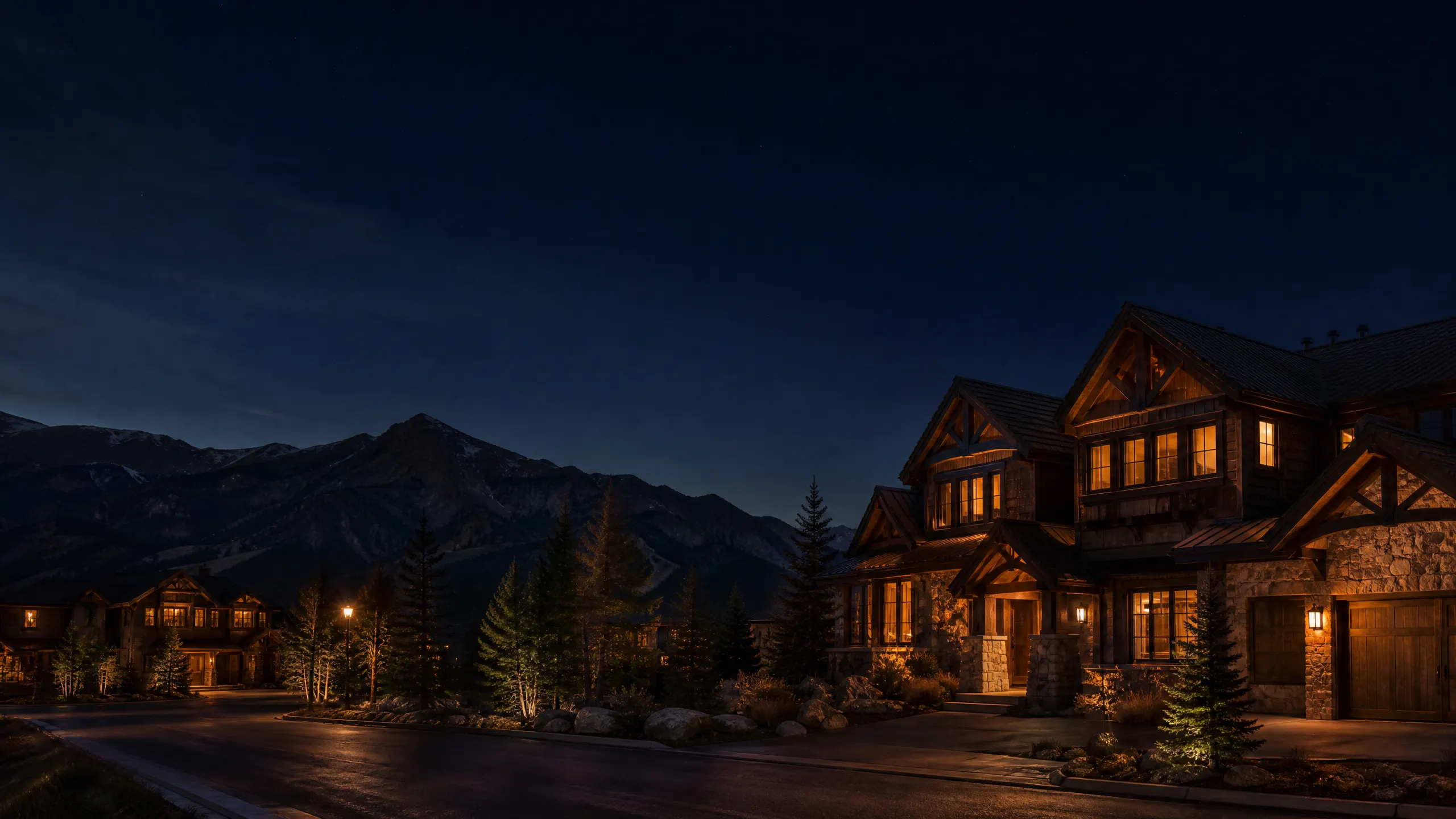

A multi-story timber-frame and stone house glows with warm interior and exterior lighting on a dark residential street, with mountain peaks and pine trees visible in the background.

Furnace Maintenance in Fort Collins, CO

Tell us about the job

Takes about a minute. No obligation.

Step 1 of 3: Equipment

Gas ran $10.09 per million Btu across Colorado homes in 2024. A furnace that has to fight through a dirty filter or a cracked heat exchanger burns more of that gas to put out the same heat. The burner, the igniter, the flame sensor all have to work harder when they're caked in dust or out of adjustment, and that shows up on the meter before it shows up as a breakdown. A tune-up catches that drift early, while gas here still costs what it costs either way.

Half the homes in Larimer County were built in 1993 or later.

A furnace that age is worth keeping tuned, not just fixing once it fails.

September starts ten months of heat. Book the tune-up in August, before the first cold night finds the weak spot.

Heat runs September through June
Winter nights average 15°F
97 winter storms from 2015 to 2024
Storms Here Don't Spare the FurnaceLarimer County saw 359 severe weather events between 2015 and 2024, and 97 were winter storms.

Ten months out of twelve, the furnace here has reason to run. September through June, that's most of the year with the burner cycling on some kind of schedule. Larimer County has also seen 97 winter storms between 2015 and 2024, heavy snow, ice, blizzards, each one pushing the system to hold the house at temperature against wind and cold outside. That kind of runtime wears parts faster than a furnace in a milder place ever sees. A cracked heat exchanger or a weak igniter does not wait for a good time to fail. It tends to give out partway through those ten months, often on one of the nights the system is working hardest to keep up.

A Tuned Furnace Costs Less to Run All Winter

A furnace that's drifted out of tune burns more gas to do the same job, and gas here isn't cheap. A tune-up gets the burner and the igniter back to working the way they should, before another winter runs the bill up.

Find a contractor
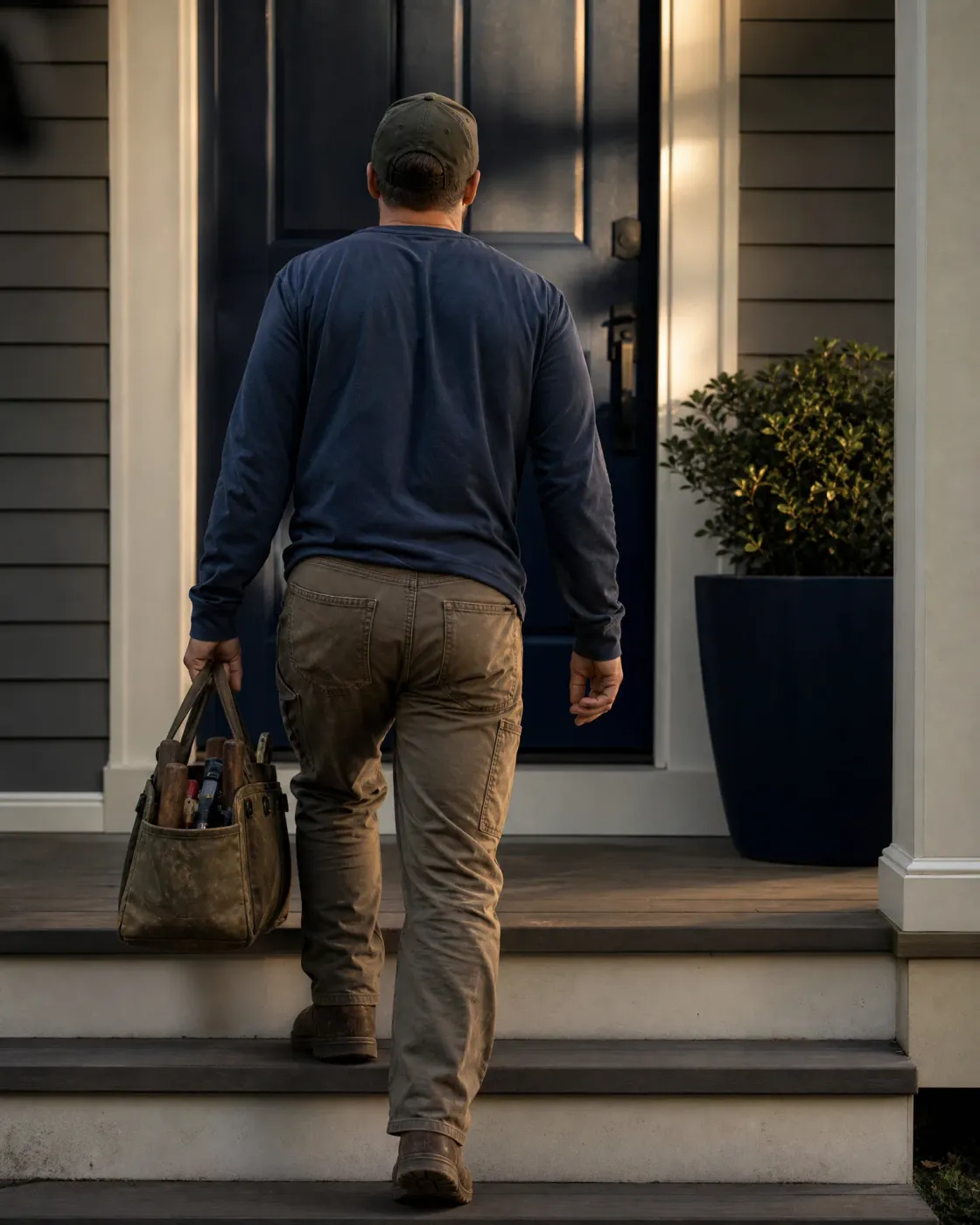
A man in a cap, navy long-sleeve shirt and tan work pants carries a canvas tool bag up steps toward a dark front door, with a potted shrub beside the porch.
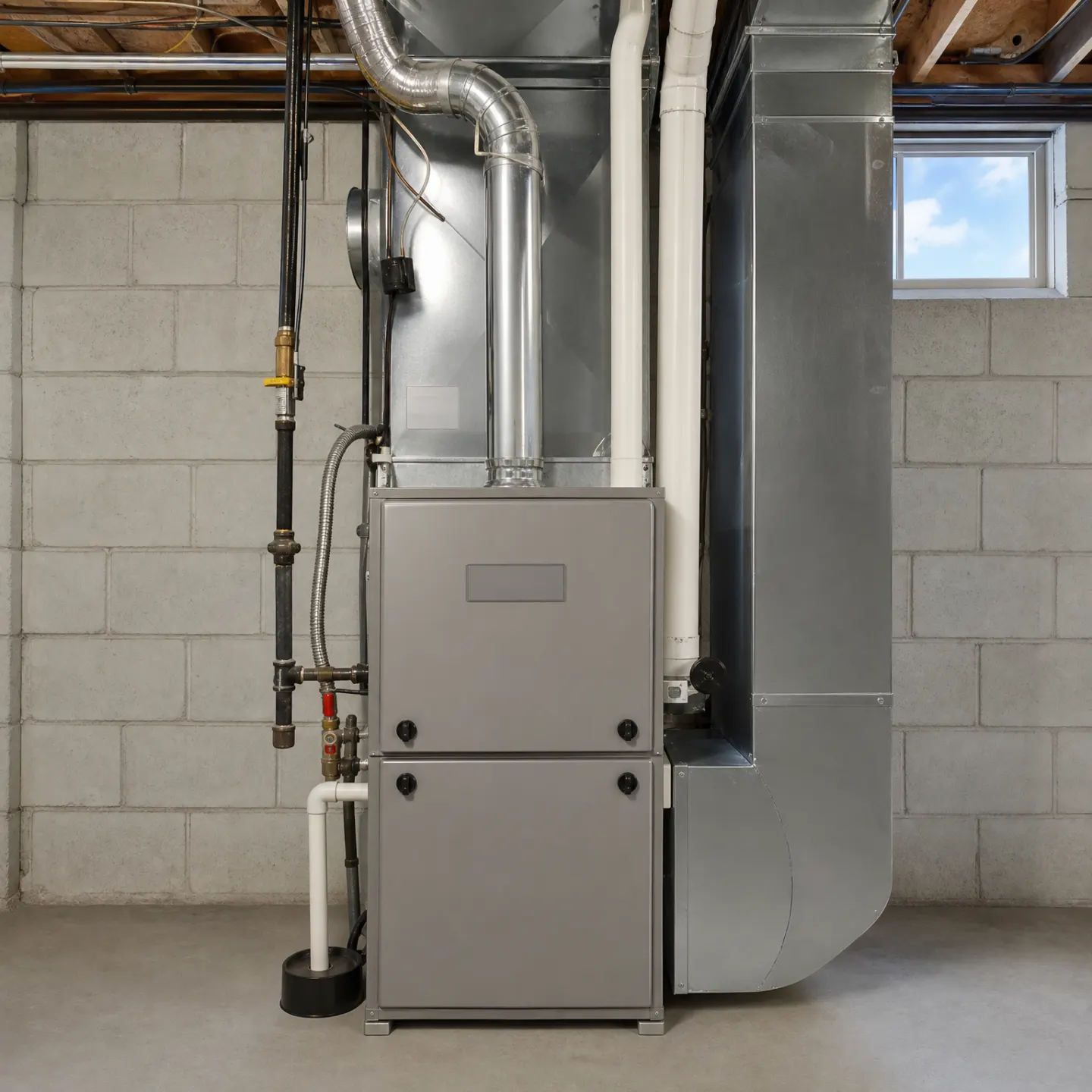
A gray high-efficiency gas furnace installed in an unfinished basement, surrounded by gas lines, a condensate drain, and sheet-metal ductwork.

Ten Months of Runtime Wears Parts Down Before You Notice

Ten months of runtime wears a furnace down whether or not anything ever breaks outright. The igniter cycles on and off thousands of times before June comes around. The blower motor logs more hours here than it would almost anywhere else in the country. A tune-up catches that wear while it's still small, a weak igniter or a dirty flame sensor, instead of letting it run unchecked through the rest of the season. Book it before September, while there's still time to fix what the inspection finds.

What's Visible Isn't What Fails

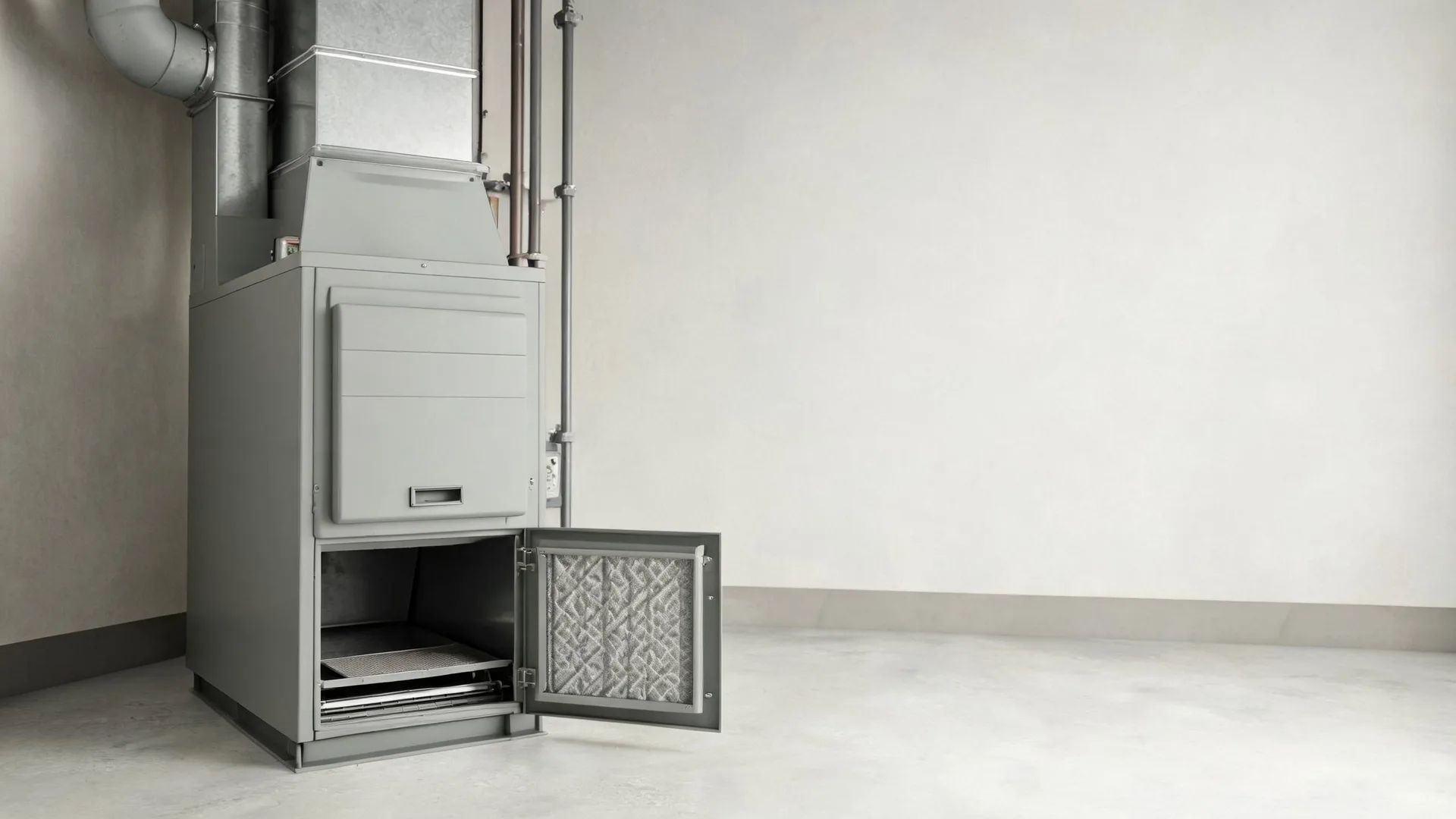
A furnace looks the same running well or running on a cracked heat exchanger. The cabinet hides the burner, the flame sensor, the inducer wheel. A homeowner can change a filter and listen for strange noise, but a hairline crack in the heat exchanger or a flame sensor coated in residue doesn't announce itself. It just quietly changes how the furnace burns gas and whether the exhaust goes where it should.
A Tune-Up Checks What the Furnace Can't Report

A technician pulls the burner assembly, checks flame color and shape, measures temperature rise across the heat exchanger, and tests the pressure switch and limit controls against what the manufacturer specifies. None of that shows up on a thermostat display. The furnace will keep running with a weak igniter or a burner out of adjustment right up until it doesn't, and the inspection is what catches the difference between those two states.

A furnace filter sits in the path of every bit of air the blower pulls in. Once it loads up with dust, the blower has to pull harder to move the same air across the heat exchanger, and that strain lands on the motor bearings and the motor windings over time. Furnaces don't have a coil the way an air conditioner does, but plenty of systems share the same blower and cabinet with one, and a dirty evaporator coil forces that same blower to work against resistance it was never sized for. The condensate drain belongs to high-efficiency furnaces, the kind that condense moisture out of the exhaust. If that drain line clogs, the furnace can shut itself down on a safety switch rather than let water back up into the cabinet. None of these parts fail loudly. They just make the furnace work harder until something downstream gives out.

Gas heats close to seven in ten homes in Larimer County, and a gas furnace stakes its safety and its efficiency on things a filter change never touches. The burner has to mix fuel and air in the right ratio to burn clean. The flue has to carry the exhaust out of the house instead of back into it. A pressure switch and a limit control exist to shut the furnace down if either of those goes wrong. A tune-up checks the burner's flame and the venting along with the safety controls, not just whether air is moving through the filter. On the small share of homes here running propane or oil, the same burner and venting checks apply, since both still depend on a clean burn and a clear flue to work safely.