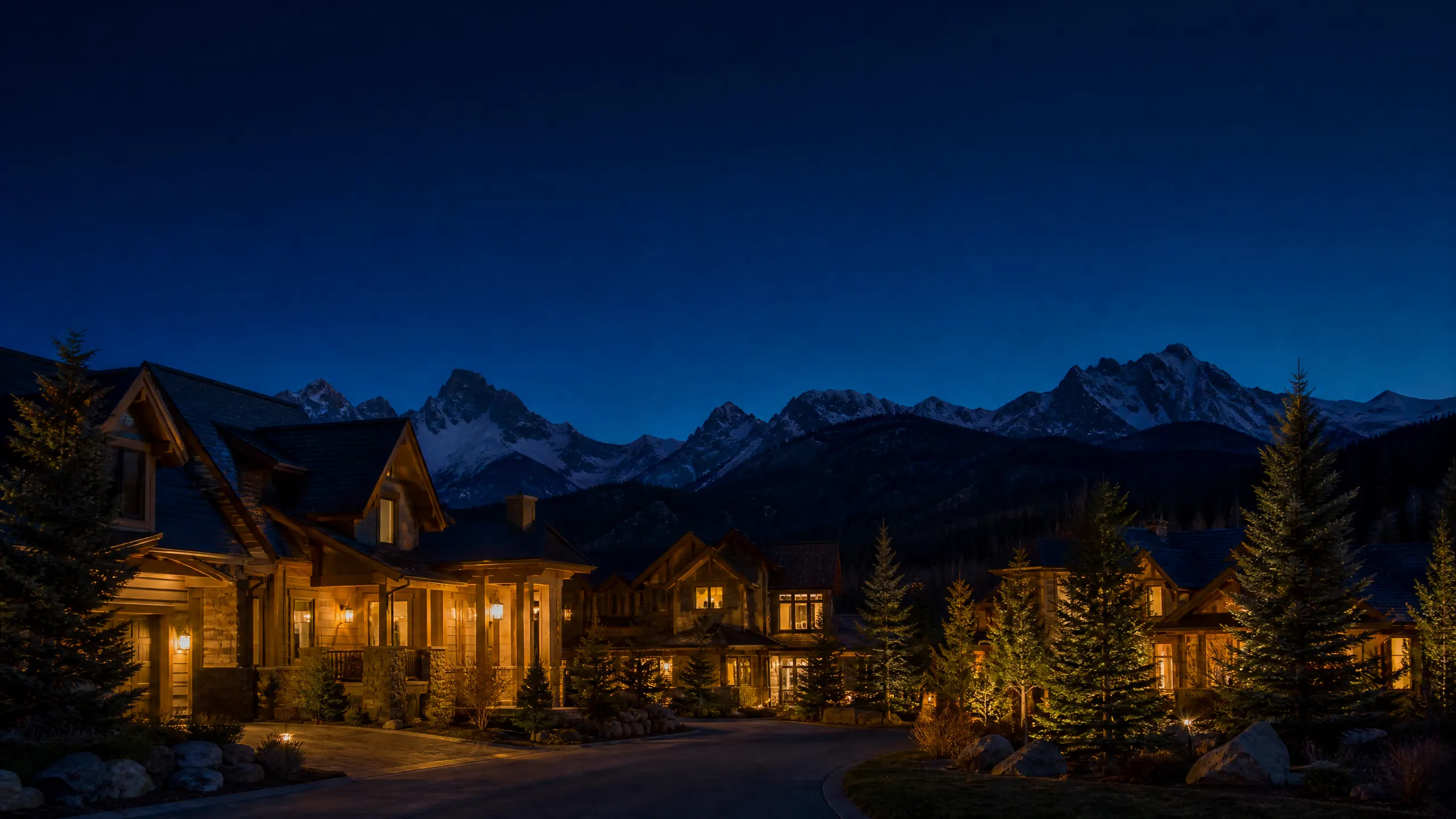
Illuminated timber-and-stone luxury homes photographed at twilight with snow-capped mountains visible in the background.

Furnace Maintenance in Aurora, CO

Tell us about the job

Takes about a minute. No obligation.

Step 1 of 3: Equipment

Arapahoe County logged 360 severe weather events between 2015 and 2024. That includes 175 hail events, 97 cases of damaging wind, and 78 winter storms with heavy snow or ice. Hail dents and cracks the outdoor cabinet, and wind drives debris into it. None of that is about your furnace burning gas inside the house, but it matters when the power goes out, since the furnace needs electricity to run even though it burns gas for heat. Statewide, 13% of households went at least a full day without power in 2024. A furnace that was already struggling before the outage is a harder problem once the power comes back on.

Furnaces in Arapahoe County start running in October.

Get the tune-up in September, before it has to work.

Most furnaces here burn gas, which means more to inspect than a filter

65.4% of homes heat with gas
Heat runs October through May
Winter nights average 16°F
Eight months of work a year wears parts down fastFurnaces here run from October through May, longer than most of the country asks of them

Half the homes in Arapahoe County were built in 1986 or later, so there's a good chance yours falls in that range. A furnace that age still has plenty of working life left in it, but that life depends on what happens every year it runs. A yearly check catches a cracked heat exchanger or a worn igniter while they're still cheap to fix, not after they've taken something else out with them. Skip enough tune-ups and a furnace that should have lasted two decades starts failing in its second. The check is the same whether the furnace is five years old or twenty five. The difference is what you're protecting.

Get the furnace checked before the next storm tests it

A tune-up includes checking the furnace's electrical connections and controls, the parts that have to work right the moment the power comes back on. Pair that with a look at the outdoor equipment for hail dents or debris before the next storm comes through, and you've covered both ends of it.

Find a contractor
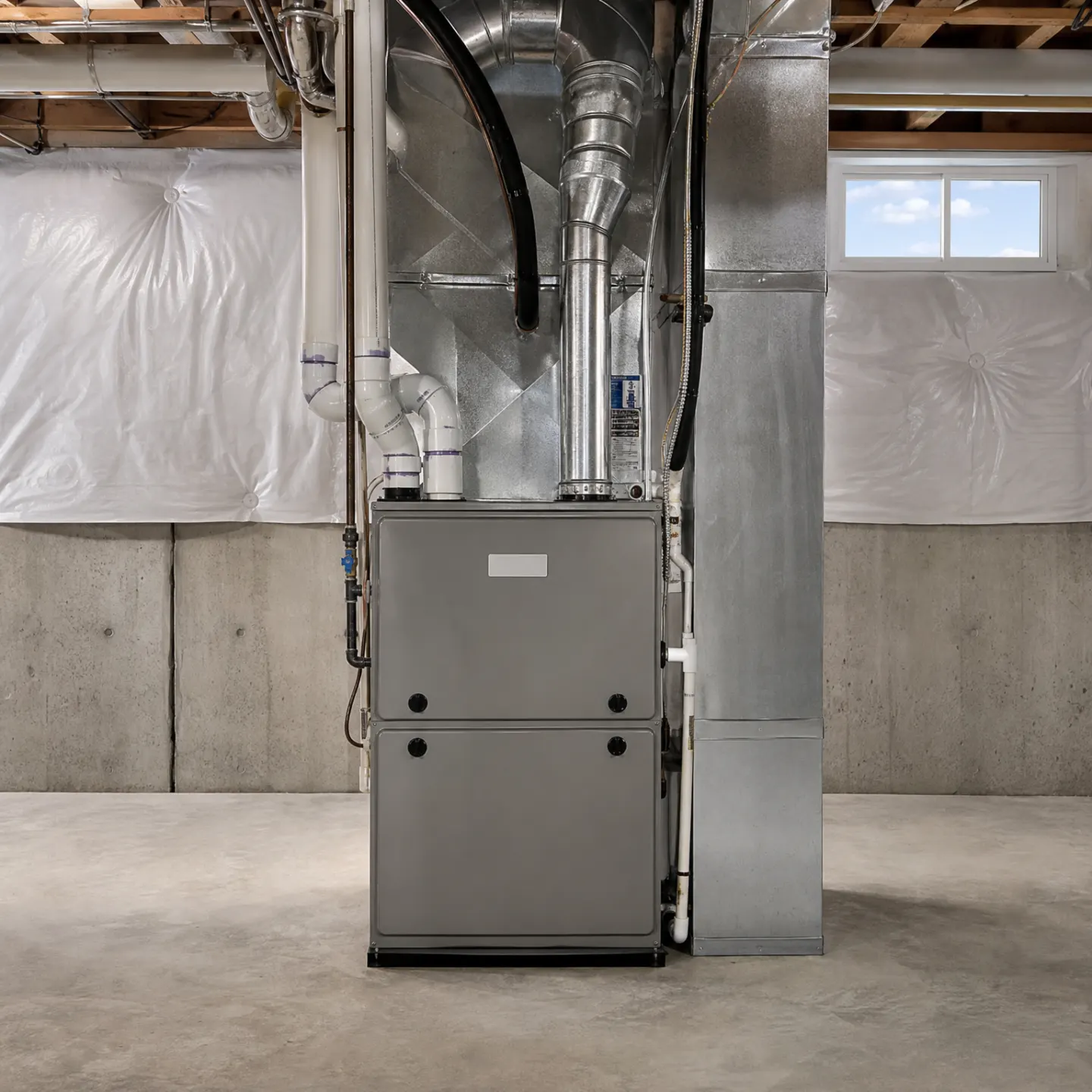
A gray residential gas furnace installed in an unfinished basement, connected to sheet-metal ductwork and PVC pipes.

A newer furnace is worth keeping that way

Put the yearly check on the calendar now, while the furnace is still young enough for it to matter most. A new igniter or blower motor caught early costs little and keeps the rest of the furnace from wearing around it. Wait until something breaks and you're no longer maintaining the furnace, you're repairing it, and repairs cost more than checks. Set the tune-up for the same month each year and the furnace gets the same attention whether it's running fine or not.

A thorough tune-up opens the cabinet

A tech pulls the burner assembly and looks at the flame itself, not just whether it lights. A steady blue flame means clean combustion. A flame that flickers yellow or orange points to a dirty burner or a crack in the heat exchanger, and that takes the cabinet open to see. The tech also checks the flue for a solid connection, since a loose flue pipe lets combustion gases go where they shouldn't. None of that shows up from a glance at the filter.
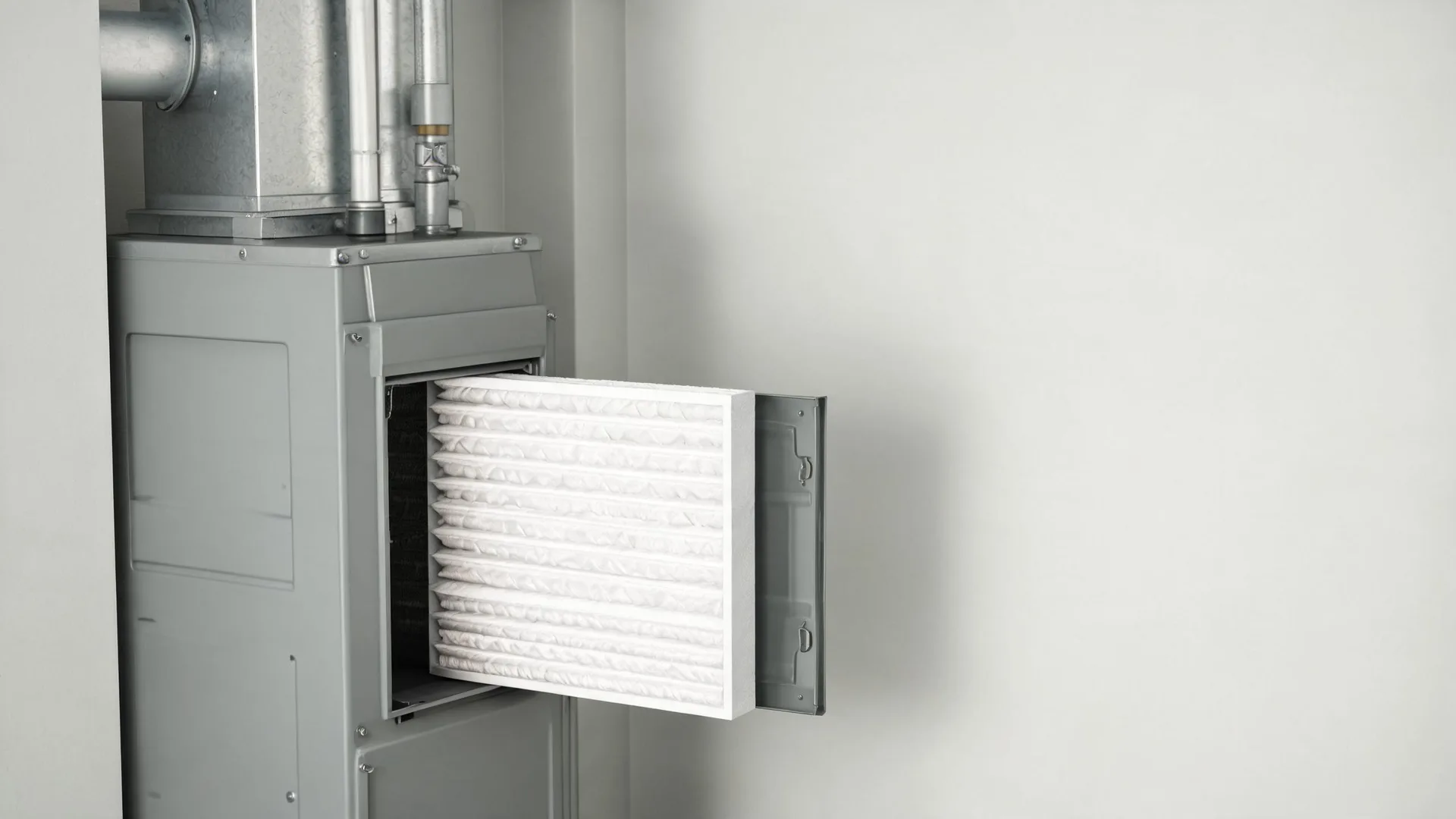
A quick one checks what's easy to reach

A rushed visit swaps the filter, listens to the blower for a minute, and calls it done. That catches almost nothing. The igniter can be close to failing and still glow. The flame sensor can be coated in residue and still let the furnace run, right up until it doesn't. A real tune-up tests the amp draw on the igniter and cleans the flame sensor by hand, because both parts fail quietly until the morning they don't fire at all.

A tune-up checks things no homeowner would think to look at. A tech measures the temperature rise across the furnace, the difference between the air going in and the air coming out, and checks it against what the furnace is built to handle. Too high or too low and something's wrong even though the house feels warm enough right now. The tech also checks the gas pressure at the manifold, since too much or too little changes how the burner fires and how hot the heat exchanger gets. Static pressure in the ductwork gets checked too, because a blower working against too much resistance wears out early even if it sounds fine today. None of this shows up as a symptom yet. That's the point of catching it now.

Eight months of heating a year means the parts inside your furnace are cycling on and off far more than a furnace in most states ever has to. Winter storms hit Arapahoe County 78 times between 2015 and 2024, and those are the stretches when the furnace runs longest without a break and can least afford to quit. A worn igniter or a dirty flame sensor doesn't wait for a convenient week to fail. Get the tune-up done before the cold settles in, so the furnace is tested while it's easy to fix, not while it's the only thing standing between your house and a storm outside.