Eight months of work
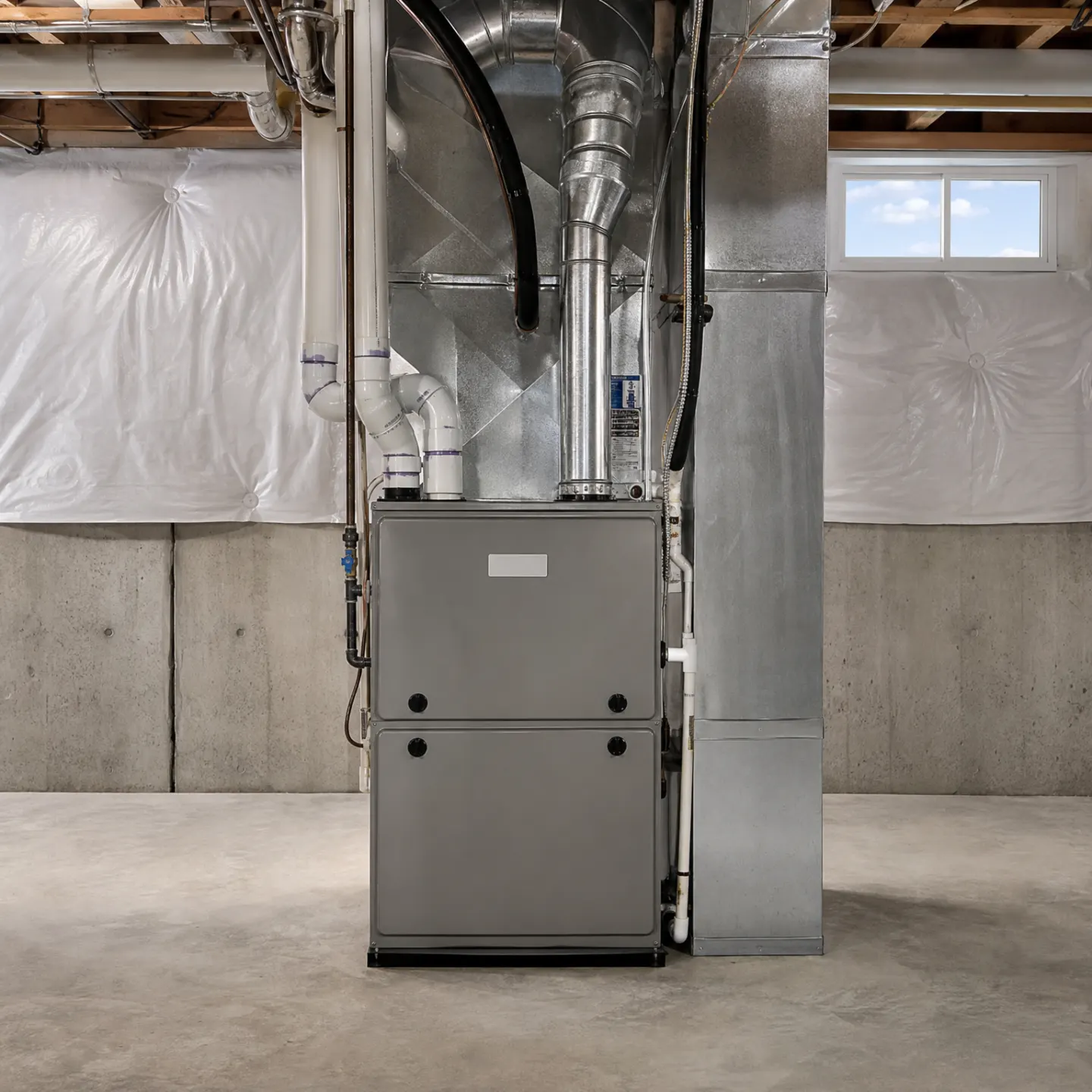
A furnace in Fort Morgan runs from October through May. That is most of the year asking the igniter, the blower motor and the burners to cycle on and off, day after day.
Takes about a minute. No obligation.
A furnace in Fort Morgan runs from October through May. That is most of the year asking the igniter, the blower motor and the burners to cycle on and off, day after day.
A furnace that runs this many months wears into problems sooner than one that only runs part of the year. A tune-up before the season catches a weak part while it is still a small fix.
A quick tune-up checks that the burner lights.
A thorough one pulls the burners, checks flame sense, and measures gas pressure against what the furnace calls for.




Skip the tune-up and the furnace does not fail outright. It drifts. Dust builds across the burners so the flame goes from a steady blue to ragged and yellow, and a yellow flame throws off less heat for the same gas. The flame sensor coats over with the same film and starts cutting the burners out mid-cycle, so the furnace short-cycles and the house never quite gets warm. A dirty filter chokes the airflow across the heat exchanger, and that exchanger runs hotter than it should until it cracks. None of this trips a breaker or sets off an alarm. It just costs more to run and wears out sooner, until the part that finally fails is the expensive one.
Eight months of heat means the burners and igniter get more cycles here than they would almost anywhere else. Book the tune-up before October, while a weak part is still a cheap fix.
Find a contractorA visual check tells you the furnace turns on. It does not tell you what is happening inside the heat exchanger or how clean the flame actually burns. A tech pulls the burner assembly and looks at the flame itself, not just whether it lights. A flame that looks fine from across the room can still be burning dirty. They check the flue for a steady draft, because a weak draft lets combustion gas linger where it should not. They test the limit switch and the pressure switch, the parts that shut the furnace down if something is wrong, and those are exactly the parts nobody notices until they fail at the wrong time. They check amp draw on the blower motor, since a motor pulling more current than it should is a motor working toward failure, long before it ever stops turning.
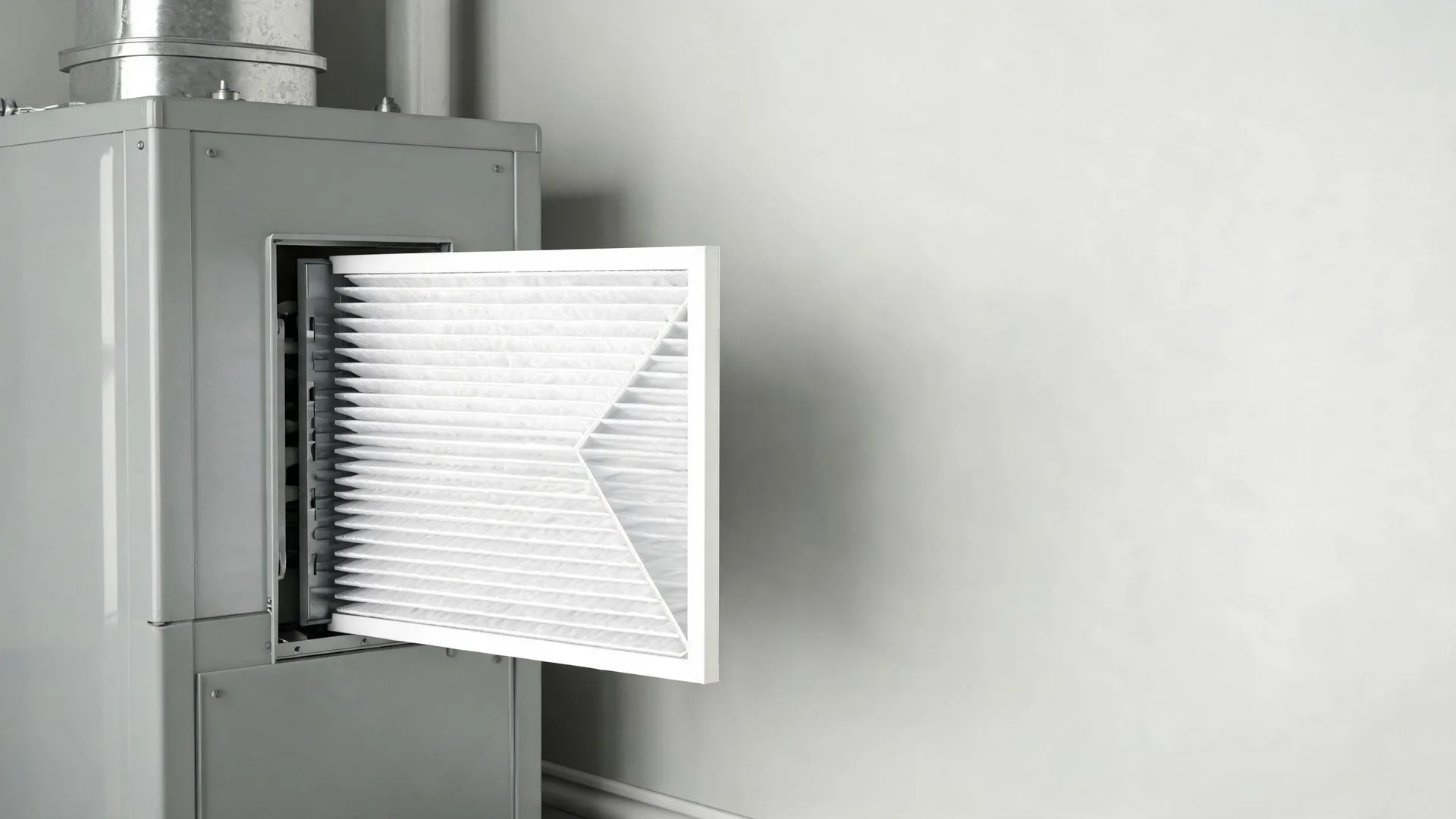
A dirty filter does not just starve the blower. It changes how air moves across the heat exchanger, so one part runs too hot while the rest of the furnace barely gets warm air moving at all. A filter choked with dust can also let the blower pull harder than it is built for, and a motor working against that resistance wears down faster than one moving clean air.
A high-efficiency furnace pulls so much heat out of the exhaust that it condenses into water, and that water has to drain out through a trap and a line. If that line clogs with the same sludge that builds up in any condensate drain, the furnace senses the backup and shuts itself down rather than let water back up into the cabinet. A clean filter and a clear drain are both quiet parts of the job. Neither one shows up on a glance at the burners, but either one can stop the furnace cold.
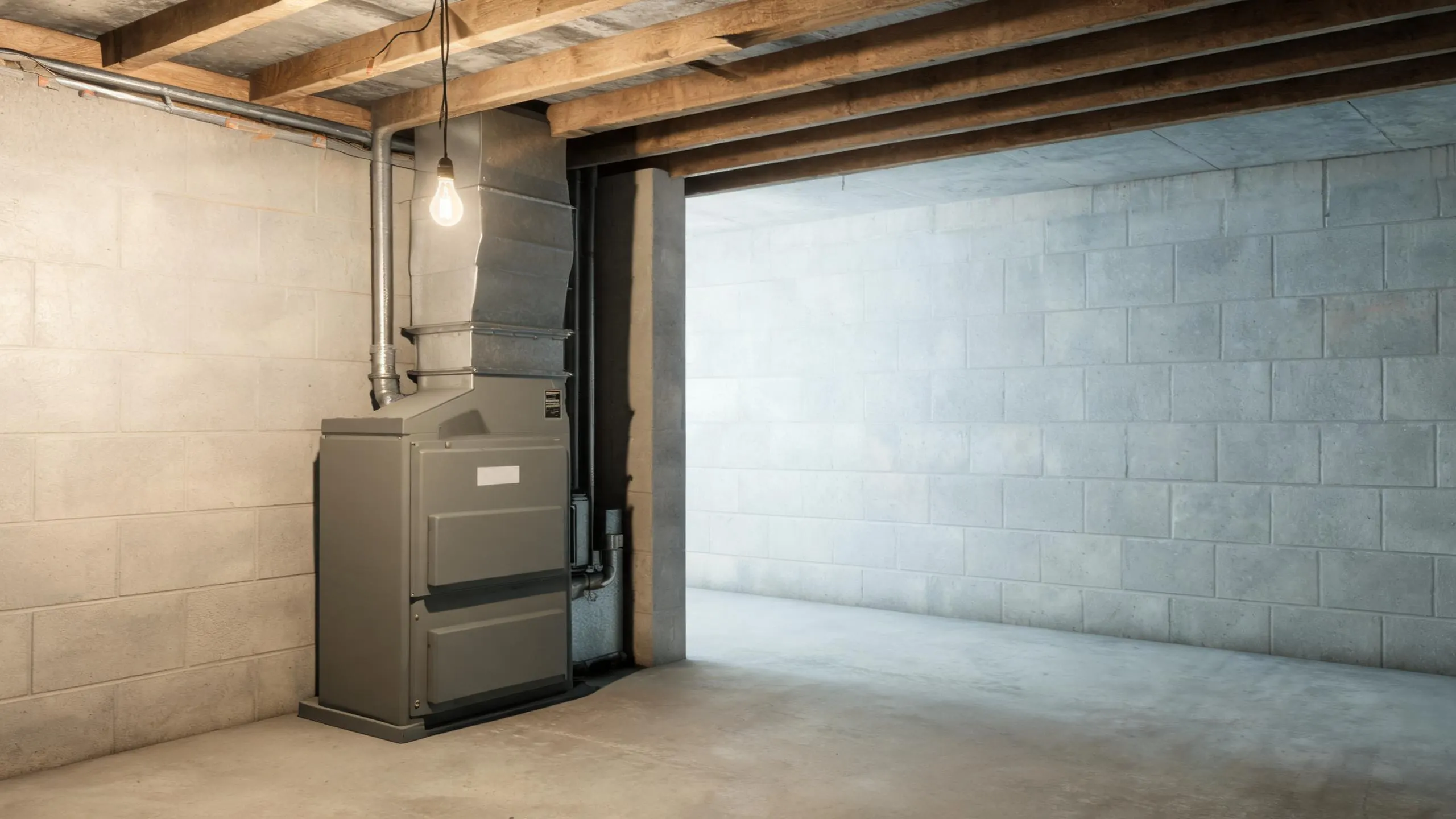
Between tune-ups, the filter is the one thing worth checking yourself. Pull it out, hold it up to a light, and if you can't see light through it, swap it. A furnace pulling air through a clogged filter works harder for less heat, and that strain lands on the blower motor. Keep the area around the furnace clear too. Boxes or stored items too close to the cabinet can block the return air it needs to breathe. If you smell gas, hear a new rattle, or notice the flame looking more yellow than blue, that is not a wait and see. Everything else, the burners, the flame sensor, the pressure switch, needs a tech's eyes and tools, not a homeowner's glance.
A tune-up follows a sequence, not a once-over. The igniter gets tested for resistance, not just a glance, because an igniter can look fine and still be too weak to light the gas reliably. The heat exchanger gets inspected for cracks or corrosion, since that part separates the combustion gas from the air moving through the house. The blower wheel gets cleaned if it is caked with dust, because a dirty wheel moves less air even when the motor spins at full speed. Every safety switch gets cycled to confirm it shuts the furnace down when it is supposed to, because the one time that switch matters, nobody wants to find out it stopped working months ago.