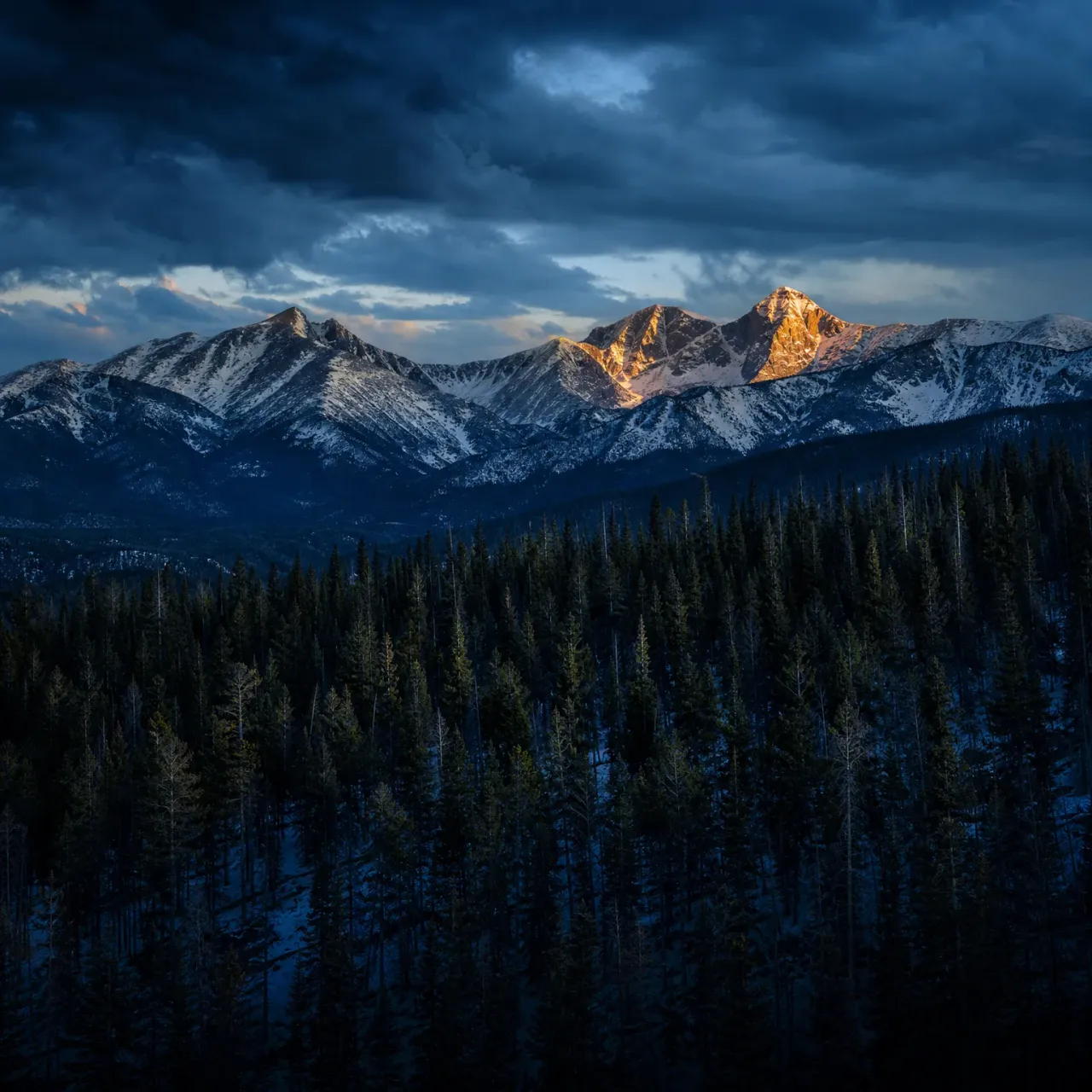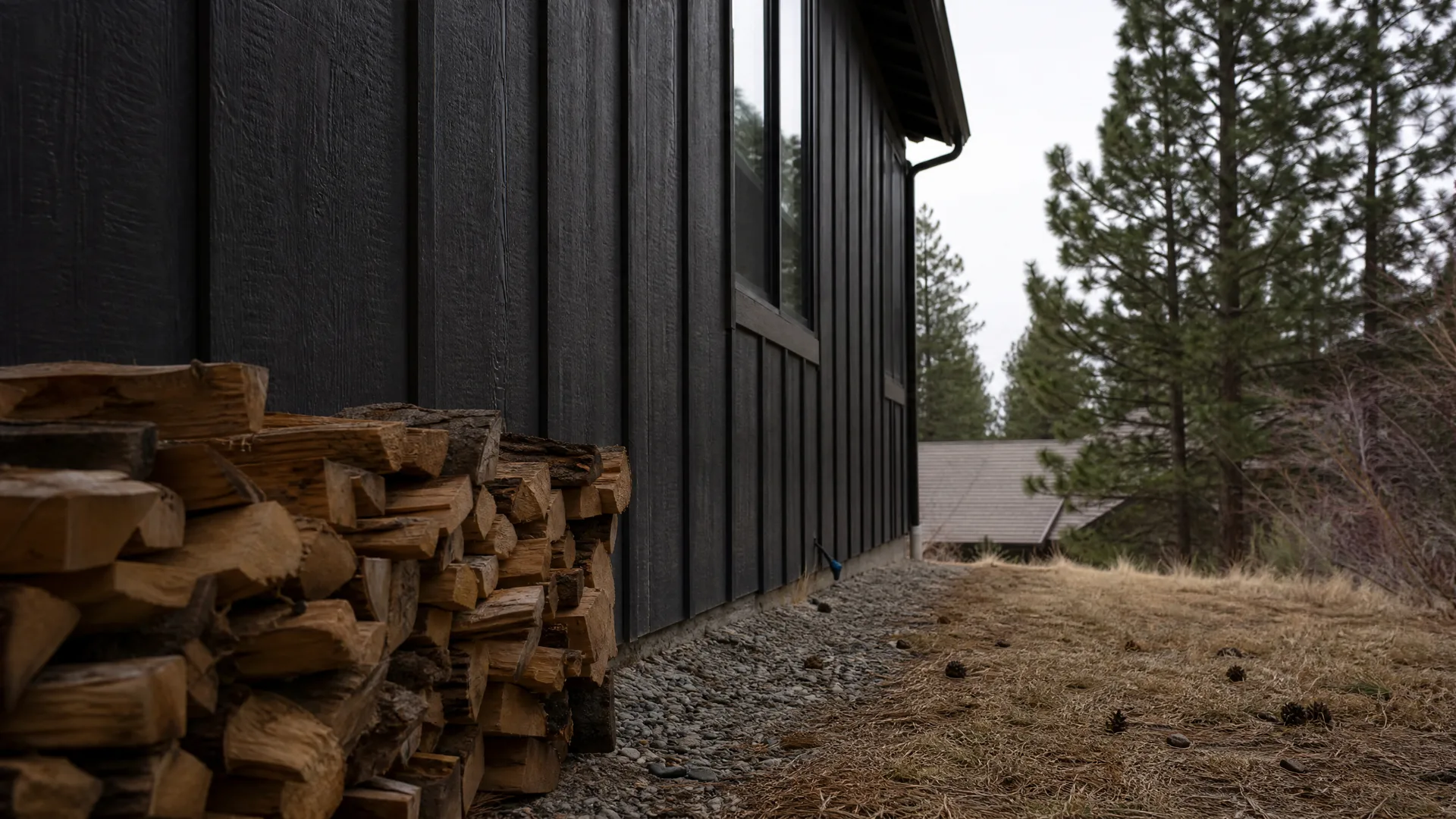
A stack of split firewood sits against the black vertical wood siding of a house, with a gravel strip, dry grass, and pine trees under an overcast sky.

Furnace Maintenance in Gypsum, CO

Tell us about the job

Takes about a minute. No obligation.

Step 1 of 3: Equipment

Eleven months of heat a year

Furnaces in Gypsum run from August through June, with overnight lows averaging 11°F in December, January and February. That is most of the year asking a furnace to carry real cold, not just take the edge off a few weeks of winter.

Storms don't wait for a good time

Eagle County saw 130 winter storms between 2015 and 2024, heavy snow, ice and blizzards included. A furnace that has been quietly losing strength tends to show it on the night a storm rolls through and the temperature drops hard.

Half the homes in Eagle County were built in 1993 or later.

A furnace that age still has years in it, and a yearly check is what keeps it running them.

A furnace with years left in it is worth keeping that way

Half the homes here were built by 1993
Heat runs August through June
Winter nights average 11°F
Eleven months of heat starts in AugustGet it checked in July, before the cold hits.

Natural gas in Colorado ran $10.09 per million Btu in 2024, among the higher prices in the country. A furnace that has to work harder to heat the same house burns more of that gas, and that shows up on the bill before anything actually breaks. A dirty burner or a clogged filter are common causes, and both make the furnace run longer to reach the same temperature on the thermostat. A yearly check catches that kind of drag while it is still cheap to fix.

Gas heat means more to check than a filter

Most homes in Gypsum heat with gas. A gas furnace runs on more than a filter. The burner, the venting and the safety controls all need a look before that long heating stretch leans on them hard.

Find a contractor
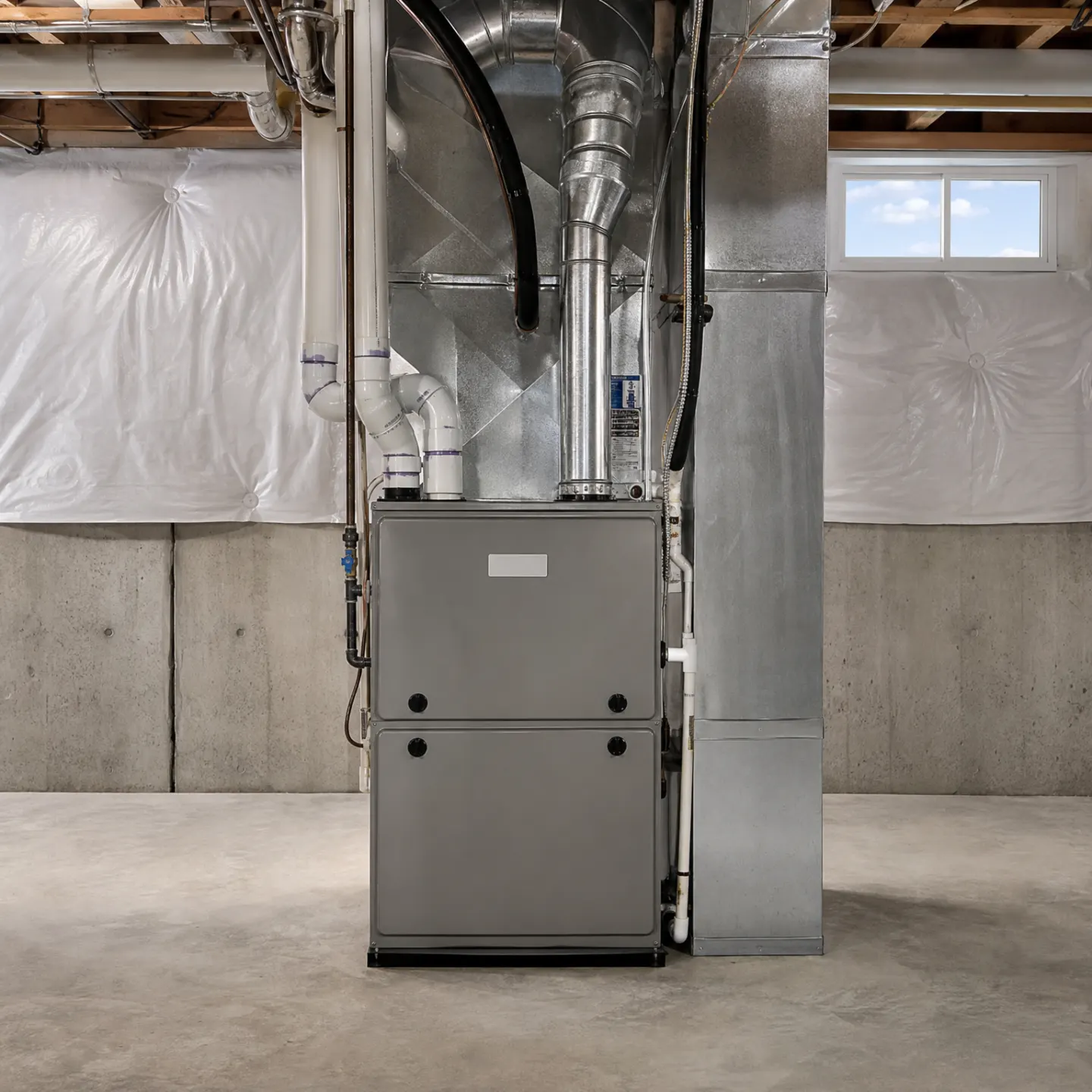
A gray residential gas furnace installed in an unfinished basement, connected to sheet-metal ductwork and PVC pipes.

Get it looked at before August, not after

August is when the furnace starts earning its keep, and it doesn't let up until June. That's the stretch to get ahead of, not the middle of it. A check done before August finds a weak igniter or a cracked heat exchanger while there's still time to fix it on a normal schedule. Wait until the first storm drops the temperature hard, and the same problem turns into a no-heat call.

The furnace will tell you, if you listen first

A burner that used to light with one steady click and now clicks several times before it catches is wearing out its igniter. A blower that used to come on quiet and now rattles or hums louder than before has a motor or bearing working harder than it should. Short cycles, where the furnace fires up and shuts off again before the house warms, point to a flame sensor going bad or airflow that's restricted somewhere in the system. None of these stop the furnace cold. They just make it work worse, right up until the day they don't.

The ones you can't hear are the ones that matter most

A cracked heat exchanger doesn't rattle or smell or announce itself. It lets combustion gas mix into the air the blower pushes through the house, and the only way to catch it is to have someone look directly at the exchanger before it fails outright. Same with a pressure switch that's stuck or a flue that's venting poorly. A yearly check isn't there to fix the squeak. It's there to catch the failure that gives no warning at all.

A tune-up gets inside the furnace in ways a homeowner never does. The technician pulls the burner assembly and looks at the flame itself, whether it burns steady and blue or leans yellow and ragged at the edges, which points to a burner that needs cleaning before it starts throwing soot into the heat exchanger. The flue and vent connections get checked for the kind of gaps or rust that let exhaust drift where it shouldn't instead of leaving the house. Amp draw on the blower motor gets tested against what that motor is supposed to pull, which catches a motor on its way out long before it seizes up on a cold morning. The flame sensor gets cleaned or replaced, since a coated sensor is behind a lot of furnaces that shut themselves off a few minutes into every cycle. None of this shows up from the thermostat on the wall.

A tune-up also covers the parts that don't fail often but cause real trouble when they do. The pressure switch gets checked to confirm it's reading the inducer motor correctly, since a stuck switch either blocks the furnace from starting at all or lets it run without proper venting. Gas pressure to the burner gets measured and adjusted, because pressure that drifts too high or too low changes how clean the flame burns. The igniter gets inspected for hairline cracks that don't show up until it's asked to fire, which is why some furnaces test fine in the shop and then won't light on the coldest morning of the year. Wiring connections at the control board get snugged down, since a loose connection causes the kind of intermittent fault that looks like several different problems before anyone finds the real one. Each of these takes a few minutes for someone who knows where to look and already has the panel off.