Gas here isn't cheap
Colorado homes paid $10.09 per million Btu for natural gas in 2024. A furnace losing efficiency burns more gas to put out the same heat, and that difference shows up on the bill all winter.
Takes about a minute. No obligation.
Colorado homes paid $10.09 per million Btu for natural gas in 2024. A furnace losing efficiency burns more gas to put out the same heat, and that difference shows up on the bill all winter.
A furnace that's been cleaned and checked runs the way it was built to. Skip that and small problems, a dirty flame sensor, a clogged filter, make the burner work harder than it needs to.
Just under half the homes in Chaffee County run on utility gas, more than any other fuel.
That burner needs its flame sensor and venting checked every year, not just a new filter.




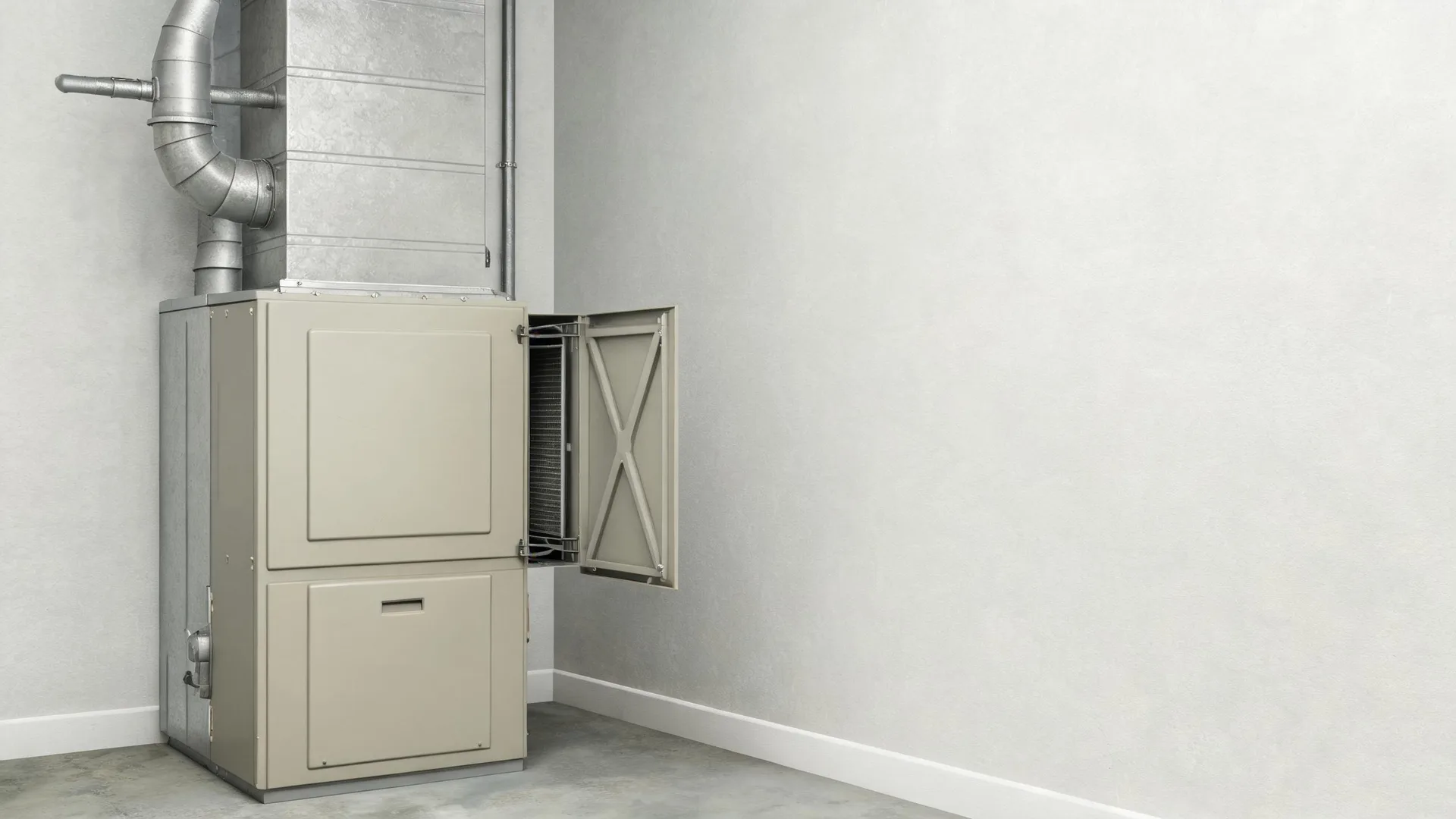
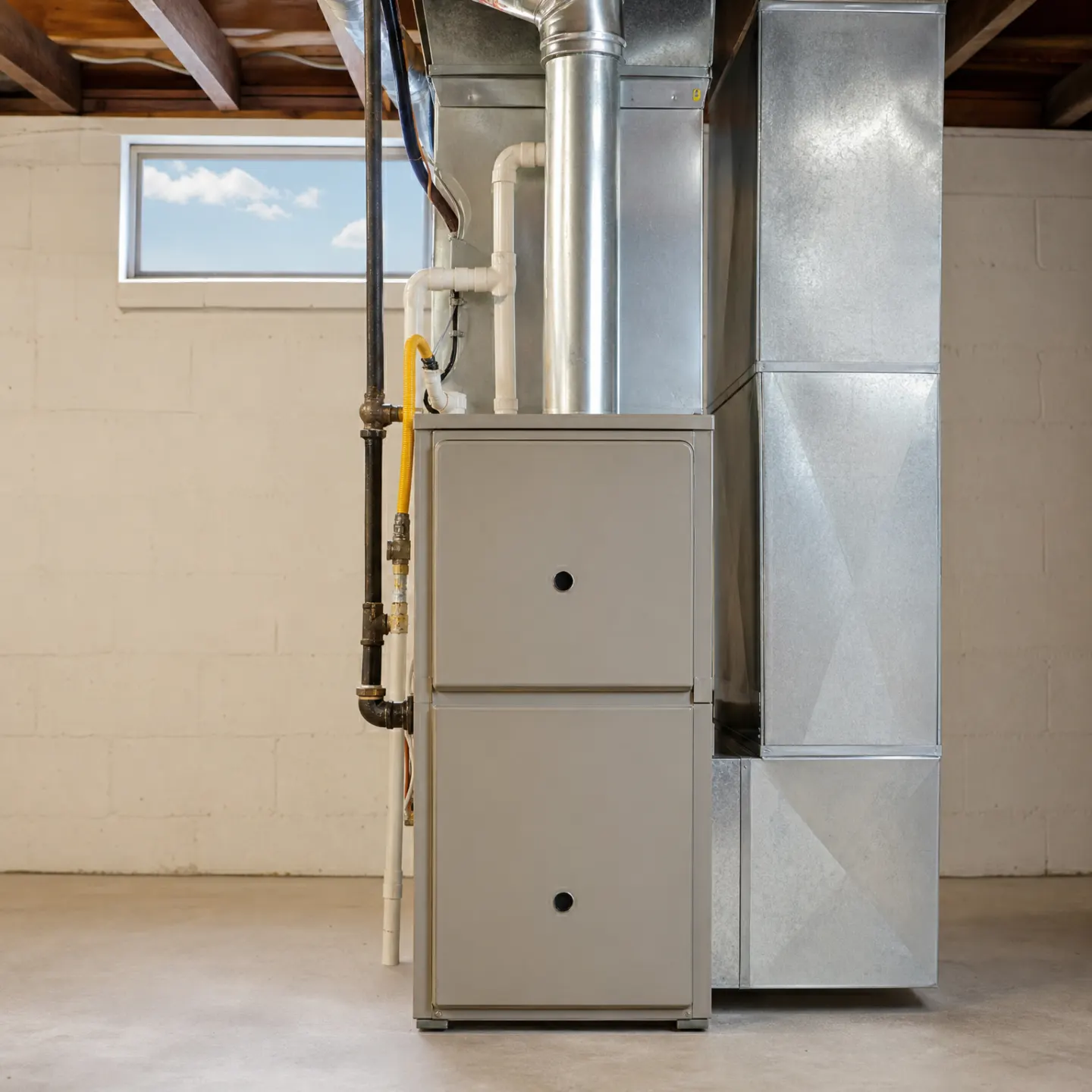
If your furnace came with a newer home, a yearly check is what keeps it that way. A cracked heat exchanger or a failing igniter usually shows up as a small problem first, and a tune-up is when a contractor catches it. Skip that and the same furnace loses a little efficiency every winter until it's burning more gas for the same heat. A system with years left on it is worth keeping on schedule.
Gas costs what it costs here. What you control is how much of it your furnace burns to heat the house. A yearly check is the difference between a furnace running the way it was built to and one quietly costing you more every month it's on.
Find a contractorFurnace here doesn't get downtime to show its wear, so the only way to find a tired igniter or a dirty burner is to look before it fails. Winter storms hit Chaffee County 160 times between 2015 and 2024, and a furnace that quits during one of those isn't an easy fix to schedule. Get it checked while the weather's still easy to work in, and whatever's wearing out gets caught on your timeline instead of the storm's.
A quick visit gets a new filter and a glance at the flame through the viewport. A thorough one pulls the burner assembly out to clean each burner, checks the flame sensor for the dull gray coating that stops it from sensing anything, and tests the igniter under load instead of just looking at it. The heat exchanger gets inspected for cracks, not just a flashlight pointed in its general direction. Those are different jobs even though both get called a tune-up.
Checking a furnace cold tells you how it looks. Checking it running tells you how it works. A full tune-up fires the burners and lets the system reach steady operation, then checks the temperature rise across the heat exchanger, the gas pressure at the manifold, and the draft pulling exhaust up the vent. Those readings catch a furnace that's losing efficiency or drafting wrong, the kind of problem that never shows up sitting still.
A furnace doesn't have coils or a drain, that's the air conditioner's side of the system. What a furnace has is a filter sitting in the return duct, and that filter affects more than air quality. A clogged filter chokes off airflow across the heat exchanger. Starved of air, the exchanger runs hotter than it should, and the limit switch may shut the burners down before the house gets warm. Over time that extra heat stresses metal that's supposed to expand and contract gently every cycle, not get pushed past what it was built for. Changing the filter on a regular schedule is the easiest way to keep that from happening, and it's worth checking monthly during the months the furnace runs hardest.
A proper tune-up starts before the burners ever light. The tech pulls the filter and checks the blower wheel for dust buildup, since a dirty wheel moves less air even when the filter's clean. Wiring connections get checked for anything loose or corroded, because a bad connection can shut the whole system down intermittently in a way that's hard to track later. The flue and venting get inspected for gaps or rust, since that's what carries combustion gas out of the house instead of into it. Gas pressure gets measured at the manifold and adjusted if it's drifted off spec, because too much or too little pressure changes how clean the burners fire. None of this takes long when a furnace is healthy. It takes a lot longer, and matters a lot more, on one that hasn't been looked at in years.