



A twilight street scene featuring illuminated timber-frame and stone houses with a mountain range visible in the background.

Furnace Maintenance in Denver, CO

Tell us about the job

Takes about a minute. No obligation.

Step 1 of 3: Equipment

Furnaces in Denver County run about eight months a year, from October through May. That is most of the house's life spent on gas heat, cycling on and off through nights that drop well below freezing. Denver County saw 32 winter storms between 2015 and 2024, and a furnace works hardest during those stretches, when the thermostat barely lets it shut off. All that runtime adds up on the igniter, the blower motor, the parts doing the work every cycle. A furnace in a milder place can coast on the same parts for years longer than one running this schedule.

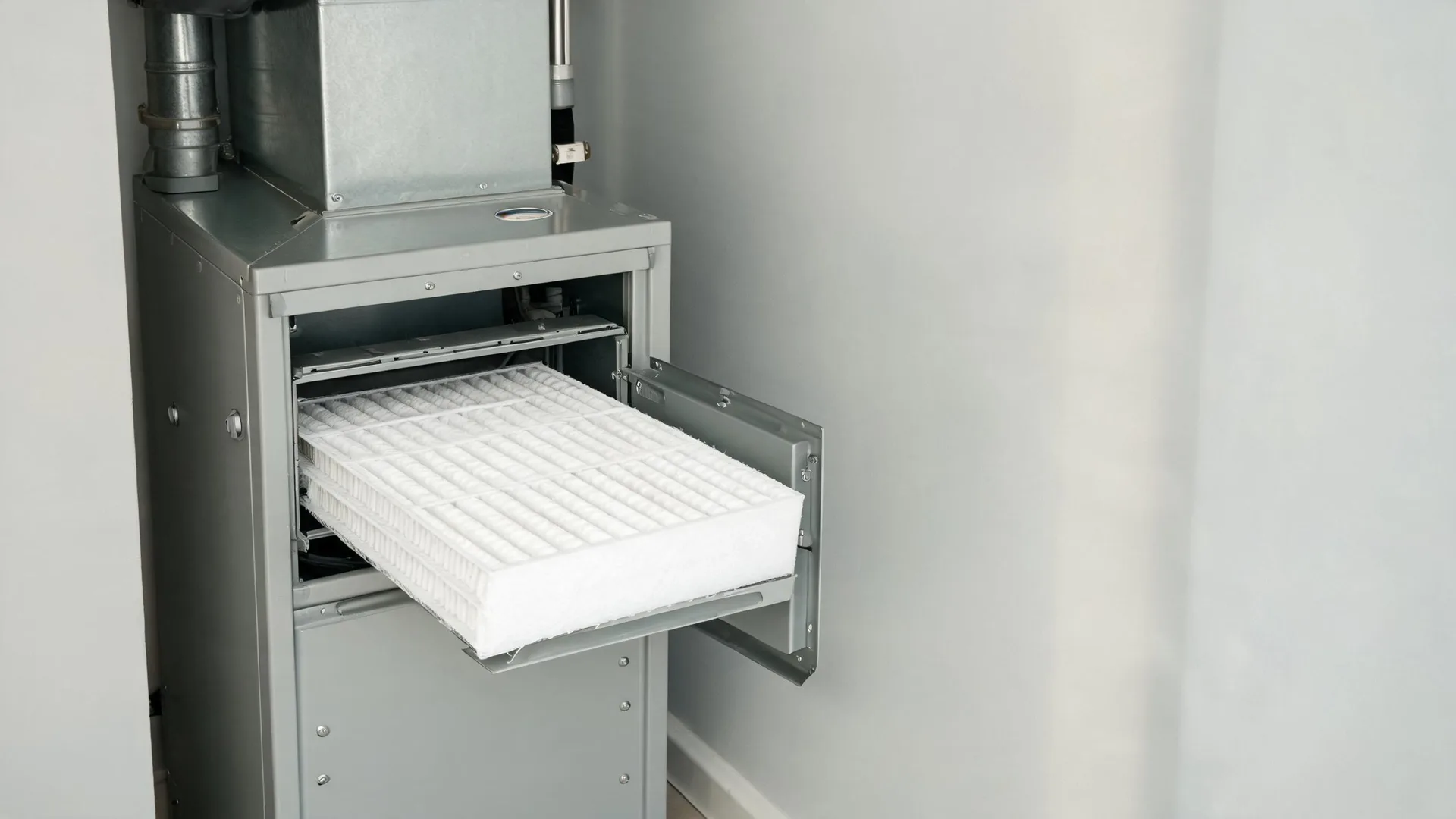
A clean filter is the one thing between the blower and a dirty coil.

Check it monthly through the heating months and swap it when it looks gray.

Most of Denver heats with gas, which means a burner and venting to keep safe, not just a filter

60.8% of homes heat with gas
Heat runs October through May
Winter nights average 19°F
October Starts the ClockFurnaces here start running in October, so September is the month to get it checked.

Skip the yearly check and the first thing to drift is the burner flame. It should burn steady and blue. A burner that's collecting dust or rust burns uneven, and an uneven flame means the furnace isn't converting gas to heat the way it should. Nobody notices this from the living room. The flame sensor is next. It tells the control board the burner actually lit, and a coated sensor reads that signal weakly or not at all, so the furnace shuts itself off a few seconds after starting, sometimes over and over through the night. Past the burner, the heat exchanger cracks quietest of all. A tech checks it with a camera and a combustion analyzer because a crack can leak exhaust into the air the blower pushes through the house, and nothing about the sound of the furnace running will tell you that's happening. None of this announces itself early. It shows up as a furnace that short cycles, or one that runs long and still leaves rooms cold, or one that simply stops answering the thermostat on the coldest morning of the year.

Get It Checked Before October Asks More Of It

A furnace that runs eight months of the year wears on a schedule most places don't see. Getting it checked before October gives a tech time to catch a weak igniter or a drifting flame before a storm pushes it to run all night without stopping.

Find a contractor
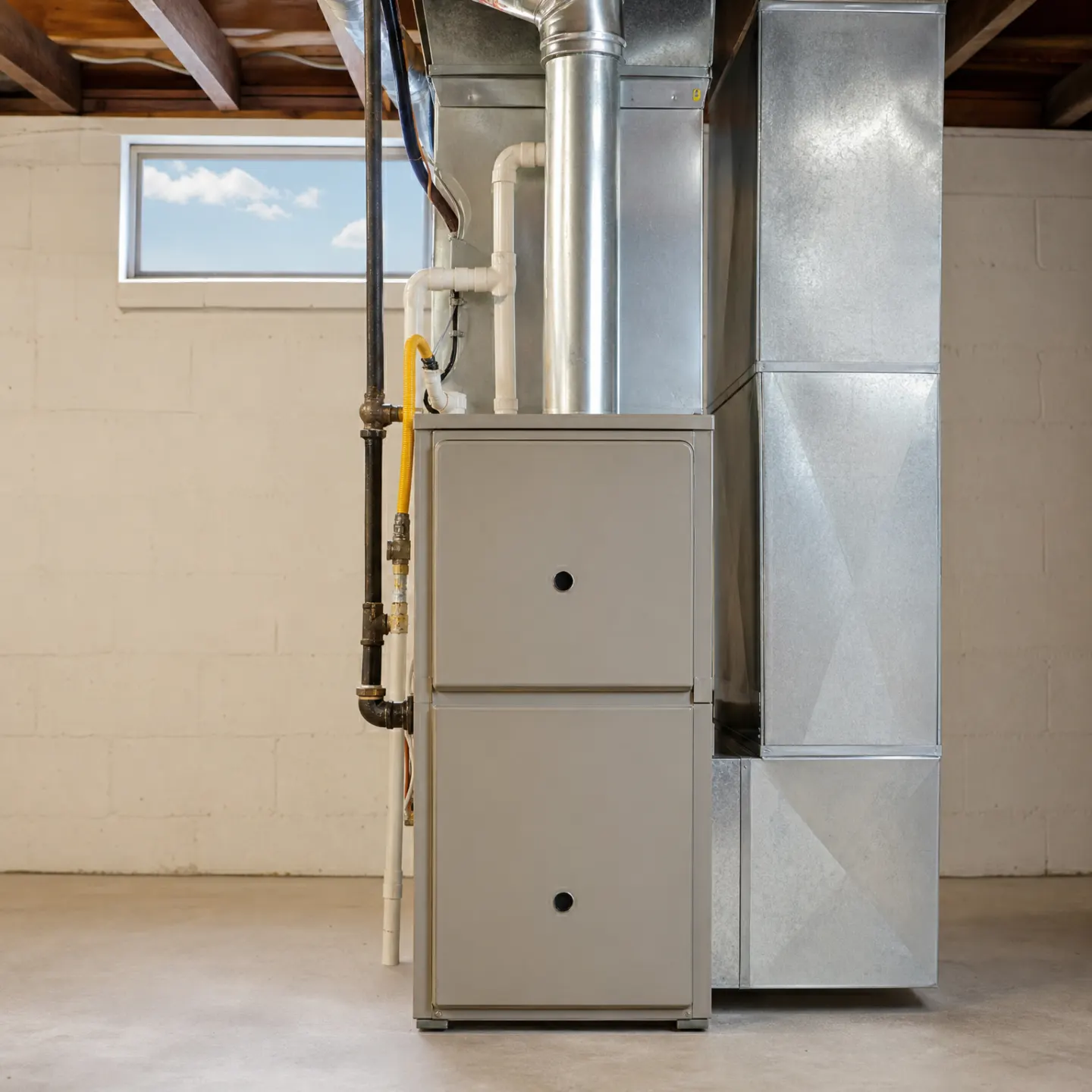
A gas furnace with attached ductwork, gas piping, and condensate lines installed in a concrete-block basement.

The Furnace Usually Tells You First

A furnace gives warning before it quits. The burner flame is worth a look if you can see it: it should sit steady and blue, not yellow or flickering. A furnace that takes two or three tries to light, or clicks and doesn't catch the first time, has a problem starting that gets worse, not better, left alone. Listen for a bang at startup, which usually means gas is pooling before it lights instead of catching right away. A blower that runs on after the house reaches temperature, or short cycles on and off within a few minutes, is struggling to read its own signals. Warm air that smells faintly like exhaust is not something to wait out. None of these show up on a day the furnace isn't running, which is exactly why a check matters before the cold sets in rather than after one of these shows up at night.

A Tune-Up Means Taking Things Apart

A real tune-up means pulling the burner assembly out to clean each burner, not just glancing at the flame through a viewport. It means pulling the blower wheel and checking it for dust buildup on the blades, since a dirty wheel moves less air even at full speed. The flame sensor gets removed and cleaned with a light abrasive, not just looked at. Gas pressure gets checked with a manometer against the furnace's rating, not assumed correct. If nothing gets removed or tested with a tool, it was a look, not a tune-up.
What a Quick Visit Skips

A fast visit checks that the furnace turns on and calls it done. It skips pulling the panel to inspect wiring connections for looseness, which cause intermittent shutdowns that are hard to trace later. It skips testing the limit switch and flame sensor with a meter instead of just a visual check. It skips checking amp draw on the blower motor, which climbs as a motor wears and tells you it's heading for failure before it actually quits. Skipping these does not make the furnace fail that day. It just means the furnace stops answering on a morning nobody saw coming.

A furnace doesn't have a drain or an outdoor coil to worry about, but the filter still decides how hard everything else works. Pull air through a clogged filter and the blower has to work harder to move the same amount of heat through the ducts. That strain shows up on the motor bearings and eventually the motor windings, not right away but over time. A furnace with a secondary heat exchanger, the kind with a condensing coil, does produce a small amount of water that has to drain out through a trap and a hose. If that line clogs with algae or sediment, the furnace senses the backup and shuts itself down rather than let water go where it shouldn't. That's the furnace protecting itself, not a random fault. A dirty filter and a blocked drain look like two different problems but they're both the furnace telling you airflow or water isn't moving the way it's supposed to.

A tune-up also covers the parts that only matter in the moment the furnace starts up. The igniter has to glow hot enough to light the gas within a second or two, and it weakens a little every cycle until one day it doesn't get there. A tech checks its resistance with a meter instead of waiting for it to fail outright, because a dim igniter still lights the furnace most mornings right up until it doesn't. The inducer motor gets checked too, the one that pulls exhaust out through the venting before the burner ever fires, since a furnace that senses weak draft won't let the gas valve open at all. Belts aren't part of this, most furnace motors drive the blower directly, but bearings and electrical connections wear all the same. Pulling the panel to look at these is what separates a tune-up from someone standing at the thermostat watching warm air come out.