Eight months of heat
A furnace in Logan County runs from October through May. That is most of the year with the burner and blower working, not a few cold snaps in January.
Takes about a minute. No obligation.
A furnace in Logan County runs from October through May. That is most of the year with the burner and blower working, not a few cold snaps in January.
Winter lows here average 17°F. A furnace built for that keeps cycling on for hours at a time, and the parts inside wear down faster the more they run.
Furnaces in Logan County start running in October.
Book maintenance in September, before the heat load starts.




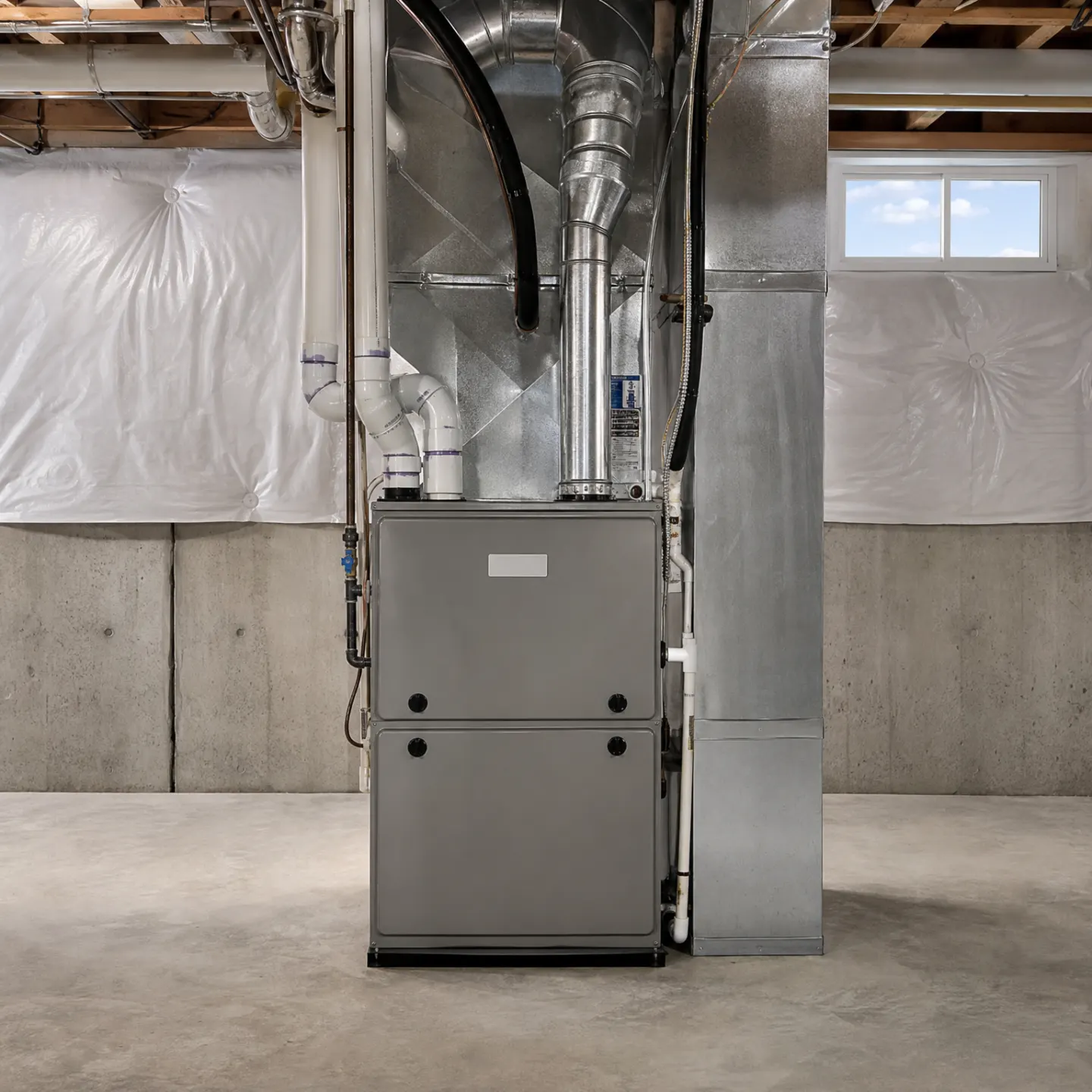
A tune-up starts with the flame itself. A tech pulls the burner assembly and looks at the flame pattern, because a flame that's lazy or yellow instead of blue steady means the gas and air aren't mixing right, and that can point to a cracked heat exchanger or a dirty orifice before it ever trips a sensor. The flame sensor gets cleaned too. It builds up a film from normal combustion that you'd never see, and once it's coated enough the furnace will start a cycle and shut itself down a few seconds later, over and over. The blower wheel gets checked for dust packed between the blades, which throws it off balance and makes the motor work harder to push the same air. None of this shows up as a problem you'd notice from the thermostat. It shows up as a furnace that runs a little worse each month until one cold morning it doesn't run at all.
A furnace that runs from October through May gets checked once before that run starts. Have it looked at now, while it's one visit on your schedule instead of a repair on the coldest week of the year.
Find a contractor
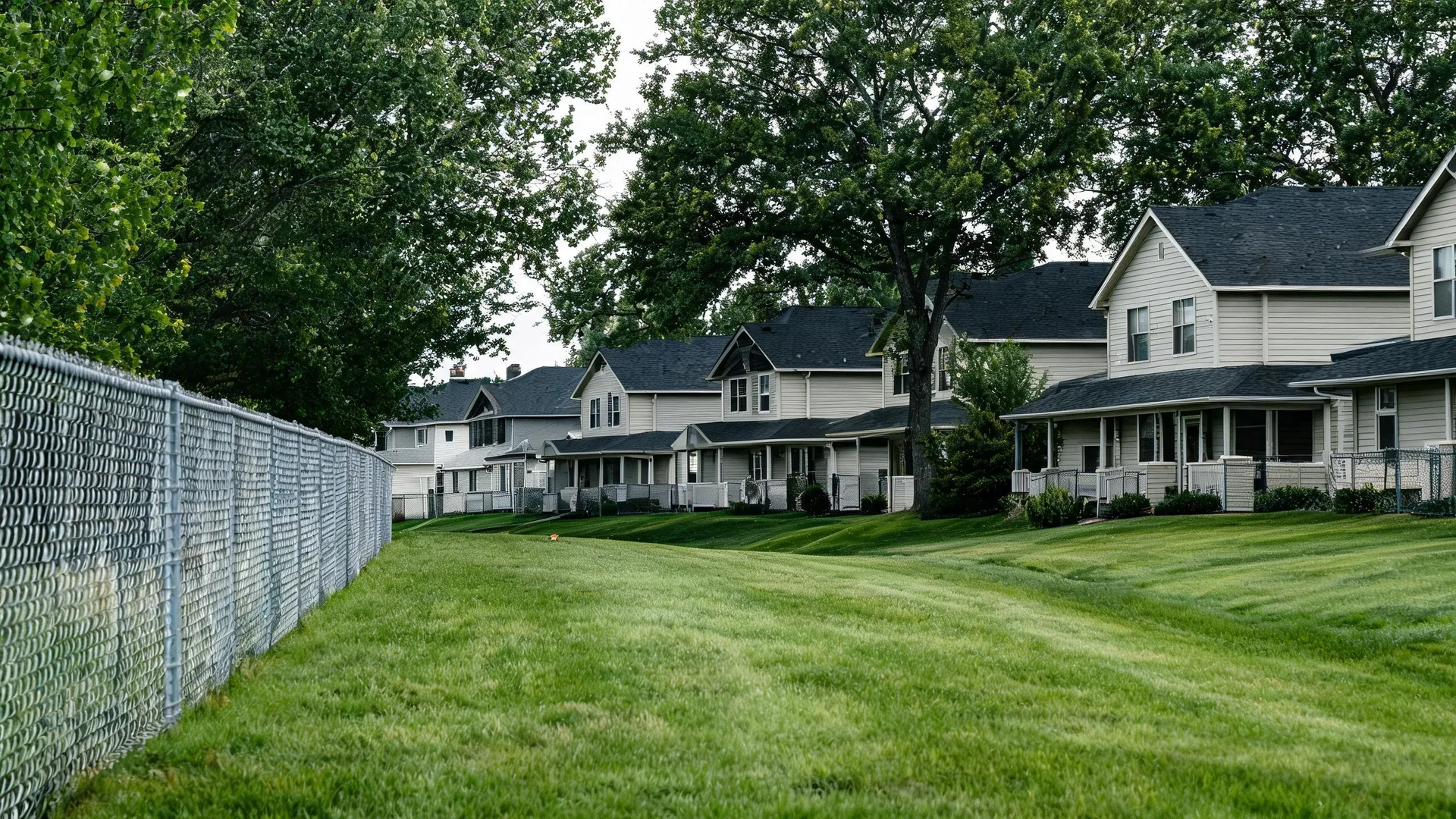
A furnace installed when one of these houses was built has had decades to drift out of tune. Burners get rebuilt, controls get swapped, but a system that old has more places for wear to hide. If yours has never had a yearly check, this is a good year to start one. If it has, this is the one that catches what last year's didn't.
A quick check gets the furnace firing and feels for warm air at a register. That tells you the burner lights and the blower pushes air. It does not tell you how clean that flame is, whether the heat exchanger has a crack starting, or whether the blower wheel is caked with dust and straining the motor to move the same air it always has.
A thorough tune-up pulls the burner assembly, reads the flame itself, cleans the sensor, checks the pressure the gas is burning at, and tests the safety controls that shut the furnace down if something goes wrong. These are the parts that drift out of adjustment slowly, long before the furnace stops working, and they are the parts a quick check never opens up.
A furnace usually gives some warning before it quits. A burner cycling on and off faster than it used to, instead of running a steady stretch, means something is telling it to shut down early. A smell of gas at startup that fades after a few seconds can mean a small leak at a fitting or a cracked heat exchanger, and either one is worth a look right away. Soot around the access panel or a yellow tip on the flame instead of steady blue means the fuel isn't burning clean. A blower that runs noticeably louder, or air at the registers that feels weaker than it did last winter, often means the wheel is caked with dust and the motor is straining to keep up. Any one of these by itself might be nothing. Together, or more than once, they mean the furnace is telling you something before it tells you by not starting at all.
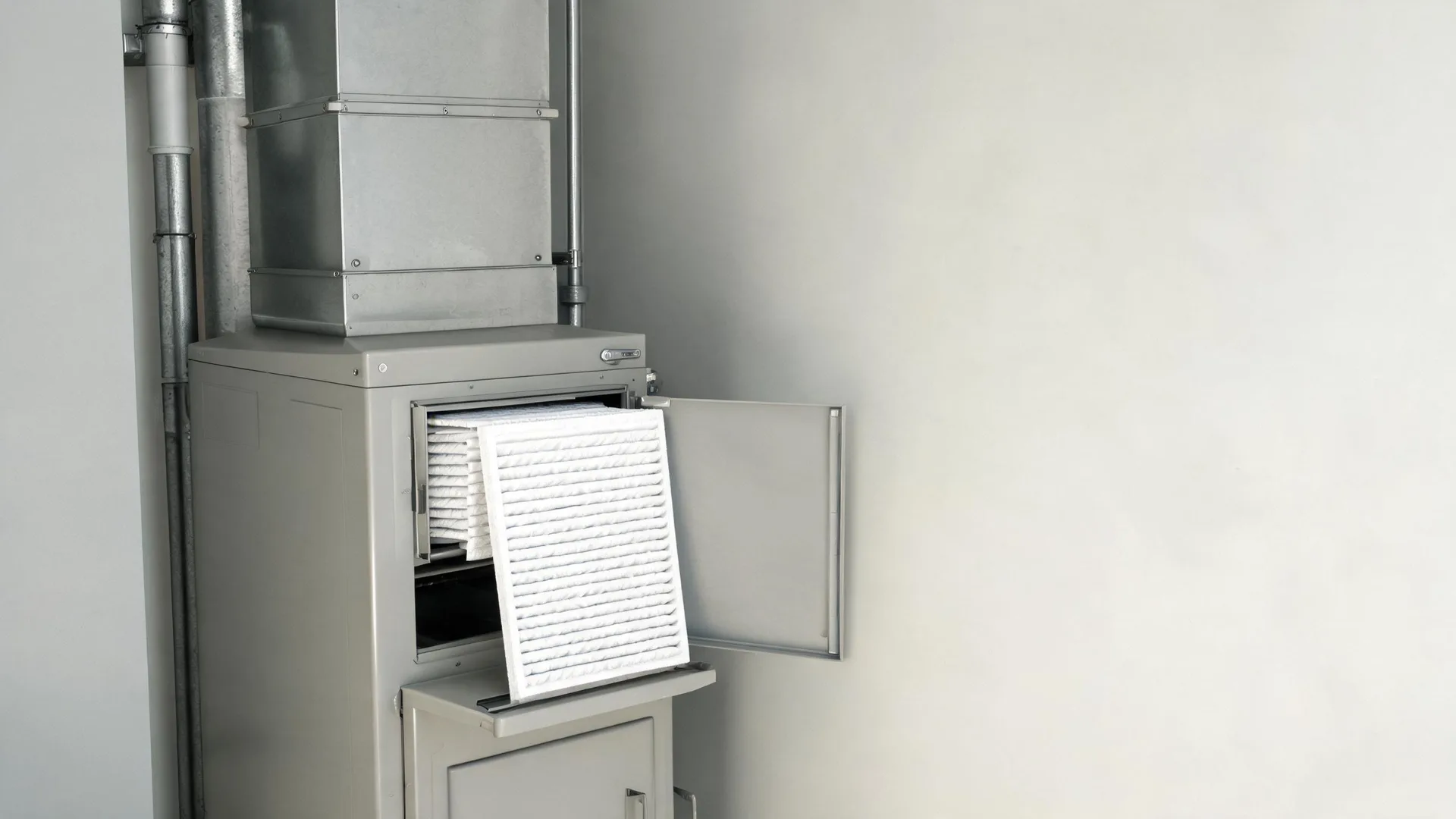
A tune-up also covers what the furnace breathes and where it vents. The filter gets checked because a clogged one starves the burner of airflow and makes the whole system work harder than it should. The intake and exhaust vents get looked at too, since a blocked vent pipe can send exhaust where it shouldn't go instead of outside. A tech checks the igniter, since that's the part that lights the gas, and a weak one will fail to catch the flame reliably even though the furnace still tries to start every cycle. The condensate line gets checked on furnaces that have one, because a clog there can back up and shut the system down on a safety switch. Belts used to wear out on older blower motors, but most furnaces now run direct drive, so that failure point is gone. What's left is combustion, airflow and the controls that watch both, and a proper visit checks all of it before winter asks the furnace to prove it.