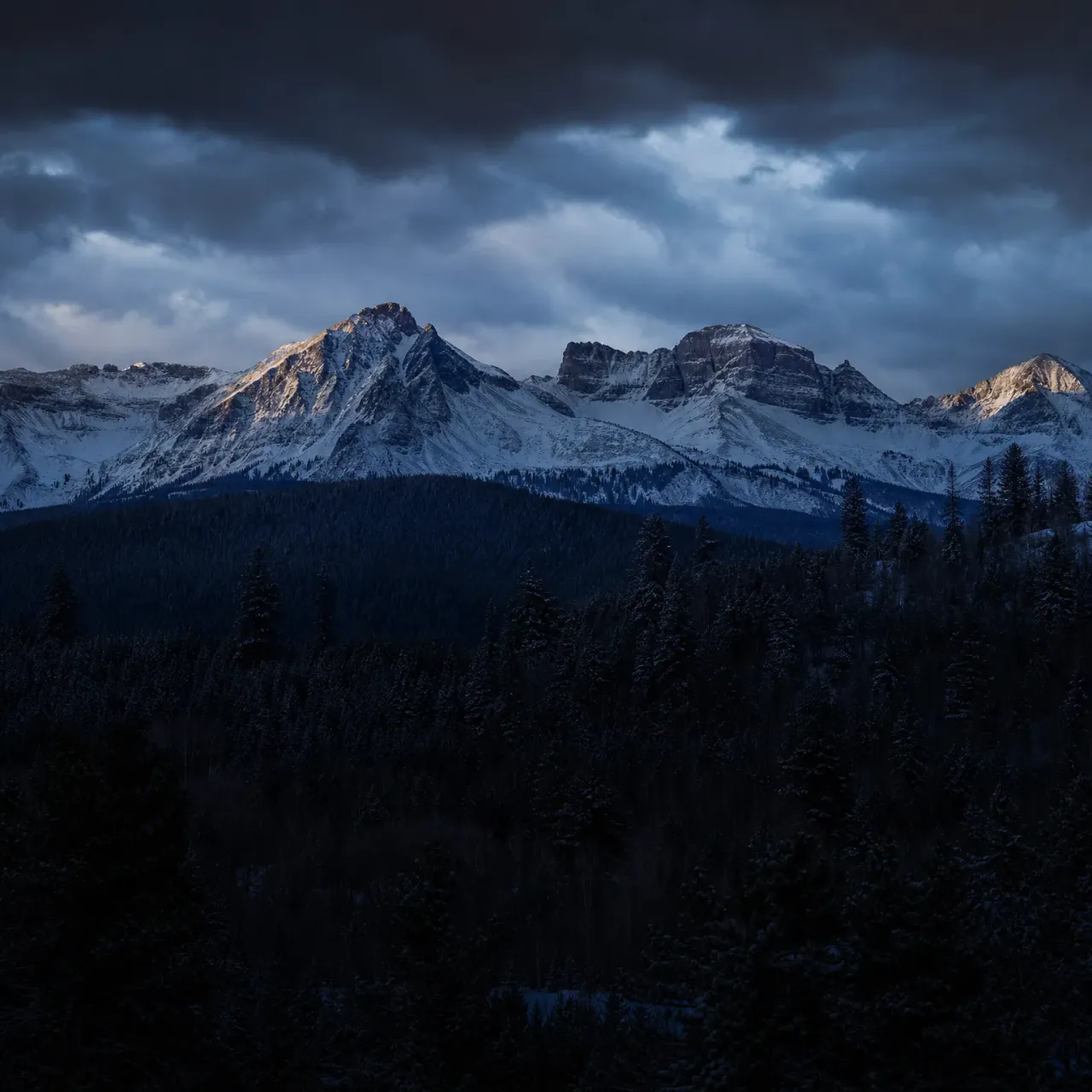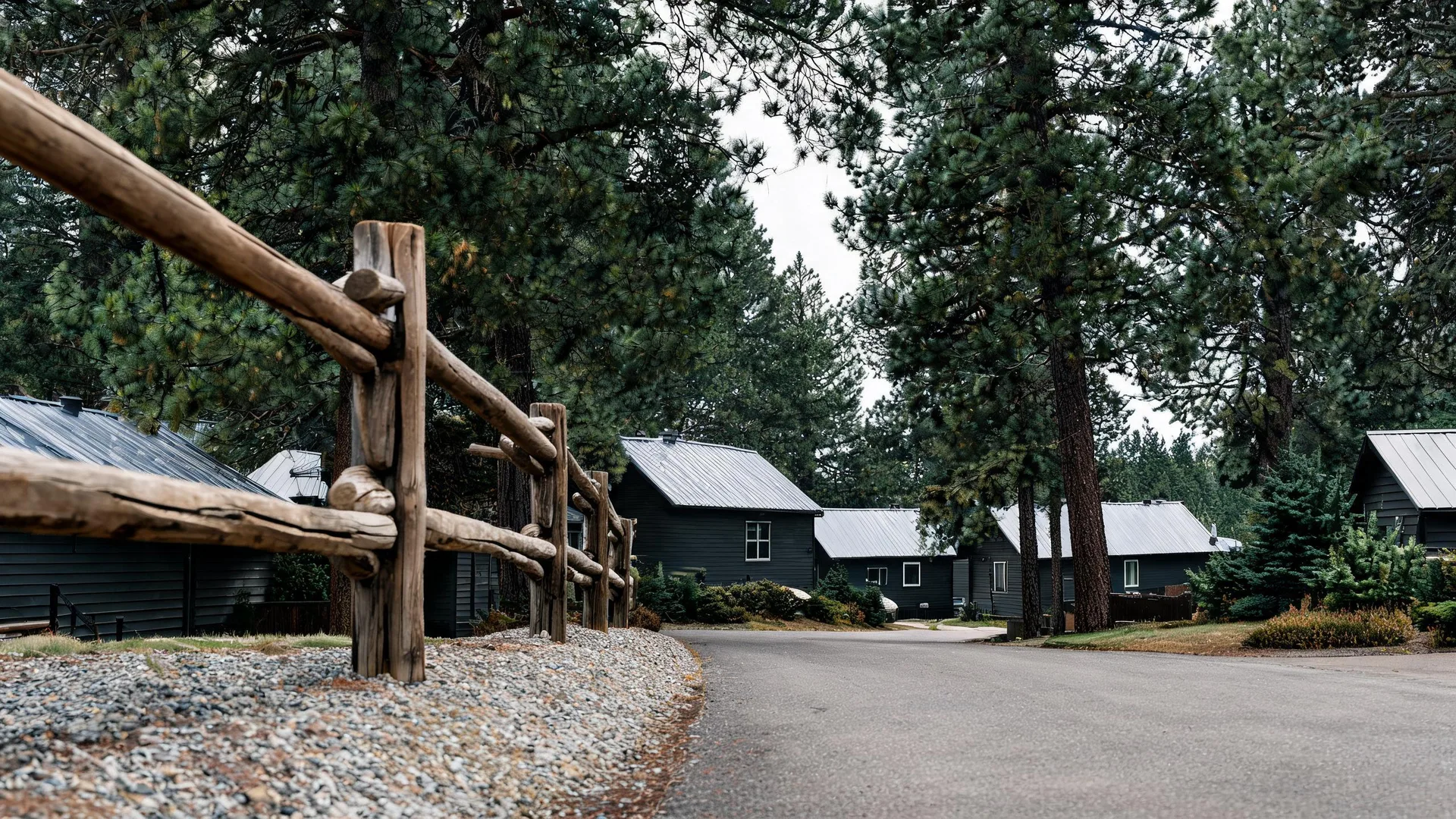
A rustic log rail fence beside a gravel verge and paved road, with dark-sided cabins with metal roofs among tall pine trees under an overcast sky.

Furnace Maintenance in Silverthorne, CO

Tell us about the job

Takes about a minute. No obligation.

Step 1 of 3: Equipment

A cracked heat exchanger doesn't announce itself

A furnace can run and still have a heat exchanger that's cracked or corroded through. It still lights, still blows warm air, and still shuts off on schedule. The crack only shows up when a technician pulls the panel and checks it directly, sometimes with a camera, because there's no sound or smell that reliably gives it away before then.


What that means for the furnace sitting in your house

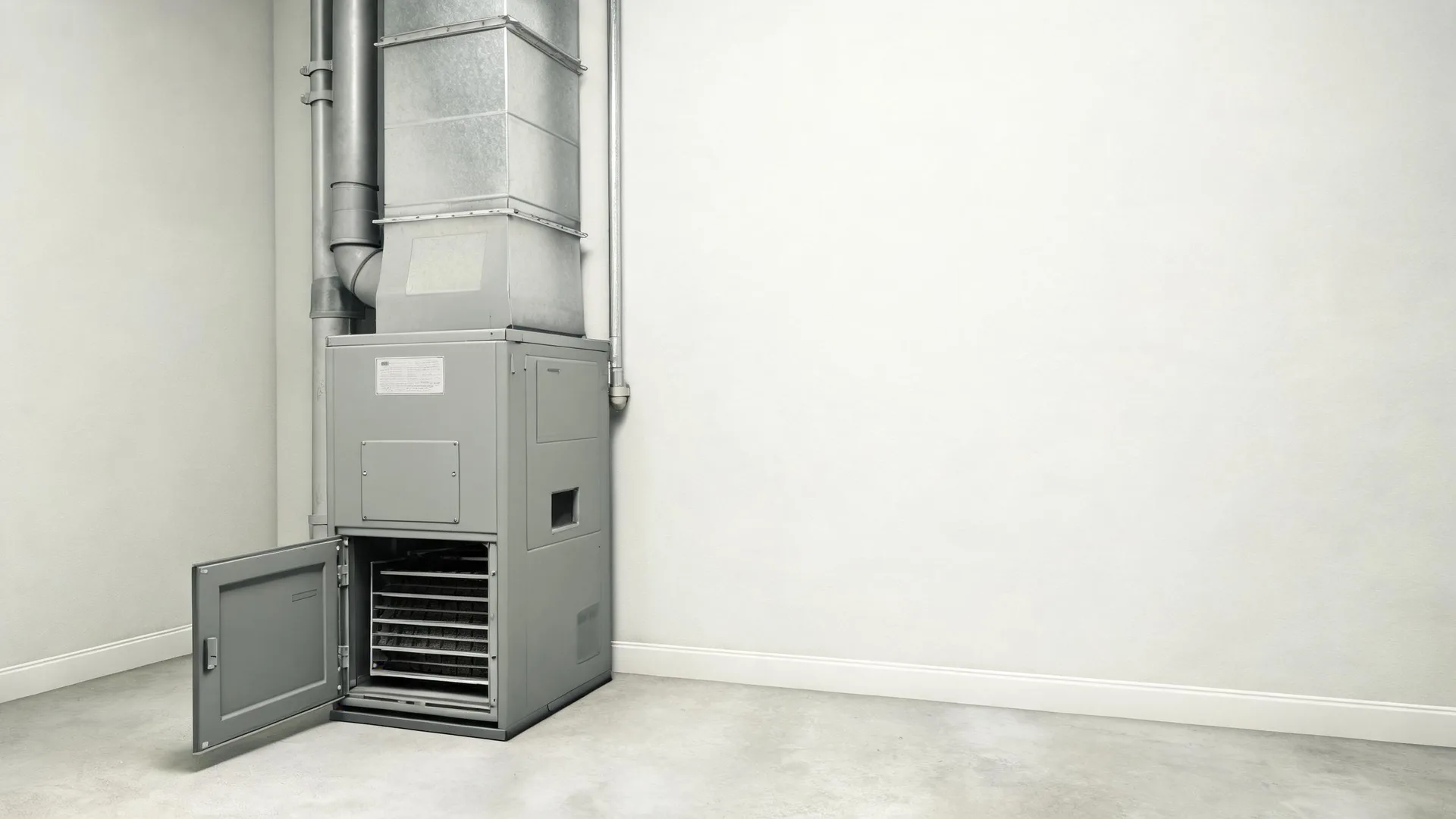
If nobody has opened the cabinet and looked, you're trusting that everything inside is fine because the furnace hasn't complained. A tune-up is the only way to find a bad flame sensor, a clogged burner, or a failing exchanger before it leaves you without heat or creates a real safety problem.

Half the homes in Summit County were built in 1989 or later.

A furnace that age still has years in it, and a yearly check is what gets it there.

Most furnaces here run on gas, which means a yearly check on the burner and venting, not just a filter

58.3% of homes heat with gas
Winter nights average 8°F
Climate zone 7
A neglected furnace burns gas at a worse priceColorado gas ran $10.09 per million Btu in 2024, and a dirty furnace burns through more of it to do the same job

Skip the yearly check and none of this stops the furnace from running, at least not right away. A dirty flame sensor doesn't shut things down the first time it fails to read the flame right, it just takes a few more tries to catch, then a few more after that, until one morning it doesn't catch at all. A burner that's slowly going out of adjustment doesn't throw a code, it just burns a little less clean each month. The blower motor doesn't seize the first time it has to work against a clogged filter, it just runs hotter and wears faster, season after season. None of these show up as a problem until the day they do, and by then it's not a tune-up anymore, it's a repair.

A tune-up is what keeps that gas bill from climbing

A furnace burning gas at $10.09 per million Btu doesn't need to run dirty to cost you. A clogged burner or a bad gas valve makes the furnace work harder for the same heat, and here it's already running long stretches all winter. A yearly check catches that before it shows up in what you pay to stay warm.

Find a contractor
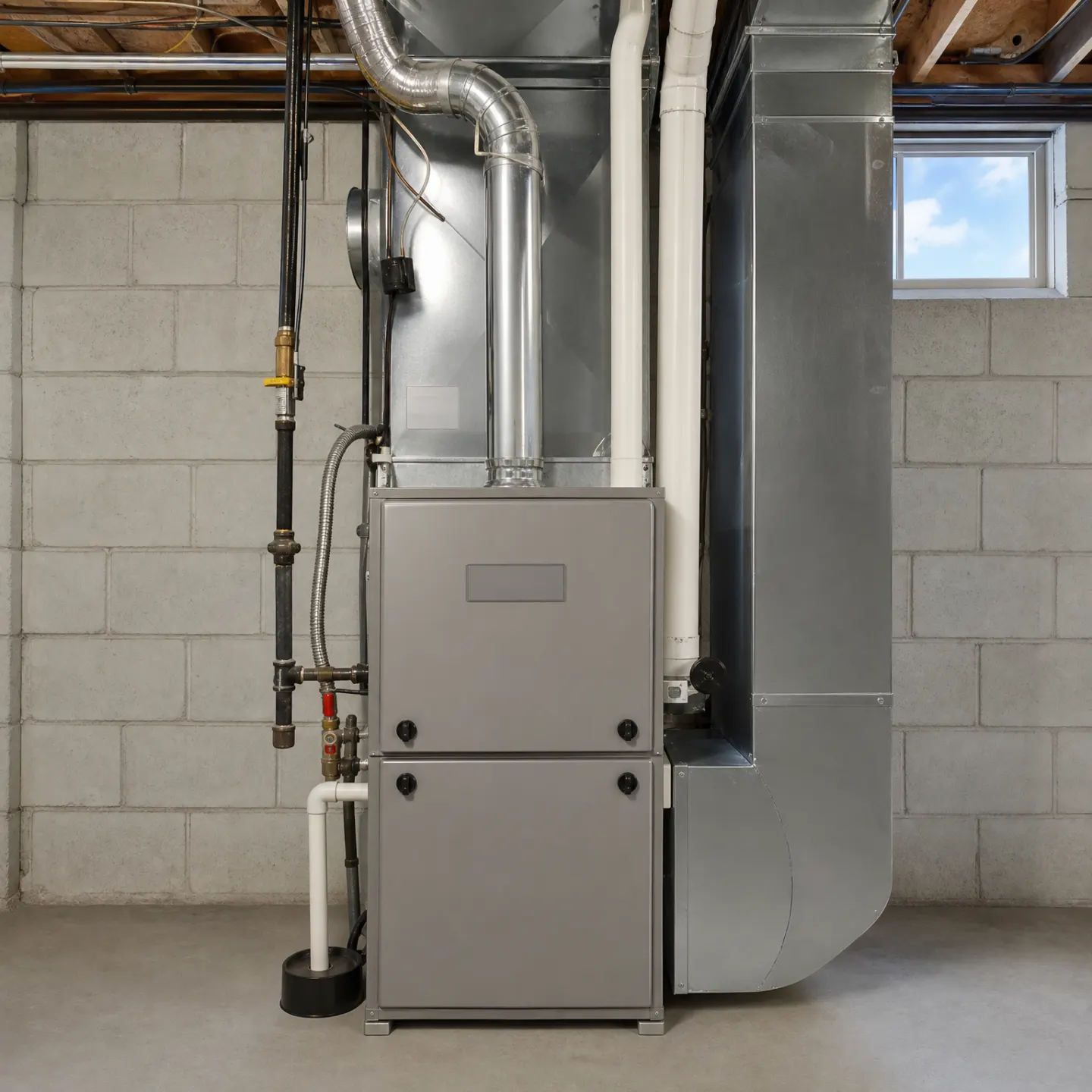
A gray high-efficiency gas furnace installed in an unfinished basement, surrounded by gas lines, a condensate drain, and sheet-metal ductwork.

A furnace this age is worth protecting

That's a furnace with plenty of life left, which is exactly why the yearly check is worth doing. Catching a weak igniter or a cracked exchanger early on a newer unit means it actually gets to run out its years instead of failing partway through them.

The filter decides what the blower has to fight

A furnace filter loaded with dust forces the blower motor to pull harder to move the same air. That strain shortens the life of the motor and can starve the burner compartment of airflow it needs to run right. A filter is the cheapest part of the system to check and the easiest one to let slide.

The drain line only matters on certain furnaces, but it matters a lot

A high-efficiency furnace produces condensation that has to leave through a drain line. If that line clogs with sludge or algae, the furnace can shut itself down on purpose rather than let water back up into the cabinet. A tech clearing that line during a tune-up is what keeps a clogged drain from turning into a no-heat call.

A furnace usually gives you something before it quits. The burner flame should burn steady and blue, so a flame that looks yellow or orange, or flickers around, means it's not burning clean. A burner that's slow to catch, or lights with a soft thump instead of a quiet whoosh, is wearing out even if it still works that day. Listen for a blower that rattles, squeals or grinds on startup, and pay attention if the air coming out of the vents feels cooler than it used to. Short cycling, where the furnace turns on and off in quick bursts instead of running a full, steady stretch, usually means a sensor or airflow problem rather than anything to do with the thermostat setting. None of these mean the furnace is about to fail, but they're the kind of thing a tune-up catches and fixes before they turn into a no-heat call.

A tune-up is a set list, not a glance at the cabinet. The technician checks the burner flame and cleans it if it's not burning steady and blue, tests the flame sensor and igniter, and checks the gas pressure against what the furnace is built to run on. The blower wheel gets cleaned if it's caked with dust, since a dirty wheel moves less air even at full speed. The venting gets checked for blockage or corrosion, because exhaust has to leave the house and not back up into it. Electrical connections get tightened, since a loose one can cause a furnace to shut down mid-cycle. None of this takes long when nothing's wrong, but skipping it means the furnace runs a full season on guesswork instead of a check.