Weather here takes a toll
Pueblo County saw 552 severe weather events between 2015 and 2024, including 184 winter storms, 209 damaging wind events and 157 hail events. Statewide, 13% of Colorado households lost power for 24 hours or more in 2024.
Takes about a minute. No obligation.
Pueblo County saw 552 severe weather events between 2015 and 2024, including 184 winter storms, 209 damaging wind events and 157 hail events. Statewide, 13% of Colorado households lost power for 24 hours or more in 2024.
A furnace that sits unchecked through that kind of weather is a furnace you're trusting without knowing. Wind and ice can work on the vent and the cabinet outside, and a power cut means no heat at all until it's back, pilot or no pilot. A tune-up is how you find out where your furnace stands before a storm decides for you.
Your furnace runs eight months a year here, October through May.
That long a season wears parts down faster, and it's worth knowing where things stand before the cold sets in.



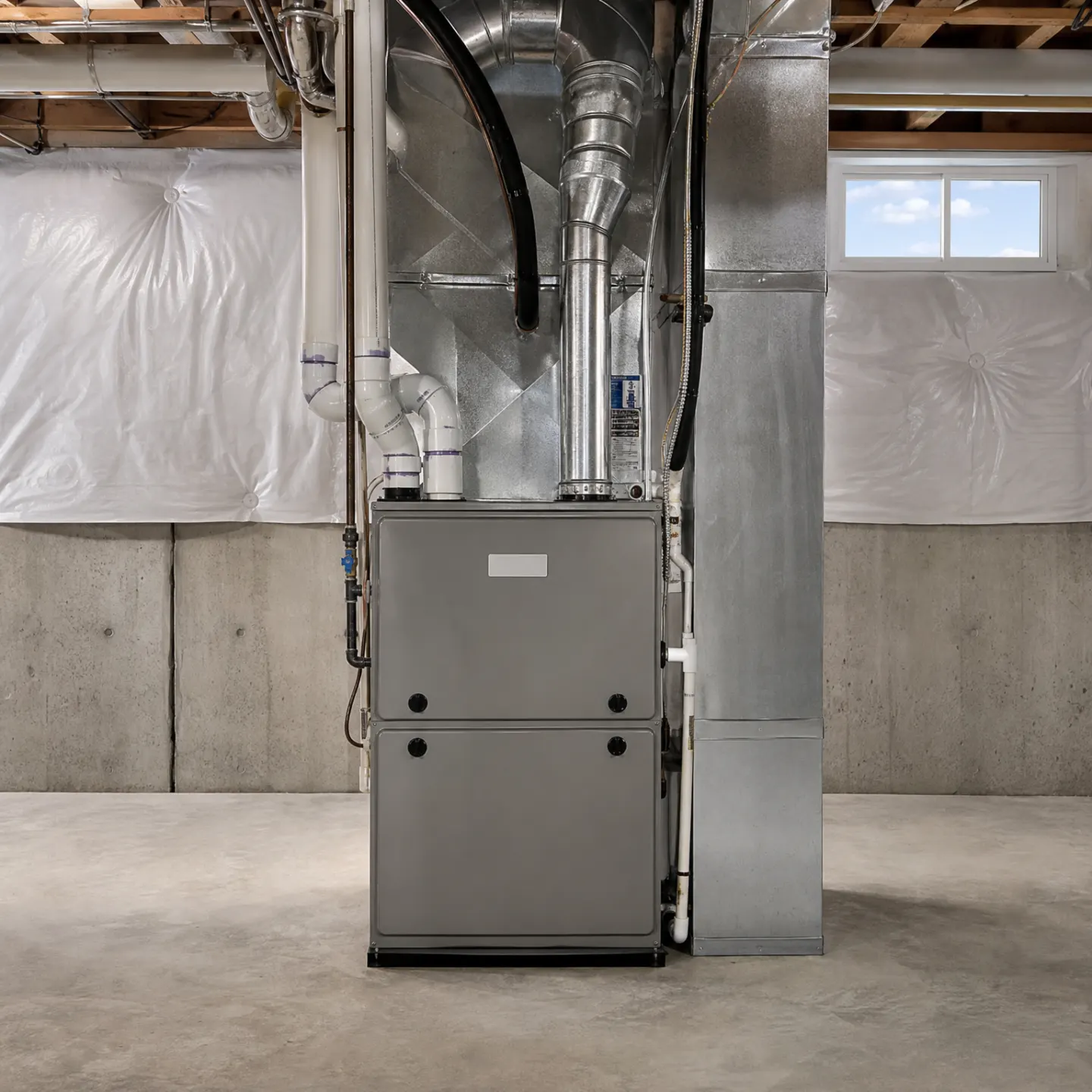
Gas heats 76.3% of homes in Pueblo County, more than anything else. Bottled and LP gas heat another 5.1%. If your furnace runs on gas, the tune-up is not just a filter swap. A technician checks the burner for even, clean flame, tests the venting that carries exhaust out of the house, and checks the safety controls that shut the system down if something goes wrong. Those parts matter more than the filter does, because a burner running dirty or a vent blocked by ice is a problem a clean filter won't catch.
A tune-up before storm season catches a vent knocked loose by wind or a cabinet dented by hail, the kind of thing that sits unnoticed until the furnace needs to work. It also means knowing your furnace is sound before the next power cut, so the only thing you're waiting on is the power.
Find a contractor
184 winter storms hit Pueblo County between 2015 and 2024. That's the weather your furnace has to run through once it starts in October. A tune-up before then means a technician can catch a cracked heat exchanger or a failing igniter on a calm day, not during a storm. Eight months of runtime gives a small problem a lot of hours to turn into a cold house.
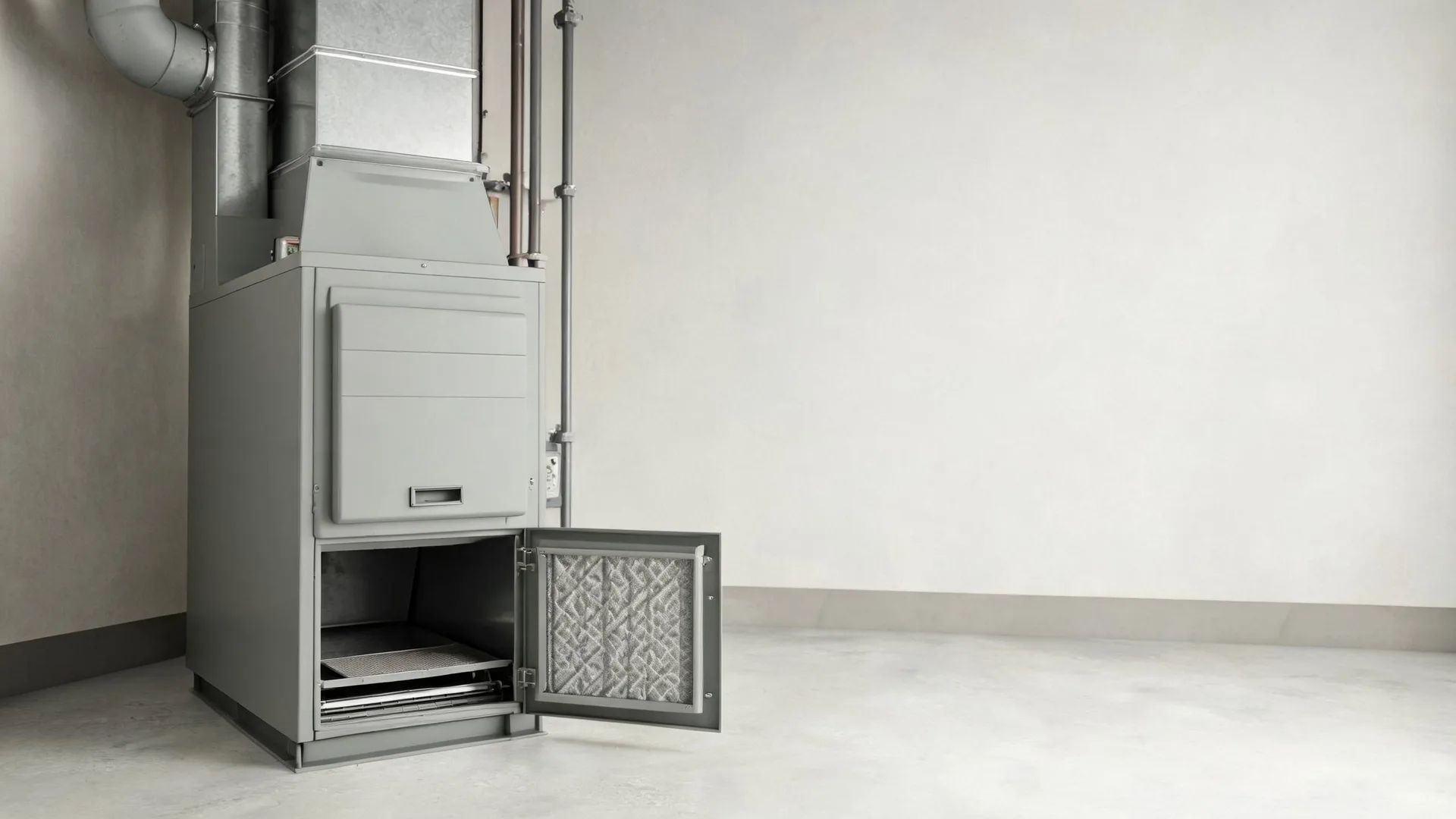
A dirty filter chokes airflow across the heat exchanger, and that makes the furnace run longer to do the same job. Check it once a month. Hold it up to a light. If you can't see through it, swap it. A furnace with a clean filter breathes easier and the burner behaves the way it's supposed to.
A yellow or flickering flame instead of a steady blue one, a burning smell that doesn't fade after the first run of the season, a clicking igniter that won't catch, short cycles where the furnace shuts off before the room warms up. Any of those means stop using it and call someone licensed. Opening the cabinet past the filter, adjusting gas pressure, or working on the burner yourself isn't worth the risk.
A tune-up gets inside the cabinet in ways a homeowner never does. A technician pulls the burner assembly and looks at the flame pattern up close, not just a glance through a sight glass. The heat exchanger gets checked for cracks or corrosion, something you can't see without taking the furnace apart, and a cracked one can leak exhaust into the air the blower pushes through the house. The flame sensor gets cleaned, since a coated sensor can make the furnace shut off soon after it starts and that looks like a dozen other problems from the thermostat. Amp draw on the blower motor gets tested against what the motor is rated for, because a motor pulling too much power is wearing out before it ever fails outright. None of that shows up when the furnace is just running fine from where you're sitting.
A tune-up also means hands on the controls that decide whether the furnace runs at all. The limit switch gets tested, since that's what shuts the burner off if the air inside the cabinet runs too hot, and a switch that's gone bad can either shut the furnace down for no reason or fail to shut it down when it should. The pressure switch gets checked too, the part that confirms the inducer motor is actually pulling exhaust out before the gas valve is allowed to open. The inducer motor itself gets looked over for noise or wobble, since that motor runs every single cycle and a bearing going bad there usually shows up as a grinding sound before it quits. The gas valve gets checked for a clean open and close, not a slow creep. A technician also checks the electrical connections at the control board, because a loose wire can cause a furnace to work fine for weeks and then stop cold with no warning.