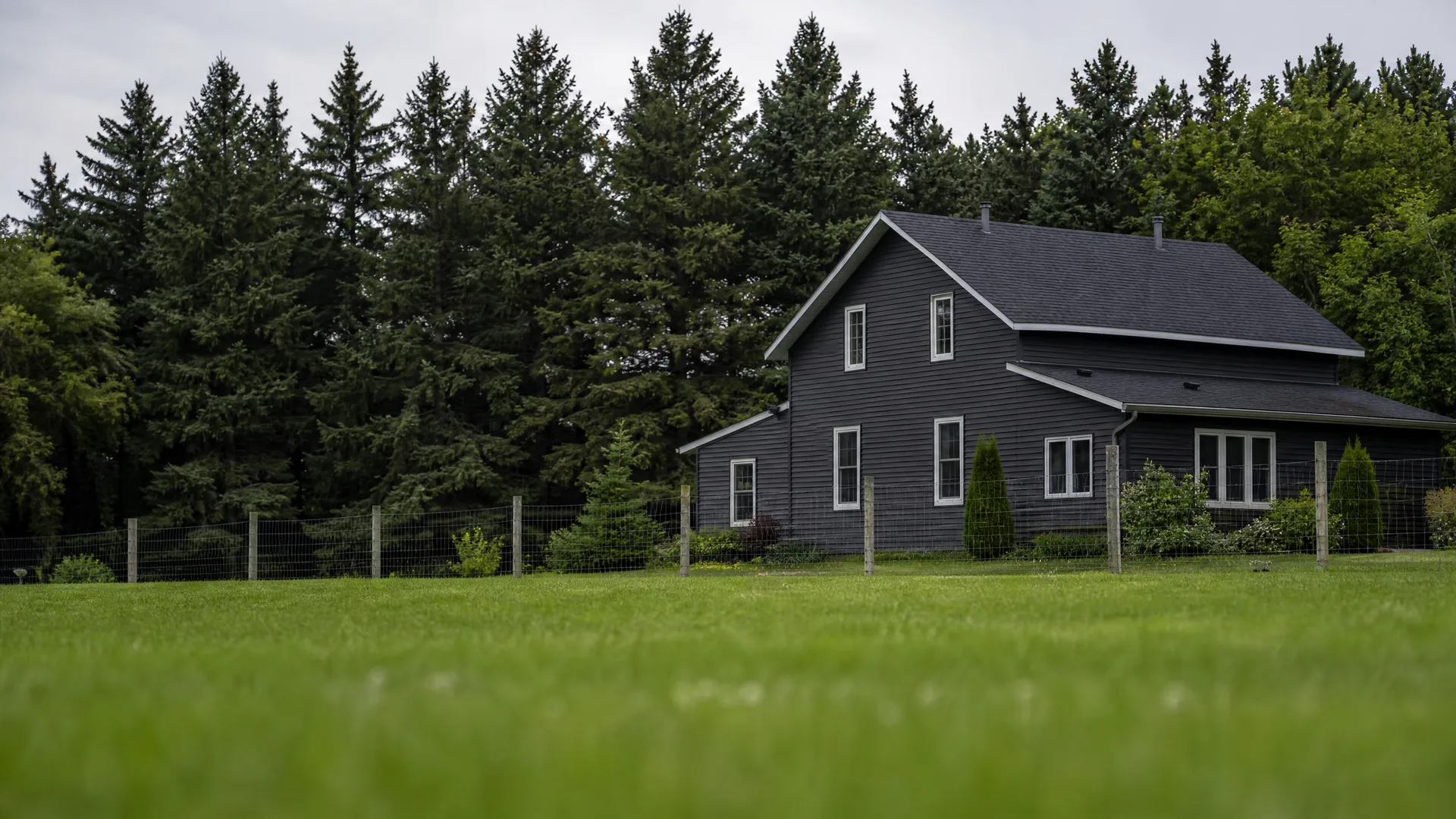



A dark grey two-story wood-sided house with white-trimmed windows stands behind a wire fence and a mown lawn, backed by tall spruce trees under an overcast sky.

Furnace Installation in Lamar, CO

Tell us about the job

Takes about a minute. No obligation.

Step 1 of 3: Equipment

Gas heats 74 percent of homes in Prowers County, and that number matters when you're replacing a furnace. If gas already runs to your house, a new gas furnace uses the same line, the same vent path, in most cases the same spot in the basement or closet where the old one sat. That keeps the job straightforward. Electric heat and propane each have their place here too, but gas is what most of your neighbors have, and contractors who work in Lamar install and service gas furnaces more than any other kind.

7 months
October through April, your furnace is on duty
19°F
the average winter night it heats against
74%
of homes here heat with gas, so most furnaces here burn gas
80% AFUE
the federal minimum any new unit must meet
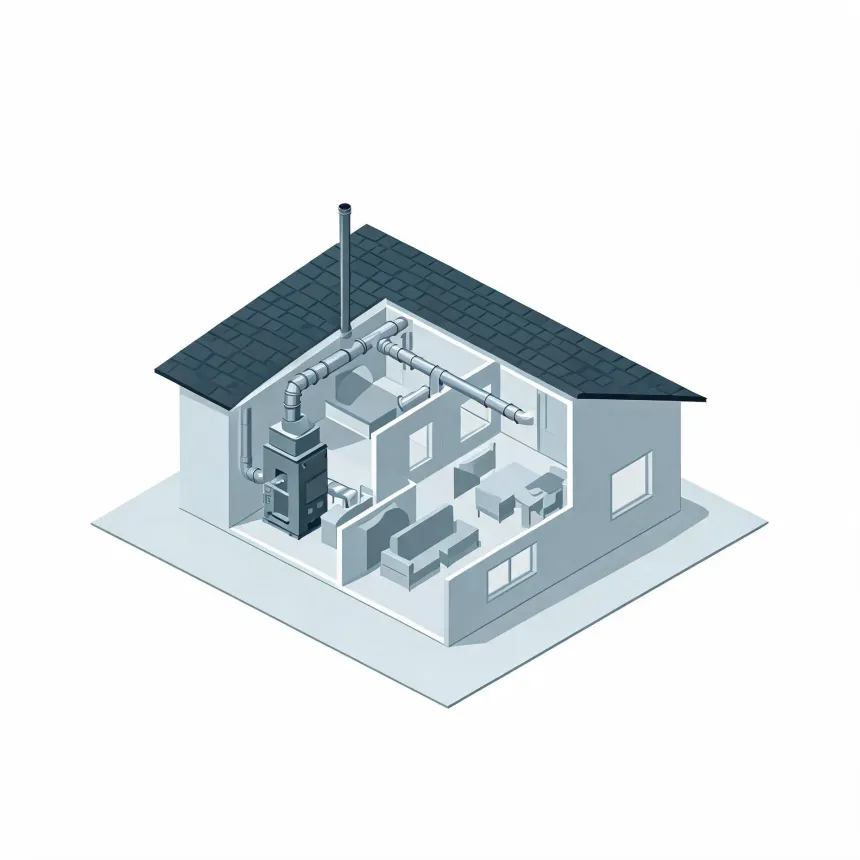
Isometric cutaway illustration of a single-story house with a dark shingled roof, showing a furnace with a flue pipe and branching ductwork running through interior rooms furnished with a sofa, table and chairs.
Your furnace works hardest from November through March.

NOAA nClimDiv, 1991–2020 normals

Half the homes in Prowers County were built in 1971 or earlier.

A furnace going into a house that old has to match the ductwork and the space already there, not a standard box size.

Cheap gas here means a basic furnace pays for itself about as well as a high-efficiency one

Heat runs October through April
Winter nights average 19°F
16 winter storms from 2015 to 2024
Built for Lamar wintersHeat runs here from October through April, with overnight lows near 19°F in January.

Lamar sits in climate zone 4B, which asks real work of both your furnace and your AC over the year. Any non-weatherized gas furnace installed today has to hit at least 80 percent AFUE. That floor holds until December 2028, when it steps up to 95 percent, so a furnace bought now only needs to clear the lower bar. A contractor can tell you where a given model falls against that line. If a federal tax credit applies to your new system, your contractor can walk you through what it takes to qualify.

A standard furnace is the right call for Lamar

Prowers County sees its share of damaging wind, hail, and the occasional winter storm or tornado. None of that calls for an oversized or special-order furnace. A standard gas furnace, sized to your house and ducts and installed the way furnaces here normally are, holds up fine through what this county sees.

Find a contractor
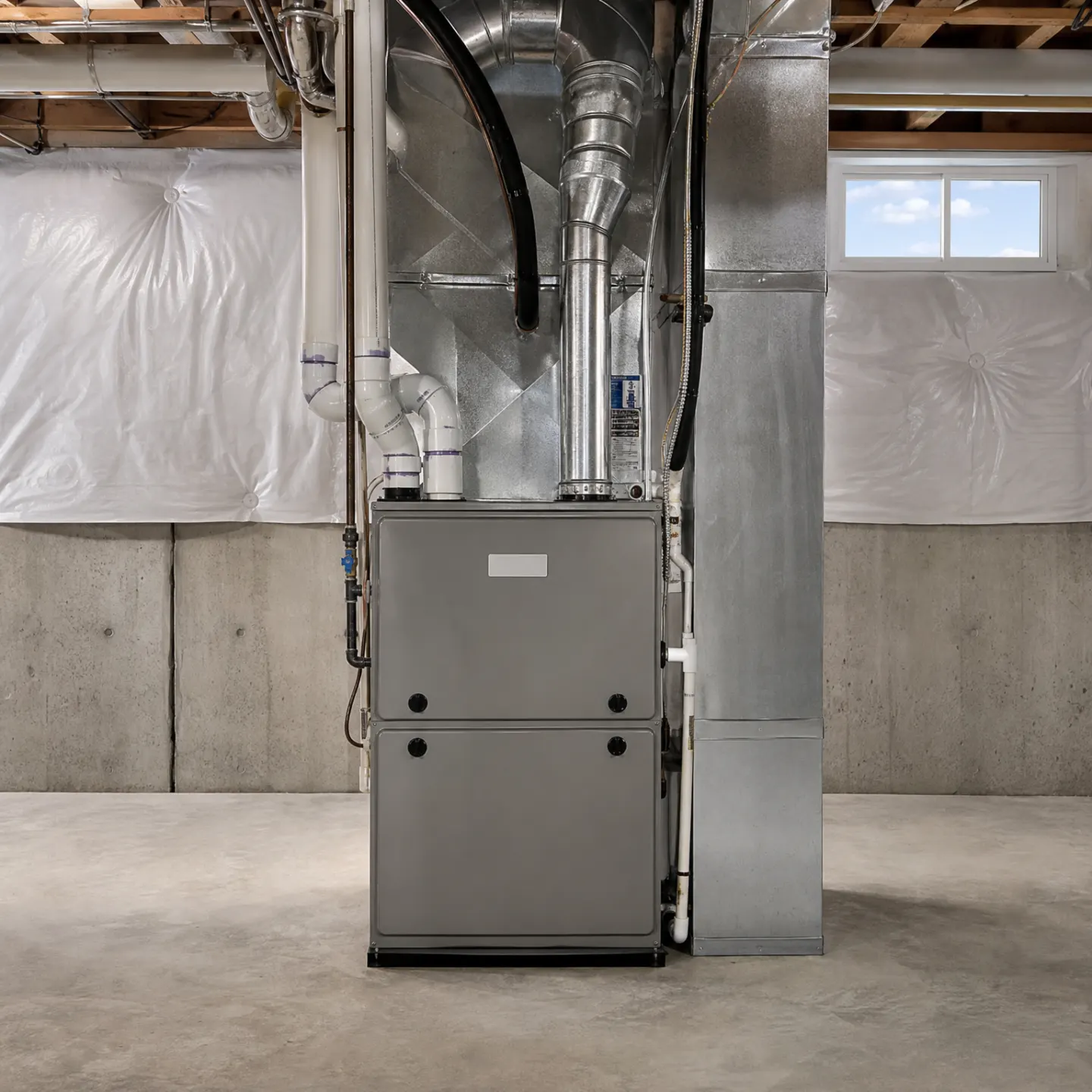
A gray residential gas furnace installed in an unfinished basement, connected to sheet-metal ductwork and PVC pipes.

Put it in before you need it

Heat starts here in October and runs through April, seven months of the year. That is most of the year this furnace will be working, so September is the month to have the old one swapped out. Wait until the first cold snap and you are choosing whatever unit a contractor can get installed fast, not the one that fits your house best. A furnace put in during September runs its first full day in a house that is not depending on it yet. If something needs adjusting, there is room to do that before it matters.

Ask what size they calculated, not guessed

A furnace sized off the old unit or a square footage rule of thumb can end up wrong for your house. A contractor should run a load calculation that accounts for your insulation, windows, and layout, then tell you the number it produced. If a contractor quotes a size without doing that math, ask them to.

Ask what happens to your ductwork

A new furnace moves a different amount of air than the old one did, and your ducts have to handle that change. Ask whether the existing ductwork was checked for leaks, sizing, and airflow, or whether it's just getting a new furnace bolted onto it. A furnace that's right for your house can still perform poorly if the ducts weren't part of the plan.

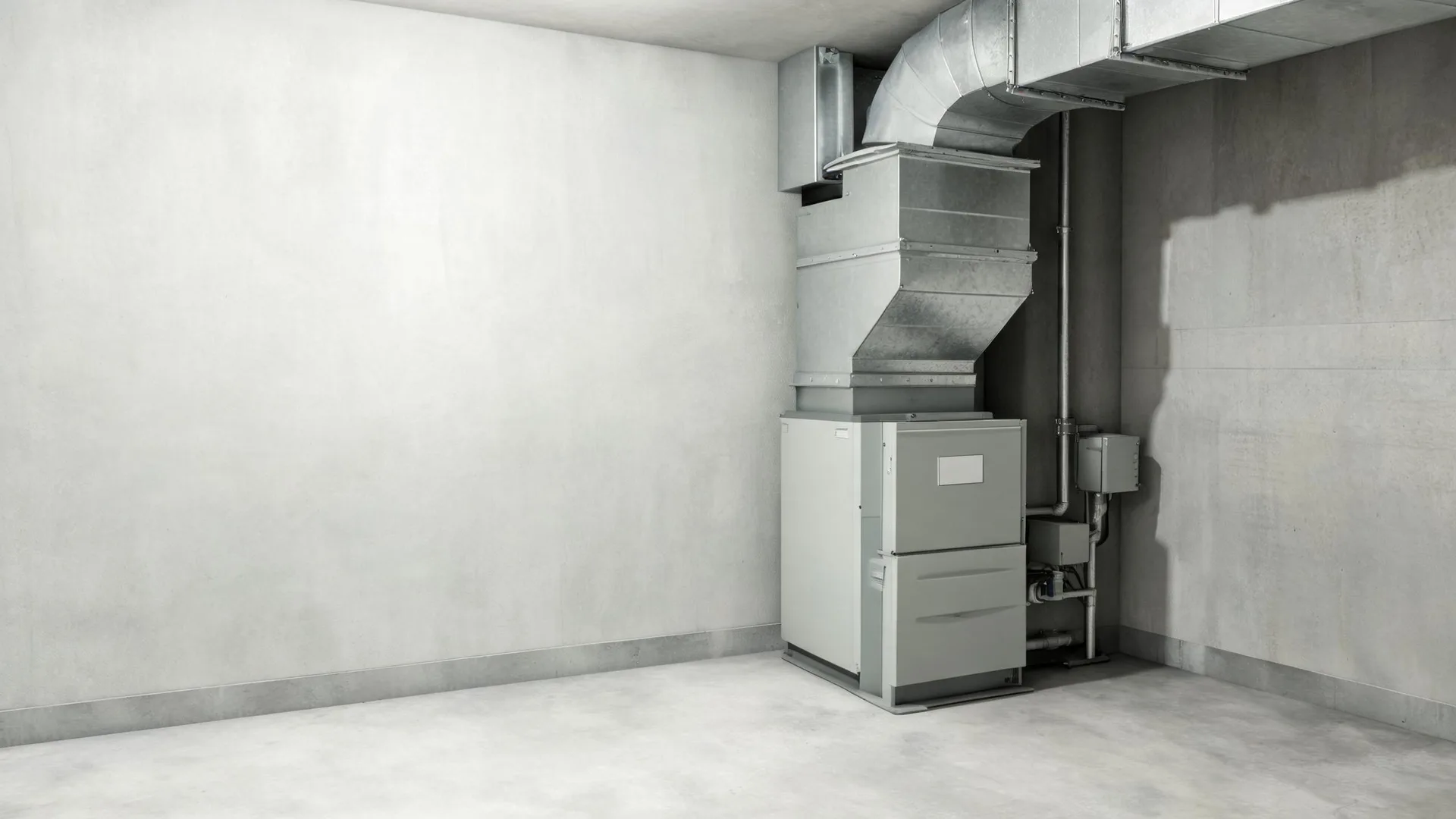
An empty unfinished basement containing a forced-air furnace with overhead ductwork, exposed ceiling joists, and a single hanging light bulb.

A high-efficiency gas furnace would save about $70 a year to run in Prowers County compared with a gas furnace.

  • A high-efficiency gas furnace$330 a year
  • A gas furnace$400 a year

Estimates for a typical Prowers County home, from EIA household energy data, Colorado fuel prices and NOAA climate normals. Your home will differ.

Installation day starts with the old furnace coming out, along with the flue pipe and gas line fittings that don't carry over to the new unit. The new furnace gets set and leveled before anything is connected. An unlevel unit can cause condensate to drain wrong or burners to sit at an angle they weren't built for. Gas, venting, and the electrical connection get hooked up next, then the ductwork ties into the plenum. Before anyone calls it done, the furnace gets fired up and checked against the manufacturer's numbers. Gas pressure gets set to spec. Temperature rise gets measured. The blower gets checked for the right airflow. A furnace that lights but was never tested against those numbers can run for years with a problem nobody caught.