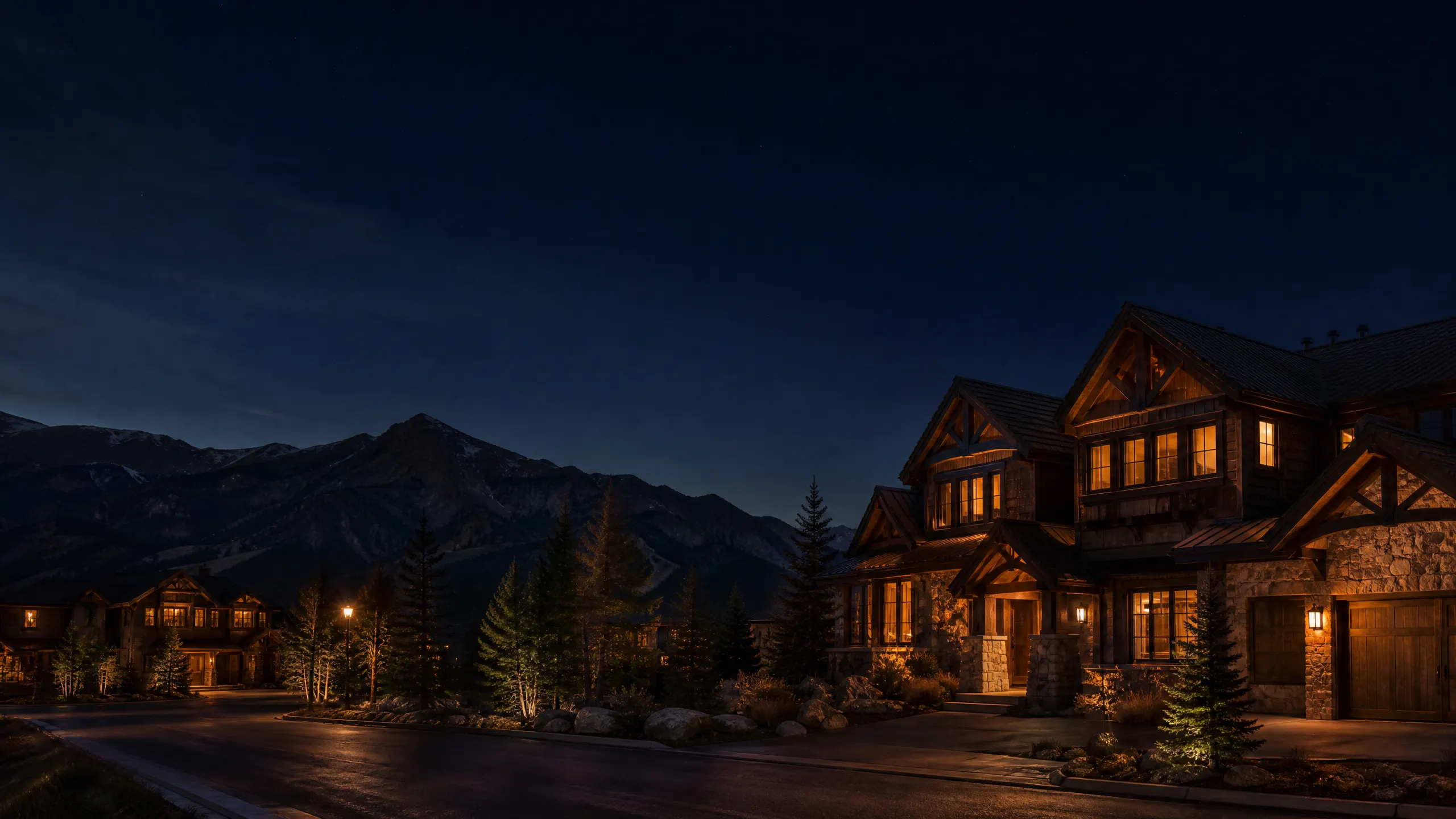



A multi-story timber-frame and stone house glows with warm interior and exterior lighting on a dark residential street, with mountain peaks and pine trees visible in the background.

Furnace Installation in Fairplay, CO

Tell us about the job

Takes about a minute. No obligation.

Step 1 of 3: Equipment

Gas ran $10.09 per million Btu across Colorado homes in 2024. That is the fuel a furnace here burns all winter. A furnace that wastes some of that gas up the flue still costs the same per unit to run, it just needs more units to hit the same temperature. An efficient furnace burns less to do the same job, and in a place where the furnace runs for months at a stretch, that difference shows up on every bill it sends. Getting the size right matters too. A furnace too big for the house cycles on and off more than it should, burning gas without settling in to heat evenly.

9°F
the average winter night it heats against
80% AFUE
the federal minimum any new unit must meet
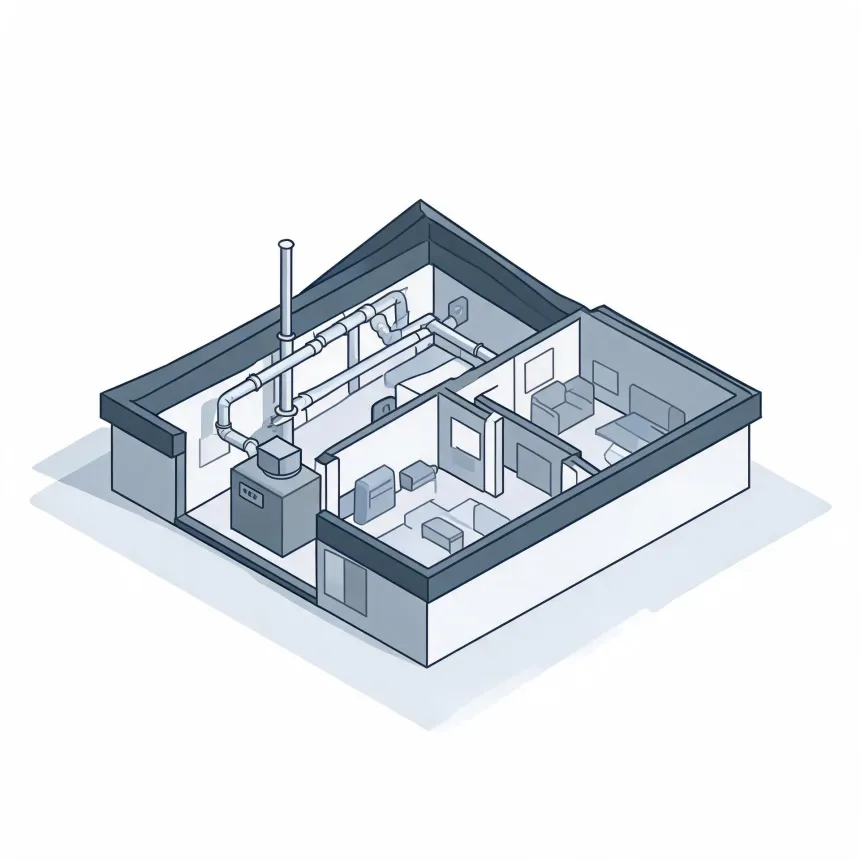
Isometric line illustration of a cutaway building interior showing a furnace unit with a flue pipe and ductwork running along the ceiling, plus adjacent rooms with simplified furniture.
Your furnace works hardest from October through April.

NOAA nClimDiv, 1991–2020 normals

A Park County furnace runs in every month of the year, not just the cold ones.

A system built for occasional use won't hold up to a full-time job.

Gas heats most homes here, and this furnace will run on it too

43.3% of homes heat with gas
Climate zone 7
Winter nights average 9°F
Built for a job that never stopsFurnaces here run every month of the year, not just the cold ones.

Park County falls in climate zone 7, the coldest tier in the energy code, because heat runs here nearly every month. That puts a floor under what can go into this house. Furnaces built since November 2015 have to turn at least 80 percent of the gas they burn into heat over the season, and that's the minimum here, not a feature to look for. Standards tighten further for furnaces built on or after December 18, 2028, up to 95 percent. A federal tax credit is available for qualifying high-efficiency equipment, worth checking before you settle on a model.

Get the sizing and efficiency right before it's burning gas all winter

Picking the right size and efficiency now is what keeps that $10.09 per unit from turning into more units than it needs to be. That decision gets made at installation, not after.

Find a contractor
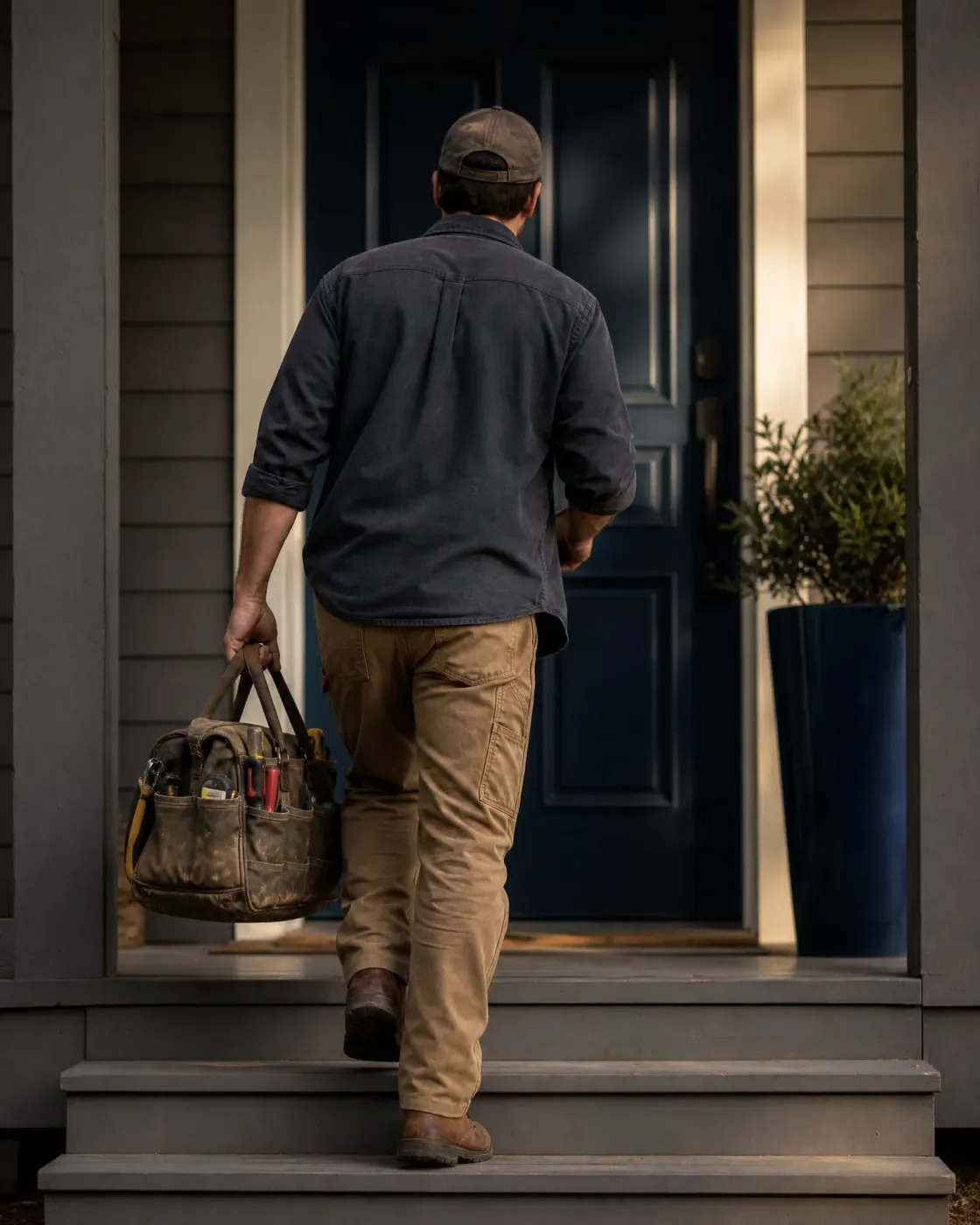
A man in a cap, dark shirt and tan work pants carries a worn canvas tool bag up porch steps toward a dark blue front door, with a potted shrub beside the entry.
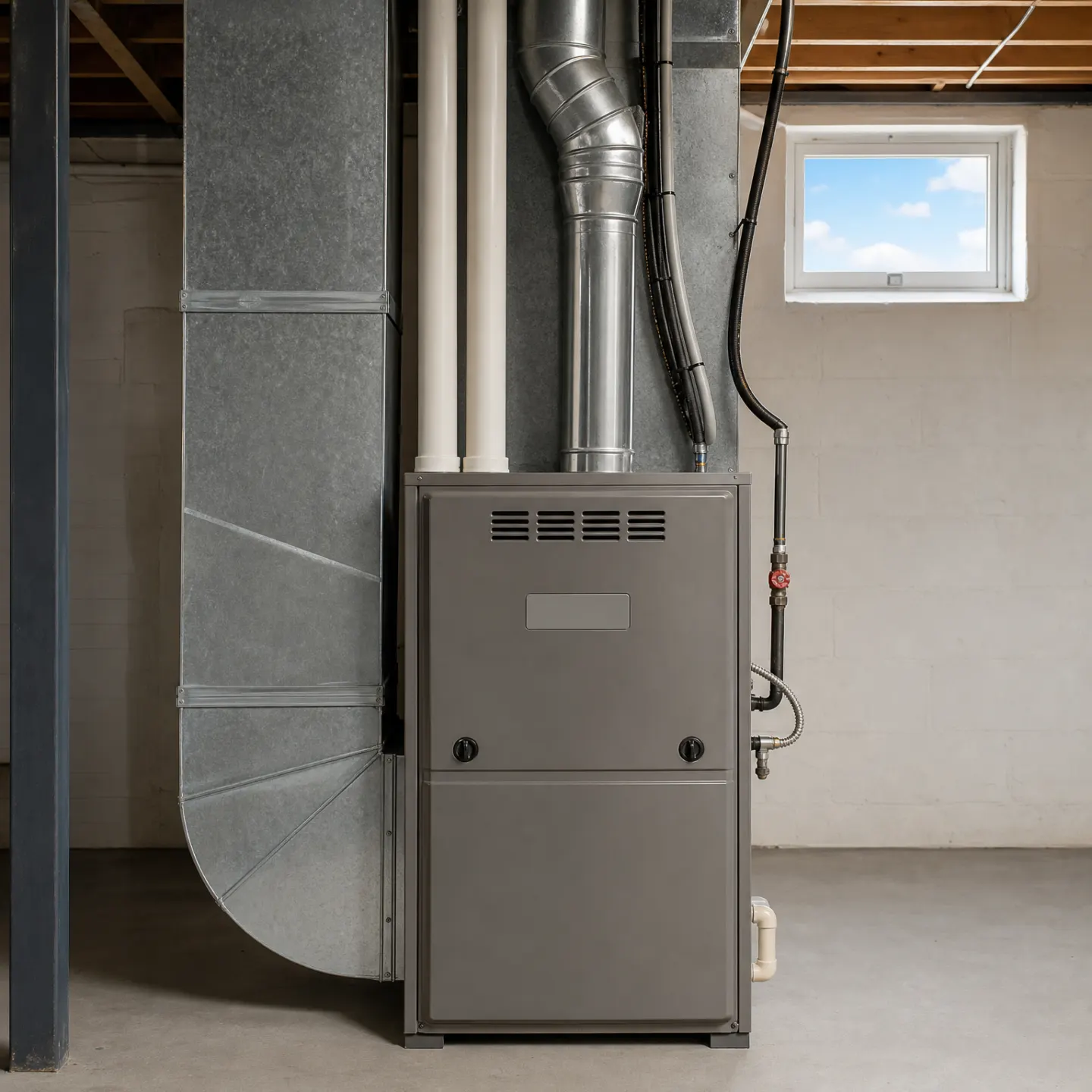
A gray residential gas furnace installed in an unfinished basement, surrounded by ductwork, a metal flue pipe, and a gas supply line.

What to ask before you sign off on a model

Ask what AFUE rating each model carries, and ask it of every one on the list, not just the one being pushed. Ask about the heat exchanger too. That's the part that cracks first when a furnace short cycles or runs harder than it was built for, and some are made of heavier material than others. Ask what the warranty covers on it specifically, separate from the rest of the unit. If a contractor recommends a two-stage or modulating furnace, ask what that buys over a single-stage model. The short version is steadier heat and less cycling, but make them explain it in terms of your house, not just the brochure. And ask about the blower motor. A variable-speed motor draws less power at partial speeds and tends to last longer than one that only runs full blast or off.

The furnace isn't the whole cost

Ductwork, venting, the gas line, and the thermostat hookup all factor into what an installation takes. A furnace swapped into existing ducts that are sized right is a different job than one going into a house that needs rework to move enough air. The unit itself is only one line on the job.

Matching the house is the hard part

Two furnaces with the same rating on the box can be priced differently once a contractor accounts for venting type, clearances, and how the new unit ties into what's already there. Getting a quote on the model alone, without someone looking at the installation itself, leaves out most of what decides the final number.

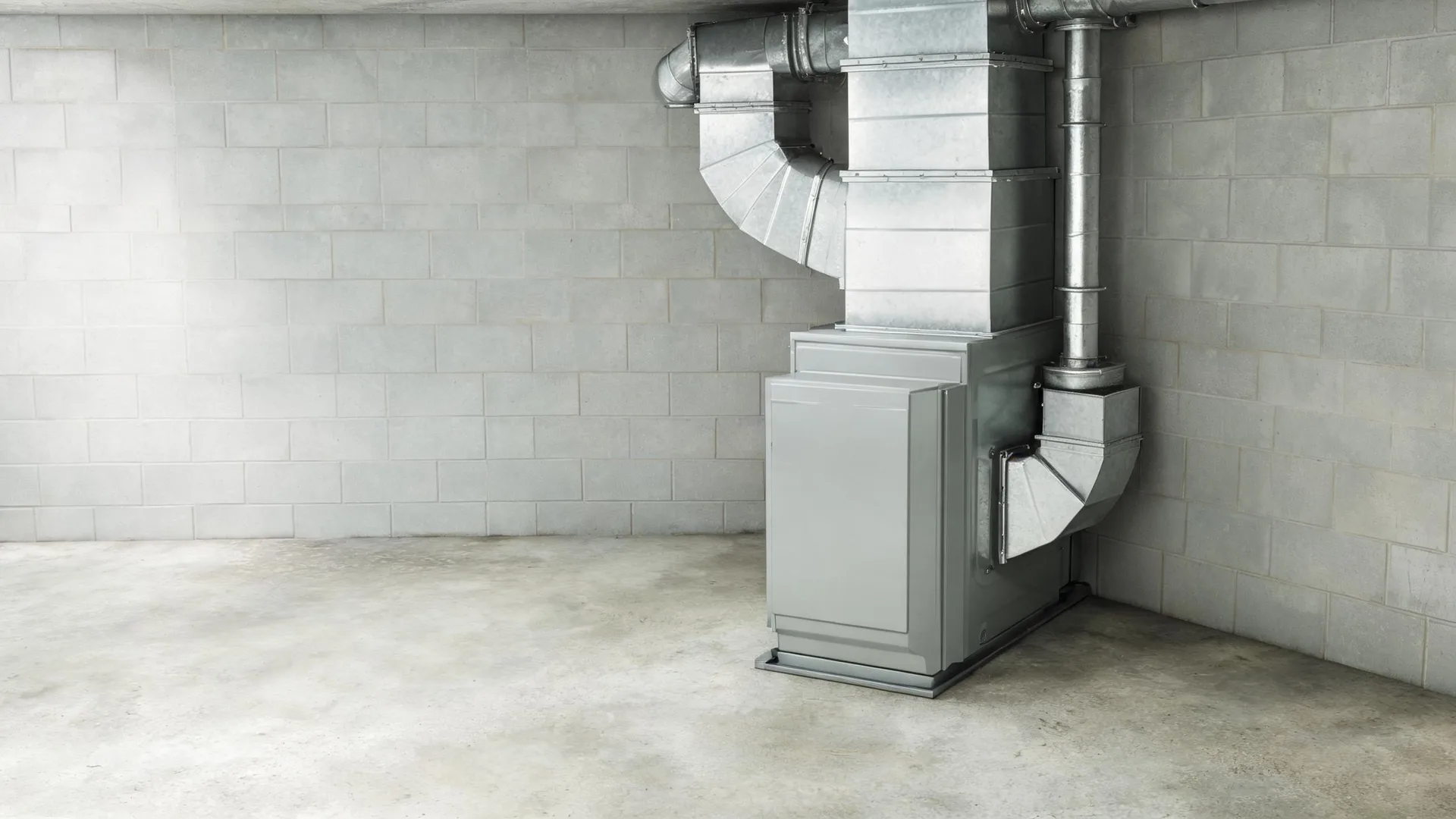
An unfinished basement interior featuring a large metal furnace unit, exposed ceiling joists, concrete walls, and scattered boxes and cables on the floor.

A high-efficiency gas furnace would save about $130 a year to run in Park County compared with a gas furnace.

  • A high-efficiency gas furnace$610 a year
  • A gas furnace$740 a year

Estimates for a typical Park County home, from EIA household energy data, Colorado fuel prices and NOAA climate normals. Your home will differ.

Installation day starts before the old furnace comes out. The contractor should already know the duct layout, the vent type, and where the gas line ties in, because that was looked at beforehand, not figured out on the spot. Pulling the old unit is quick. What takes the time is setting the new one level, connecting the vent so it pitches correctly, sealing the duct connections so the furnace isn't pulling air through gaps, and running the gas line pressure test before anything gets lit. Once it's hooked up, the contractor checks the flame, checks the temperature rise against what the manufacturer specifies, and confirms the blower is moving the right amount of air for the ductwork it's tied into. A furnace that passes those checks on day one is far less likely to cause trouble down the line.