



Illuminated timber-and-stone luxury homes photographed at twilight with snow-capped mountains visible in the background.

Furnace Installation in Fort Collins, CO

Tell us about the job

Takes about a minute. No obligation.

Step 1 of 3: Equipment

Gas heats close to seven in ten homes in Larimer County. If your current furnace runs on gas, putting in another gas furnace means the gas line, the vent and the gas meter sizing are already there. That keeps the job closer to a straight swap than a conversion. Electric heat is the next most common here, and homes built around a heat pump or electric furnace follow a different path with different equipment needs. Worth knowing which one you're starting from before you get quotes.

10 months
September through June, your furnace is on duty
15°F
the average winter night it heats against
69%
of homes here heat with gas, so most furnaces here burn gas
80% AFUE
the federal minimum any new unit must meet
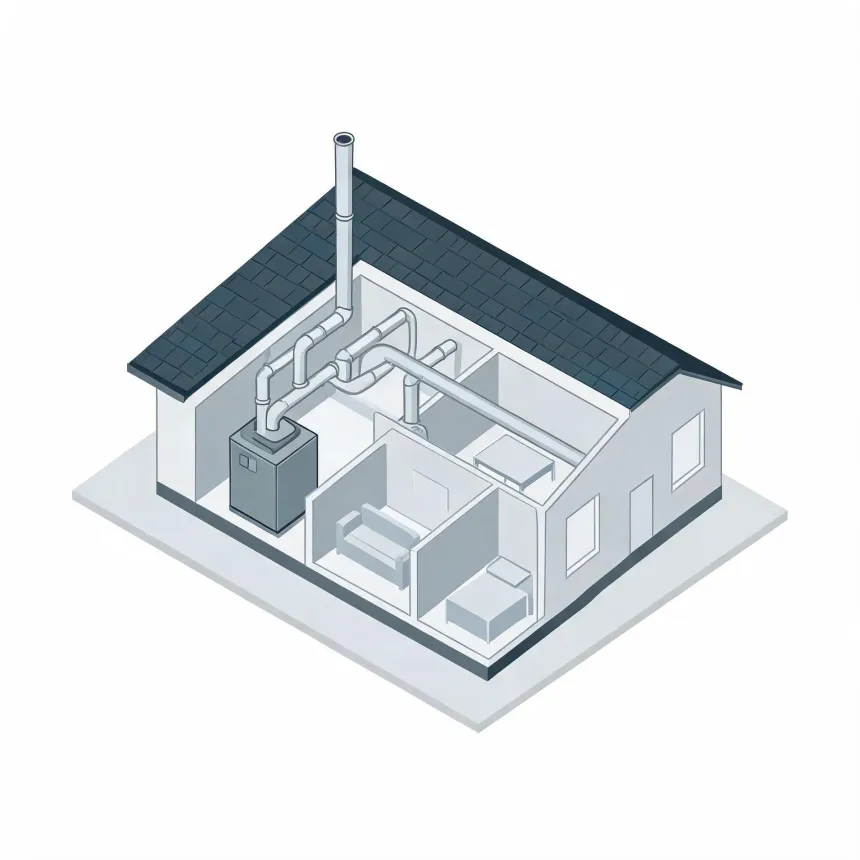
Isometric cutaway illustration of a single-story house showing a gray furnace connected to white ductwork and a flue pipe extending through the shingled roof, with simplified furniture in the interior rooms.
Your furnace works hardest from October through April.

NOAA nClimDiv, 1991–2020 normals

Larimer County logged 359 severe weather events between 2015 and 2024, most of them hail and wind.

None of that changes what furnace to put in. A standard size and efficiency rating heats a Fort Collins home just fine.

Ten months of heat, down to 15 below zero, through 97 winter storms

Heat runs September through June
Winter nights average 15°F
97 winter storms from 2015 to 2024
A standard furnace is right for this houseGas here runs $10.09 per million Btu, same as the rest of Colorado.

Furnace here runs September through June, about ten months of the year. That leaves August as the one real gap, and it's the month to get a new furnace in. Wait until the first cold snap and you're choosing from whatever's in stock, on whatever day a crew can get to you. Install in August and you're picking the unit that fits your house, not the one left on the shelf. The furnace going in now is the one that has to carry you through winter, so the week it goes in shouldn't be a scramble.

Go with the standard fit

A standard size and efficiency fit fine here. There's no local reason to go bigger or pricier.

Find a contractor
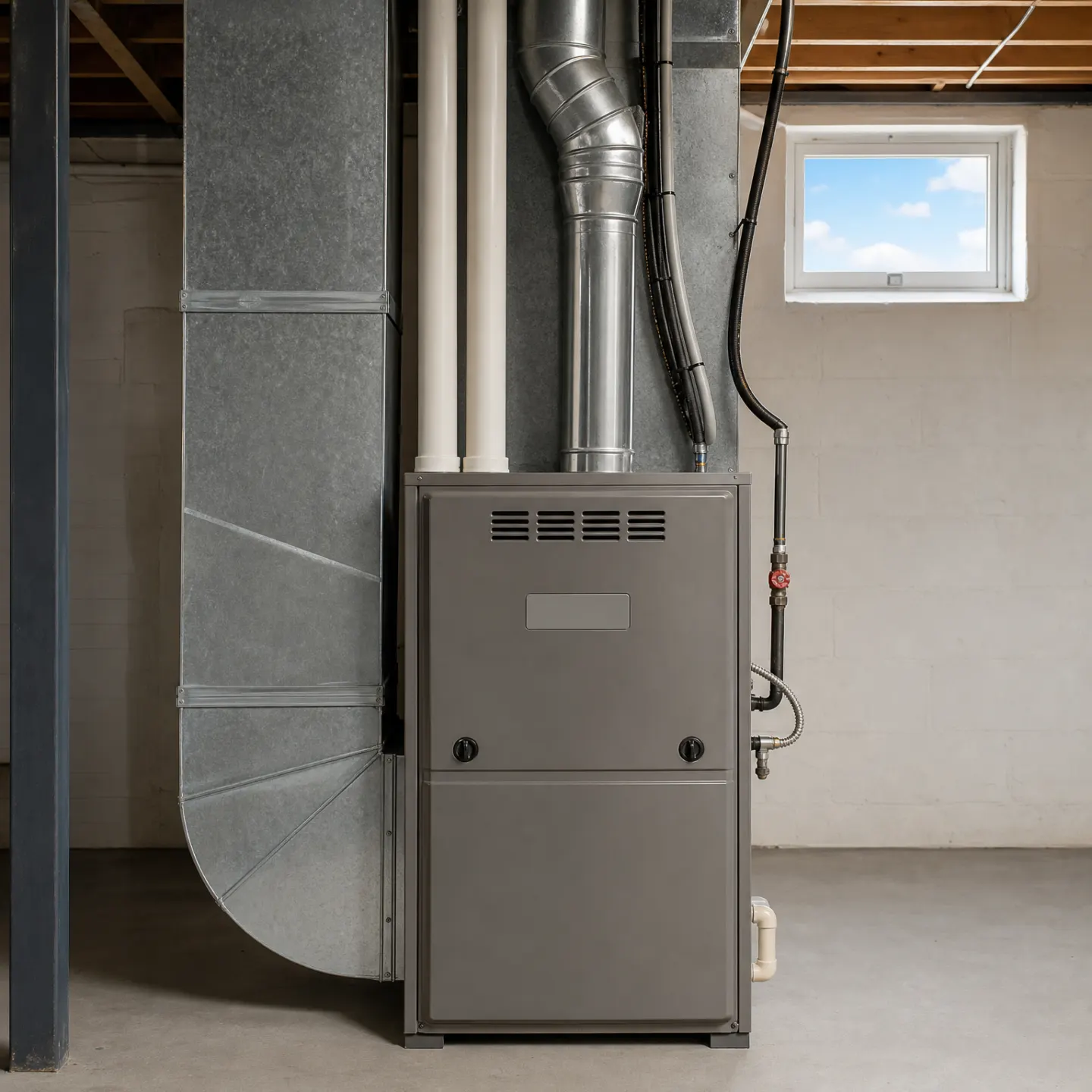
A gray residential gas furnace installed in an unfinished basement, surrounded by ductwork, a metal flue pipe, and a gas supply line.

Compare what's included, not just the equipment

Ask what each quote actually includes before you compare numbers. A furnace sitting next to a furnace tells you nothing if one bid includes a new vent and the other doesn't, or one carries a parts and labor warranty and the other covers parts only. Ask what happens to the ductwork, whether it gets sealed to the new unit or just reconnected as is. Ask who pulls the permit and who's there for the inspection, since that's what confirms the gas line and venting were done right. And ask what the warranty actually requires, because some only hold up if the unit gets serviced on schedule by someone licensed to do it. The furnace matters less than what's attached to the number on the page.

The furnace is one piece of the bill

The unit itself is only part of what's being paid for. Ductwork modifications, venting materials, a condensate line on a higher efficiency model, and the gas line hookup all add labor and material on top of the furnace's own price. Homes getting the same furnace installed can end up with different bills because of what each connection required.

Efficiency rating changes what the install needs

A higher efficiency furnace pulls combustion gas through differently than a standard one, and that usually means PVC venting run to the outside instead of tying into an existing metal flue. That means more pipe, more fittings, and sometimes a new path cut through a wall or roof. The furnace with the higher rating costs more to buy and more to put in, not just more on the sticker.

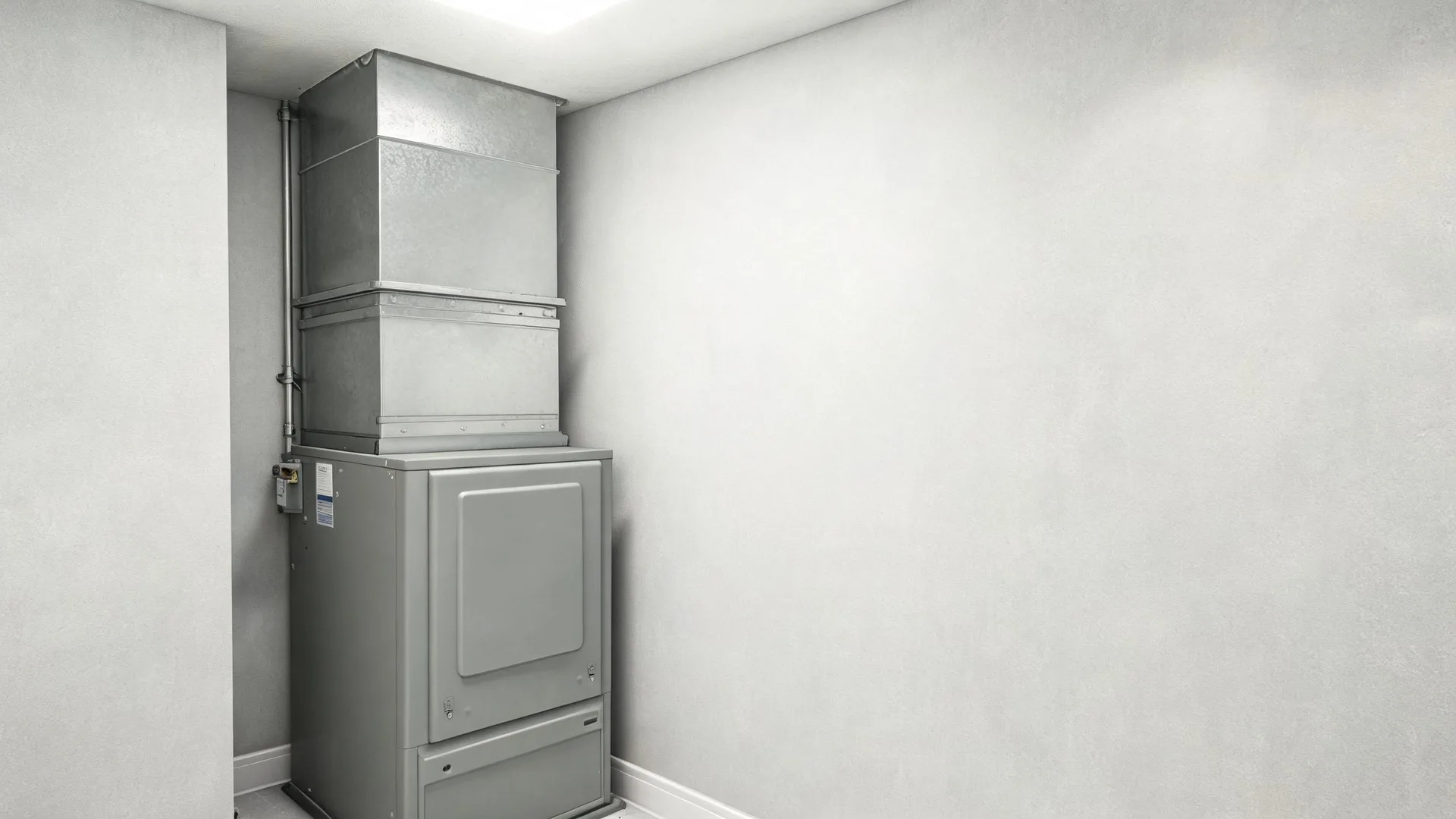
An unfinished basement containing a forced-air furnace with metal ductwork, exposed wooden ceiling joists, a hanging Edison bulb, and bare concrete floors.

A high-efficiency gas furnace would save about $110 a year to run in Larimer County compared with a gas furnace.

  • A high-efficiency gas furnace$520 a year
  • A gas furnace$630 a year

Estimates for a typical Larimer County home, from EIA household energy data, Colorado fuel prices and NOAA climate normals. Your home will differ.

Installation day starts with the old furnace coming out, and that part goes fast. Disconnecting the gas line, the vent and the ductwork takes an hour or so, not the bulk of the day. Most of the time goes into fitting the new unit to connections built for the old one. Ductwork gets sealed to the new plenum, the vent gets tied in and checked for the right pitch, and the gas line gets pressure tested before anything runs. Once it's hooked up, a tech runs it through a full cycle, checking the flame, the temperature rise across the heat exchanger, and the airflow at the registers. That last check matters as much as anything done earlier. A furnace can be installed correctly and still heat the house unevenly if the airflow isn't balanced room to room before the crew leaves.