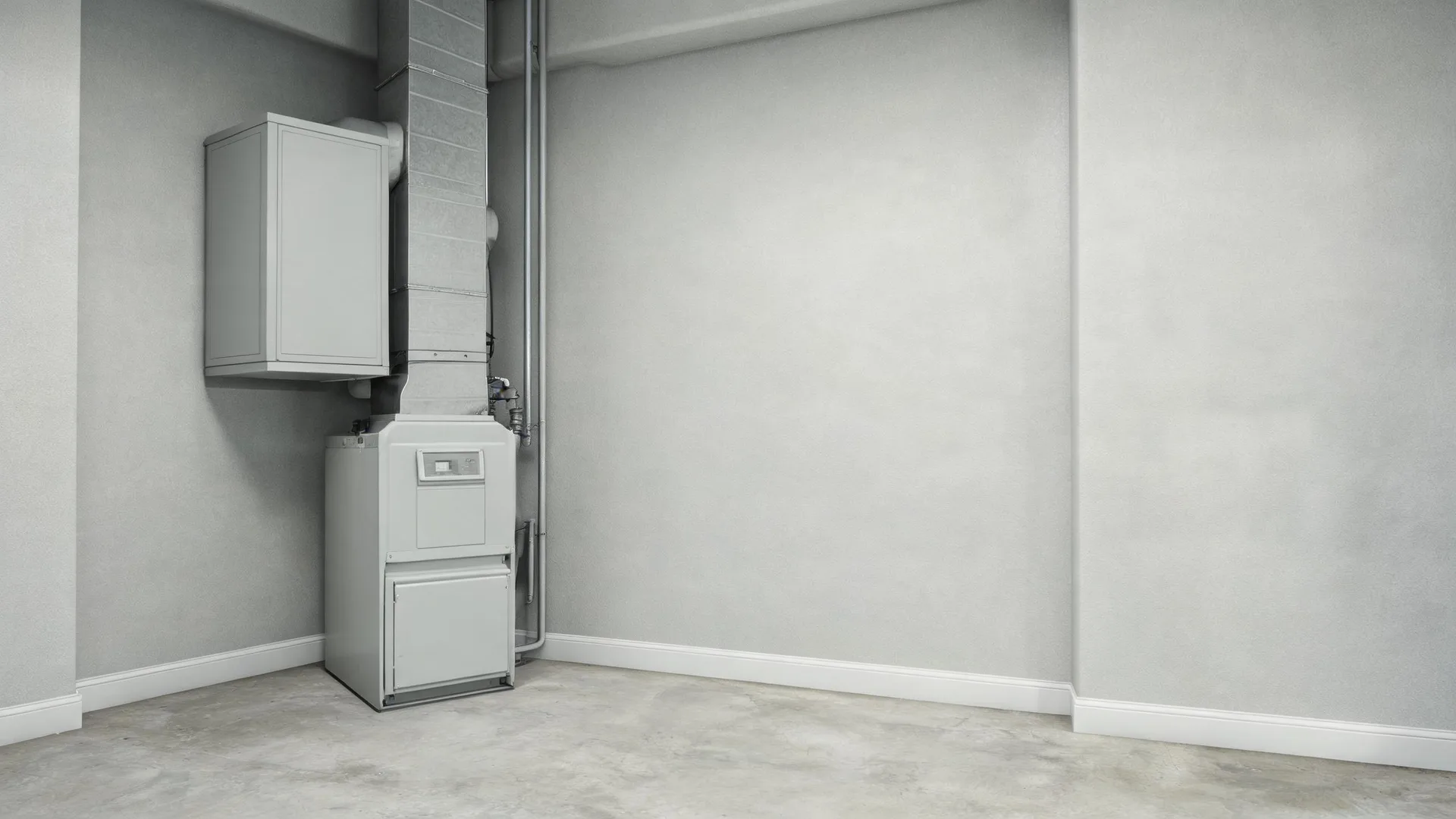
A bare concrete basement containing a gray gas furnace with metal ductwork and a vertical flue pipe, lit by a single hanging bulb.

Furnace Installation in Yuma, CO

Tell us about the job

Takes about a minute. No obligation.

Step 1 of 3: Equipment

Severe weather is frequent here

Yuma County recorded 560 severe weather events between 2015 and 2024, including 331 hail events, 172 damaging wind events, and 30 tornadoes. Across Colorado, 13% of households went at least 24 hours without power in 2024.
A furnace install has to account for that

A new furnace and whatever sits outside with it will be running in a county that sees this much wind, hail and winter storms. Power cuts of a day or more happen to Colorado households often enough that a furnace install is a reasonable time to think about how heat holds up when the power doesn't.

8 months
October through May, your furnace is on duty
18°F
the average winter night it heats against
57%
of homes here heat with gas, so most furnaces here burn gas
80% AFUE
the federal minimum any new unit must meet
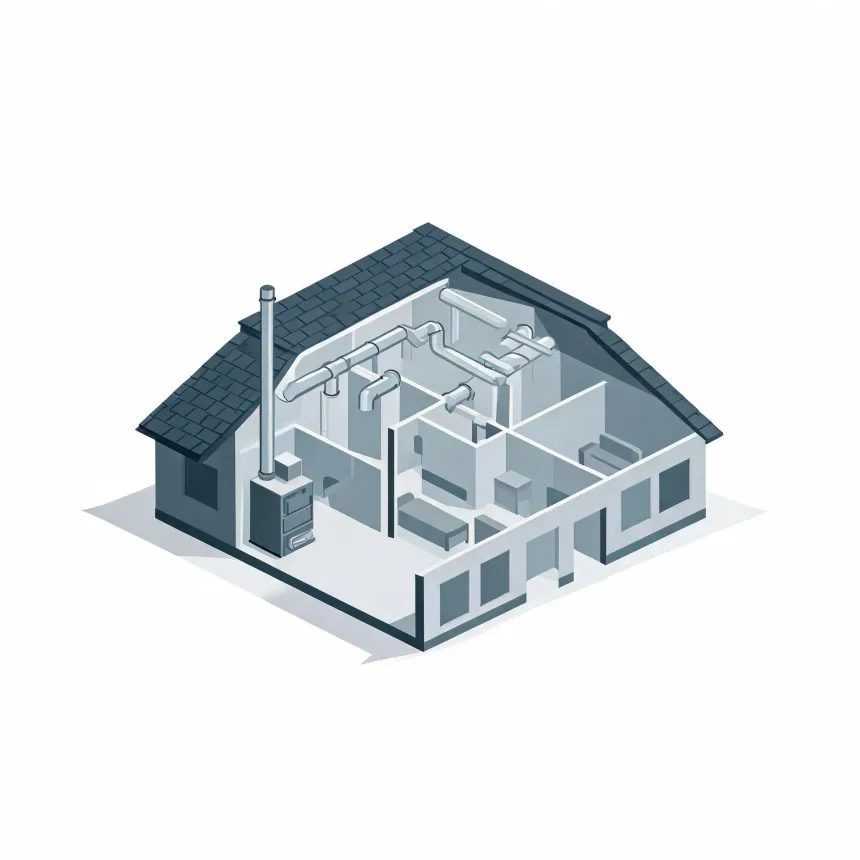
Isometric grayscale illustration of a cutaway house showing interior rooms, ceiling ductwork, a flue pipe, and a furnace unit on the left side.
Your furnace works hardest from November through March.

NOAA nClimDiv, 1991–2020 normals

Half the homes in Yuma County were built in 1968 or earlier.

A furnace going into a house that old has to match ductwork and a gas line that were sized decades ago, not a modern build.

Gas heats most homes here, and a new furnace should too

57.2% of homes heat with gas
Climate zone 5B
Heat runs October through May

Furnaces go in before they're needed, not during the first cold snap. Heat starts running in October here, which makes September the month to get this done. Wait until the overnight lows are averaging 18 degrees and a failed install means space heaters and a cold house while you wait on a crew. Homes here run heat for about eight months, October through May, so there's a short window each year when a furnace can come out and go in without anyone being cold in the meantime. September is that window.

Plan the install around what this county throws at it

A furnace install is also when the outdoor side of the system gets placed, so think about where that goes. Keep it clear of fence lines and anything that could come loose in wind, and ask about a cover or guard for hail. Since heat here runs on gas, a furnace will still fire in a power cut if the thermostat and blower have power, so it's worth asking what backup options exist for a county where a day without power isn't rare.

Find a contractor
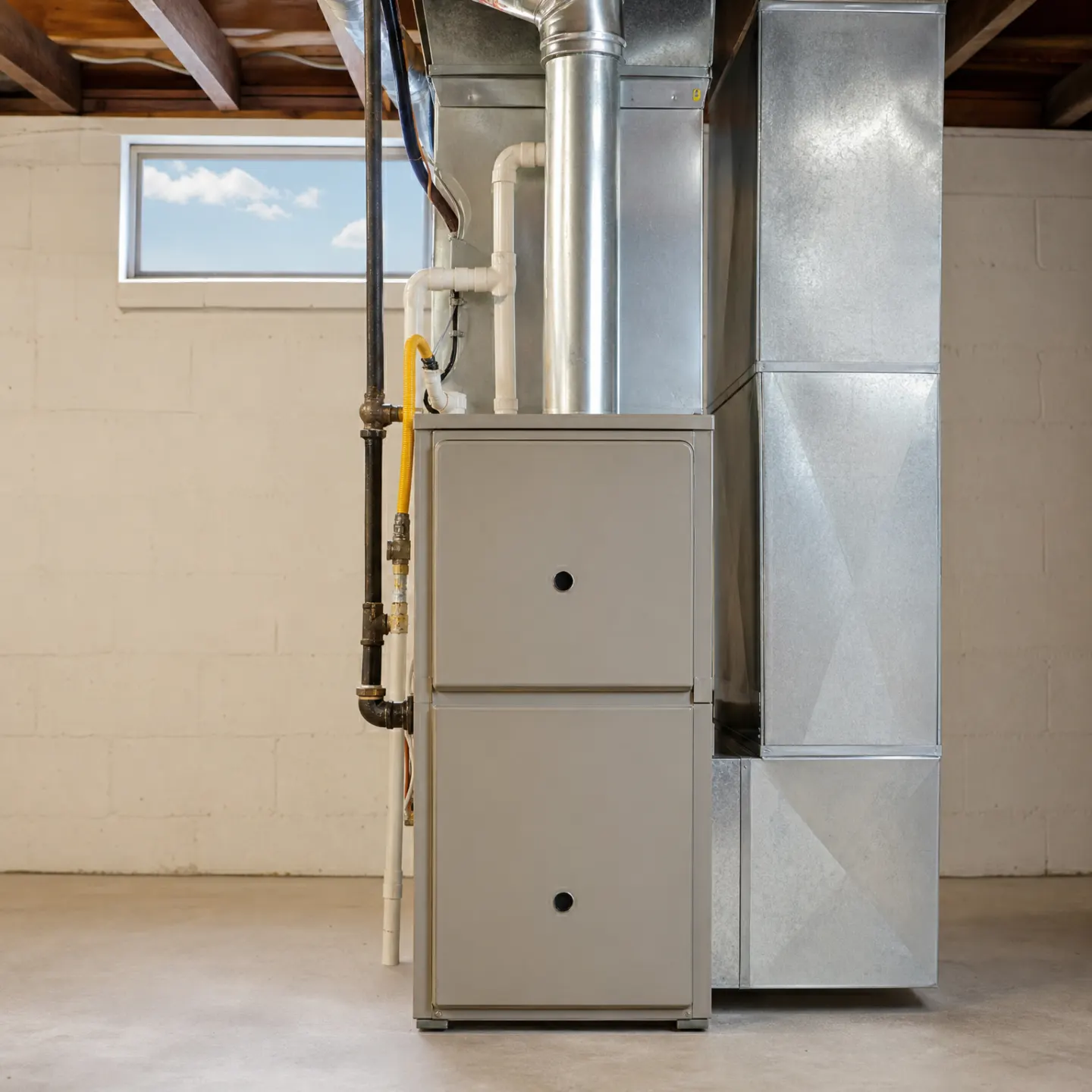
A gas furnace with attached ductwork, gas piping, and condensate lines installed in a concrete-block basement.

Eight months of heat, every year

Eight months of heat a year is a long season for a furnace to carry, and this one runs October through May without much of a break. The furnace going in this fall will be lighting most days for most of the year, every year. Add in what the county sees on top of that. Yuma County had 27 winter storms between 2015 and 2024, heavy snow, ice, blizzards, and a furnace here has to hold up through all of it, not just run on mild days. A unit sized right for the house and installed well will carry that load without the igniter or the blower motor giving out early. One that's oversized, undersized, or put in wrong will show its weak points sooner, and in a county that runs heat this many months, those weak points get found fast.

The old furnace comes out first

A new furnace doesn't get set next to the old one. The gas line gets shut and disconnected, the vent or flue gets disconnected, and the old unit gets unhooked from the ductwork and carried out before anything new goes in. If it's a closet or basement install, that old furnace usually has to clear the doorway in one piece or get broken down to do it.

What's left behind matters as much as what's new

Once the old furnace is out, whoever's installing gets a look at the duct connections, the gas line, and the vent it was using, and has to decide what can be reused and what can't. An old vent sized for a lower-efficiency furnace often can't be reused for a newer one, and that changes how the new unit gets vented out of the house.

An unfinished basement featuring a forced-air furnace, exposed wooden ceiling joists, bare concrete walls, and miscellaneous items including cardboard boxes and coiled cables on the floor.

A high-efficiency gas furnace would save about $80 a year to run in Yuma County compared with a gas furnace.

  • A high-efficiency gas furnace$370 a year
  • A gas furnace$450 a year

Estimates for a typical Yuma County home, from EIA household energy data, Colorado fuel prices and NOAA climate normals. Your home will differ.

Once the old furnace is out and the new one is set, the work shifts to connecting it. The gas line gets hooked up and checked for leaks before anything is fired. The vent pipe gets run and sealed, since a loose joint there is a safety problem, not just an efficiency one. The ductwork gets tied back in, and the plenum often gets sealed or rebuilt to fit the new unit's dimensions. The electrical connects the thermostat, the blower, and the control board. Only after all of that is checked does the furnace get fired for the first time, and a tech will run it through a full cycle, watching the flame, checking the temperature rise, and listening for anything that sounds wrong before calling it done.