
Illuminated timber-and-stone mountain cabins along a curved road at twilight, with lit trees and mountain peaks in the background.

Furnace Installation in Salida, CO

Tell us about the job

Takes about a minute. No obligation.

Step 1 of 3: Equipment

Gas is the fuel almost everyone here heats with, and it isn't cheap. Colorado homes paid $10.09 per million Btu for natural gas in 2024. That number matters more in Salida than it would somewhere milder, because a furnace here runs for months at a stretch to keep up with the cold. Two furnaces burning the same amount of gas won't always put out the same heat for it. The one that converts more of that fuel into warmth in the house, instead of losing it up the flue, is the one that costs less to live with once winter sets in.

9°F
the average winter night it heats against
80% AFUE
the federal minimum any new unit must meet
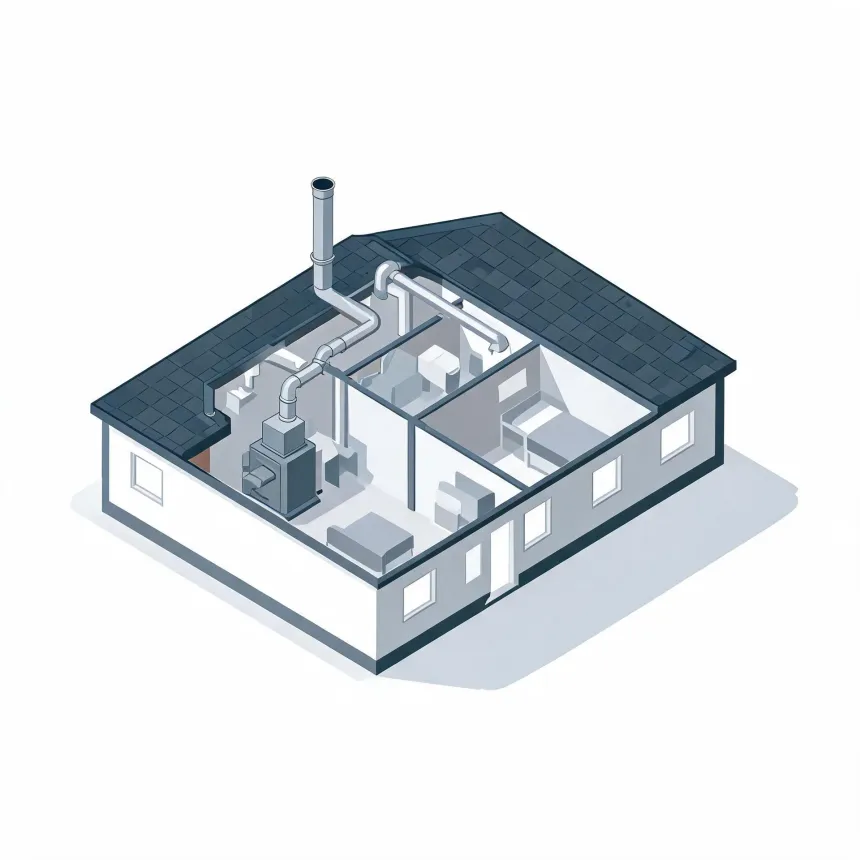
Isometric cutaway illustration of a single-story house with a dark shingled roof, showing interior rooms with furniture and a furnace connected to ductwork and a flue pipe extending above the roof.
Your furnace works hardest from October through April.

NOAA nClimDiv, 1991–2020 normals

A furnace in Chaffee County runs in every month of the year.

A system built for occasional use won't hold up to a job that never lets up.

Nearly half the homes in Chaffee County already run on gas, which makes replacing this furnace with another gas furnace the straightforward call

44.8% of homes heat with gas
Winter nights average 9°F
160 winter storms from 2015 to 2024
Built to run all yearWinter storms hit Chaffee County 160 times between 2015 and 2024, and the furnace runs through all of them.

Chaffee County falls under zone 6B in the 2021 energy code, one of the harder climate zones to build for. Any furnace installed here has to meet that standard, not a milder one written for somewhere else. Right now the federal floor is 80 percent, meaning at least 80 cents of every dollar of gas has to become heat in the house rather than going up the flue. That floor rises to 95 percent for furnaces built on or after December 18, 2028. A homeowner installing today can still choose a unit well above today's minimum, and in a place where the furnace runs all year, that choice is worth more here than it would be somewhere it barely runs at all.

The efficiency rating matters as much as the price

A furnace that wastes less gas earns that back every month it runs, and here that's most of them. When you're comparing units, the efficiency rating on the label is worth as much as the price tag.

Find a contractor
A man in a dark shirt, tan pants and cap walks up porch steps toward a navy blue front door, carrying a canvas tool bag filled with hand tools, beside a potted shrub in a blue planter.
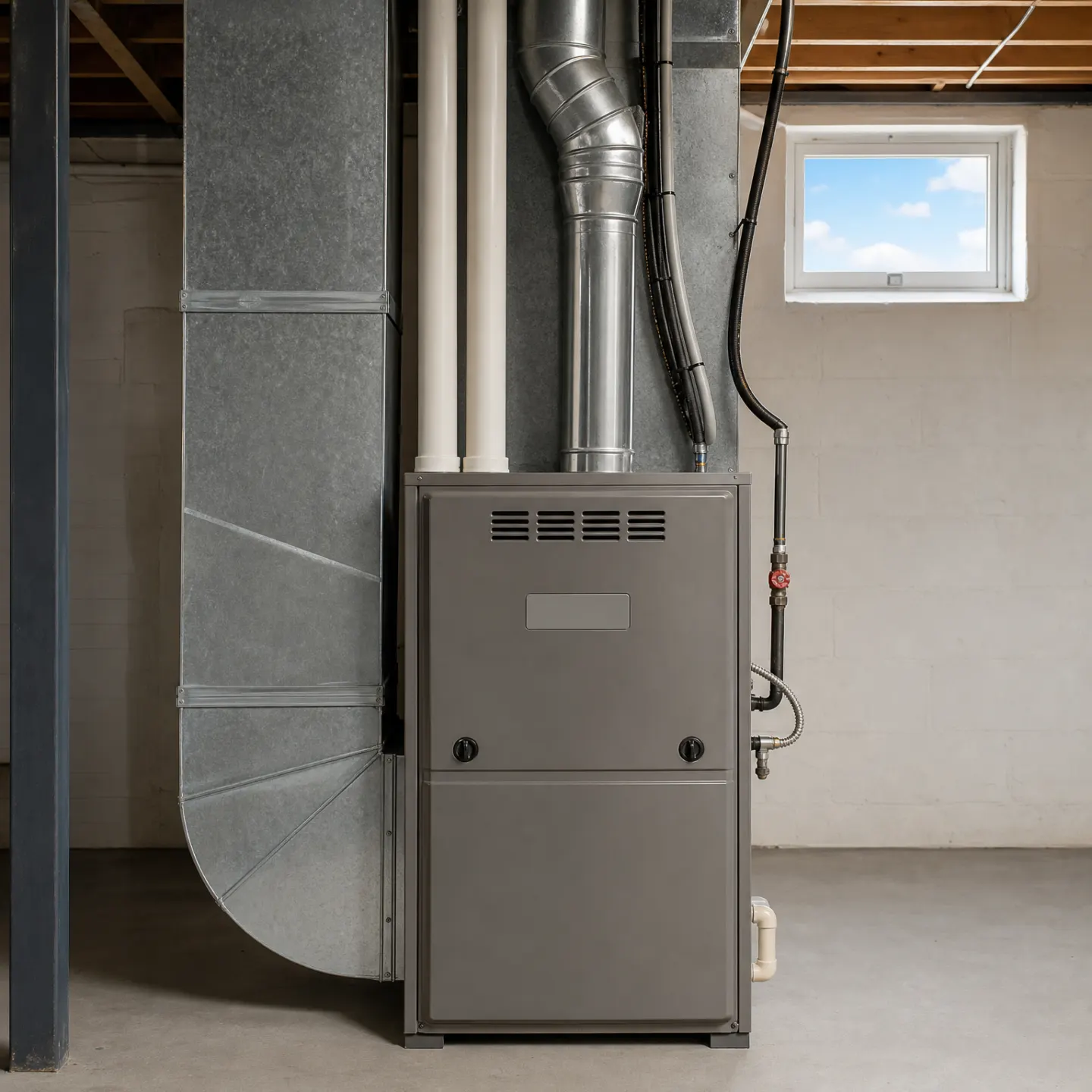
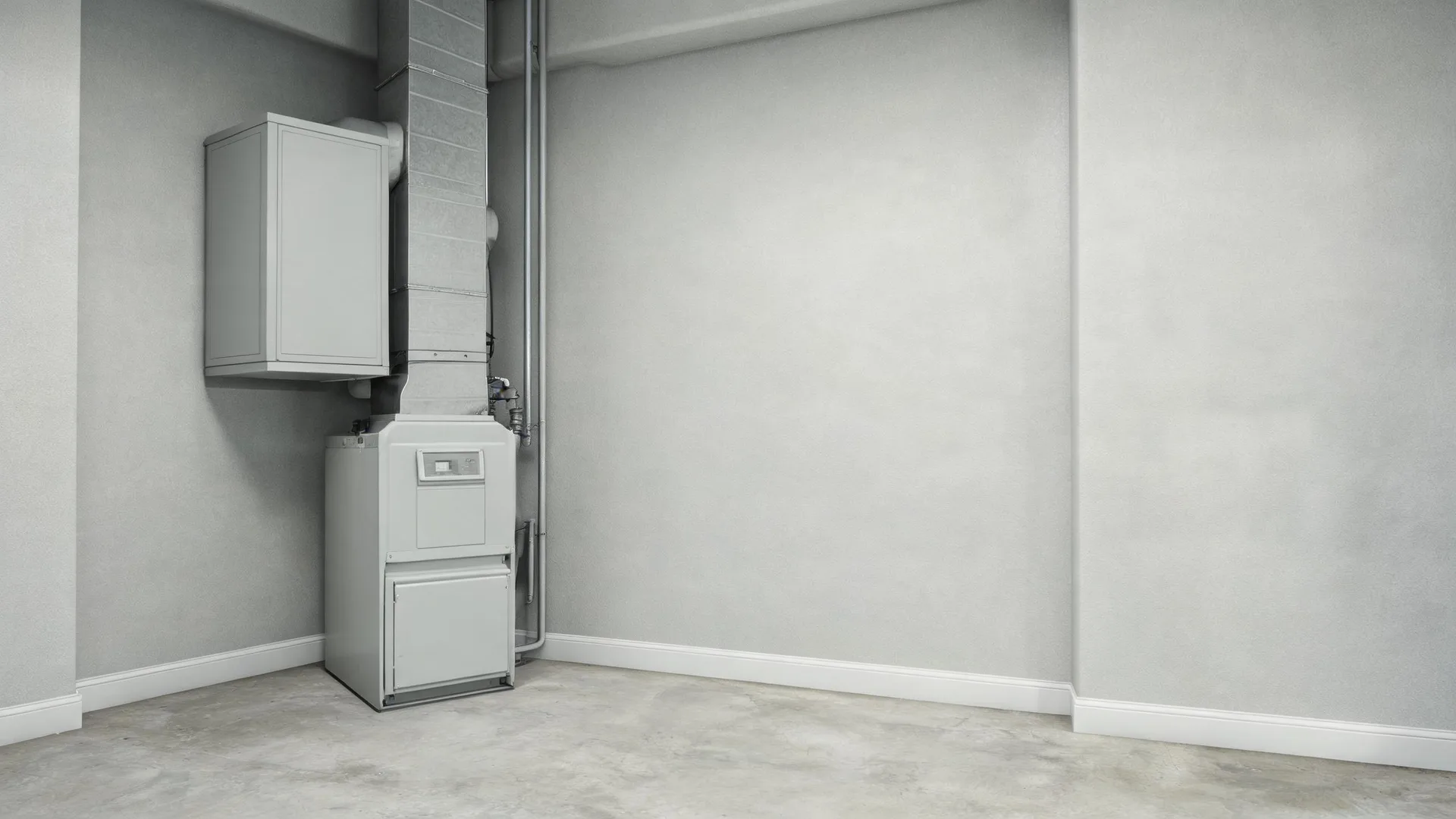
A gray residential gas furnace installed in an unfinished basement, surrounded by ductwork, a metal flue pipe, and a gas supply line.

Sized for the house, not guessed at

Sizing a furnace comes down to matching its output to how fast the house loses heat, nothing more and nothing less. A contractor works that out room by room, adding up the walls, the windows, the ceiling, and where the house leaks air, rather than guessing from square footage or copying whatever the last unit was. Too big and the furnace fires, dumps a blast of heat, and shuts off before it's run long enough to warm things evenly. That short-cycling wears on the ignition system and the blower motor, and it leaves rooms far from the thermostat feeling cold while the one near it reads fine. Too small and the furnace never stops trying, running long hours just to approach the temperature you set, which pushes the same wear onto the parts from the other direction. A correctly sized unit runs in long, steady stretches, heats the house evenly, and spends more of its life in the range it was built to run in. That calculation, not the size of the old furnace or the size of the box, is what the new one should be built around.

The old furnace gets disconnected, not left in place

A gas furnace install starts with shutting off the gas line and disconnecting the venting before anything new goes in. The old heat exchanger, burners and blower come out as a unit in most cases, along with whatever duct transitions or flue connections only worked with that model. None of it gets reused. The new furnace brings its own venting requirements, and trying to marry new equipment to old ductwork or an old flue pipe is how leaks and draft problems start.
The venting usually changes along with it

An old furnace venting through a flue pipe and a newer high-efficiency furnace venting through PVC are not interchangeable. If the replacement has a different efficiency rating than what's coming out, the vent path often has to change too, sometimes to a sidewall termination instead of a chimney. That's part of removing the old system properly, not an extra step. Leaving an old flue in place unused is fine as long as it's capped off, since an open, disconnected vent is a path for outside air and pests to get into the house.

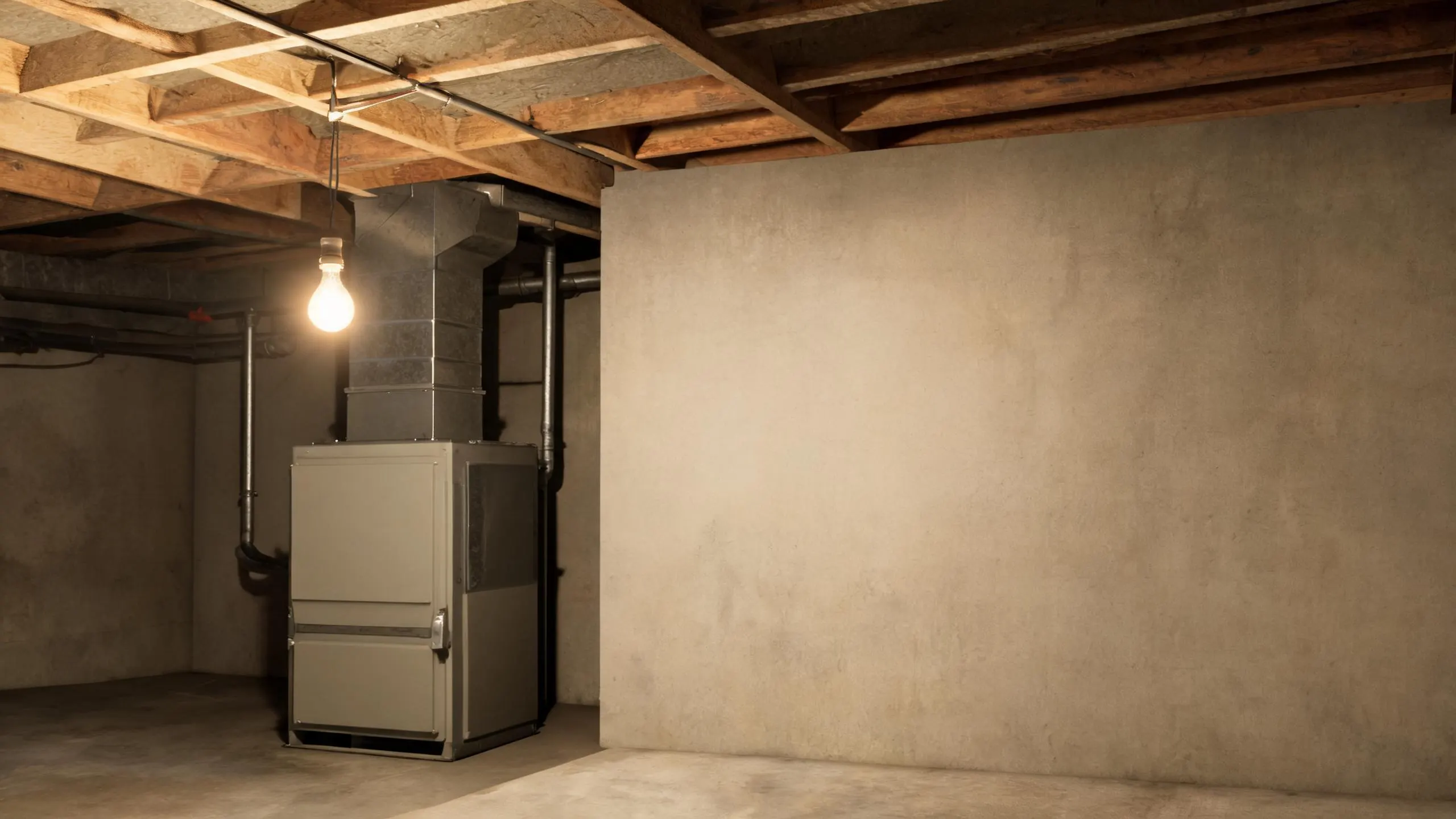
A gray forced-air furnace with metal ductwork stands in an unfinished basement with exposed wooden joists, concrete walls, and a single hanging light bulb.

A high-efficiency gas furnace would save about $130 a year to run in Chaffee County compared with a gas furnace.

  • A high-efficiency gas furnace$620 a year
  • A gas furnace$750 a year

Estimates for a typical Chaffee County home, from EIA household energy data, Colorado fuel prices and NOAA climate normals. Your home will differ.

Install day starts with the gas and power shut off before anyone touches the old unit. Once the furnace and its venting are disconnected, the new furnace goes in on its own pad or stand, and every connection gets rebuilt from there: gas line, venting, ductwork, and the electrical for the blower and control board. The duct transitions get sealed where they meet the new cabinet, since a gap there pulls heated air into the attic or basement instead of the house. The gas line gets pressure tested before the burners ever fire, and the venting gets checked for proper slope and clearance so exhaust actually leaves the house instead of backing up. Only after all of that does the furnace get fired and run through a full cycle, checking the flame, the temperature rise, and the airflow against what that model is built to do. A furnace that's installed correctly gets tested while the installer is still there, not after they've left.