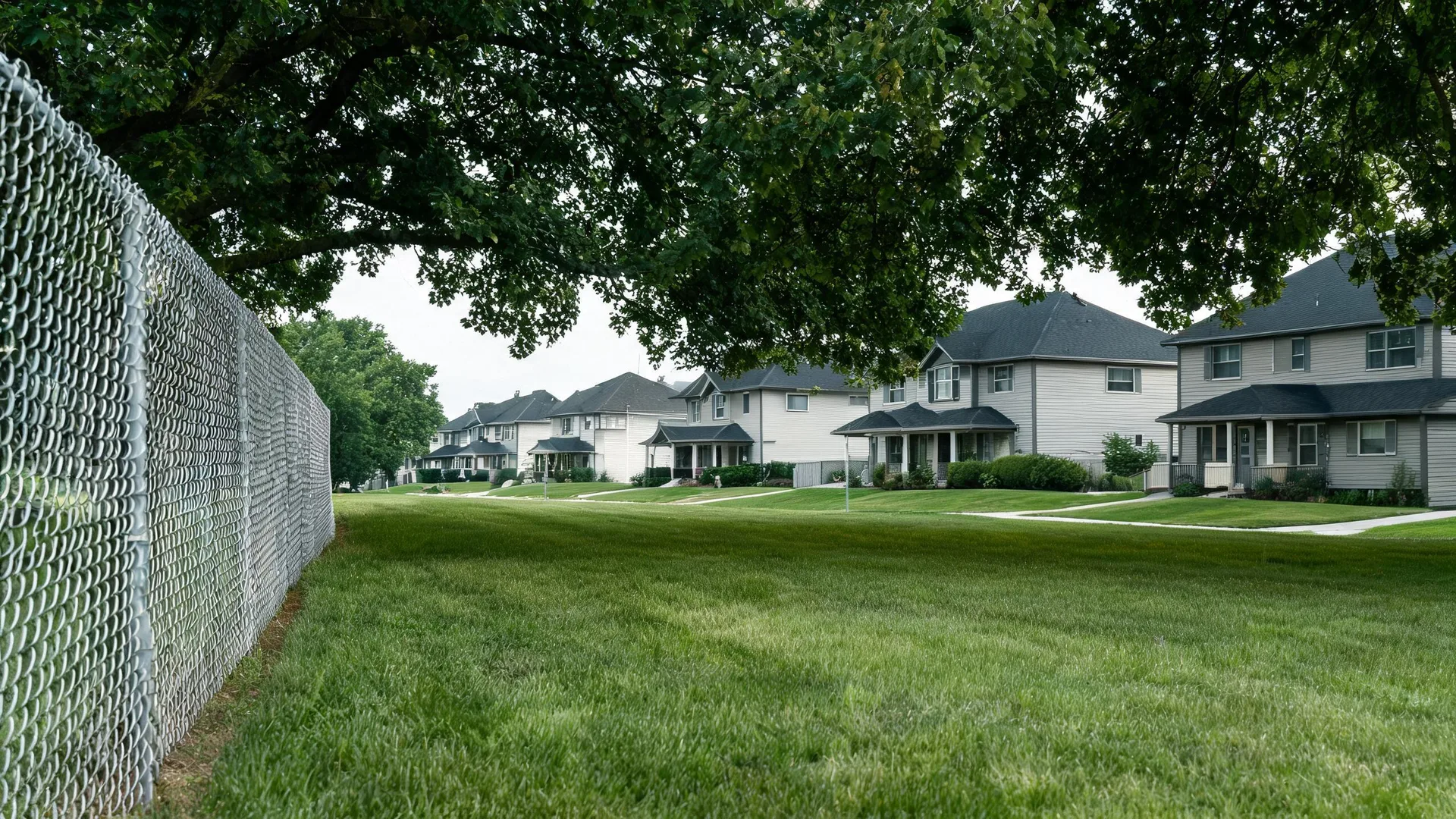



A chain-link fence runs along the left edge of a wide mown lawn, with a row of two-story light-sided houses with porches and dark roofs beyond, under a large overhanging tree canopy.

Furnace Installation in Fort Morgan, CO

Tell us about the job

Takes about a minute. No obligation.

Step 1 of 3: Equipment

Gas heats just over half the homes in Morgan County, electricity heats about three in ten, and propane makes up most of the rest. If your house already has a gas line run to it, a gas furnace is the straightforward replacement. The contractor sizing your install will still need to account for your square footage and your ductwork, not just the fuel type. But starting with the same fuel the house was built for usually means less rework and fewer surprises during the install.

8 months
October through May, your furnace is on duty
16°F
the average winter night it heats against
52%
of homes here heat with gas, so most furnaces here burn gas
80% AFUE
the federal minimum any new unit must meet
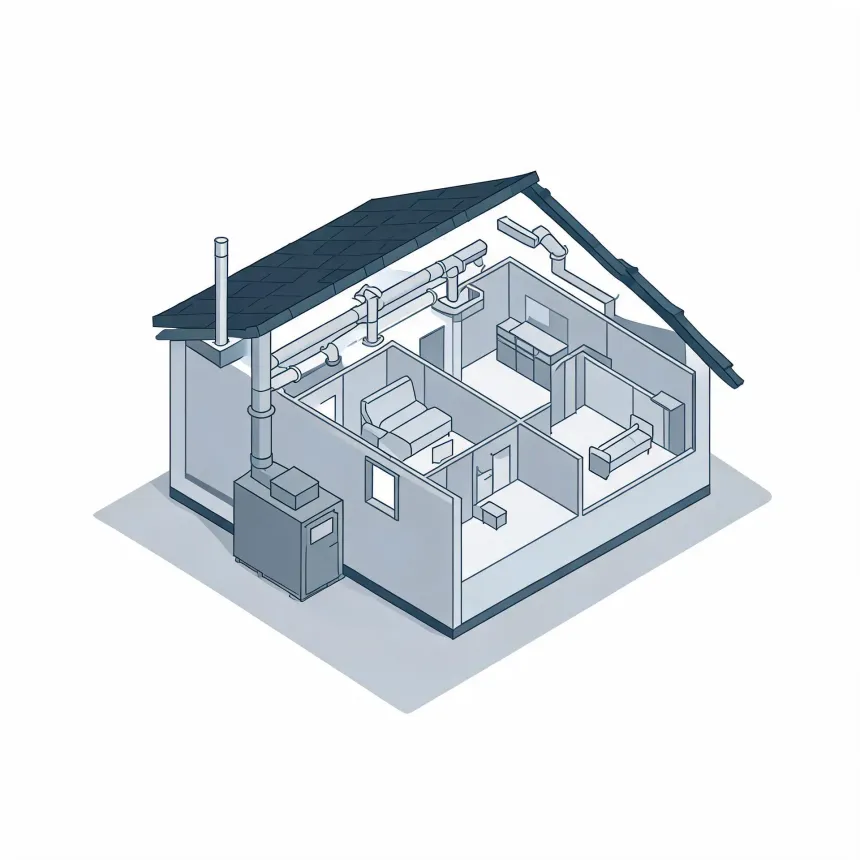
Isometric line illustration of a cutaway single-story house showing interior rooms with furniture, ceiling ductwork, a chimney flue, and a furnace unit outside the exterior wall.
Your furnace works hardest from November through March.

NOAA nClimDiv, 1991–2020 normals

Furnaces in Morgan County start running in October and go through May.

Get yours installed in September and it's ready before the first cold morning, not during one.

Eight months of heat and nights near 16°F mean a Fort Morgan furnace rarely gets a break

Heat runs October through May
Winter nights average 16°F
Climate zone 5B

Natural gas ran Colorado homes $10.09 per million Btu in 2024. That's cheap enough that chasing the highest efficiency rating won't save you much over a mid-range furnace, not with winters this long. A contractor might still point you toward a higher-efficiency model, and that's fine, but the reason should be comfort or venting, not a payback promise. Put the weight on getting the size right and the installation done well. A furnace that's sized to your house and installed correctly will outlast one picked for its efficiency number alone.

A standard furnace, sized right, is what this house needs

Half the homes in Morgan County were built in 1975 or earlier, half later. Neither one calls for anything special. A furnace sized to your square footage and ductwork, installed correctly, is the job here, not a bigger unit or a specialty model.

Find a contractor
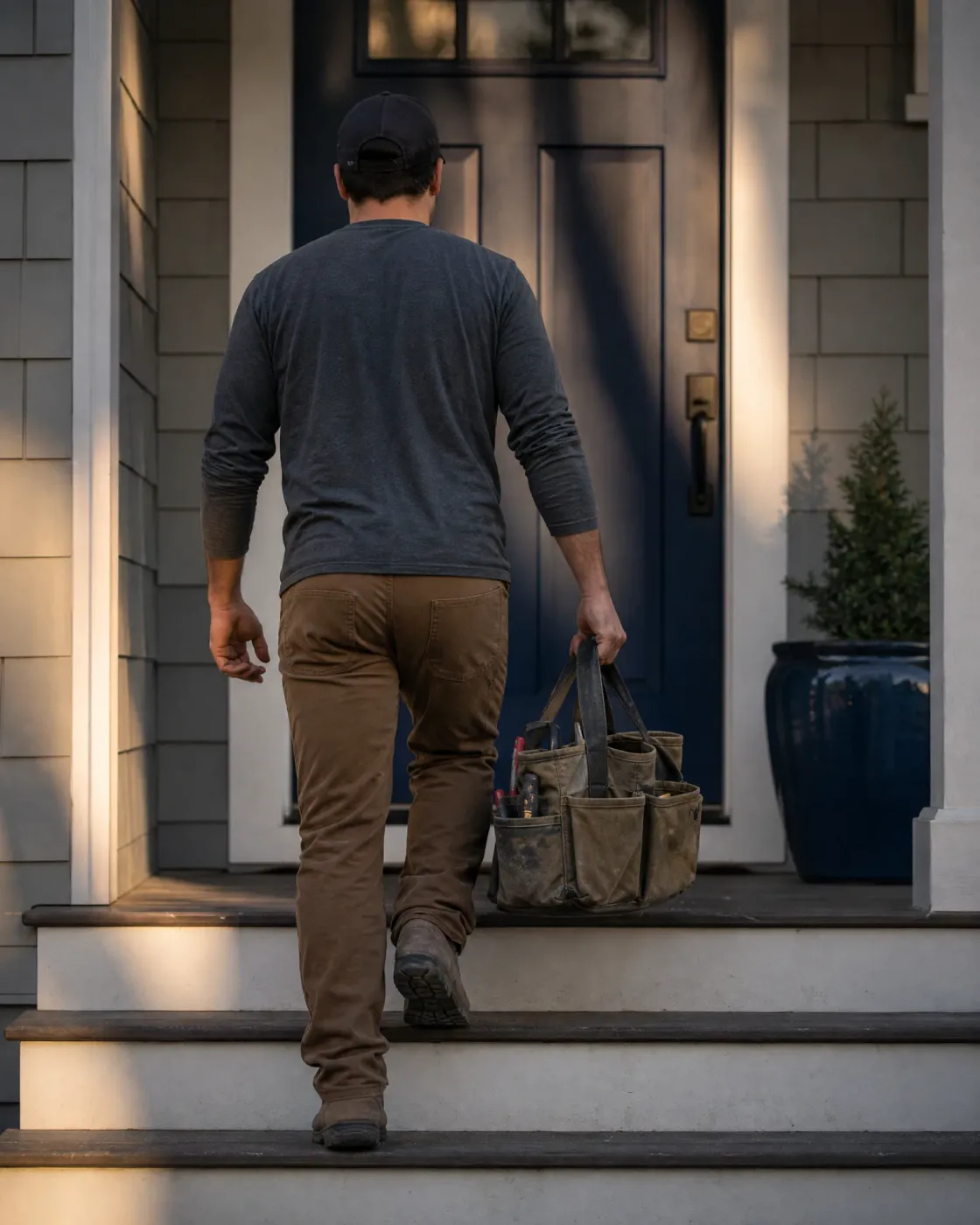
A man in a dark cap, gray long-sleeve shirt and brown work pants climbs porch steps toward a navy front door, carrying a canvas tool tote with tools in its pockets, beside a potted evergreen shrub in a blue planter.
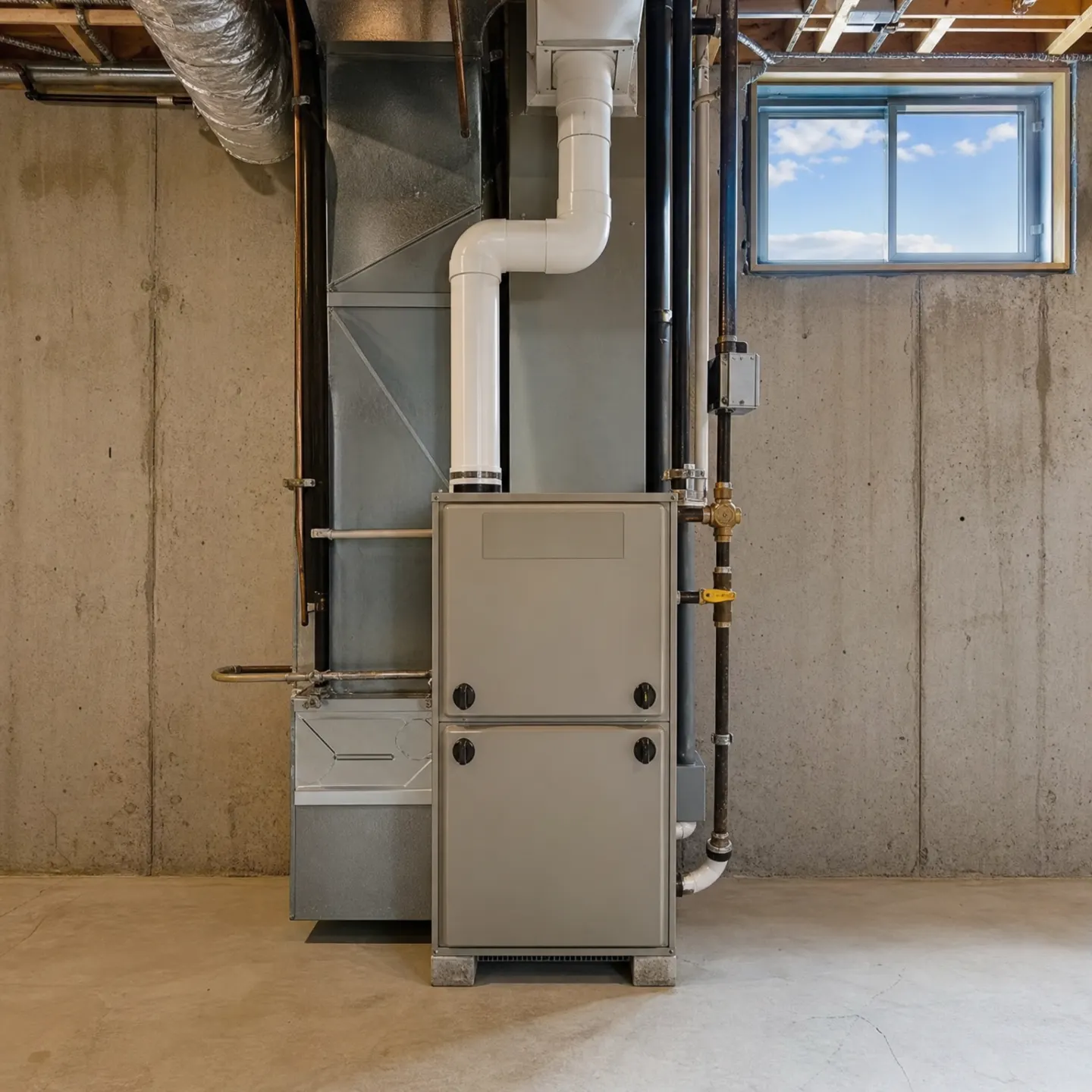
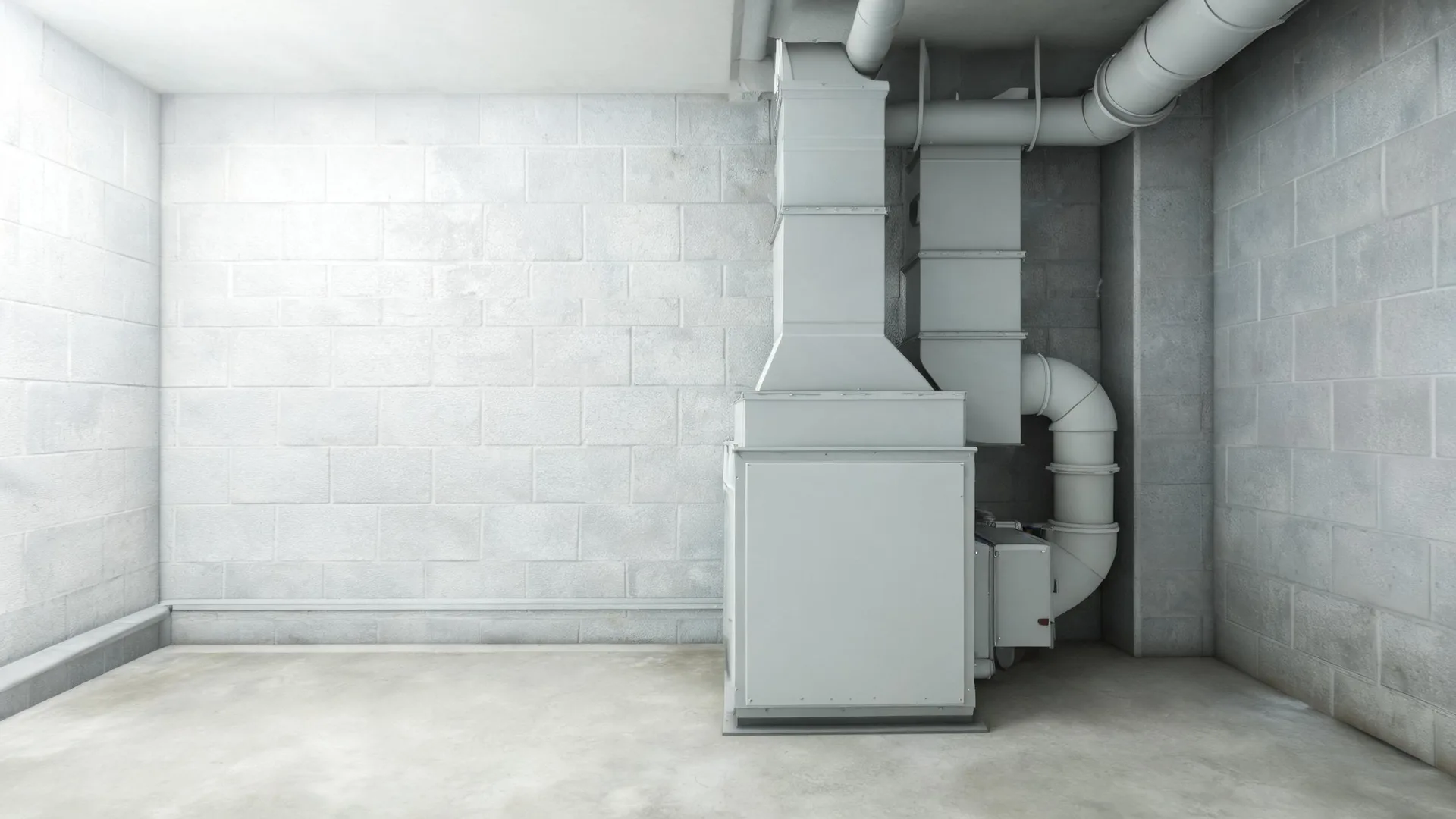
A gray gas furnace with attached ductwork and piping installed in an unfinished concrete basement.

This furnace will run most of the year, so get the size right before it starts

Eight months of heat and nights that drop near 16°F put real hours on a furnace here. That's the case for sizing it to your house instead of rounding up. An oversized unit cycles on and off more in weather like this, and that short-cycling is what wears out an igniter or a blower motor before its time. Give the contractor your square footage and let them run the load calculation rather than matching whatever was there before.

The old furnace gets disconnected and removed

The gas line, the vent pipe and the return and supply ducts all come off the old unit before the new one goes in. The installer caps or redirects whatever connected to it. Hauling it out is part of the install, not a separate job you need to arrange.
The new furnace won't just reuse the old setup

A different model may need its vent pipe run at a different angle or size, and the ductwork connection at the plenum sometimes needs rework to fit the new cabinet. None of that means something went wrong. It means the installer is matching the new furnace to your house instead of forcing it into the old furnace's footprint.

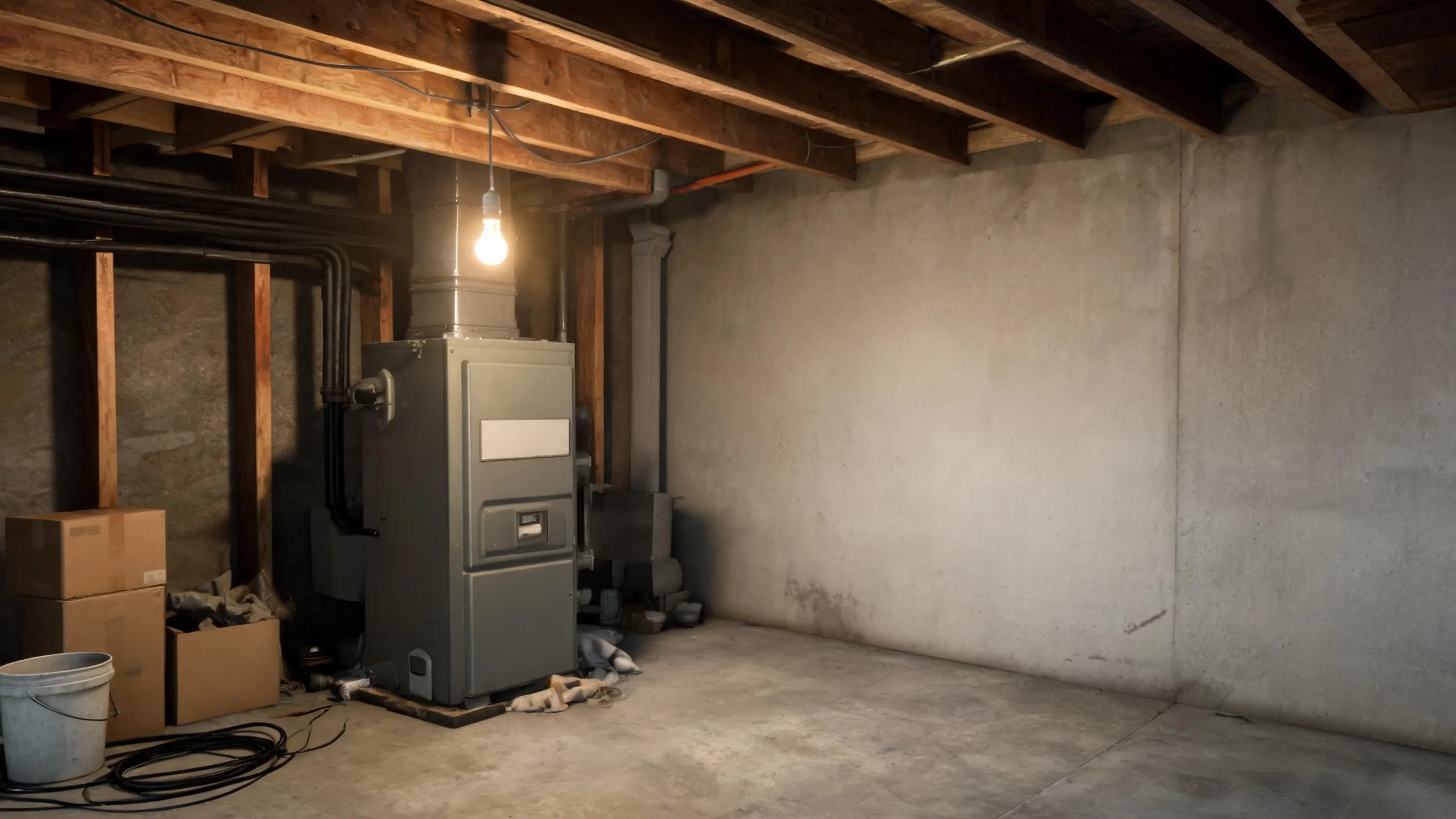
An unfinished basement interior showing a gray furnace unit beneath a bare incandescent bulb, surrounded by exposed joists, concrete walls, cardboard boxes, and utility pipes.

A high-efficiency gas furnace would save about $80 a year to run in Morgan County compared with a gas furnace.

  • A high-efficiency gas furnace$400 a year
  • A gas furnace$480 a year

Estimates for a typical Morgan County home, from EIA household energy data, Colorado fuel prices and NOAA climate normals. Your home will differ.

The old furnace comes out before the new one goes in, so there's a stretch with no heat in the house while the gas line, vent pipe, and ductwork connections get swapped over. The installer works through those one at a time rather than all at once. Once the new furnace is set and hooked up, it gets fired up and run through a cycle so the flame, the airflow, and the gas pressure can all be checked while it's running, not just at startup. A combustion analyzer at the end confirms it's burning clean and venting properly. Before the installer leaves, walk through the thermostat settings and where the filter sits. That's a lot easier to ask about in person than to figure out later.