Gas is the standard here
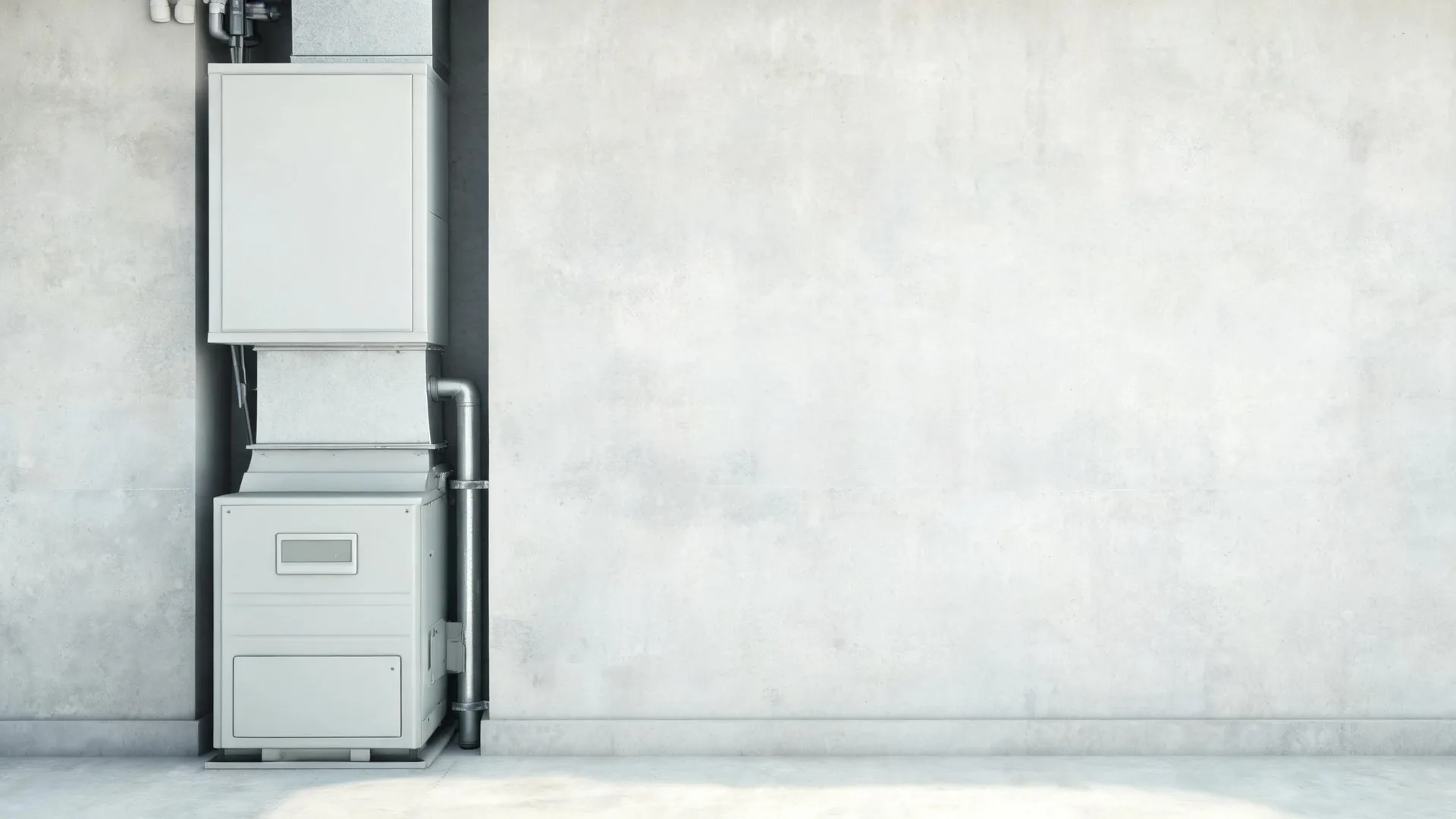
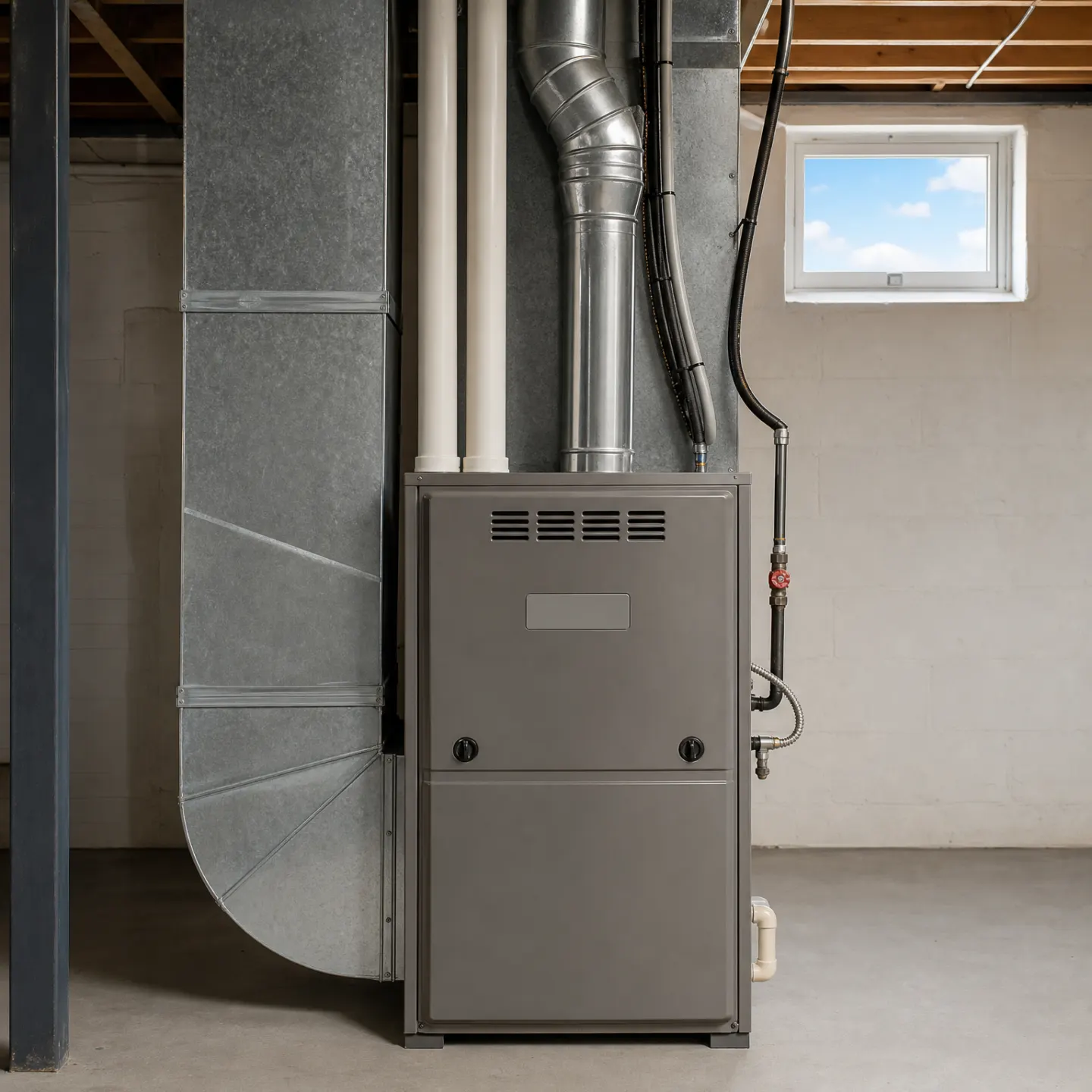
Utility gas heats 61.9% of homes in Moffat County, more than any other fuel. If your old furnace ran on gas, the gas line, vent and connections are already in place, and a new gas furnace can usually go in the same spot.
Takes about a minute. No obligation.
Utility gas heats 61.9% of homes in Moffat County, more than any other fuel. If your old furnace ran on gas, the gas line, vent and connections are already in place, and a new gas furnace can usually go in the same spot.
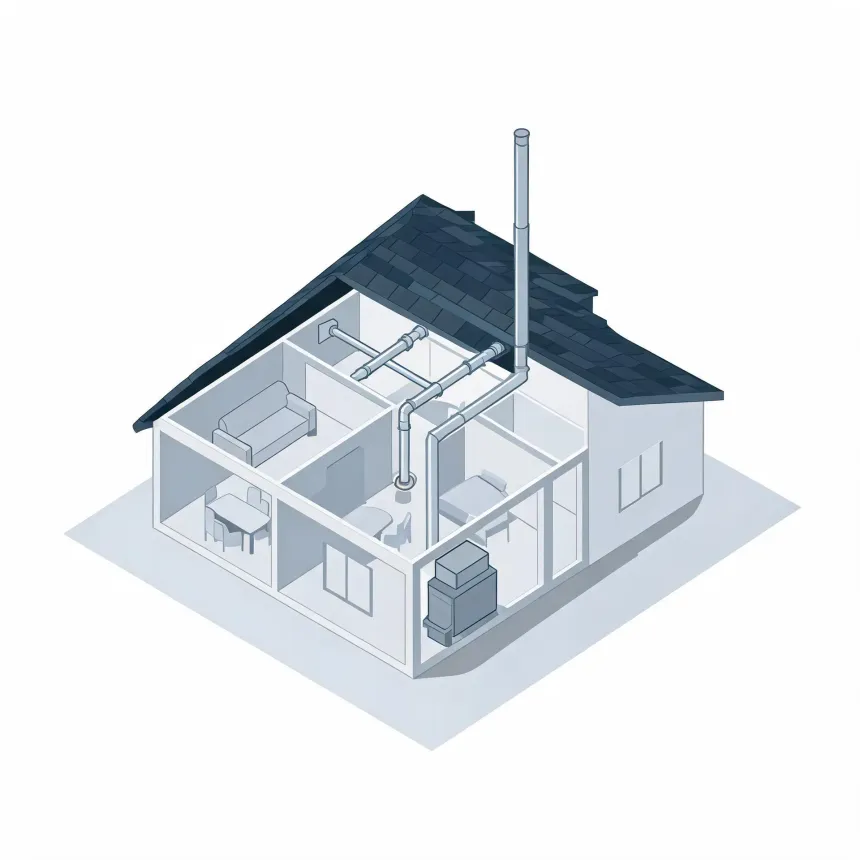
A gas-to-gas swap is the most straightforward path for a contractor to plan, since the venting and gas supply already match what the new furnace needs. Switching to an electric furnace or a heat pump means new wiring or duct changes, so a contractor will need to look at more than just the furnace itself.
NOAA nClimDiv, 1991–2020 normals
Furnaces in Moffat County run from September through May, close to nine months straight.
A new furnace here needs to be sized for nine months of real work, not a mild climate's occasional cold snap.
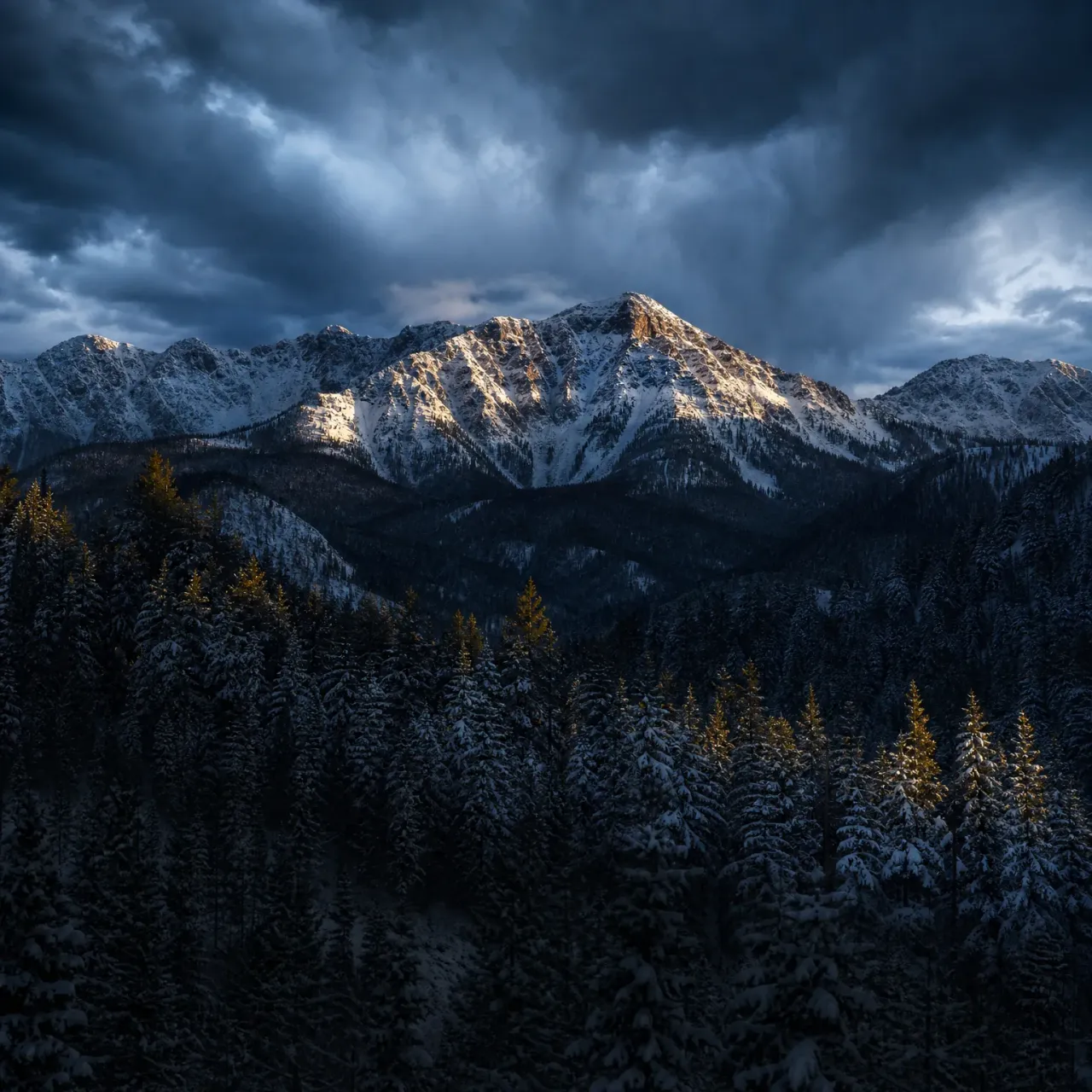
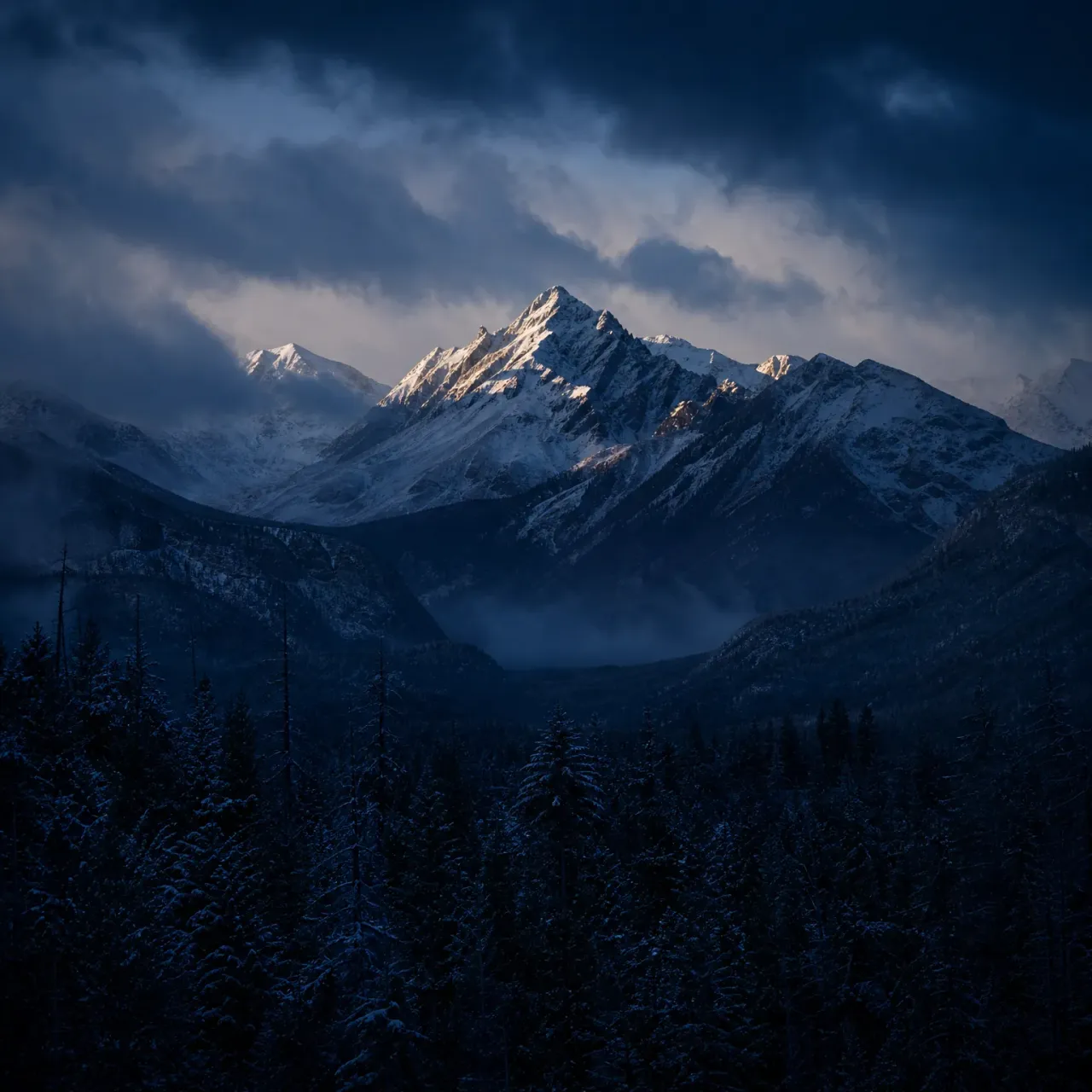
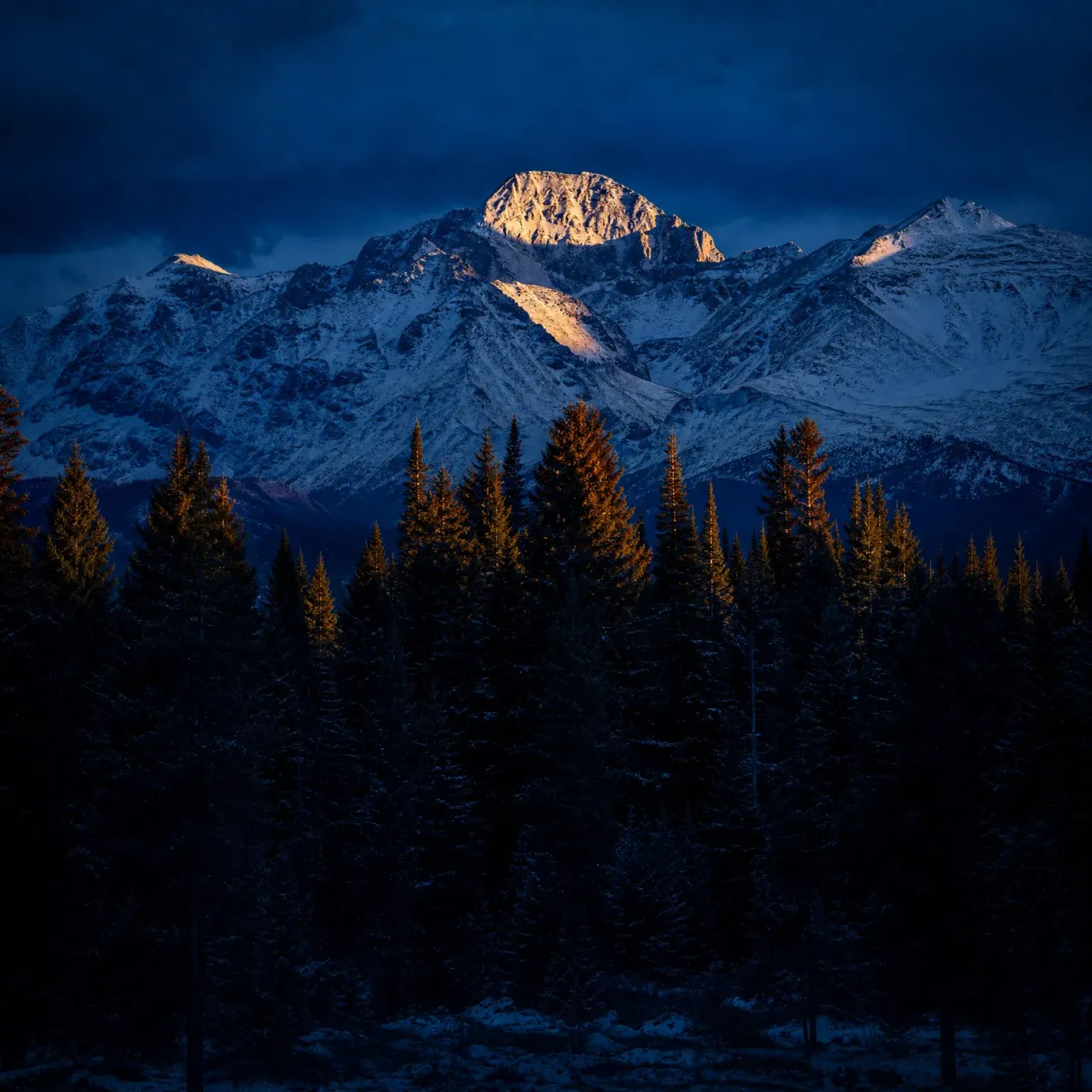
Moffat County is zone 6B, the cold end of the energy code, and that sets a floor on what can go into your home. Any non-weatherized gas furnace built from 2015 on has to hit at least 80 percent AFUE. That's the baseline for anything a contractor installs now. That floor is set to rise later this decade, up to 95 percent AFUE, so ask what rating you're actually getting rather than assuming every unit on the lot clears the same bar. There's also a federal tax credit available for high-efficiency furnaces, worth checking into before you decide which one to buy.
A new system here will work harder than most, every year. Size it right and don't buy on price alone.
Find a contractor
Heat goes on in September here. If your furnace is already struggling, August is the month to deal with it, while the weather's still mild and there's no rush. Wait until the first cold snap and you're choosing from whatever's available on a day you didn't pick.
Every furnace has an efficiency rating, and it belongs on the spec sheet, not just spoken out loud by the salesperson. Furnaces that look about the same size can burn gas at very different rates. Get that number for each system you're comparing before you weigh anything else.
A new furnace moves a different amount of air than the old one did. If the ducts weren't sized for that, some rooms run hot or cold no matter how good the furnace is. A contractor should check duct size and condition as part of the quote, not after the furnace is already installed.
Estimates for a typical Moffat County home, from EIA household energy data, Colorado fuel prices and NOAA climate normals. Your home will differ.
Installation day starts with the old furnace coming out. A contractor disconnects the gas line, the vent, the ductwork and the wiring, then clears the unit out before anything new goes in. Expect the work to touch more than the furnace itself. The vent pipe may need resizing for the new unit. The gas line gets checked for the correct fitting. The plenum where the furnace meets the ductwork often gets rebuilt rather than reused. Once the new furnace is set and leveled, the gas line gets pressure tested for leaks before any flame is lit. Then the contractor fires it up, checks that the flame sensor and igniter are working, and lets it run a full cycle to confirm the blower and thermostat are talking to each other. A good installer walks you through the thermostat settings and shows you the filter location before leaving.