Gas is the default here
Utility gas heats 60.8% of occupied homes in Denver County. Most furnace installers in the area work on gas units far more often than electric ones.
Takes about a minute. No obligation.
Utility gas heats 60.8% of occupied homes in Denver County. Most furnace installers in the area work on gas units far more often than electric ones.
If your old furnace ran on gas, replacing it with another gas furnace means the gas line and vent are already in place. Switching fuel types means rerouting gas lines or adding the wiring an electric furnace needs.
NOAA nClimDiv, 1991–2020 normals
The old furnace does not get reused once it comes out.
Whoever installs the new one hauls the old unit away as part of the job.
Denver County sees its share of hail and winter storms, 142 hail events and 32 winter storms with heavy snow or ice over the past decade. None of that changes what furnace to install. A standard size matched to the home's heating load is still the right call here, same as anywhere else in the region. What those storms do affect is the power to run it. Colorado households do sometimes lose power for a day or more, and a furnace with electric ignition won't fire without it. That's a reason to ask about backup power, not a reason to size up the furnace itself.
Heat starts running here in October and stays on through May. Get a new furnace in during September and it's installed before it has to work, with time to catch any problem on the first run instead of the first cold night.
Find a contractorOctober through May, eight months a year, the heat runs here. Overnight lows average 19°F through December, January and February. That's what a new furnace is sized against. On the coldest nights it runs most of the night to keep up. A furnace sized right for that load holds up. One sized wrong shows it sooner, a short cycle, an igniter that fails early, a blower running longer than it should.
A furnace is sized to the heating load of the home it goes into, not picked off a shelf. A bigger unit costs more to buy and needs bigger ductwork or a bigger gas line to feed it. Go through a load calculation and the installer can tell you which size actually fits, rather than guessing high to be safe.
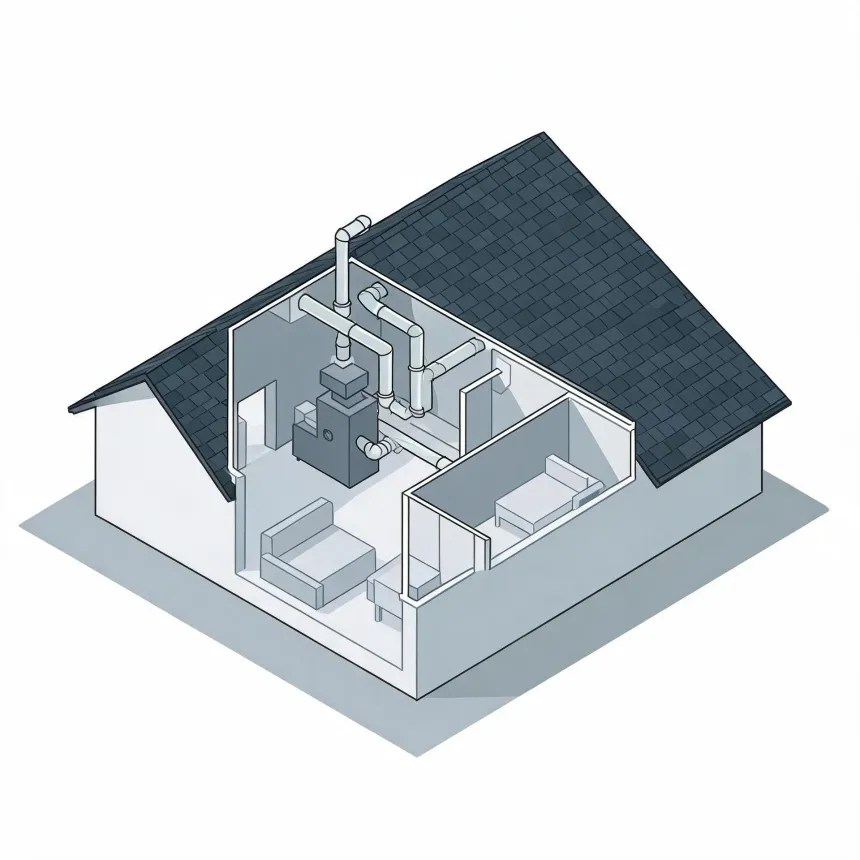
If the existing ducts are the right shape and size for the new furnace, the installer connects to what's there. If the new unit needs more airflow than the old ducts can carry, or the vent pipe has to be rerouted for a different kind of furnace, that's additional work beyond setting the unit in place.
Estimates for a typical Denver County home, from EIA household energy data, Colorado fuel prices and NOAA climate normals. Your home will differ.
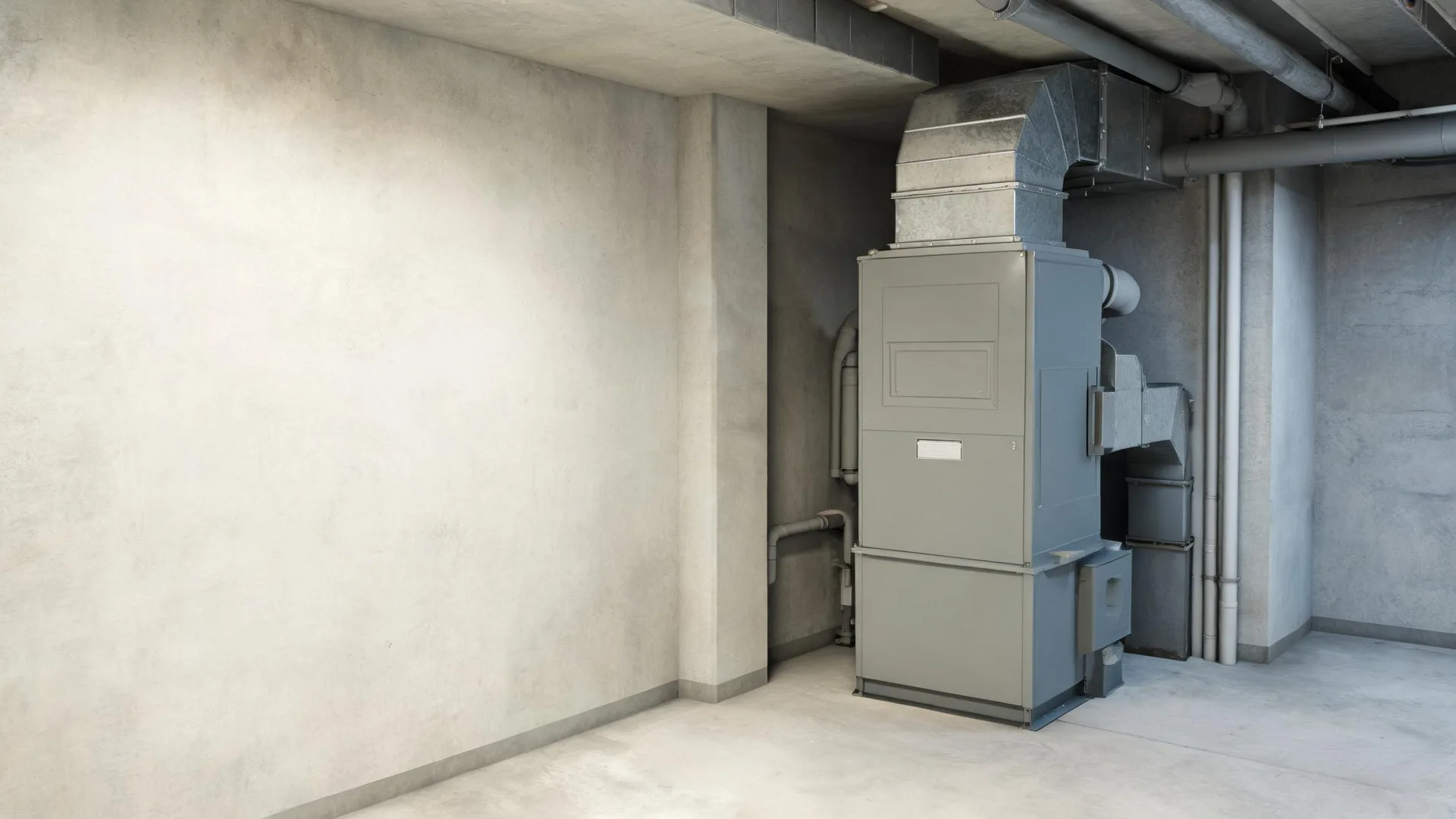
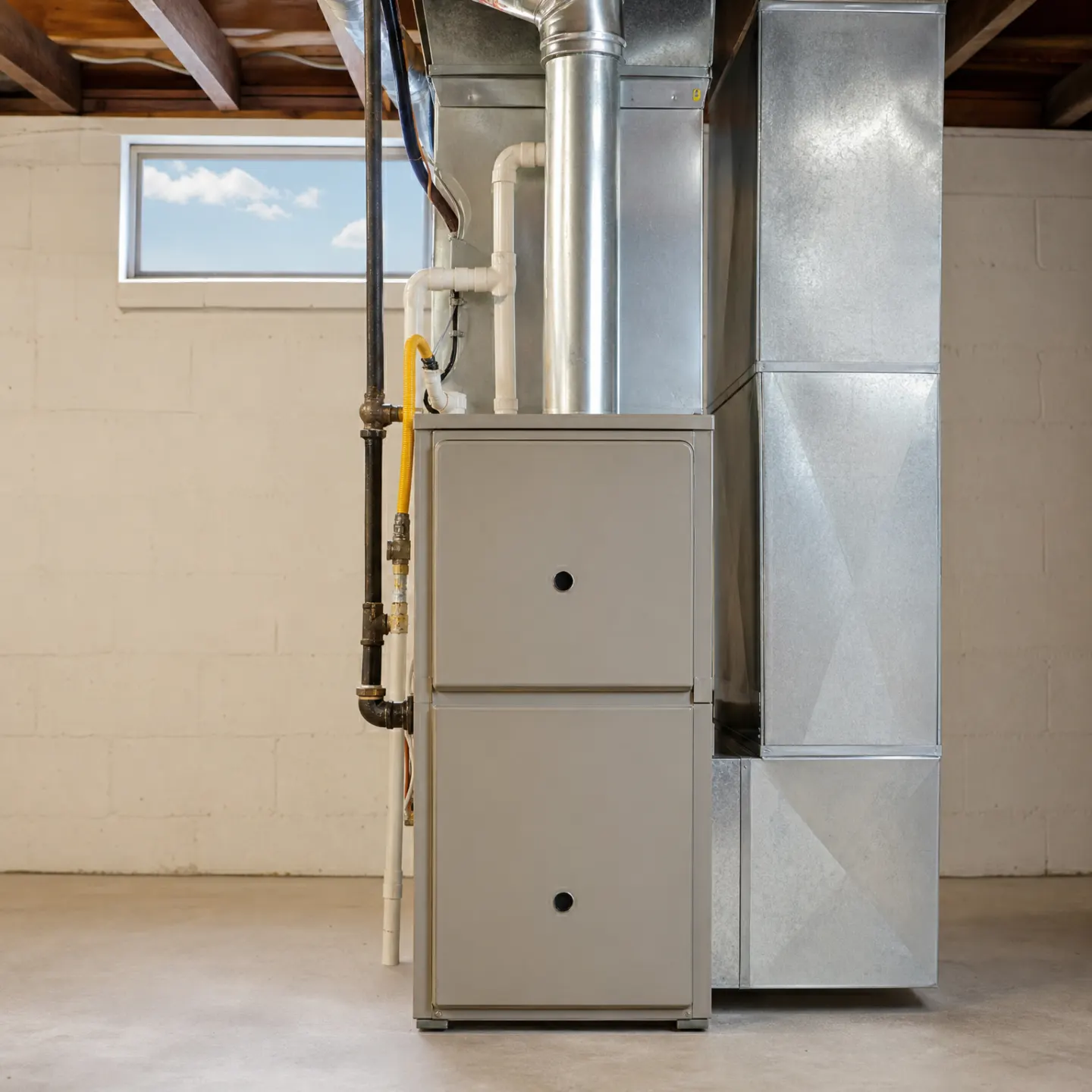
Installation day starts with the old furnace coming out, so expect the house to run cold for a few hours while that happens. The installer sets the new unit, connects the gas line, and runs the vent pipe, then ties in the ductwork and the wiring for the thermostat. Once it's in place, the real work is testing it. That means checking the gas pressure, confirming the flame looks right, and running the blower to make sure airflow matches what the furnace needs. A combustion test checks that it's burning clean and venting properly, not spilling exhaust back into the house. Most of the day goes to that testing, not the setting of the unit itself. Before the crew leaves, the furnace should cycle through a full heating run while someone's there to watch it.