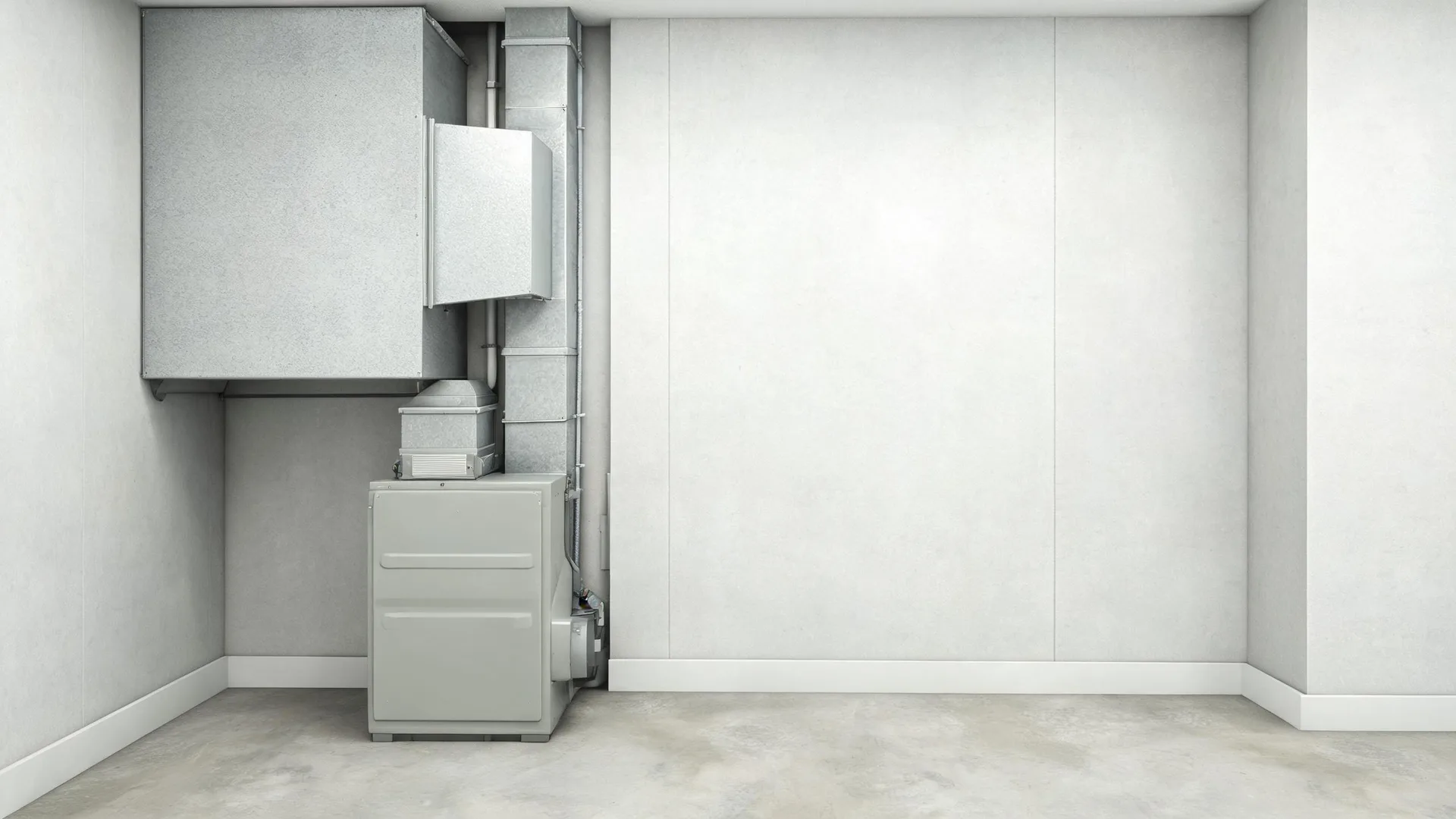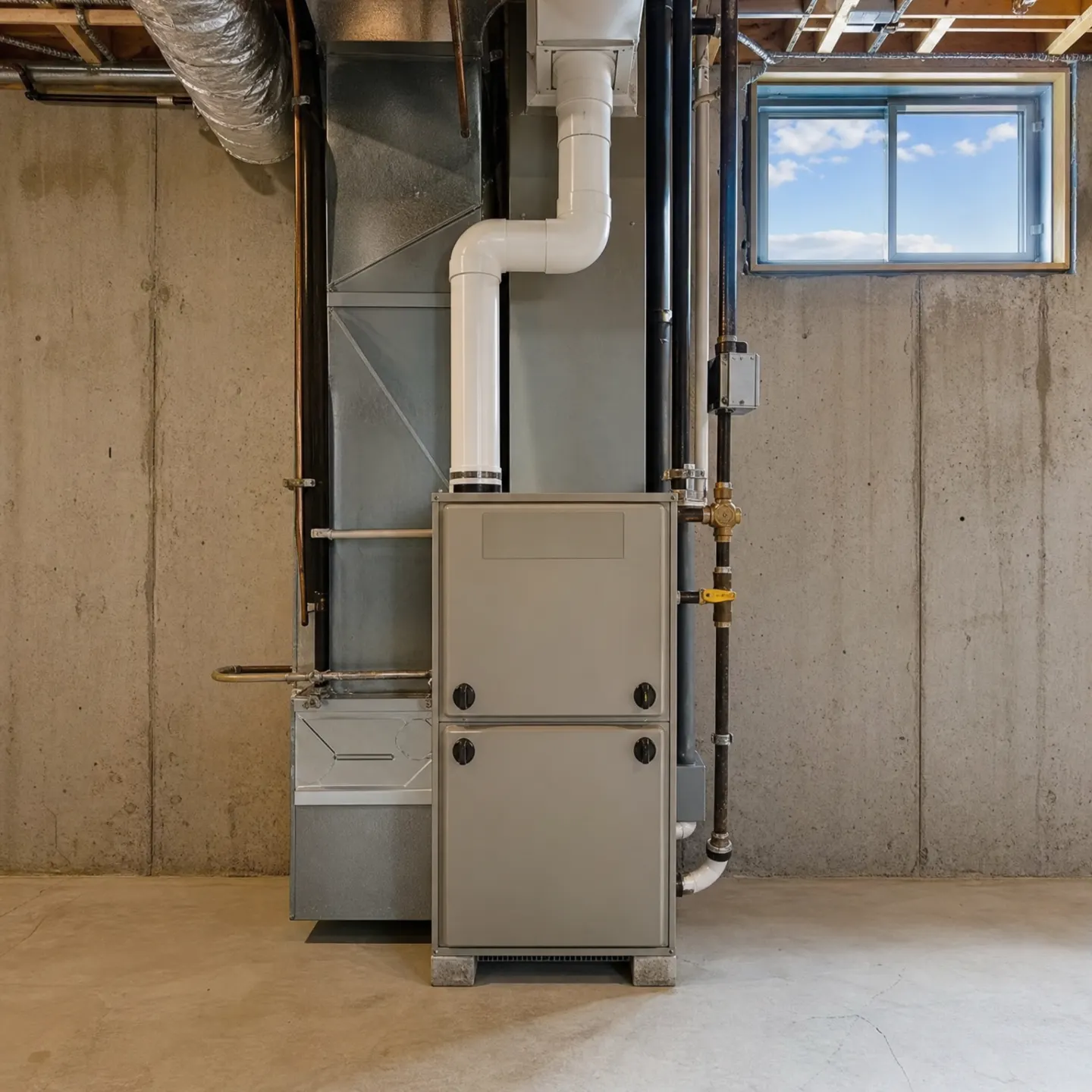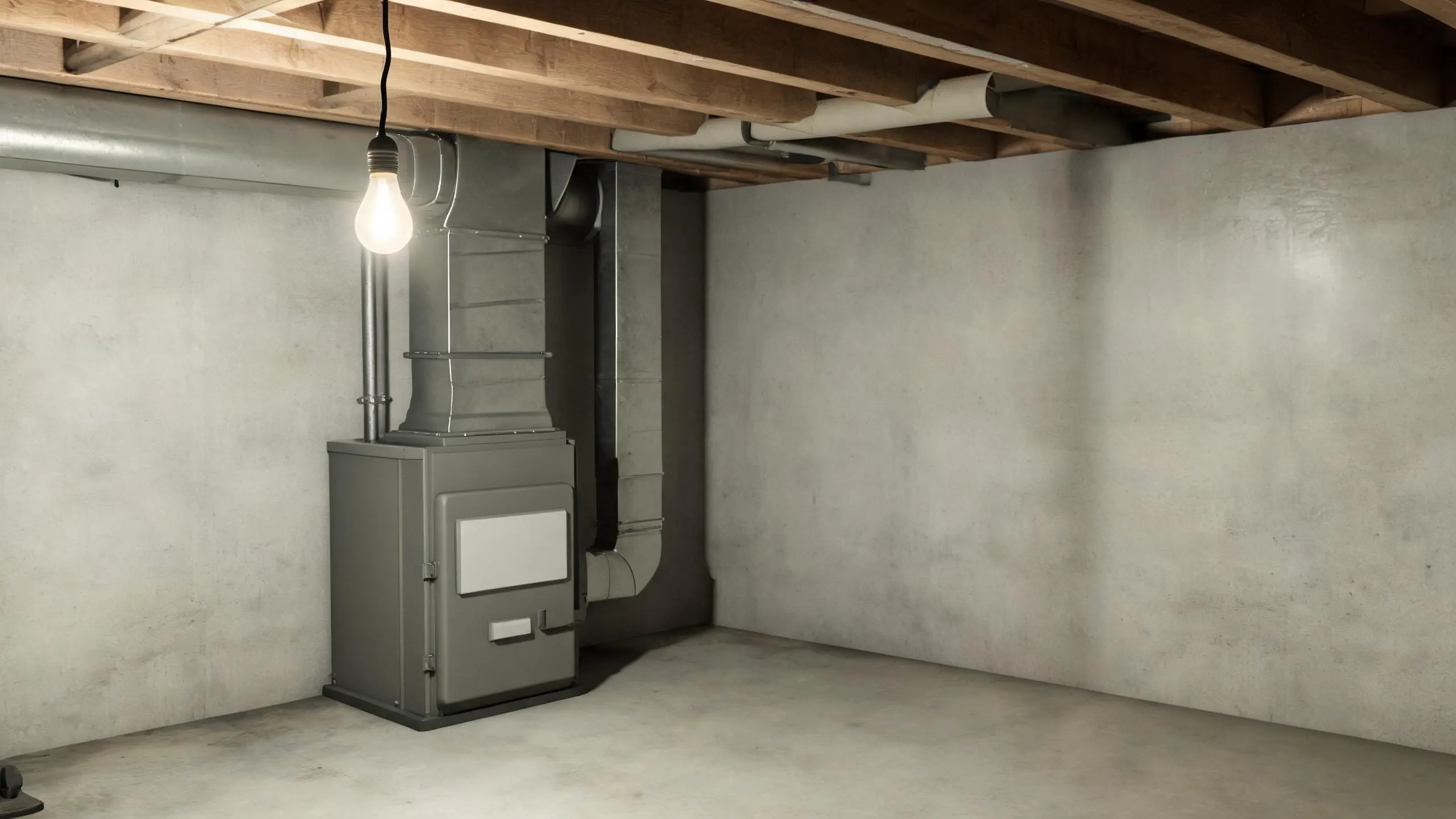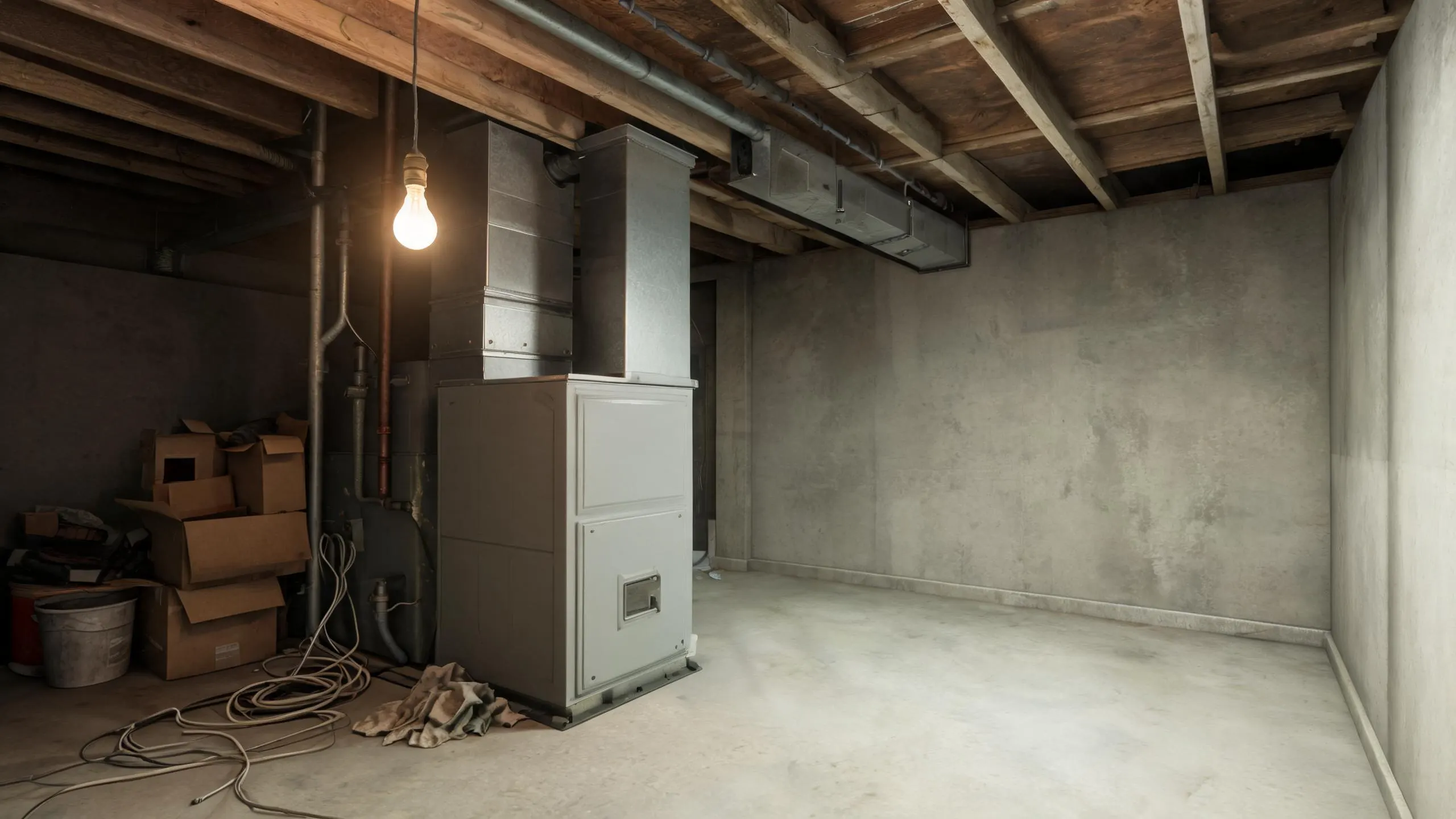
Gas is the normal choice here
Just under half of homes in Alamosa County heat with utility gas, more than any other fuel. A gas furnace is the system most contractors here install and service week to week.
Takes about a minute. No obligation.
Just under half of homes in Alamosa County heat with utility gas, more than any other fuel. A gas furnace is the system most contractors here install and service week to week.
If your home already has a gas line and a vent for a furnace, putting in another gas furnace is usually the straightest job. Switching fuels means adding wiring, a gas line, or venting that was never there, which is a bigger project than a swap.
NOAA nClimDiv, 1991–2020 normals
Furnaces in Alamosa County run from September through May, about nine months of the year.
A new furnace here spends most of the year working, so it needs to be sized for the job, not just the lowest bid.



August is the last easy month before heat season starts up here. Once September hits and the furnace is running most days, a failing unit becomes an emergency instead of a plan. If your current furnace is old enough to worry about, replacing it in August means a crew can take their time on the sizing and the installation instead of rushing a same-day swap once the cold sets in. It also means you're not waiting on equipment or scheduling while the house is already cold. Nine months of runtime a year is a long season to start on bad footing.
A new system here will work harder than most, every year. Size it right and don't buy on price alone.
Find a contractorLoad calculations matter more here than in a mild climate. An oversized furnace short cycles, turning on and off instead of running steady, and that wears the ignition system faster than a properly sized one would. An undersized furnace runs flat out trying to keep up with an 8°F night and still falls behind. Either mistake gets magnified over nine months of runtime instead of a few weeks here and there.
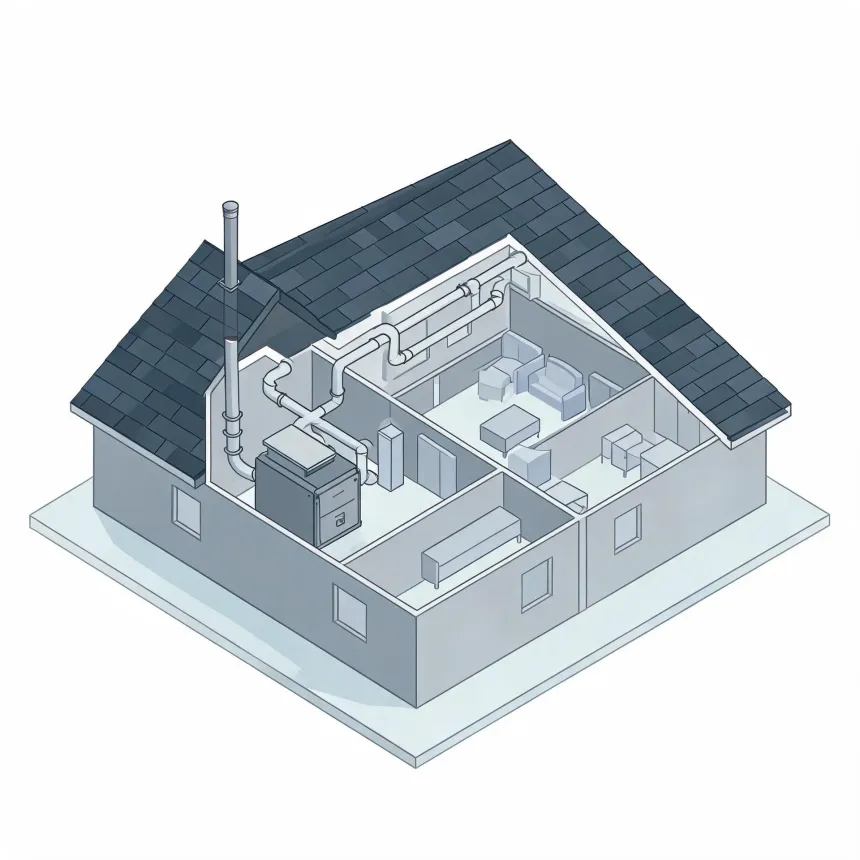
Venting, the gas line, the flue, and the electrical hookup all have to match the new unit, not the old one. A high efficiency furnace vents through plastic pipe, not a metal flue, so switching types can mean running new venting through the house. None of that shows up in the sticker price of the equipment.
Hauling out a furnace that's reached the end of its life and disposing of it properly takes time on the crew's clock. If the old unit was tied into a water heater or shared venting with another appliance, disconnecting it cleanly and making sure what's left still vents correctly takes more care, and more time, than pulling a stand-alone unit.
Estimates for a typical Alamosa County home, from EIA household energy data, Colorado fuel prices and NOAA climate normals. Your home will differ.
A crew starts by pulling the old furnace and clearing the space. Then the new one gets set in place and connected, working outward. Gas line first, then venting, then the ductwork, then the electrical and thermostat wiring. Each connection gets tested before the next one starts. Once it's running, the technician checks gas pressure, airflow, and the temperature rise across the heat exchanger. A furnace that runs too hot or too cold on the output side will wear out before its time. Every joint gets checked for leaks too, gas and flue both, with the right equipment rather than a glance and a sniff. The last step is going over the thermostat and showing where the filter lives, because a furnace nobody maintains won't run the way it was sized to.