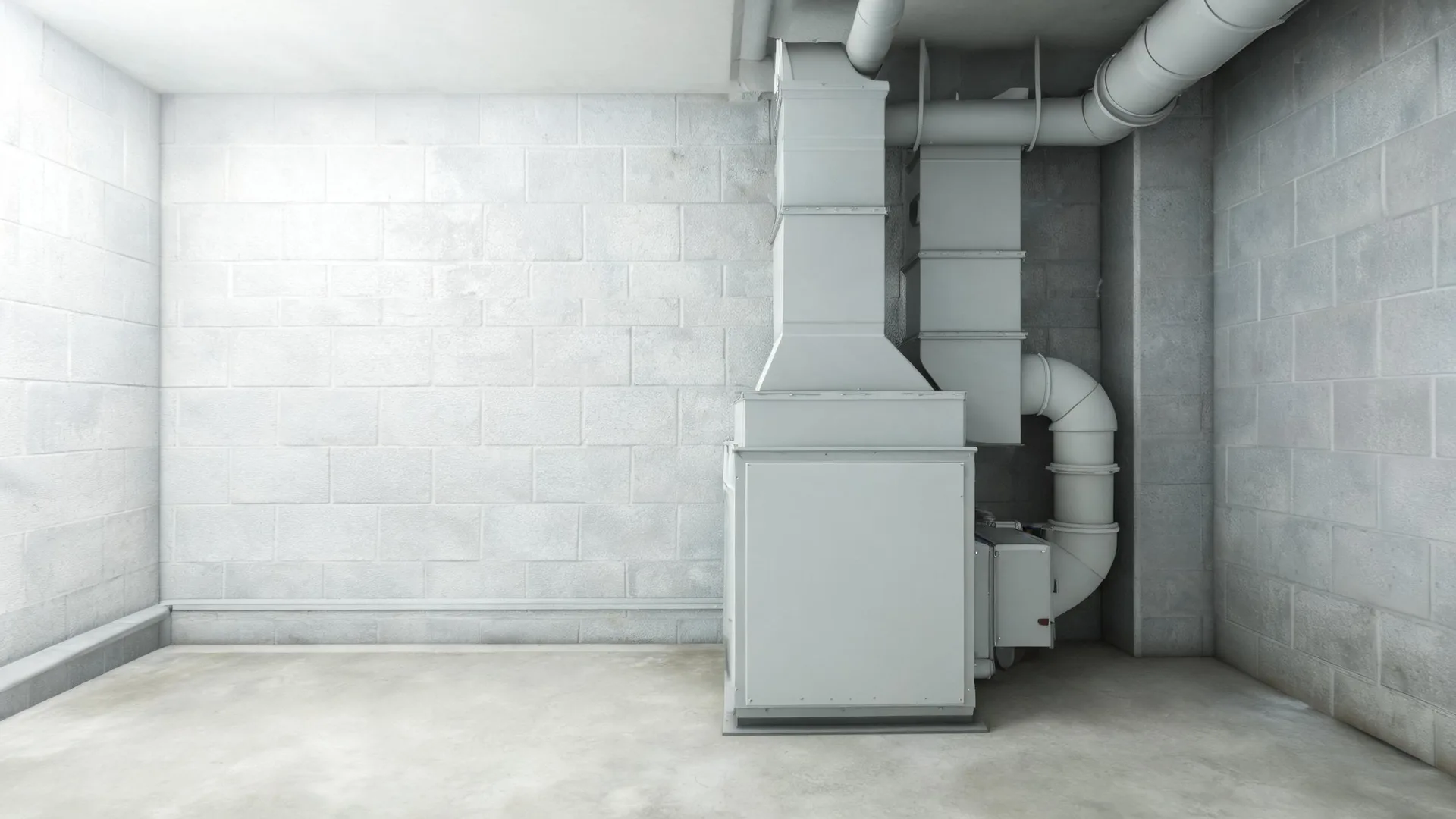
Gas is the default here
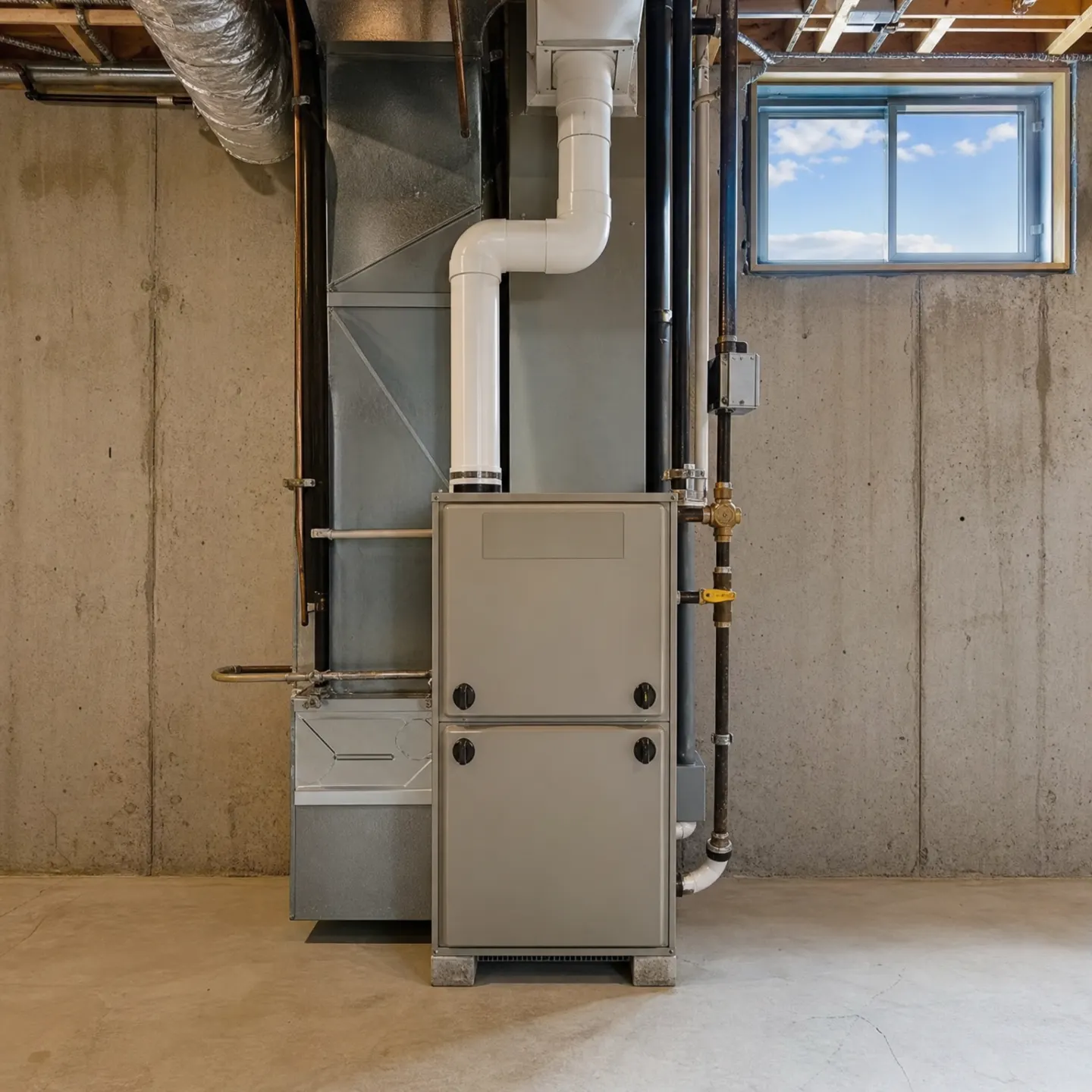
Utility gas heats 76.3% of homes in Pueblo County. A gas furnace is what most installers here work on week to week.
Takes about a minute. No obligation.
Utility gas heats 76.3% of homes in Pueblo County. A gas furnace is what most installers here work on week to week.
If your home already has a gas line run to a furnace, staying with gas is usually the straightforward path. Switching fuel types means new venting, new gas or electrical work, and a different kind of system entirely.
NOAA nClimDiv, 1991–2020 normals
Furnaces in Pueblo County start running in October.
A September install means it's working on day one instead of the first cold morning.
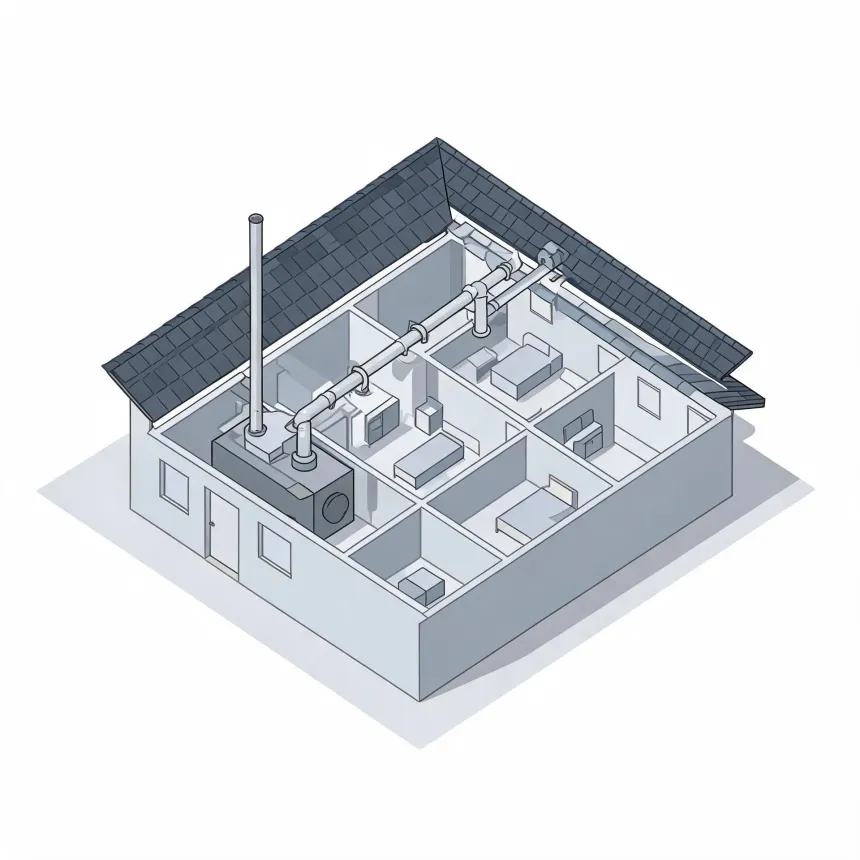
Ask what size furnace they're proposing and how they got that number. It should come from a load calculation, a room by room look at the house, not a guess based on square footage or a quick swap of whatever's there now. A furnace that's too big cycles on and off instead of running steady, and that short cycling wears out parts faster and leaves rooms uneven. Ask what efficiency rating they're quoting. Some units need PVC venting run to the outside, and that changes the install itself, not just the equipment cost. Ask about the ductwork too, since a new furnace moved into old, leaky or undersized ducts won't perform the way the brochure says it will. Ask what's included, a new thermostat, a condensate line if the unit needs one, and who pulls the permit.
Natural gas in Colorado runs cheaper than in most states, so a high-efficiency furnace takes longer to pay back what it costs to install. Sizing and a contractor who stands behind the work matter more than squeezing out another point of efficiency.
Find a contractorA furnace installed now stays in the house a long time, running every winter night whether the install was done right or not. That stretch of time is where the price shows itself. A unit sized and vented correctly settles into a steady pattern, long low-fire burns that keep the house even. One that was sized off a guess, or dropped into ductwork it was never matched to, will short cycle, and every start and stop wears the ignitor, the heat exchanger and the blower motor harder than steady running would. The work you don't see after the install is finished, the duct sealing, the venting, the gas line sizing, is what decides how the unit holds up once the weather turns and stays turned.
A load calculation adds up the windows, the insulation, the ceiling height, which walls face the weather, and how the rooms connect to each other. Houses with the same floor plan can still need different sized furnaces depending on how they hold heat. Square footage alone skips all of that.
A furnace too small just runs longer on the coldest days to keep up. A furnace too big heats the house fast, shuts off, then starts again soon after. That short cycling wears on the ignitor and the heat exchanger harder than long steady runs do, and it tends to leave some rooms warm while others lag behind.
Estimates for a typical Pueblo County home, from EIA household energy data, Colorado fuel prices and NOAA climate normals. Your home will differ.
Installation day starts with the old furnace coming out, along with the venting and ductwork connections that fed it. The installer checks the flue or vent pipe, the gas line, and the return and supply ducts before the new unit ever gets set in place, because the new furnace has to match what's already there or those parts need changing too. Setting the furnace, connecting the gas line, wiring the control board and running the vent usually takes most of the day. After it's connected, the installer fires it up and checks the gas pressure, the temperature rise across the heat exchanger, and the airflow at the registers. A furnace that's wired and vented right but never gets this checked can still run with a flame that's too high or too low for the house. The last step is usually the thermostat, programmed and tested through a full heating cycle before the installer leaves.