


Dark vertical wood siding along the side of a house with a stack of split firewood and an outdoor condenser unit on a gravel strip, with pine trees, dry grass and a metal-roofed outbuilding in the background.

Furnace Installation in Steamboat Springs, CO

Tell us about the job

Takes about a minute. No obligation.

Step 1 of 3: Equipment

Gas is what heats most homes in Routt County, and gas isn't cheap here. Colorado households paid $10.09 per million Btu in 2024. A furnace that burns less efficiently wastes some of that gas on every cycle it runs, and winters here mean a lot of cycles. The efficiency rating on the unit going into your house matters more here than it would somewhere with a mild winter, because the price of gas and the length of the heating months are both working against you. Pick a furnace that wastes less, and that shows up on every bill that follows.

10 months
September through June, your furnace is on duty
11°F
the average winter night it heats against
80% AFUE
the federal minimum any new unit must meet
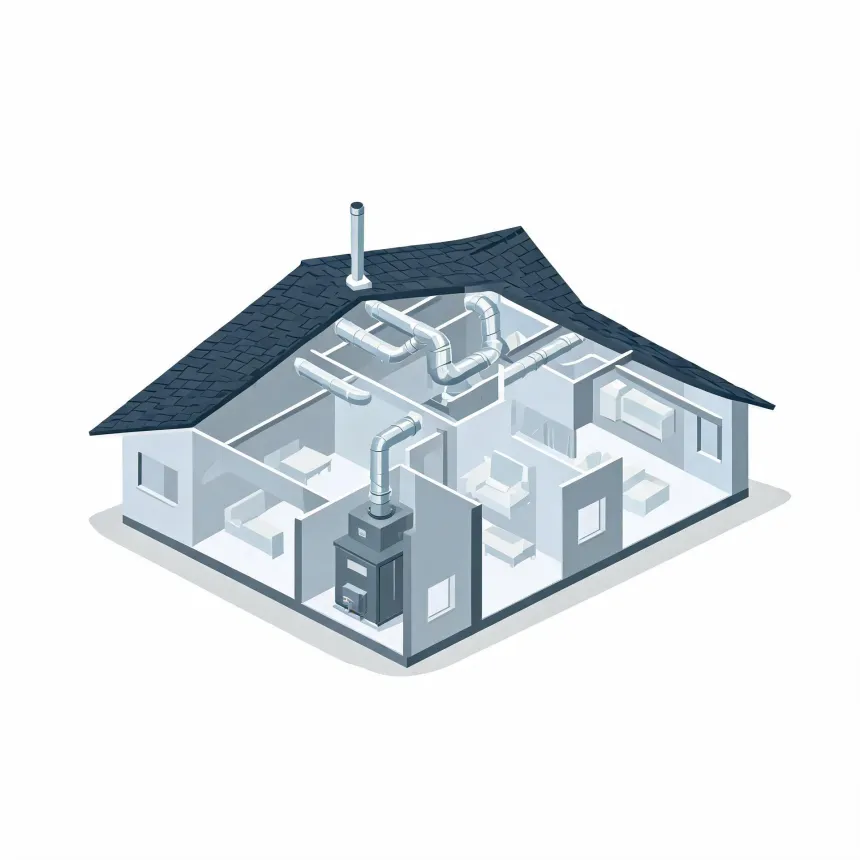
Isometric cutaway illustration of a single-story house showing interior rooms with furniture, a metal ductwork network, and a furnace unit connected to a vertical flue through the dark shingled roof.
Your furnace works hardest from October through April.

NOAA nClimDiv, 1991–2020 normals

Gas heats more homes in Routt County than electricity and propane combined.

If your old furnace burned gas, putting in another gas furnace is the straightforward call.

Ten months of heat a year leaves no slow season to work with

Heat runs September through June
Winter nights average 11°F
202 winter storms from 2015 to 2024

Routt County saw 202 winter storms and 47 damaging wind events between 2015 and 2024, plus a tornado. That's weather your furnace install needs to account for. If the system includes anything mounted outside, its placement matters: away from the roofline where snow and ice shed, clear of drift paths. Statewide, 13% of Colorado households lost power for a day or more in 2024, and a furnace needs electricity to run even though it burns gas. A dead blower motor means no heat from a gas furnace in a power outage, which is a different problem than a cold house in a mild climate. Worth asking about backup power if outages have hit your place before.

The furnace you choose now is the gas bill you get for years

The efficiency rating on the furnace you pick decides what every winter after this one costs you to heat the house. That's the one number worth getting right before it's installed.

Find a contractor
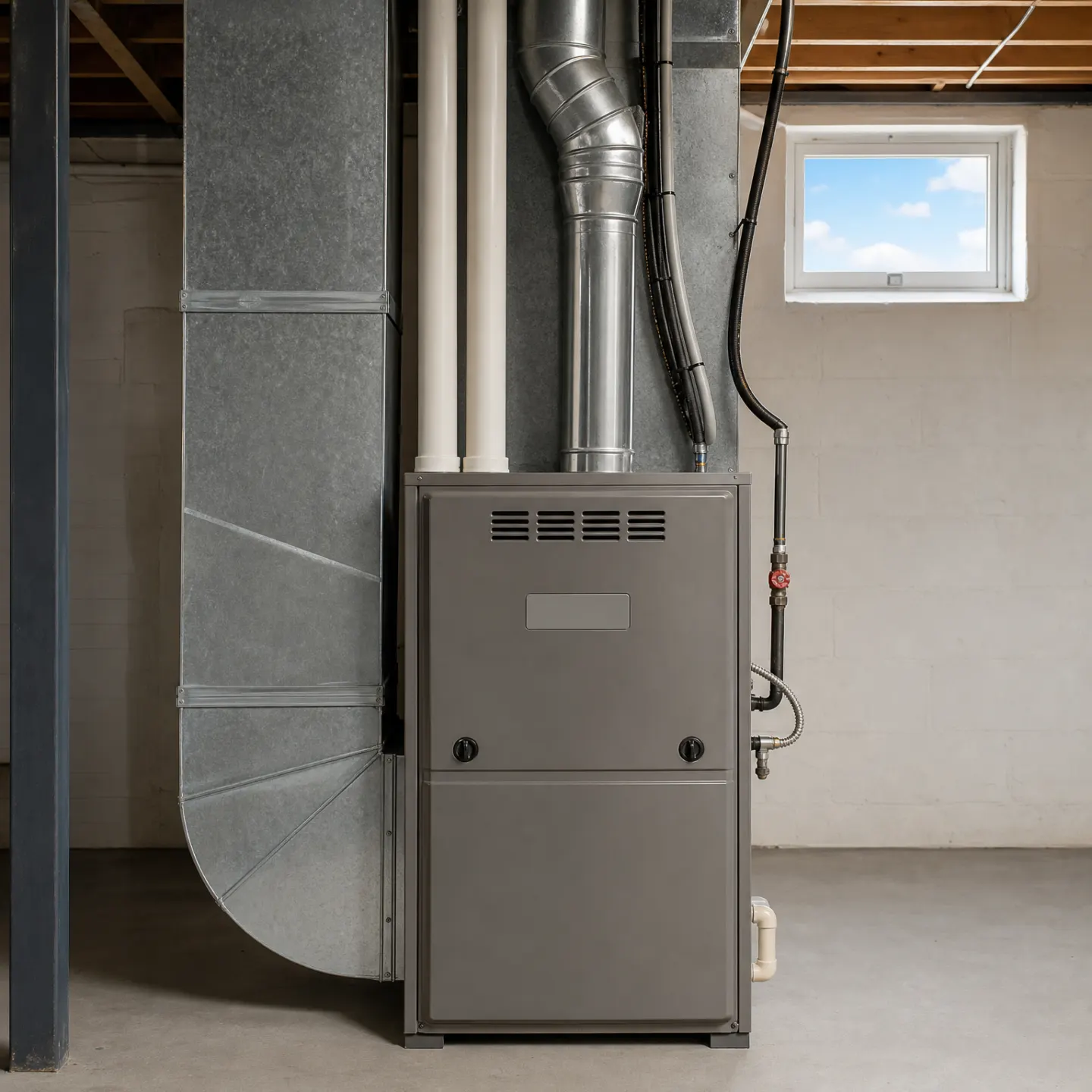
A gray residential gas furnace installed in an unfinished basement, surrounded by ductwork, a metal flue pipe, and a gas supply line.

Ten months of runtime a year wears a furnace down faster

Furnace here runs about ten months a year, September through June. That leaves a short break before the next heating season starts. A furnace built for a place with a short winter doesn't see that kind of runtime, and the parts inside, the igniter, the blower motor, the heat exchanger, are working against a clock that barely stops. Problems that might take years to show up somewhere milder show up sooner on a schedule like this one. Sizing the unit right and picking one built for that much runtime matters more than finding the lowest price on the install.

The old furnace gets disconnected before it's hauled out

The gas line gets capped and the electrical gets disconnected before anyone pulls the old unit out. The flue or vent pipe comes apart too, since it was sized and routed for a furnace that's leaving. None of that hardware gets reused without a check, because a vent sized for one furnace doesn't always suit another.

What's inside the old furnace decides how it leaves the house

A furnace is mostly sheet metal and copper, and that gets recycled rather than landfilled. Older furnaces sometimes have components that need separating out before the rest goes to the scrap yard. Either way, hauling it off is part of a proper install, not something left for the homeowner to deal with after the new one's running.

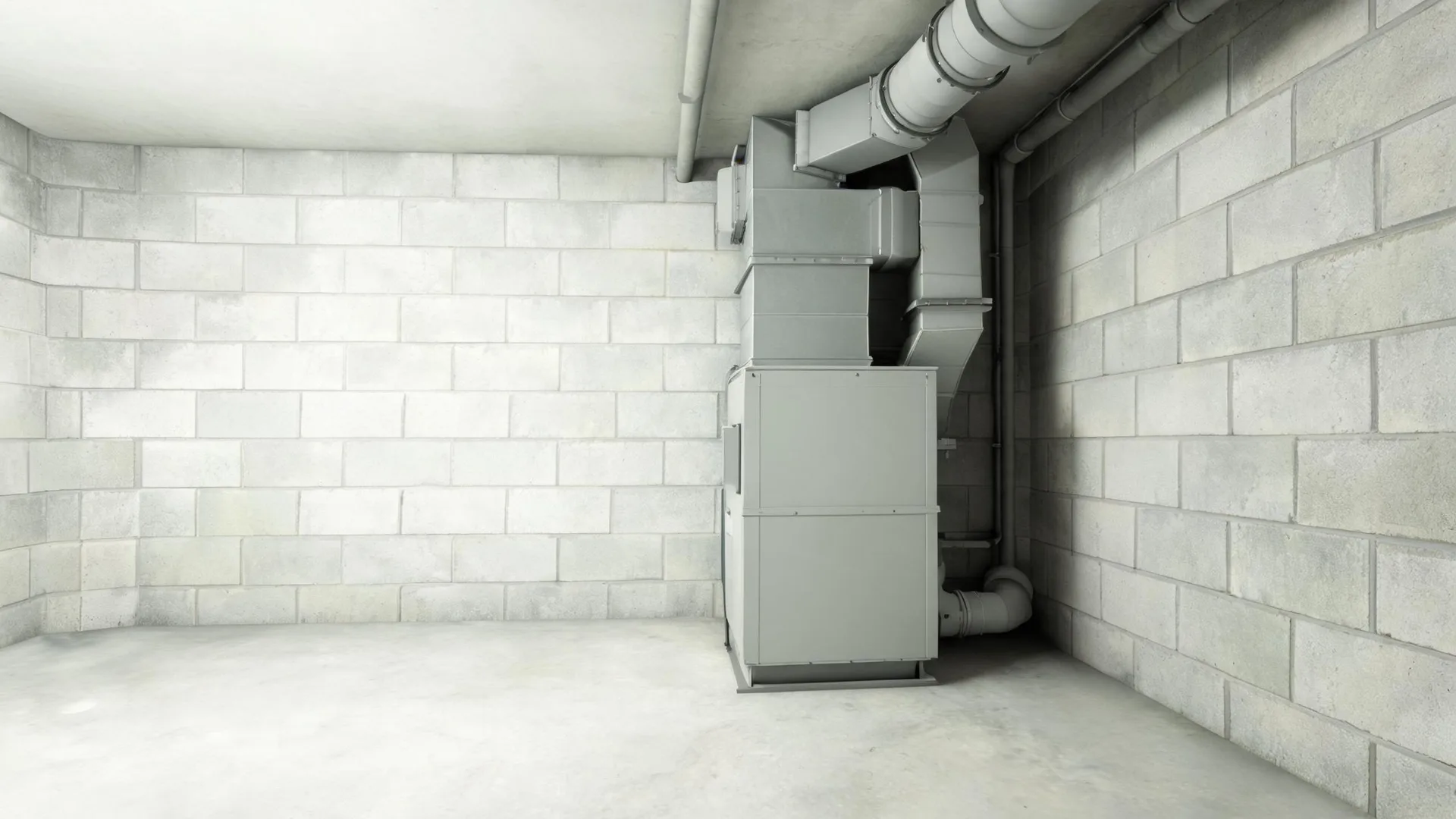
A gray forced-air furnace with ductwork stands in an unfinished concrete basement surrounded by storage items and clutter.

A high-efficiency gas furnace would save about $120 a year to run in Routt County compared with a gas furnace.

  • A high-efficiency gas furnace$580 a year
  • A gas furnace$700 a year

Estimates for a typical Routt County home, from EIA household energy data, Colorado fuel prices and NOAA climate normals. Your home will differ.

A crew starts by sizing up the job, not swinging a wrench. They'll check the gas line, the vent path, the electrical hookup, and the ductwork to see what stays and what has to change. Once the old furnace is out, the new one gets set in place and leveled, because a unit that sits crooked can affect how the burner and heat exchanger perform down the line. Gas and electrical connections get made, then the flue or vent pipe gets fitted to match the new furnace, not whatever was left behind. Before anyone calls it done, the system gets fired up and run through its paces: checking the flame, the airflow, the temperature rise across the heat exchanger. A furnace that's been sized, vented, and tested correctly on install day is one that won't need a callback next month.