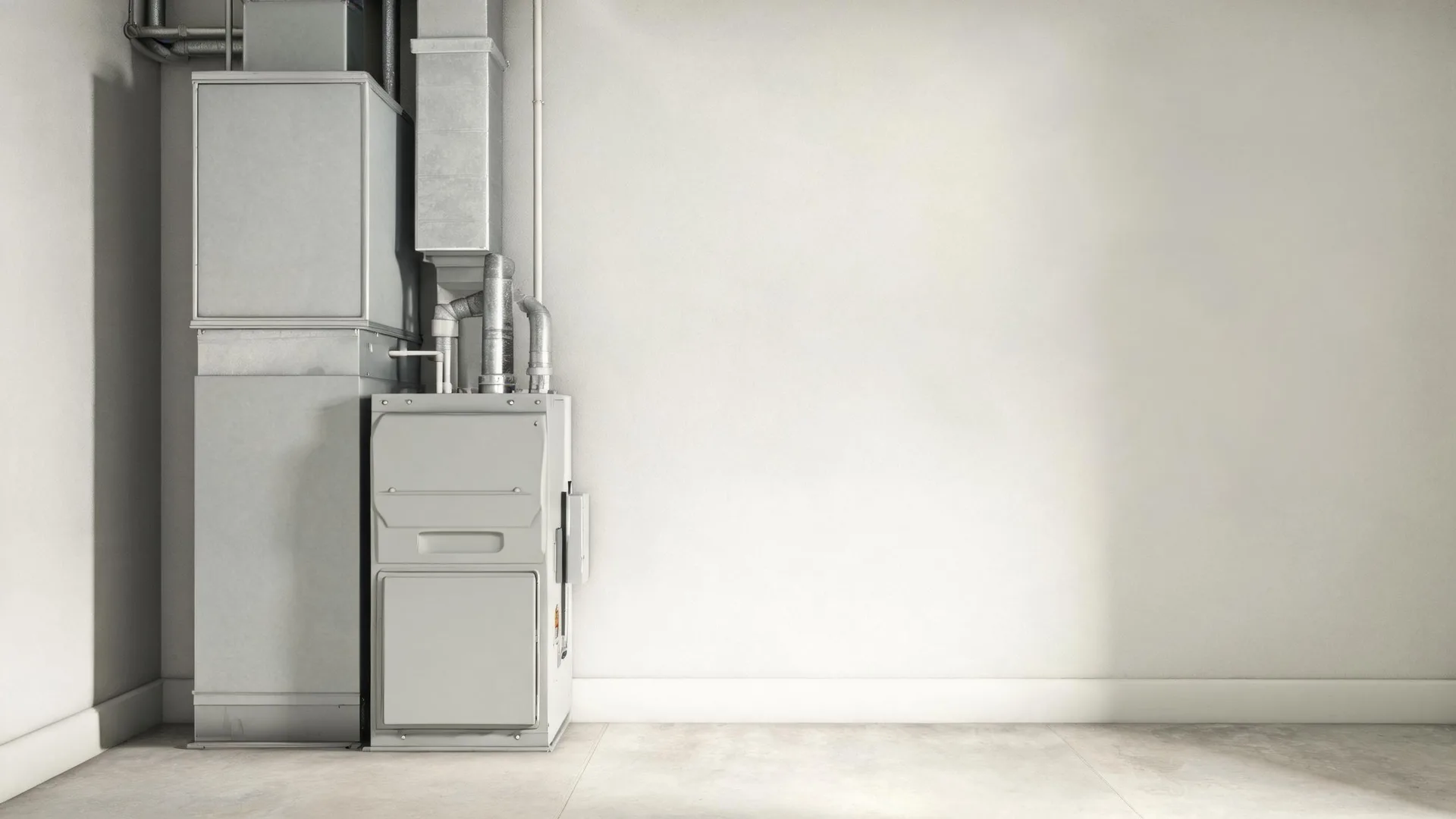
Gas is the default here
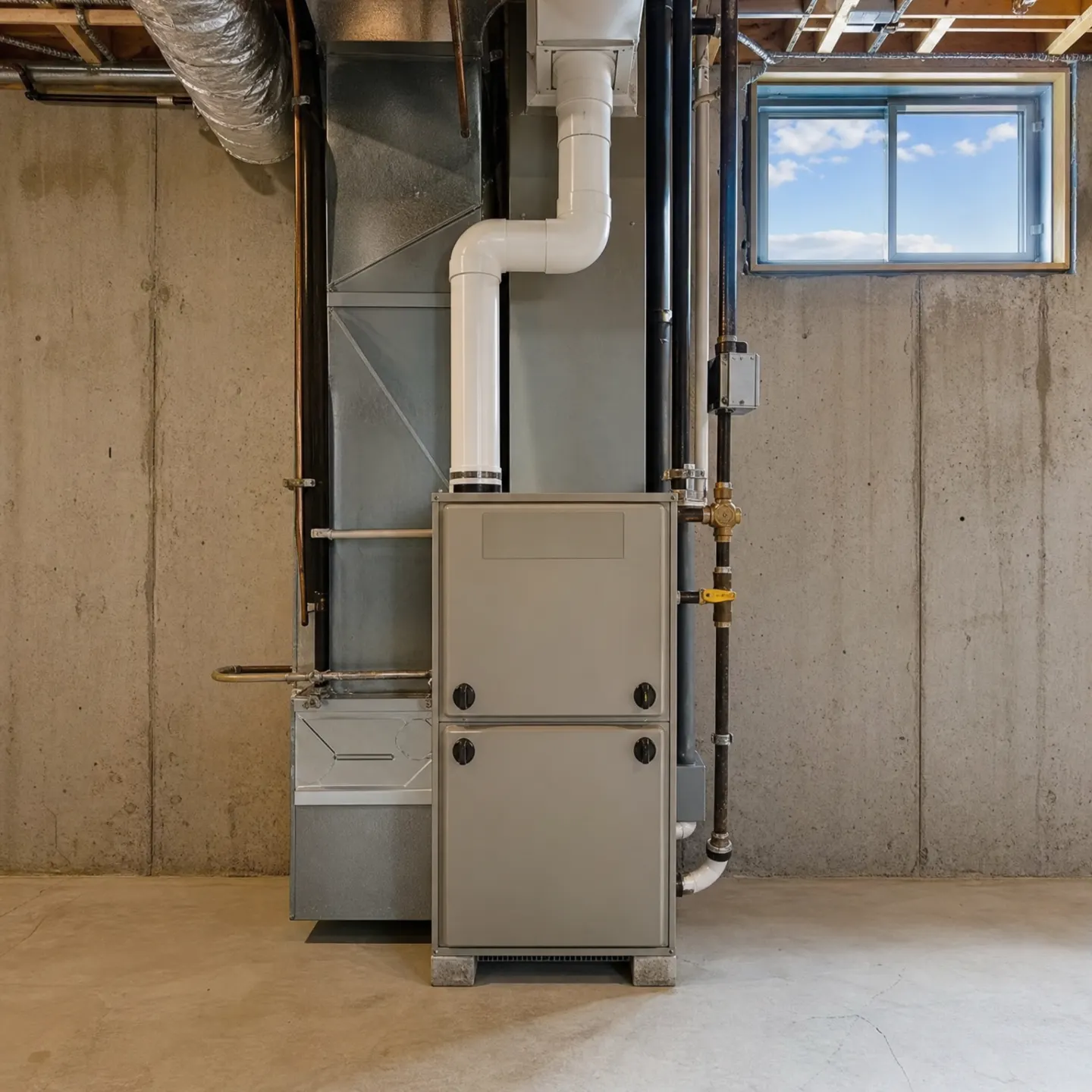
Utility gas heats 73.5% of homes in Mesa County. Most furnace installs in Grand Junction are gas furnaces because that's what the home is already set up for.
Takes about a minute. No obligation.
Utility gas heats 73.5% of homes in Mesa County. Most furnace installs in Grand Junction are gas furnaces because that's what the home is already set up for.
If a gas furnace is already heating the house, the gas line and venting are already in place. That makes a like-for-like swap more straightforward than switching fuels.
NOAA nClimDiv, 1991–2020 normals
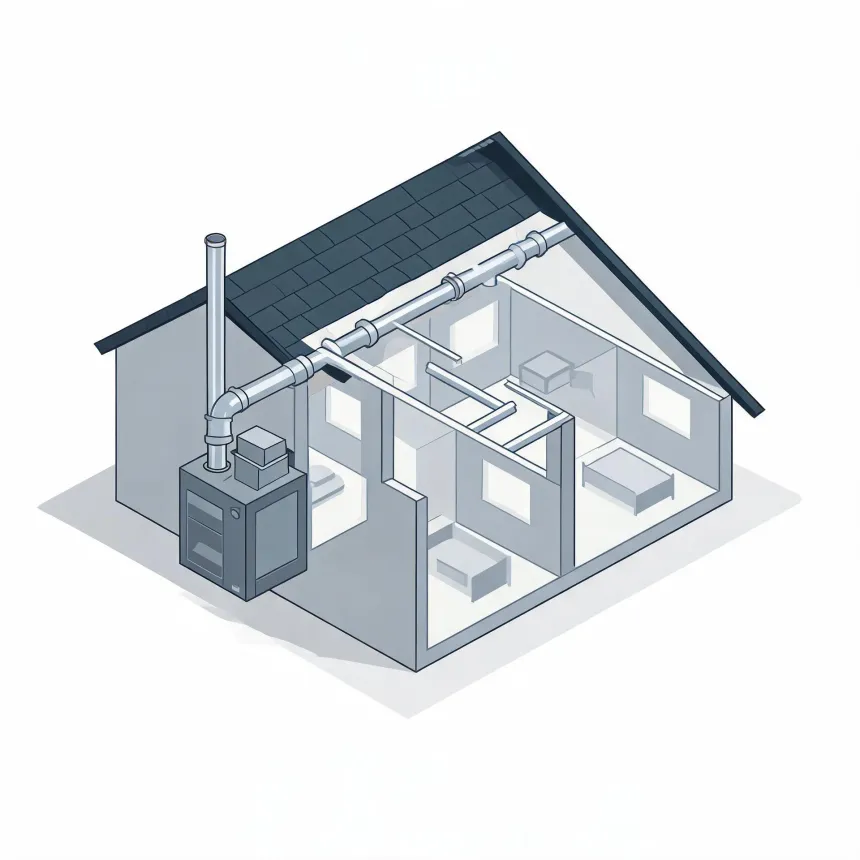
Furnaces in Mesa County start running in September.
August is the month to put in a new one, before you need it.
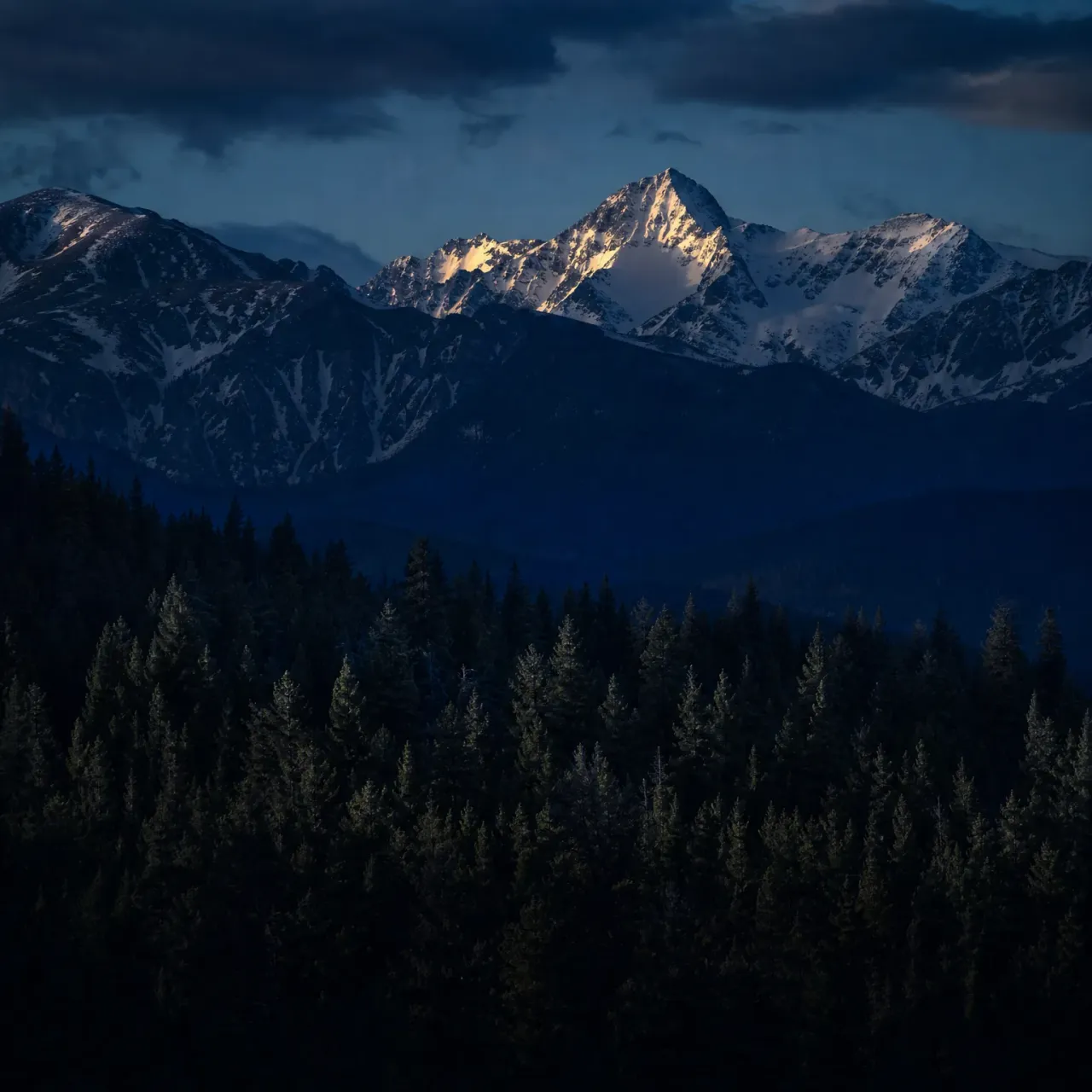

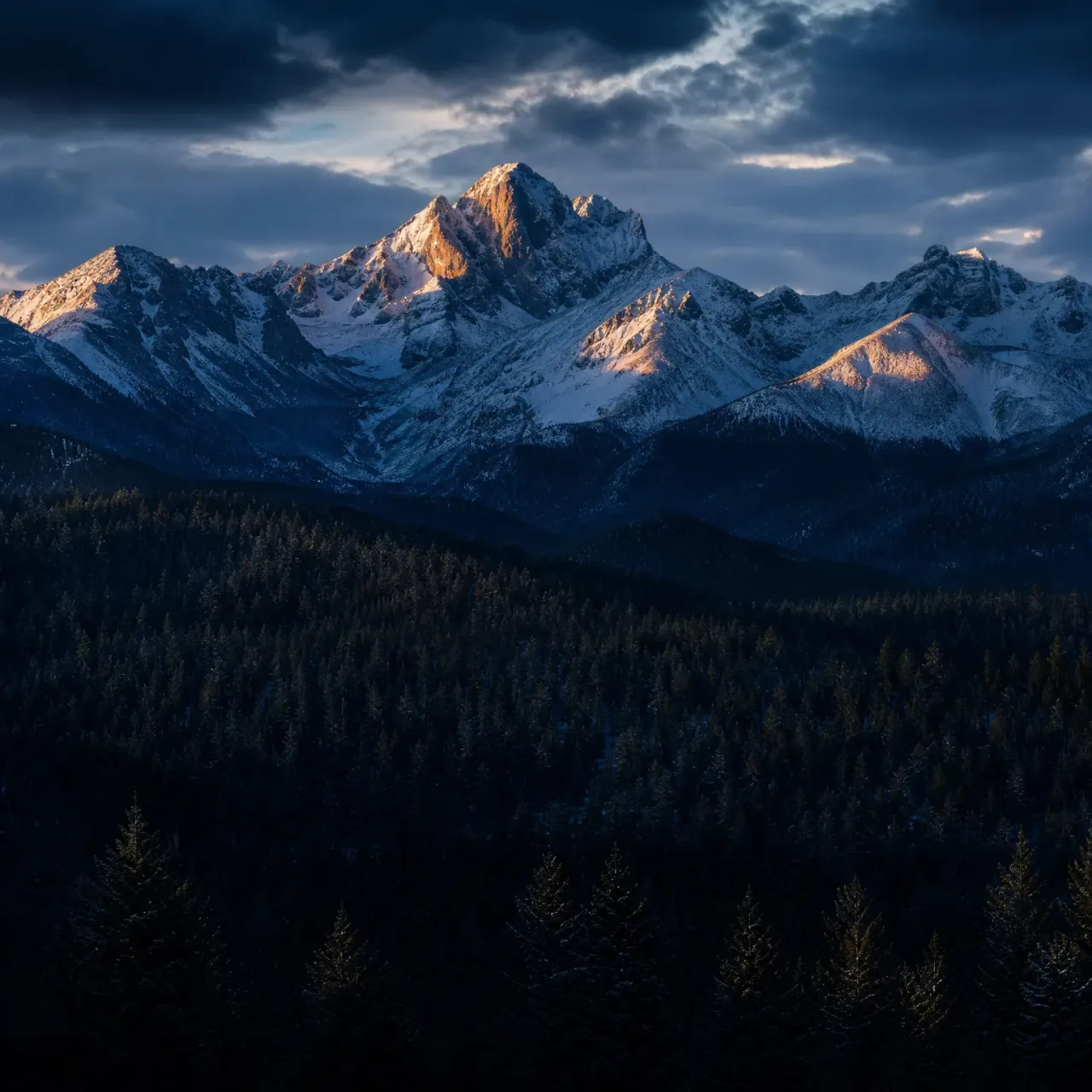
A standard furnace sized to the house is the right call here. Nothing about Grand Junction winters asks for extra capacity or a higher efficiency tier than usual. Gas runs $10.09 per million Btu in Colorado, and that cost doesn't change based on how big a furnace you buy beyond what the house needs. An oversized unit cycles on and off more instead of running steady, which wears on it without heating the place any better. The contractor doing the install will size it to the square footage and layout of the house, not to the weather outside.
Replace it before the season starts, so it happens on your schedule, not in a hurry.
Find a contractor
A furnace that's too big for the house heats the air fast, hits the thermostat setting, and shuts off, then starts again a few minutes later. That kind of short cycling wears on a furnace more than steady runtime does. The blower starts and stops more often, the igniter cycles more often, and the heat exchanger goes through more temperature swings over its life. A furnace sized right for the house runs longer stretches at a steady pace instead, which is what these machines are built to do. Getting the size right takes a load calculation. A contractor works out square footage, ceiling height, window placement, insulation, and how the rooms connect, then sizes the furnace to that math rather than to a guess based on the house next door.
A contractor should be able to tell you the heating load number for your house, not just the furnace size they picked. If the only answer is the size of the unit you're replacing, that's a guess being carried forward instead of a number someone worked out.
A new furnace moving air through old ducts is only as good as the ducts underneath it. Ask whether the existing ductwork was checked for leaks or damage, and whether it can handle the airflow the new furnace puts out. A furnace sized right still heats unevenly if the ducts weren't looked at.
Estimates for a typical Mesa County home, from EIA household energy data, Colorado fuel prices and NOAA climate normals. Your home will differ.
Installation takes most of a day, sometimes longer if the ductwork needs work too. The old furnace comes out first, along with the old venting if it's being replaced rather than reused. The gas line gets connected to the new unit, and so does the duct trunk, the flue, and the condensate line if the furnace is a high-efficiency model that produces one. Once it's hooked up, the contractor fires it up and checks the gas pressure, the temperature rise across the heat exchanger, and the airflow at the vents. That last check matters as much as the install itself. A furnace that's wired and piped correctly but never tested against actual airflow can still leave a house heating unevenly. Before anyone leaves, you should see the thermostat programmed and get a walkthrough of what the furnace is doing and why.